• Home
  • Latest
  • Fortune 500
  • Finance
  • Tech
  • Leadership
  • Lifestyle
  • Rankings
  • Multimedia

Trendingnow

1

MacKenzie Scott alone accounted for one-third of America's $19.2 billion in megagifts last year

2

Philanthropy leader at Warren Buffett and Bill Gates’ Giving Pledge says children of billionaires are pushing them to give their wealth away faster

3

Elon Musk on MacKenzie Scott giving away $26 billion of her fortune: 'Sadly,' it makes the world a worse place

1

MacKenzie Scott alone accounted for one-third of America's $19.2 billion in megagifts last year

2

Philanthropy leader at Warren Buffett and Bill Gates’ Giving Pledge says children of billionaires are pushing them to give their wealth away faster

3

Elon Musk on MacKenzie Scott giving away $26 billion of her fortune: 'Sadly,' it makes the world a worse place

Crashing Russia’s all-cash culture

By
Stephanie N. Mehta
Stephanie N. Mehta
Down Arrow Button Icon
By
Stephanie N. Mehta
Stephanie N. Mehta
Down Arrow Button Icon
October 27, 2009, 7:05 AM ET
Add Fortune on Google for similar content.


Electronic money purveyors make it easy for Russian consumers to make micropayments. Now they’re seeking legitimacy.

By Julia Ioffe, contributor

Because building an entire banking sector from scratch in 20 years makes for some wild swings, Russians put their trust in cash. In Russia, the first thing you do when you get your monthly salary is withdraw it all, and pay for everything with tangible, fungible cash.

You buy your groceries with cash, pay for your winter boots with cash; heck, you even pay for real estate in cash. But how do you use cash for amorphous things like Internet service or to prepay your cell phone?

In the last ten years, a rapidly growing shadow banking system has sprouted up in Russia to service these small payments by turning cash into electronic currency, or e-money. And now that this sector has reached the $1 billion mark – and this in a crisis – and has expanded to include 10 million customers, e-money business owners are getting antsy about government regulation.

Their problem? There isn’t any. However paradoxical, this is an understandable fear in a country where government pressure on businesses is becoming more and more suffocating, and where legal gray areas can be used to bring a business to its knees. (Often, this also depresses the market valuation of these companies.)

And now that the Kremlin and the Russian Central Bank have noticed these legal blind spots, the need to mold regulation right is even more urgent for the various e-money players. This month, they have banded together to form the Electronic Money Association (AED) in order to lobby the Russian parliament (the Duma) for clear – and favorable – legal definitions of their business.

The association’s goal is regulation based on the flexible and nuanced European model, which outlines six types of e-commerce entities. To date, Russia has zero.

In fact, e-commerce is barely described in the Russian legal system, partially because of the natural lag time before law catches up to fast-moving technology, partially because there is no consensus here on how to regulate this industry. For instance, because e-commerce uses the language of banking – checks, currency – some in Russia have suggested that it be brought under the preexisting banking framework. But these companies are no banks.

Here’s how it works: Say you want to pay your web provider for a month’s worth of service. You take your cash and feed it into one of 200,000 ATM-like terminals scattered all over the country. (Qiwi, which owns the largest network of these, is a member of AED.) Then, depending on which company you use, you either direct your money for an on-the-spot payment to your provider (WM Transfer Ltd.’s WebMoney service is popular in Russia), or fill up a virtual “wallet” from which the funds can be distributed later to merchants of your choosing. (Search engine Yandex operates a digital wallet called Yandex.Money payment system. For more on Yandex, see “Google’s Russian Threat.”)

WebMoney and Yandex.Money account for more than 90% of the e-money market and account for hundreds of thousands of daily transactions, some for sums as low as $7, to, say, play a round of World of Warcraft.

These are small transactions, usually topping out at $250 for bigger-ticket items like air or train tickets, but the need for them is evident: WebMoney, which controls 54% of the Russian e-money market and deals with several currencies (including a gold-based one), has doubled in size every year since its creation. Overall market growth rates have slowed a bit but given that Russian internet penetration is still low and growing faster than anywhere in Europe, it only means there’s room to expand.

And as more Russians get online, they’re bound to turn to the web to handle some of their basic transactions. First, there are the convenience and trust factors. Banks in Russia have been known to vanish overnight with the savings of millions, yet opening an account in one is extremely difficult. (“My 18 year-old son tried to open an account and the bank demanded to see a real-estate deed – for a debit card!” says Peter Darahvelidze, an executive with WebMoney.)

Furthermore, in a country sprawling across six time zones and bound together with an infirm infrastructure, even getting to a bank might be difficult. E-money services, points out Mikhail Mamuta of the National Partnership of Microfinance Market Participants, “are also a form of economic development and fighting poverty.”

E-money has also become extremely popular with Russian and international merchants (Telecom company Skype gets most of its Russian payments through Yandex.Money) because it cuts down on fraud and false “charge-backs” (when a customer declares a credit-card purchase to have been made without his knowledge), which are rampant in Russia.

E-money companies have put in place various measures to deal with this. Yandex.Money, for example, does not allow a charge back if there was no technical problem with the transaction. (Some players in this business – like some terminal operators and mobile micropayment companies — are less than legitimate and have raised suspicions of money laundering. It is yet another reason that the bigger players are looking for careful regulation.)

But as the sector continues to grow, some natural foes have started to trouble the waters. Many banks, for example, are reluctant to see any inroads made into their market share yet who are too unwieldy and uninterested to build any e-commerce interfaces of their own. The Association of Russian Banks, for instance, viciously fought recent reforms targeting payment terminals.

And certain conservative members of parliament have begun speaking openly about the illegality of e-money, demanding that these companies apply for banking licenses – which means would require them to have at least 5 million euros in assets.

Rather than wait for the anvil to fall, however, the Electronic Money Association has taken a proactive approach, pushing for legislation that will spell out, exactly, what kinds of legal entities companies like WebMoney are. To that end, they have formed a working group in the Duma to hammer out legislation and to resolve some key dilemmas. Who, for example, will be allowed to participate in this sector: just banks? Just internet companies? Both? And who will regulate the industry: an industry association or the Russian Central Bank? What kind of documentation will a virtual system need to provide this regulator? Will the new regulation significantly raise operating costs?

The law is rumored to be passed before the new year, but, “so far, there is no ready text,” says Maria Panferova, a member of the Duma working group. “The goal at this stage is to work out the conceptual framework of the legislation.”

Victor Dostov, an e-money pioneer and head of the Association, hopes that this legislation will pass more smoothly this time and that banks recognize that this is not a natural niche for them.

“These companies collect all the crumbs, make a roll out of them, and then put it in the bank,” Dostov says. “The bank still gets the money.” He points out that Deutsche Bank and Citibank tried to get in on this business in the United States and then quickly figured out that it wasn’t worth the hassle. “No one is interested in killing the hen that lays – well, maybe not the golden egg, but the little silver eggs,” he says, adding. “At the end of the day, we just want to sleep soundly at night.”
About the Author
By Stephanie N. Mehta
See full bioRight Arrow Button Icon
Add Fortune on Google for similar content.

Latest in

Finance
Lorem ipsum dolor sit amet, consectetur adipiscing elit, sed do eiusmod tempor incididunt ut labore et dolore magna aliqua. Ut enim ad minim veniam
By Fortune Editors
October 20, 2025
Finance
Lorem ipsum dolor sit amet, consectetur adipiscing elit, sed do eiusmod tempor incididunt ut labore et dolore magna aliqua. Ut enim ad minim veniam
By Fortune Editors
October 20, 2025
Finance
Lorem ipsum dolor sit amet, consectetur adipiscing elit, sed do eiusmod tempor incididunt ut labore et dolore magna aliqua. Ut enim ad minim veniam
By Fortune Editors
October 20, 2025
Finance
Lorem ipsum dolor sit amet, consectetur adipiscing elit, sed do eiusmod tempor incididunt ut labore et dolore magna aliqua. Ut enim ad minim veniam
By Fortune Editors
October 20, 2025
Finance
Lorem ipsum dolor sit amet, consectetur adipiscing elit, sed do eiusmod tempor incididunt ut labore et dolore magna aliqua. Ut enim ad minim veniam
By Fortune Editors
October 20, 2025
Finance
Lorem ipsum dolor sit amet, consectetur adipiscing elit, sed do eiusmod tempor incididunt ut labore et dolore magna aliqua. Ut enim ad minim veniam
By Fortune Editors
October 20, 2025

Most Popular

Finance
Lorem ipsum dolor sit amet, consectetur adipiscing elit, sed do eiusmod tempor incididunt ut labore et dolore magna aliqua. Ut enim ad minim veniam
By Fortune Editors
October 20, 2025
Finance
Lorem ipsum dolor sit amet, consectetur adipiscing elit, sed do eiusmod tempor incididunt ut labore et dolore magna aliqua. Ut enim ad minim veniam
By Fortune Editors
October 20, 2025
Finance
Lorem ipsum dolor sit amet, consectetur adipiscing elit, sed do eiusmod tempor incididunt ut labore et dolore magna aliqua. Ut enim ad minim veniam
By Fortune Editors
October 20, 2025
Finance
Lorem ipsum dolor sit amet, consectetur adipiscing elit, sed do eiusmod tempor incididunt ut labore et dolore magna aliqua. Ut enim ad minim veniam
By Fortune Editors
October 20, 2025
Finance
Lorem ipsum dolor sit amet, consectetur adipiscing elit, sed do eiusmod tempor incididunt ut labore et dolore magna aliqua. Ut enim ad minim veniam
By Fortune Editors
October 20, 2025
Finance
Lorem ipsum dolor sit amet, consectetur adipiscing elit, sed do eiusmod tempor incididunt ut labore et dolore magna aliqua. Ut enim ad minim veniam
By Fortune Editors
October 20, 2025
Fortune Secondary Logo
Rankings
  • 100 Best Companies
  • Fortune 500
  • Global 500
  • Fortune 500 Europe
  • Most Powerful Women
  • World's Most Admired Companies
  • See All Rankings
  • Lists Calendar
Sections
  • Finance
  • Fortune Crypto
  • Features
  • Leadership
  • Health
  • Commentary
  • Success
  • Retail
  • Mpw
  • Tech
  • Lifestyle
  • CEO Initiative
  • Asia
  • Politics
  • Conferences
  • Europe
  • Newsletters
  • Personal Finance
  • Environment
  • Magazine
  • Education
Customer Support
  • Frequently Asked Questions
  • Customer Service Portal
  • Privacy Policy
  • Terms Of Use
  • Single Issues For Purchase
  • International Print
Commercial Services
  • Advertising
  • Fortune Brand Studio
  • Fortune Analytics
  • Fortune Conferences
  • Business Development
  • Group Subscriptions
About Us
  • About Us
  • Press Center
  • Work At Fortune
  • Terms And Conditions
  • Site Map
  • About Us
  • Press Center
  • Work At Fortune
  • Terms And Conditions
  • Site Map
  • Facebook icon
  • Twitter icon
  • LinkedIn icon
  • Instagram icon
  • Pinterest icon

Latest in

Current price of Bitcoin for July 1, 2026
Personal FinanceCryptocurrency
Current price of Bitcoin for July 1, 2026
By Joseph HostetlerJuly 1, 2026
2 hours ago
Current price of Ethereum for July 1, 2026
Personal FinanceEthereum
Current price of Ethereum for July 1, 2026
By Joseph HostetlerJuly 1, 2026
2 hours ago
Top CD rates from major banks July 1, 2026: Chase CDs, Bank of America CDs, Citibank CDs, and more
Personal FinanceCertificates of Deposit (CDs)
Top CD rates from major banks on July 1, 2026: Chase CDs, Bank of America CDs, Citibank CDs, and more
By Joseph HostetlerJuly 1, 2026
2 hours ago
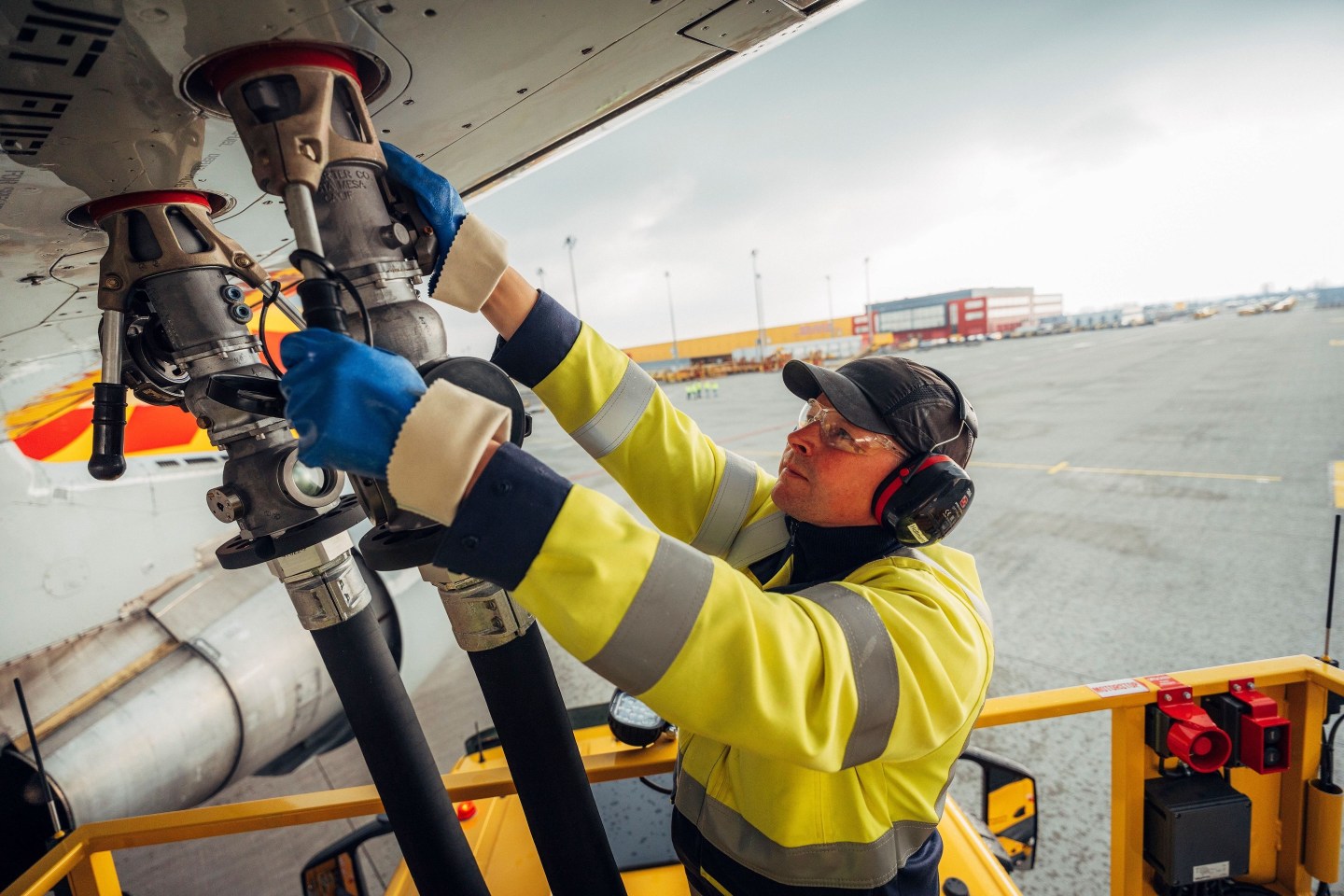
DHL plane being refuelled at airport by man in high-vis jacket
EnergyAviation
The Iran conflict saw jet fuel prices soar—when you use 1.88 million tonnes a year, how you respond really matters (just ask DHL)
By Sam ForsdickJuly 1, 2026
2 hours ago
Current price of oil as of July 1, 2026
Personal FinanceOil
Current price of oil as of July 1, 2026
By Joseph HostetlerJuly 1, 2026
2 hours ago
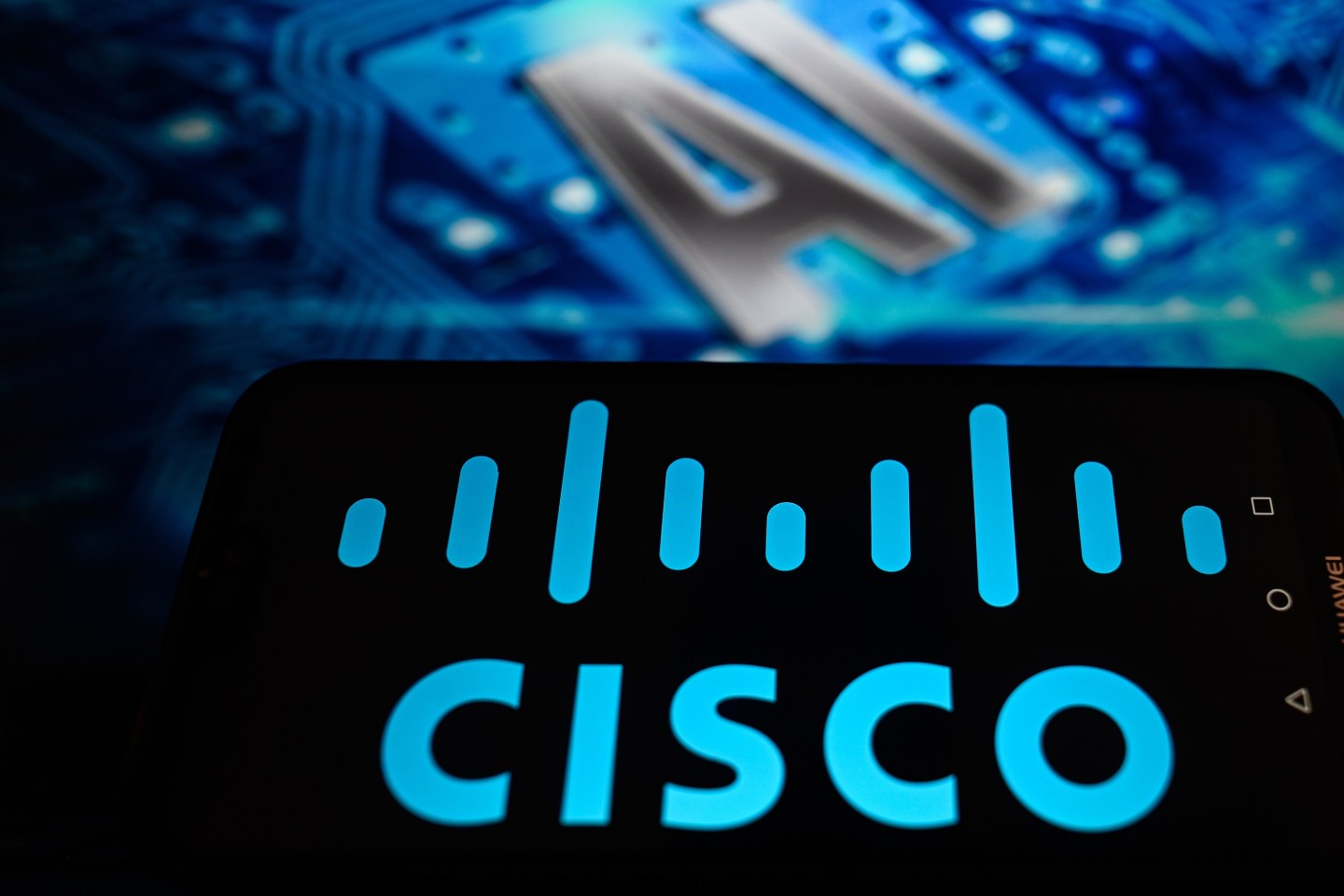
In this photo illustration, a Cisco logo is displayed on a smartphone with Artificial Intellingence (AI) symbols in the background.
AICFO Daily
Cisco is rolling out AI agents to every single one of its 90,000 employees
By Sheryl EstradaJuly 1, 2026
2 hours ago

Most Popular

MacKenzie Scott alone accounted for one-third of America's $19.2 billion in megagifts last year
Success
MacKenzie Scott alone accounted for one-third of America's $19.2 billion in megagifts last year
By Sydney LakeJune 25, 2026
6 days ago
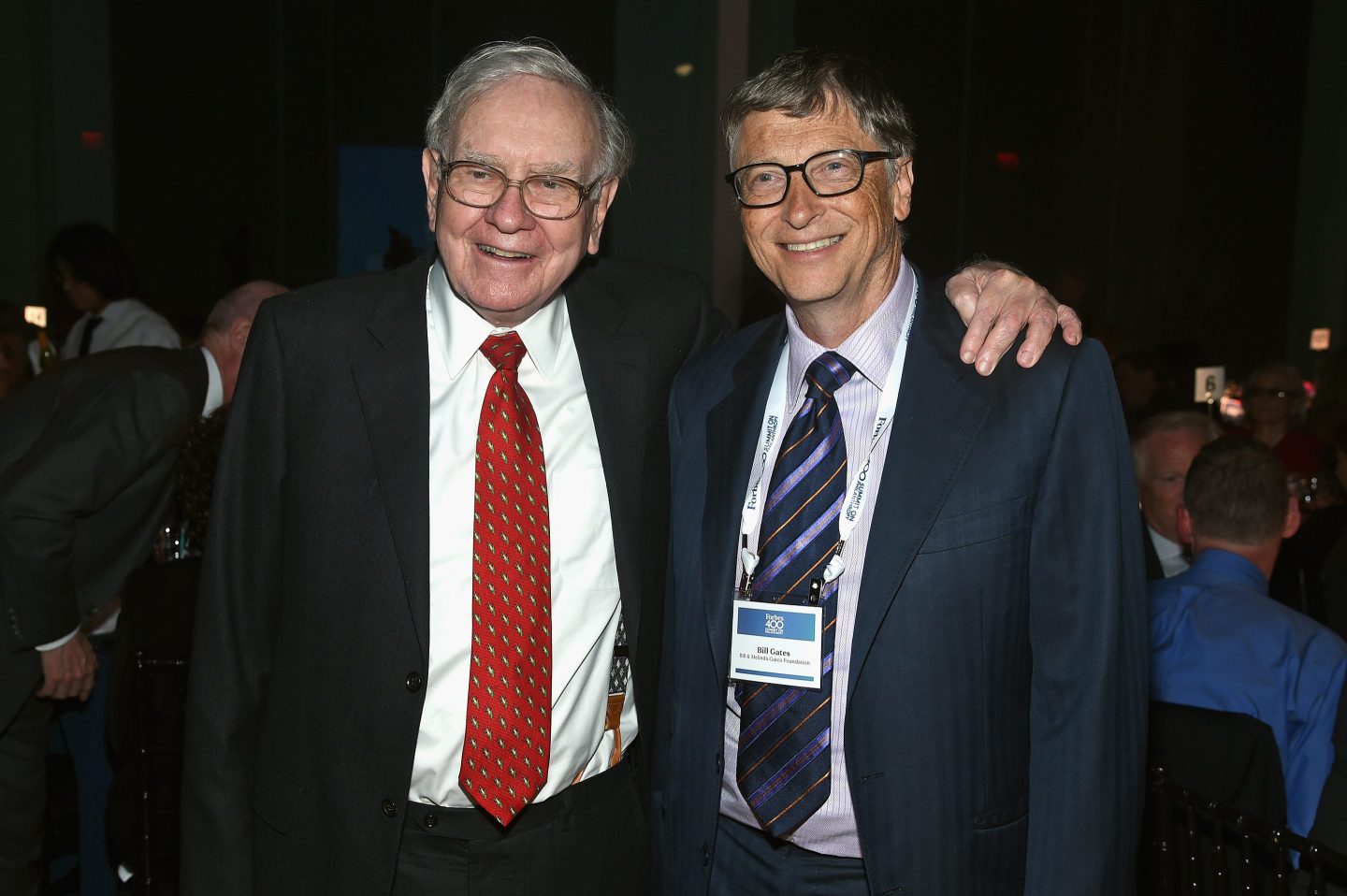
Philanthropy leader at Warren Buffett and Bill Gates’ Giving Pledge says children of billionaires are pushing them to give their wealth away faster
Success
Philanthropy leader at Warren Buffett and Bill Gates’ Giving Pledge says children of billionaires are pushing them to give their wealth away faster
By Preston ForeJune 27, 2026
4 days ago
Elon Musk on MacKenzie Scott giving away $26 billion of her fortune: 'Sadly,' it makes the world a worse place
Success
Elon Musk on MacKenzie Scott giving away $26 billion of her fortune: 'Sadly,' it makes the world a worse place
By Sydney LakeJune 29, 2026
2 days ago
The U.S. Army is opening military bases to private billions — here's why that changes everything for the next 250 years
Commentary
The U.S. Army is opening military bases to private billions — here's why that changes everything for the next 250 years
By Marc AndersenJune 30, 2026
1 day ago
Current price of oil as of June 30 2026
Personal Finance
Current price of oil as of June 30 2026
By Joseph HostetlerJune 30, 2026
1 day ago
As Big Tech showers employees with perks to win the talent war, Nvidia built a nearly $5 trillion company by making people pay for their own lunch
Big Tech
As Big Tech showers employees with perks to win the talent war, Nvidia built a nearly $5 trillion company by making people pay for their own lunch
By Marco Quiroz-GutierrezJuly 1, 2026
8 hours ago

© 2026 Fortune Media IP Limited. All Rights Reserved. Use of this site constitutes acceptance of our Terms of Use and Privacy Policy | CA Notice at Collection and Privacy Notice | Do Not Sell/Share My Personal Information
FORTUNE is a trademark of Fortune Media IP Limited, registered in the U.S. and other countries. FORTUNE may receive compensation for some links to products and services on this website. Offers may be subject to change without notice.