• Home
  • Latest
  • Fortune 500
  • Finance
  • Tech
  • Leadership
  • Lifestyle
  • Rankings
  • Multimedia
FinanceFinancial Crisis

Why taxpayers may now be off the hook when a big bank fails

By
Sheila Bair
Sheila Bair
Down Arrow Button Icon
By
Sheila Bair
Sheila Bair
Down Arrow Button Icon
April 11, 2013, 7:07 AM ET
Photo: David McNew/Getty Images

Is “too big to fail” over? Believe it or not, it just might be. Even though the Dodd-Frank financial reform law banned future taxpayer bailouts of banks, the public remains skeptical. Given the size and complexity of the largest banks, it is difficult to imagine how the government could run them through an orderly bankruptcy process. Even if the regulators had the political will to do so, how could they possibly avoid systemic disruptions? Here’s how.

Under its new Dodd-Frank mandate, the FDIC has unveiled an innovative strategy to handle a megabank failure. It’s not an easy challenge. In his book The Great American Bubble Machine, Matt Taibbi described Goldman Sachs as a “vampire squid.” I’m not sure about the blood-sucking part, but the metaphor holds in describing the legal structures with which regulators of megabanks must struggle. Visualize them as big heads sitting atop a morass of arms and sucker-covered tentacles, drifting in an inky cloud of opacity. The head is the “holding company,” the life-blood source. It issues equity and debt to the public and funnels the money down to its tentacles below. There are thousands of those tentacles — discrete legal entities frequently created not for operational efficiency but to avoid some tax, regulatory, or accounting rule. Each business line, be it investment bank, derivatives dealer, or commercial bank, is supported by hundreds of the same intertwined legal entities. You can’t detach them without damaging other parts of the franchise.

In its new plan, the agency will be able to take control of the holding company — and become the new owner. As the temporary owner, it will keep the healthy arms alive in one or more “good banks,” while putting the megabank’s former shareholder and creditor interests into a government-controlled receivership. Losses will be fully absorbed by the holding company’s shareholders and unsecured creditors. Taxpayers will not be at risk of loss.

This strategy will allow the FDIC to leave healthy foreign subsidiaries open for business. The challenge is that most countries won’t allow banks owned by foreign governments to operate within their borders. By maintaining viable foreign subsidiaries, the FDIC hopes to avoid their seizure by foreign authorities and ensure that non-U.S. trading partners keep performing on their contractual commitments. The success of the FDIC’s strategy will, of course, depend on the willingness of foreign jurisdictions to respect its authority as the megabank’s temporary new owner. The agency has been working with the Bank of England, whose cooperation will go a long way to ensure the success of the strategy, in that more than 80% of U.S. megabanks’ foreign operations are subject to the jurisdiction of the U.K.

Short term this strategy can work, but it will be costly and difficult. Longer term, regulators must require the megabanks to simplify and provide better market disclosure of their legal structures. The speed with which the FDIC can restructure them as good banks and return them to private-sector ownership will be greatly enhanced if their business lines and foreign operations have already been organized into a rational number of legal units that can be easily detached. At least two large banks, Santander and HSBC, organize international operations this way, so it can be done. Regulators must also require holding companies to issue enough equity and unsecured debt to absorb losses should they fail.

Not convinced that bailouts are over? Well, if you are swimming with one of the squids as an investor, do you want to take the chance? Perhaps if one of these giants gets into trouble, the government will blink and throw you a life jacket. But given the strong language in Dodd-Frank banning future bailouts, I doubt it. If you own stock or subordinated debt, you will probably be wiped out. If you own bonds, you will take a big loss. So be a prudent investor, and do your homework. If you still don’t understand the risks, get out of the water.

—Fortune contributor Sheila Bair is former chair of the FDIC and author of New York Times bestseller Bull by the Horns.

This story is from the April 29, 2013 issue of Fortune.

About the Author
By Sheila Bair
See full bioRight Arrow Button Icon

Latest in Finance

Finance
Lorem ipsum dolor sit amet, consectetur adipiscing elit, sed do eiusmod tempor incididunt ut labore et dolore magna aliqua. Ut enim ad minim veniam
By Fortune Editors
October 20, 2025
Finance
Lorem ipsum dolor sit amet, consectetur adipiscing elit, sed do eiusmod tempor incididunt ut labore et dolore magna aliqua. Ut enim ad minim veniam
By Fortune Editors
October 20, 2025
Finance
Lorem ipsum dolor sit amet, consectetur adipiscing elit, sed do eiusmod tempor incididunt ut labore et dolore magna aliqua. Ut enim ad minim veniam
By Fortune Editors
October 20, 2025
Finance
Lorem ipsum dolor sit amet, consectetur adipiscing elit, sed do eiusmod tempor incididunt ut labore et dolore magna aliqua. Ut enim ad minim veniam
By Fortune Editors
October 20, 2025
Finance
Lorem ipsum dolor sit amet, consectetur adipiscing elit, sed do eiusmod tempor incididunt ut labore et dolore magna aliqua. Ut enim ad minim veniam
By Fortune Editors
October 20, 2025
Finance
Lorem ipsum dolor sit amet, consectetur adipiscing elit, sed do eiusmod tempor incididunt ut labore et dolore magna aliqua. Ut enim ad minim veniam
By Fortune Editors
October 20, 2025

Most Popular

Finance
Lorem ipsum dolor sit amet, consectetur adipiscing elit, sed do eiusmod tempor incididunt ut labore et dolore magna aliqua. Ut enim ad minim veniam
By Fortune Editors
October 20, 2025
Finance
Lorem ipsum dolor sit amet, consectetur adipiscing elit, sed do eiusmod tempor incididunt ut labore et dolore magna aliqua. Ut enim ad minim veniam
By Fortune Editors
October 20, 2025
Finance
Lorem ipsum dolor sit amet, consectetur adipiscing elit, sed do eiusmod tempor incididunt ut labore et dolore magna aliqua. Ut enim ad minim veniam
By Fortune Editors
October 20, 2025
Finance
Lorem ipsum dolor sit amet, consectetur adipiscing elit, sed do eiusmod tempor incididunt ut labore et dolore magna aliqua. Ut enim ad minim veniam
By Fortune Editors
October 20, 2025
Finance
Lorem ipsum dolor sit amet, consectetur adipiscing elit, sed do eiusmod tempor incididunt ut labore et dolore magna aliqua. Ut enim ad minim veniam
By Fortune Editors
October 20, 2025
Finance
Lorem ipsum dolor sit amet, consectetur adipiscing elit, sed do eiusmod tempor incididunt ut labore et dolore magna aliqua. Ut enim ad minim veniam
By Fortune Editors
October 20, 2025
Fortune Secondary Logo
Rankings
  • 100 Best Companies
  • Fortune 500
  • Global 500
  • Fortune 500 Europe
  • Most Powerful Women
  • Future 50
  • World’s Most Admired Companies
  • See All Rankings
Sections
  • Finance
  • Fortune Crypto
  • Features
  • Leadership
  • Health
  • Commentary
  • Success
  • Retail
  • Mpw
  • Tech
  • Lifestyle
  • CEO Initiative
  • Asia
  • Politics
  • Conferences
  • Europe
  • Newsletters
  • Personal Finance
  • Environment
  • Magazine
  • Education
Customer Support
  • Frequently Asked Questions
  • Customer Service Portal
  • Privacy Policy
  • Terms Of Use
  • Single Issues For Purchase
  • International Print
Commercial Services
  • Advertising
  • Fortune Brand Studio
  • Fortune Analytics
  • Fortune Conferences
  • Business Development
  • Group Subscriptions
About Us
  • About Us
  • Editorial Calendar
  • Press Center
  • Work At Fortune
  • Diversity And Inclusion
  • Terms And Conditions
  • Site Map
  • About Us
  • Editorial Calendar
  • Press Center
  • Work At Fortune
  • Diversity And Inclusion
  • Terms And Conditions
  • Site Map
  • Facebook icon
  • Twitter icon
  • LinkedIn icon
  • Instagram icon
  • Pinterest icon

Latest in Finance

wyle
CommentaryTV
What HBO’s ‘The Pitt’ gets right—and wrong—about treating alcohol use disorder
By Jonathan Hunt-GlassmanApril 2, 2026
30 minutes ago
nic
CommentaryInsider trading
Prediction markets caught insider traders in real time. Congress wants to shut them down anyway
By Nic PuckrinApril 2, 2026
2 hours ago
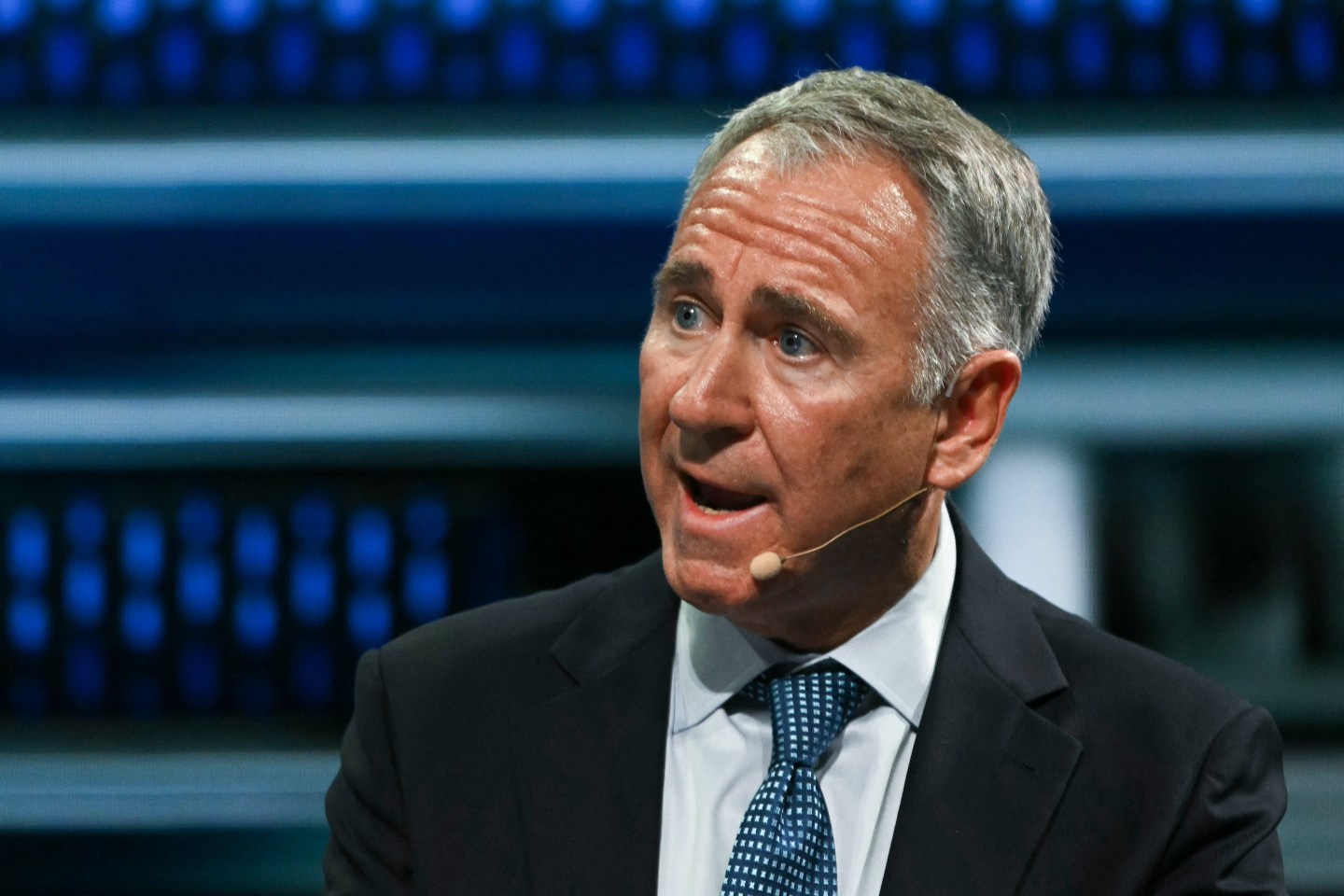
Ken Griffin, founder and CEO of Citadel.
NewslettersCFO Daily
The hedge fund billionaire betting Miami can rival New York’s Wall Street
By Sheryl EstradaApril 2, 2026
2 hours ago
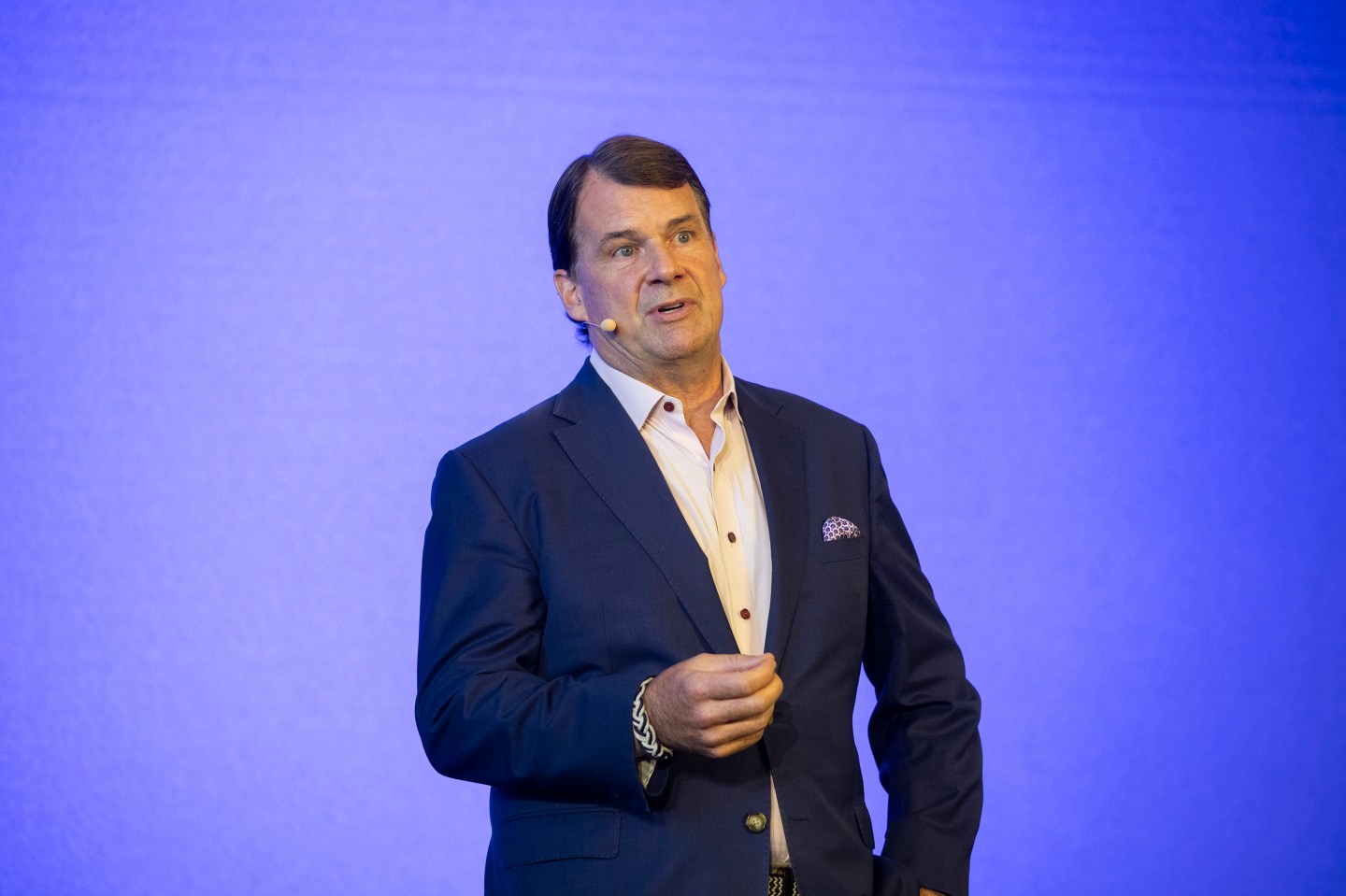
farley
Future of WorkInfrastructure
Ford CEO Jim Farley says America is sleepwalking past its ‘essential economy’ crisis. Goldman Sachs just showed how big it really is
By Nick LichtenbergApril 2, 2026
2 hours ago
Nima Ghamsari smiles
NewslettersTerm Sheet
Blend’s post-IPO reset: CEO Nima Ghamsari bets that AI can turn it all around
By Lily Mae LazarusApril 2, 2026
3 hours ago
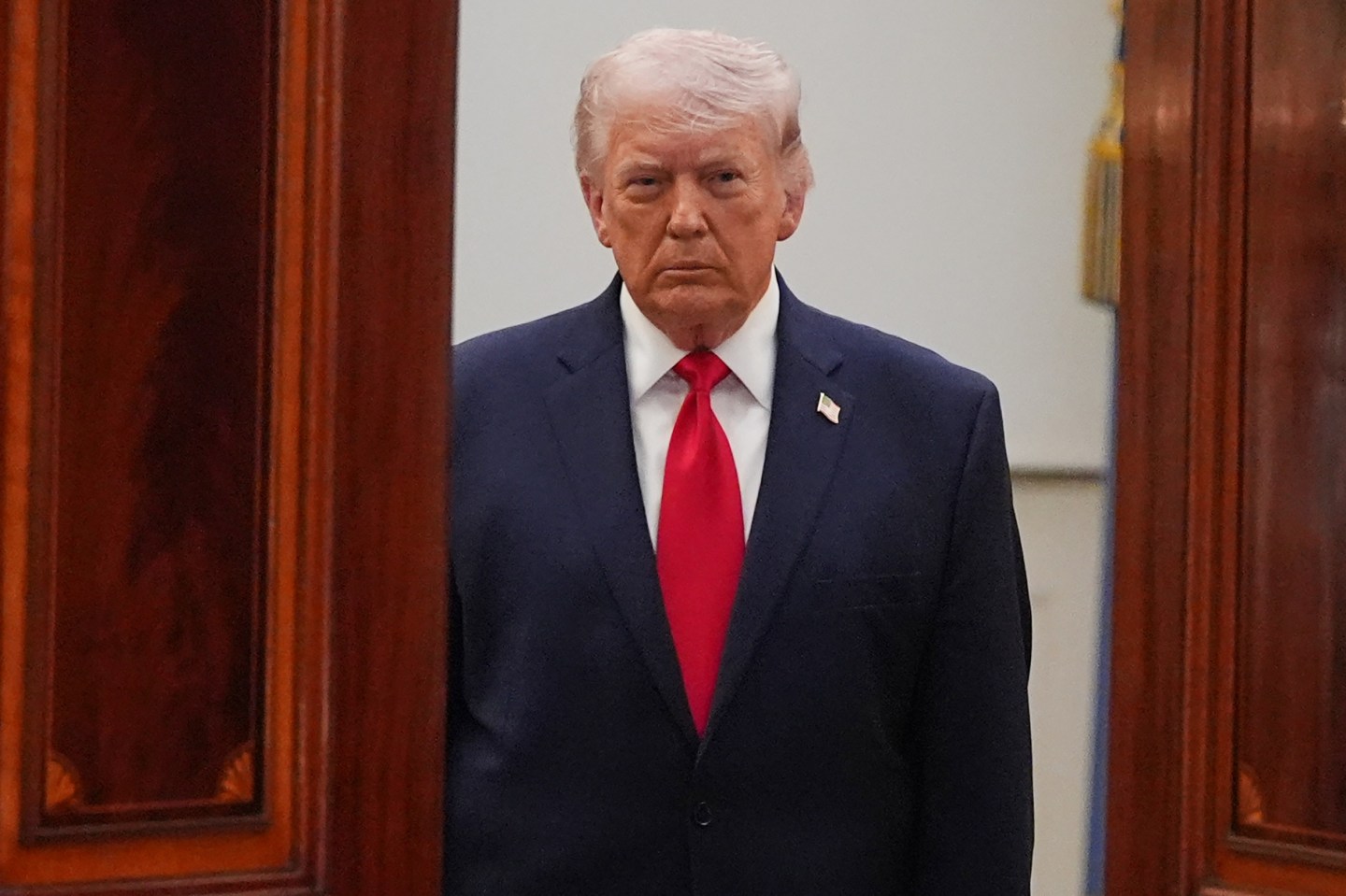
Photo: President Trump
Big TechMarkets
Trump hails ‘tremendous progress’ in Iran but all Wall Street heard was ‘back to escalation’
By Jim EdwardsApril 2, 2026
3 hours ago

Most Popular

Gen Z fled San Francisco for Texas and Florida. Now they're turning 'welcomer cities' into the next big tech towns
Real Estate
Gen Z fled San Francisco for Texas and Florida. Now they're turning 'welcomer cities' into the next big tech towns
By Fortune EditorsApril 2, 2026
7 hours ago
Two-thirds of parents say their adult Gen Z kids still rely on them financially  for support—even though it's putting them under strain
Success
Two-thirds of parents say their adult Gen Z kids still rely on them financially  for support—even though it's putting them under strain
By Fortune EditorsMarch 31, 2026
2 days ago
Current price of gold as of April 1, 2026
Personal Finance
Current price of gold as of April 1, 2026
By Fortune EditorsApril 1, 2026
1 day ago
Current price of oil as of April 1, 2026
Personal Finance
Current price of oil as of April 1, 2026
By Fortune EditorsApril 1, 2026
1 day ago
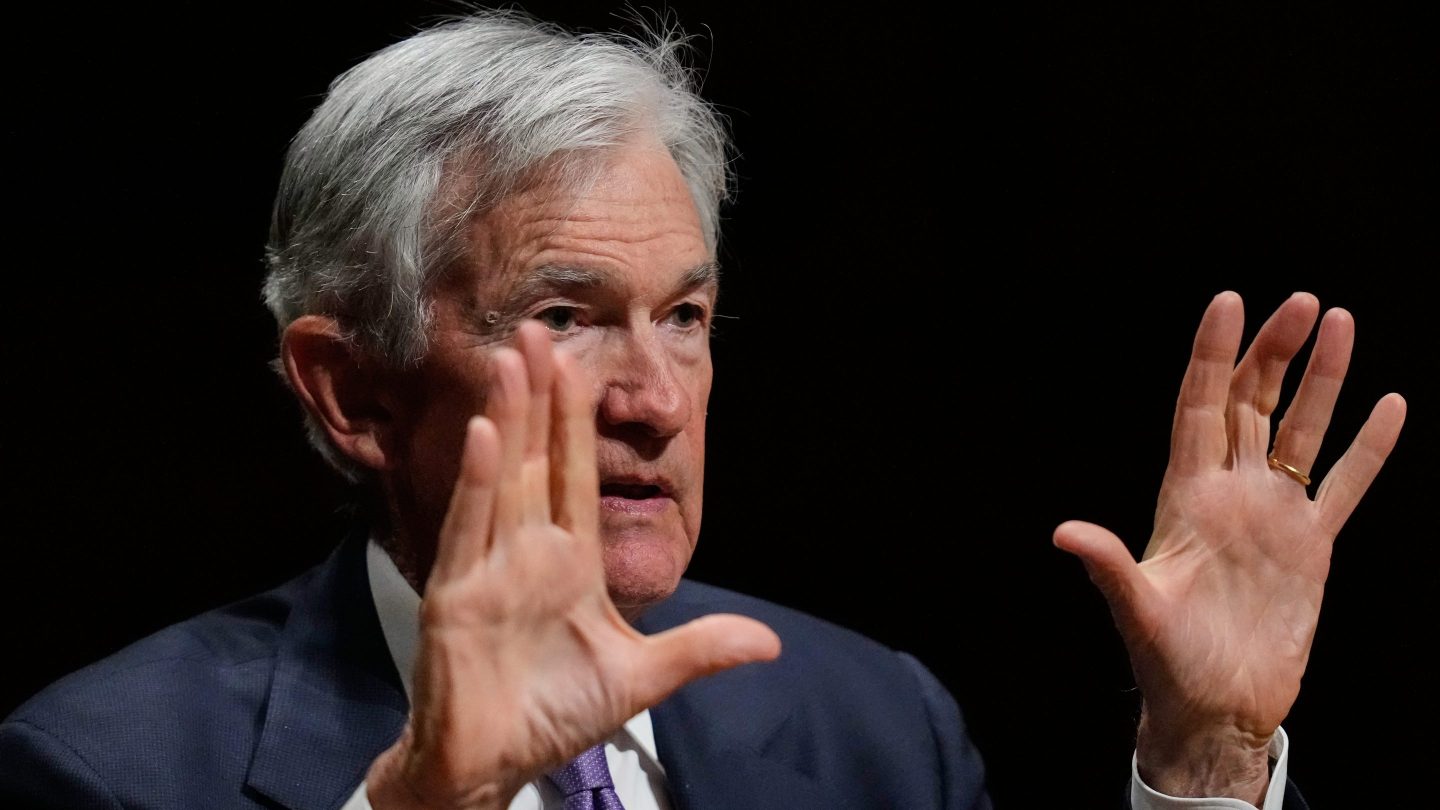
Jerome Powell says the $39 trillion national debt is ‘not unsustainable,’ but warns the trajectory ‘will not end well’
Economy
Jerome Powell says the $39 trillion national debt is ‘not unsustainable,’ but warns the trajectory ‘will not end well’
By Fortune EditorsMarch 30, 2026
3 days ago
Hiring just hit a level not seen since the economy was ‘closed down literally’ during COVID, top economist says
Economy
Hiring just hit a level not seen since the economy was ‘closed down literally’ during COVID, top economist says
By Fortune EditorsMarch 31, 2026
2 days ago

© 2026 Fortune Media IP Limited. All Rights Reserved. Use of this site constitutes acceptance of our Terms of Use and Privacy Policy | CA Notice at Collection and Privacy Notice | Do Not Sell/Share My Personal Information
FORTUNE is a trademark of Fortune Media IP Limited, registered in the U.S. and other countries. FORTUNE may receive compensation for some links to products and services on this website. Offers may be subject to change without notice.