• Home
  • Latest
  • Fortune 500
  • Finance
  • Tech
  • Leadership
  • Lifestyle
  • Rankings
  • Multimedia

Exclusive

An hour in the Oval Office with President Trump.

An hour in the Oval Office with President Trump.

An hour in the Oval Office with President Trump.

An hour in the Oval Office with President Trump.

An hour in the Oval Office with President Trump.

An hour in the Oval Office with President Trump.

An hour in the Oval Office with President Trump.

An hour in the Oval Office with President Trump.

An hour in the Oval Office with President Trump.

An hour in the Oval Office with President Trump.

How to shrink America’s income gap

By
Thomas A. Kochan
Thomas A. Kochan
Down Arrow Button Icon
By
Thomas A. Kochan
Thomas A. Kochan
Down Arrow Button Icon
April 21, 2014, 3:53 PM ET
The money divide.

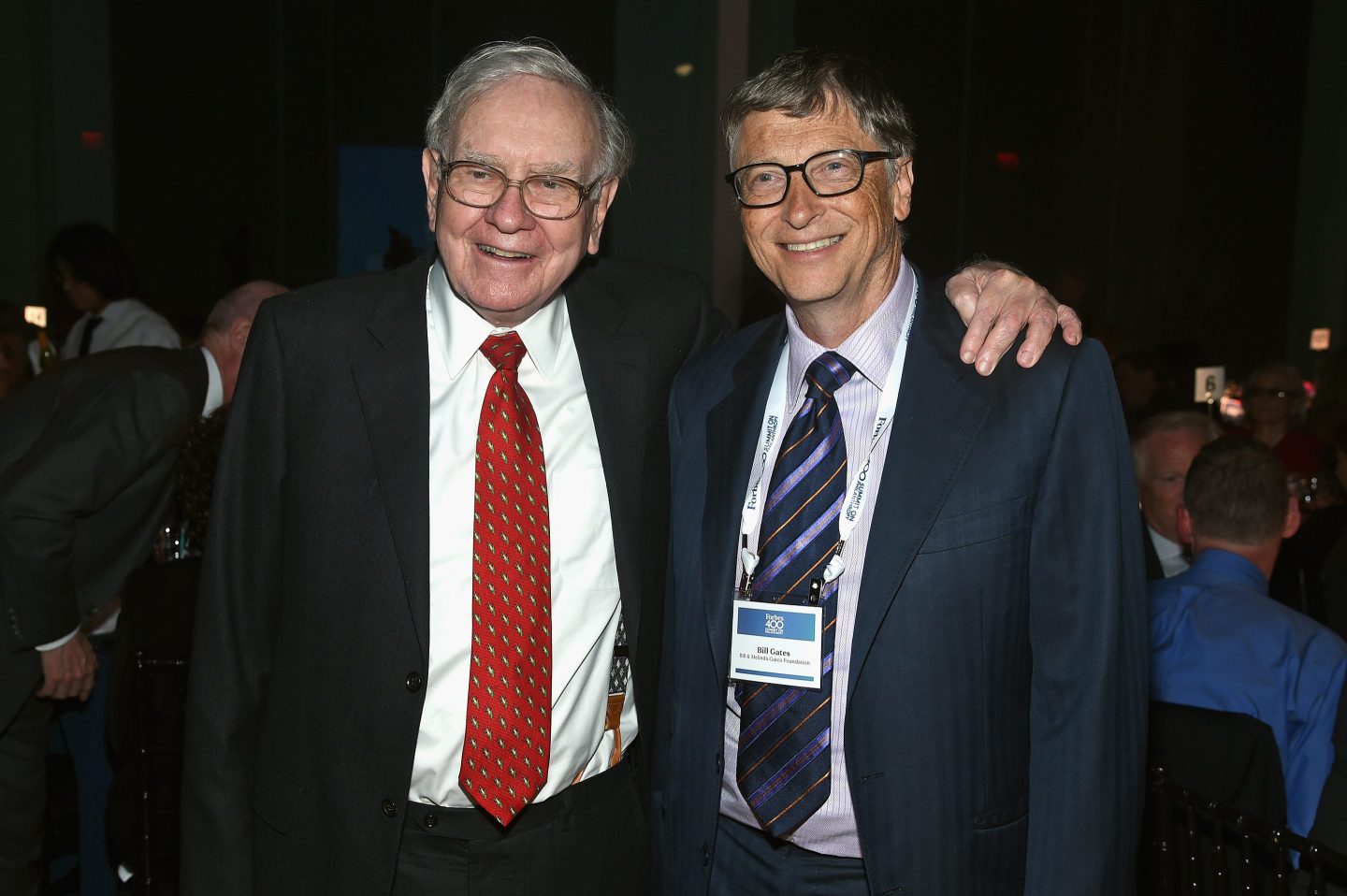
FORTUNE — What’s the one thing Pope Francis, Barack Obama, Marco Rubio, and Warren Buffett all agree on? America needs to change the way it sets wages to overcome its economically and politically unsustainable levels of income inequality.

The question is how? Let’s start with some lessons from history and see how we can apply them to today’s economy and society.

For 30 years after World War II, wages and productivity in the U.S. moved up in tandem, creating a growing middle class and ensuring baby boomers could realize their American Dream. We called that the “post-war Social Contract.” Then in the 1980s, the social contract fell apart, starting 30 years of stagnant wages, growing inequality, and political polarization.

MORE: Americans have fallen in love with real estate once again

The post-war Social Contract was possible because the New Deal established a floor on minimum wages and protected workers’ rights to organize and engage in collective bargaining. Then in the mid-1940s as the domestic economy grew on the basis of purchasing power pent up during the war, United Auto Workers’ President Walter Reuther and General Motors (GM) CEO Charles Wilson negotiated what was called the “Treaty of Detroit,” specifying that wage increases would be set to match growth in the cost of living and productivity. The strength of unions then helped spread this “pattern” bargain across American industry.

[youtube http://www.youtube.com/watch?v=Q4UqP_VrNME&w=560&h=315]

This worked because the economy was growing, unions were strong, and international competitors were weak. In the 1980s, this all changed: The manufacturing economy fell into a deep recession, management went on the offensive to avoid and (successfully) weaken unions, and international competitors gained expanding shares of American markets and jobs. Technology advanced, markets opened up, and good paying production jobs got outsourced to lower-wage countries. As American firms began focusing on maximizing share prices (the so called financialization of the American corporation), CEOs whose incomes were increasingly tied to stock prices gained the lion’s share of the income produced.

MORE: Southwest Airline’s profit-sharing payout: What capitalism should be

We can’t go back to the good old days. Today international competition, technological changes that value skilled workers, union weakness, and financialization of corporate practices are realities to be dealt with. New approaches to wage setting are needed. The key is to find the sweet spot, where everyone who works together to generate productivity and profits has a fair chance of sharing in the gains produced.

We know how to do this. The bedrock pay-for-performance principles were laid out over 60 years ago by Joe Scanlon, a former Steelworkers Union leader and Massachusetts Institute of Technology instructor. What’s more, he was the father of the Scanlon Plan, one of the most durable pay-for-performance plans. It worked liked this:

  • Include all employees in the organization in the pay-for-performance plan to encourage cross-occupational and cross-level cooperation, not competition.
  • Use incentive pay as a complement to and not a substitute for fair base wages and benefits.
  • Provide employees an independent employee voice in designing and administering the plan and in generating and evaluating suggestions for continuous productivity improvements/savings.
  • Recognize that the Achilles Heel of any performance-sharing formula lies in changes in technology, market conditions, product/service mix, or organizational strategies that require adjustments to the plan. Ensure that making changes in the formulas for calculating productivity, profits, and gains to be shared are technically sound, transparent, and trusted by all parties (employees, managers, and investors).

MORE: Big banks lend to big corporations over consumers

If a union is present, it can provide this independent voice and monitoring. But that is seldom the case today. Just as it took a new labor law in the New Deal to lay the foundation for 20th century unions and collective bargaining, America needs a new, modern law that opens up a variety of avenues for worker voice and representation, including, but not limited to enterprise-wide works councils where all employees have a right to participate as equals in discussion of wage and other human resource policies.

Sharing ownership of the company with employees is another option. Today over 12,000 Employee Stock Option Ownership Plans (ESOPs) are in place. Those that work follow the four principles above — they engage all employees as owners and build a culture of shared ownership and commitment that motivates everyone to work together and benefit together from the success of the enterprise. Expanding ESOPs would help.

Internal promotional and career paths that promote and pay people for obtaining new skills is another way to provide incentives for employees to engage in life-long learning and move up the income ladder as their careers progress. Individual firms benefit by building long-term commitment and loyalty, and the economy benefits by increasing its stock of human capital.

Retraining and redeployment of workers displaced by advances in technology has to be part of the solution. At Kaiser Permanente, no employees have been laid off as electronic medical technologies replaced their “chart room” workers. Instead Kaiser management and unions negotiated retraining provisions to help affected workers learn the skills needed for available jobs, or provided generous severance payments to allow them to find suitable jobs elsewhere. This approach both supports the workers affected and motivates others to continue to foster rather than resist productivity-enhancing technological change.

MORE: Unpaid interns in NYC get a few rights. Up next? A Salary?

The toughest nut to crack will be changing the corporate “norms” about salary ratios separating CEOs and average employees. Before 1980 these tended to be 30- to 50-to-1, comparable to norms found in other countries. Today the differential is 250- to 300-to-1 or higher. New federal rules may soon require publication of these ratios in corporate reports.

Transparency is a good first step. But corporate boards will need stronger pressures to change the ways CEOs are paid. Today, unions aren’t strong enough to do this alone. They need a chorus of voices including HR professionals, policymakers, middle managers and professionals (today’s “average” employees), and voters all calling for more equitable, productive, motivating, and sustainable wage-setting policies across America. Giving workers seats on the board would surely help!

Let the national debate begin. I am confident we can invent other new ways to encourage everyone to work together to gain together.

What could be fairer?

Thomas A. Kochan is a professor of industrial relations, work, and employment at the Massachusetts Institute of Technology’s Sloan School of Management. He is author of the book, Restoring the American Dream: A Working Families’ Agenda for America.

More from Thomas Kochan:

  • America’s (quality) jobs creator: Community colleges
  • America’s young workers: Destined for failure?


About the Author
By Thomas A. Kochan
See full bioRight Arrow Button Icon

Latest in

Finance
Lorem ipsum dolor sit amet, consectetur adipiscing elit, sed do eiusmod tempor incididunt ut labore et dolore magna aliqua. Ut enim ad minim veniam
By Fortune Editors
October 20, 2025
Finance
Lorem ipsum dolor sit amet, consectetur adipiscing elit, sed do eiusmod tempor incididunt ut labore et dolore magna aliqua. Ut enim ad minim veniam
By Fortune Editors
October 20, 2025
Finance
Lorem ipsum dolor sit amet, consectetur adipiscing elit, sed do eiusmod tempor incididunt ut labore et dolore magna aliqua. Ut enim ad minim veniam
By Fortune Editors
October 20, 2025
Finance
Lorem ipsum dolor sit amet, consectetur adipiscing elit, sed do eiusmod tempor incididunt ut labore et dolore magna aliqua. Ut enim ad minim veniam
By Fortune Editors
October 20, 2025
Finance
Lorem ipsum dolor sit amet, consectetur adipiscing elit, sed do eiusmod tempor incididunt ut labore et dolore magna aliqua. Ut enim ad minim veniam
By Fortune Editors
October 20, 2025
Finance
Lorem ipsum dolor sit amet, consectetur adipiscing elit, sed do eiusmod tempor incididunt ut labore et dolore magna aliqua. Ut enim ad minim veniam
By Fortune Editors
October 20, 2025

Most Popular

Finance
Lorem ipsum dolor sit amet, consectetur adipiscing elit, sed do eiusmod tempor incididunt ut labore et dolore magna aliqua. Ut enim ad minim veniam
By Fortune Editors
October 20, 2025
Finance
Lorem ipsum dolor sit amet, consectetur adipiscing elit, sed do eiusmod tempor incididunt ut labore et dolore magna aliqua. Ut enim ad minim veniam
By Fortune Editors
October 20, 2025
Finance
Lorem ipsum dolor sit amet, consectetur adipiscing elit, sed do eiusmod tempor incididunt ut labore et dolore magna aliqua. Ut enim ad minim veniam
By Fortune Editors
October 20, 2025
Finance
Lorem ipsum dolor sit amet, consectetur adipiscing elit, sed do eiusmod tempor incididunt ut labore et dolore magna aliqua. Ut enim ad minim veniam
By Fortune Editors
October 20, 2025
Finance
Lorem ipsum dolor sit amet, consectetur adipiscing elit, sed do eiusmod tempor incididunt ut labore et dolore magna aliqua. Ut enim ad minim veniam
By Fortune Editors
October 20, 2025
Finance
Lorem ipsum dolor sit amet, consectetur adipiscing elit, sed do eiusmod tempor incididunt ut labore et dolore magna aliqua. Ut enim ad minim veniam
By Fortune Editors
October 20, 2025
Fortune Secondary Logo
Rankings
  • 100 Best Companies
  • Fortune 500
  • Global 500
  • Fortune 500 Europe
  • Most Powerful Women
  • World's Most Admired Companies
  • See All Rankings
  • Lists Calendar
Sections
  • Finance
  • Fortune Crypto
  • Features
  • Leadership
  • Health
  • Commentary
  • Success
  • Retail
  • Mpw
  • Tech
  • Lifestyle
  • CEO Initiative
  • Asia
  • Politics
  • Conferences
  • Europe
  • Newsletters
  • Personal Finance
  • Environment
  • Magazine
  • Education
Customer Support
  • Frequently Asked Questions
  • Customer Service Portal
  • Privacy Policy
  • Terms Of Use
  • Single Issues For Purchase
  • International Print
Commercial Services
  • Advertising
  • Fortune Brand Studio
  • Fortune Analytics
  • Fortune Conferences
  • Business Development
  • Group Subscriptions
About Us
  • About Us
  • Press Center
  • Work At Fortune
  • Terms And Conditions
  • Site Map
  • About Us
  • Press Center
  • Work At Fortune
  • Terms And Conditions
  • Site Map
  • Facebook icon
  • Twitter icon
  • LinkedIn icon
  • Instagram icon
  • Pinterest icon

Latest in

shyam
CommentaryHealth
World Economic Forum: women’s health gets only 20% of R&D funding. We must seize this $1 trillion opportunity
By Shyam BishenMay 18, 2026
45 minutes ago
Markets are jittery as the global oil crisis bleeds into a global debt selloff, while Trump weighs new military options on Iran
EnergyOil
Markets are jittery as the global oil crisis bleeds into a global debt selloff, while Trump weighs new military options on Iran
By Jason MaMay 17, 2026
5 hours ago
CDC to escalate Ebola response after WHO declares emergency
HealthHealth
CDC to escalate Ebola response after WHO declares emergency
By Jessica Nix and BloombergMay 17, 2026
6 hours ago
Four crew members ejected safely after two Navy jets collide and crash during air show in Idaho
North AmericaMilitary
Four crew members ejected safely after two Navy jets collide and crash during air show in Idaho
By The Associated PressMay 17, 2026
8 hours ago
Gundlach says it’s ‘just not possible’ for the Fed to cut rates
EconomyFederal Reserve
Gundlach says it’s ‘just not possible’ for the Fed to cut rates
By Jordan Fitzgerald, Sam Kim and BloombergMay 17, 2026
8 hours ago
Supply shocks weren’t random. They were strategic—and should be seen as ‘supply coercion’ instead, former Fed official says 
Economysupply chains
Supply shocks weren’t random. They were strategic—and should be seen as ‘supply coercion’ instead, former Fed official says 
By Jason MaMay 17, 2026
9 hours ago

Most Popular

Microsoft AI chief gives it 18 months—for all white-collar work to be automated by AI
AI
Microsoft AI chief gives it 18 months—for all white-collar work to be automated by AI
By Jake AngeloMay 16, 2026
2 days ago
The Bezos family just donated $100 million to help achieve one of Mayor Zohran Mamdani’s top campaign promises
Politics
The Bezos family just donated $100 million to help achieve one of Mayor Zohran Mamdani’s top campaign promises
By Jake AngeloMay 12, 2026
5 days ago
The top foreign holders of U.S. debt may soon dump Treasury bonds and bring their money back home, potentially spiking borrowing costs
Economy
The top foreign holders of U.S. debt may soon dump Treasury bonds and bring their money back home, potentially spiking borrowing costs
By Jason MaMay 17, 2026
11 hours ago
Former top Russian official admits the country is over Putin and can 'imagine a future without him' — even elites bail as Kremlin seizes their assets 
Politics
Former top Russian official admits the country is over Putin and can 'imagine a future without him' — even elites bail as Kremlin seizes their assets 
By Jason MaMay 16, 2026
1 day ago
'No one was coming to save me': How Reese Witherspoon built a $900 million company from a problem Hollywood wouldn't fix
Success
'No one was coming to save me': How Reese Witherspoon built a $900 million company from a problem Hollywood wouldn't fix
By Sydney LakeMay 17, 2026
18 hours ago
SpaceX heads into a record-shattering IPO with the 'deepest moat that exists today' as investors vow to 'never bet against Elon'
Innovation
SpaceX heads into a record-shattering IPO with the 'deepest moat that exists today' as investors vow to 'never bet against Elon'
By Jason MaMay 16, 2026
2 days ago

© 2026 Fortune Media IP Limited. All Rights Reserved. Use of this site constitutes acceptance of our Terms of Use and Privacy Policy | CA Notice at Collection and Privacy Notice | Do Not Sell/Share My Personal Information
FORTUNE is a trademark of Fortune Media IP Limited, registered in the U.S. and other countries. FORTUNE may receive compensation for some links to products and services on this website. Offers may be subject to change without notice.