• Home
  • Latest
  • Fortune 500
  • Finance
  • Tech
  • Leadership
  • Lifestyle
  • Rankings
  • Multimedia

Trendingnow

1

MacKenzie Scott alone accounted for one-third of America's $19.2 billion in megagifts last year

2

As Big Tech showers employees with perks to win the talent war, Nvidia built a nearly $5 trillion company by making people pay for their own lunch

3

Philanthropy leader at Warren Buffett and Bill Gates’ Giving Pledge says children of billionaires are pushing them to give their wealth away faster

1

MacKenzie Scott alone accounted for one-third of America's $19.2 billion in megagifts last year

2

As Big Tech showers employees with perks to win the talent war, Nvidia built a nearly $5 trillion company by making people pay for their own lunch

3

Philanthropy leader at Warren Buffett and Bill Gates’ Giving Pledge says children of billionaires are pushing them to give their wealth away faster
Tech

With sexism trial over, Kleiner Perkins gets back to investing—in telemedicine

By
Leena Rao
Leena Rao
Down Arrow Button Icon
By
Leena Rao
Leena Rao
Down Arrow Button Icon
March 31, 2015, 10:00 AM ET
<h1>Physician assistants</h1>


Duke University's Eugene Stead launched the first physician assistant's program in 1965 to address two problems. On the one hand, there was a shortage of primary care physicians across the country. On the other, men were leaving the military with medical training and no clear way to apply it to civilian life. In 1975, an independent organization called the National Commission on Certification of Physician Assistants was founded to oversee certification for the profession.


In the '60s and '70s, most PA's were men, but the ratio has shifted. In 1983, the Bureau of Labor Statistics data says that about 35% of physician assistants in the country were women. Today, roughly 70% of PA's are women. Part of that might have to do with the fact that it is more lucrative, on average, for women to become PA's than doctors. A 2012 Yale study suggested that female PA's might end up earning more than women doctors, given the cost of education and the wage gap between male and female physicians.
<h1>Physician assistants</h1> Duke University's Eugene Stead launched the first physician assistant's program in 1965 to address two problems. On the one hand, there was a shortage of primary care physicians across the country. On the other, men were leaving the military with medical training and no clear way to apply it to civilian life. In 1975, an independent organization called the National Commission on Certification of Physician Assistants was founded to oversee certification for the profession. In the '60s and '70s, most PA's were men, but the ratio has shifted. In 1983, the Bureau of Labor Statistics data says that about 35% of physician assistants in the country were women. Today, roughly 70% of PA's are women. Part of that might have to do with the fact that it is more lucrative, on average, for women to become PA's than doctors. A 2012 Yale study suggested that female PA's might end up earning more than women doctors, given the cost of education and the wage gap between male and female physicians. Photo: Joe Raedle/Getty Images
Add Fortune on Google for similar content.

People already use mobile phones to handle their banking and investments. So why wouldn’t they want to use their phones to connect with doctors, to save time and money?

Silicon Valley venture capital firm Kleiner Perkins is betting that doctors will increasingly depend on telemedicine to diagnose and treat patients who check in with them remotely through mobile devices.

As Kleiner Perkins investment partner Mike Abbott explains, health care is one of the largest segments of the U.S. economy at $2.7 trillion dollars. But it is also the most inefficient because of the big price tag for patient care. Mobile, in particular, can lower costs and still help people manage their health care needs effectively, he said.

Today, Kleiner said that it has invested in Spruce, a startup that lets patients connect with dermatologists about conditions like Acne, aging skin, and psoriasis – and get prescriptions and personalized treatment, all through their mobile phones. This funding adds to Kleiner’s bet on telemedicine after previously investing in Teladoc, a company that coordinates virtual appointments with doctors.

The investment in Spruce is Kleiner’s first since it was cleared last week of gender discrimination allegations in a high-profile trial in San Francisco. A former female partner who had sued the firm lost the case after the jury ruled in Kleiner’s favor. The case cast an unflattering light on the firm by exposing emails showing bickering among colleagues, big egos and disorganization. With this latest investment, Kleiner can show that it is returning to some semblance of business as usual after the court room drama of the past month.

Spruce, which has raised $15 million in new funding in this round from Kleiner Perkins, Google Ventures, Baseline Ventures and Cowboy Ventures, was founded by former Kleiner Perkins investment partner Ray Bradford. Spruce had previously raised $2 million in seed funding from Kleiner, Baseline and Cowboy Ventures.

Bradford says that dermatology, in particular, works well with remote treatment. Skin problems are usually visible and therefore relatively easy to diagnose through photos and video. Skin treatment is also one of the most common reasons patients see doctors. But because it often takes a month for an appointment, many people have to resort to buying over the counter medicine.

For $40, Spruce offers people a way to connect with a local dermatologist by letting them send photos of their condition, message their doctor for up to 30 days, get personalized treatment plan within 24 hours and receive prescriptions for medicine. This compares to an average of $100 for an in-person visit at a traditional dermatologist practice, Bradford says.

“With the recent changes in health care, consumers are bearing more costs than before, so they are going to vote with their dollars on health products that work for them,” says Abbott, the venture capitalist.

For now, however, Spruce lacks an important element that is necessary for it to become widely used: buy-in by insurance companies. As it is, people must pay out of their own pockets for an appointment. The goal, according to Abbott, is for patients to pressure employers and insurers to add mobile medical services to their coverage. Eventually, in theory, insurers will have to give in.

According to a survey conducted by human resources company Towers Watson, telemedicine has already been adopted by nearly a third of large employers in 2014. Another 30% said they planned to add it to their offerings in 2015.

A recent Healthcare Informatics report by electronic medical record company Software Advice shows that there is a large demand for telemedicine. Three-quarters of patients who have never had visited a doctor remotely said they were interested in doing so.

Spruce makes money by taking a cut of what patients pay for their doctor appointments. A company representative declined to provide any details about the amount other than to say the vast majority is paid to the doctors.

Virtual healthcare is a niche that is filled with new competitors looking to capitalize on the expected growth of telemedicine. They include Better, a company that launched in partnership with the Mayo Clinic, and Doctor on Demand, backed by Andreessen Horowitz, Venrock, and Sir Richard Branson.

Besides the competitive environment, regulatory and security hurdles are potential roadblocks to telemedicine gaining traction. For example, Spruce is only available in a small number of states including New York and California. One wrinkle is that doctors can only practice medicine in states where they are licensed. Because of the legal implications, regulators recommend that telemedicine companies only connect patients with doctors in the same state as they are.

Liability is another concern. In general, mobile app services, such as Spruce, cover the cost of telemedicine insurance for doctors.

Regardless of the potential challenges, Bradford and Kleiner Perkins believe that telemedicine is not just a fad, but that it is the future. For now, Spruce is focused on dermatology, but will be evaluating other medical specialties in the future.
About the Author
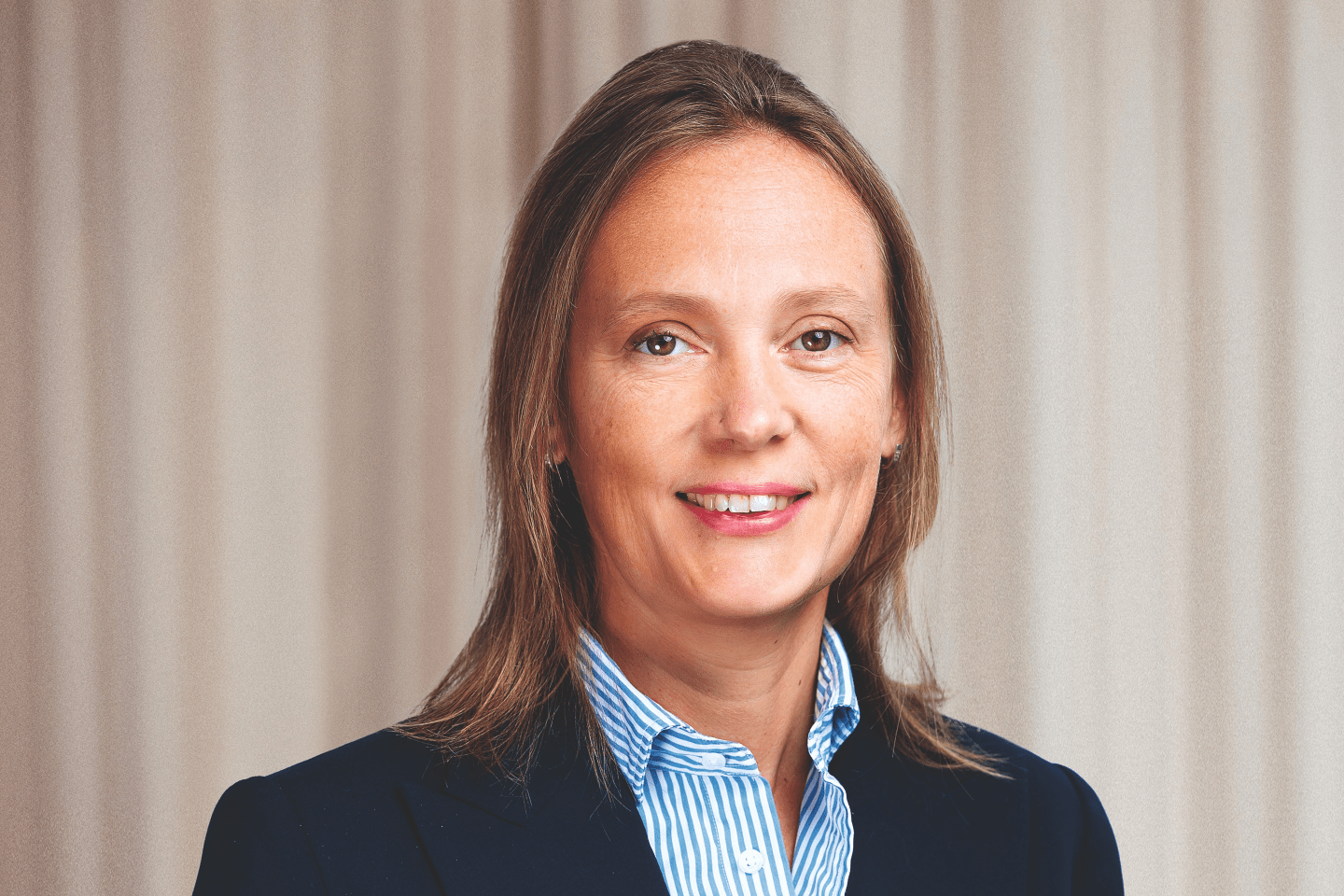
By Leena Rao
See full bioRight Arrow Button Icon
Add Fortune on Google for similar content.

Latest in Tech

Finance
Lorem ipsum dolor sit amet, consectetur adipiscing elit, sed do eiusmod tempor incididunt ut labore et dolore magna aliqua. Ut enim ad minim veniam
By Fortune Editors
October 20, 2025
Finance
Lorem ipsum dolor sit amet, consectetur adipiscing elit, sed do eiusmod tempor incididunt ut labore et dolore magna aliqua. Ut enim ad minim veniam
By Fortune Editors
October 20, 2025
Finance
Lorem ipsum dolor sit amet, consectetur adipiscing elit, sed do eiusmod tempor incididunt ut labore et dolore magna aliqua. Ut enim ad minim veniam
By Fortune Editors
October 20, 2025
Finance
Lorem ipsum dolor sit amet, consectetur adipiscing elit, sed do eiusmod tempor incididunt ut labore et dolore magna aliqua. Ut enim ad minim veniam
By Fortune Editors
October 20, 2025
Finance
Lorem ipsum dolor sit amet, consectetur adipiscing elit, sed do eiusmod tempor incididunt ut labore et dolore magna aliqua. Ut enim ad minim veniam
By Fortune Editors
October 20, 2025
Finance
Lorem ipsum dolor sit amet, consectetur adipiscing elit, sed do eiusmod tempor incididunt ut labore et dolore magna aliqua. Ut enim ad minim veniam
By Fortune Editors
October 20, 2025

Most Popular

Finance
Lorem ipsum dolor sit amet, consectetur adipiscing elit, sed do eiusmod tempor incididunt ut labore et dolore magna aliqua. Ut enim ad minim veniam
By Fortune Editors
October 20, 2025
Finance
Lorem ipsum dolor sit amet, consectetur adipiscing elit, sed do eiusmod tempor incididunt ut labore et dolore magna aliqua. Ut enim ad minim veniam
By Fortune Editors
October 20, 2025
Finance
Lorem ipsum dolor sit amet, consectetur adipiscing elit, sed do eiusmod tempor incididunt ut labore et dolore magna aliqua. Ut enim ad minim veniam
By Fortune Editors
October 20, 2025
Finance
Lorem ipsum dolor sit amet, consectetur adipiscing elit, sed do eiusmod tempor incididunt ut labore et dolore magna aliqua. Ut enim ad minim veniam
By Fortune Editors
October 20, 2025
Finance
Lorem ipsum dolor sit amet, consectetur adipiscing elit, sed do eiusmod tempor incididunt ut labore et dolore magna aliqua. Ut enim ad minim veniam
By Fortune Editors
October 20, 2025
Finance
Lorem ipsum dolor sit amet, consectetur adipiscing elit, sed do eiusmod tempor incididunt ut labore et dolore magna aliqua. Ut enim ad minim veniam
By Fortune Editors
October 20, 2025
Fortune Secondary Logo
Rankings
  • 100 Best Companies
  • Fortune 500
  • Global 500
  • Fortune 500 Europe
  • Most Powerful Women
  • World's Most Admired Companies
  • See All Rankings
  • Lists Calendar
Sections
  • Finance
  • Fortune Crypto
  • Features
  • Leadership
  • Health
  • Commentary
  • Success
  • Retail
  • Mpw
  • Tech
  • Lifestyle
  • CEO Initiative
  • Asia
  • Politics
  • Conferences
  • Europe
  • Newsletters
  • Personal Finance
  • Environment
  • Magazine
  • Education
Customer Support
  • Frequently Asked Questions
  • Customer Service Portal
  • Privacy Policy
  • Terms Of Use
  • Single Issues For Purchase
  • International Print
Commercial Services
  • Advertising
  • Fortune Brand Studio
  • Fortune Analytics
  • Fortune Conferences
  • Business Development
  • Group Subscriptions
About Us
  • About Us
  • Press Center
  • Work At Fortune
  • Terms And Conditions
  • Site Map
  • About Us
  • Press Center
  • Work At Fortune
  • Terms And Conditions
  • Site Map
  • Facebook icon
  • Twitter icon
  • LinkedIn icon
  • Instagram icon
  • Pinterest icon

Latest in Tech

How foodservice giant Sodexo is embracing AI and robotics to reshape the kitchen
NewslettersCIO Intelligence
How foodservice giant Sodexo is embracing AI and robotics to reshape the kitchen
By John KellJuly 1, 2026
3 hours ago
Anthropic CEO Dario Amodei
AIAnthropic
Anthropic’s AI models are back online after a two-week government standoff—settling the company and administration into a fragile truce
By Tristan BoveJuly 1, 2026
4 hours ago
Nikesh Arora, chief executive officer at Palo Alto Networks
SuccessJobs
CEO of $248 billion cybersecurity company says workers are about to face a ‘Darwinian moment’ thanks to AI: Evolve or get cut
By Emma BurleighJuly 1, 2026
5 hours ago
Current price of Ethereum for July 1, 2026
Personal FinanceEthereum
Current price of Ethereum for July 1, 2026
By Joseph HostetlerJuly 1, 2026
7 hours ago
In this photo illustration, a Cisco logo is displayed on a smartphone with Artificial Intellingence (AI) symbols in the background.
AICFO Daily
Cisco is rolling out AI agents to every single one of its 90,000 employees
By Sheryl EstradaJuly 1, 2026
7 hours ago
senate
CommentaryCongress
One rare bipartisan AI bill is moving through Congress. Here’s why it deserves to pass
By Neil Björkman and Betsy BrewerJuly 1, 2026
9 hours ago

Most Popular

MacKenzie Scott alone accounted for one-third of America's $19.2 billion in megagifts last year
Success
MacKenzie Scott alone accounted for one-third of America's $19.2 billion in megagifts last year
By Sydney LakeJune 25, 2026
7 days ago
As Big Tech showers employees with perks to win the talent war, Nvidia built a nearly $5 trillion company by making people pay for their own lunch
Big Tech
As Big Tech showers employees with perks to win the talent war, Nvidia built a nearly $5 trillion company by making people pay for their own lunch
By Marco Quiroz-GutierrezJuly 1, 2026
13 hours ago
Philanthropy leader at Warren Buffett and Bill Gates’ Giving Pledge says children of billionaires are pushing them to give their wealth away faster
Success
Philanthropy leader at Warren Buffett and Bill Gates’ Giving Pledge says children of billionaires are pushing them to give their wealth away faster
By Preston ForeJune 27, 2026
4 days ago
Elon Musk on MacKenzie Scott giving away $26 billion of her fortune: 'Sadly,' it makes the world a worse place
Success
Elon Musk on MacKenzie Scott giving away $26 billion of her fortune: 'Sadly,' it makes the world a worse place
By Sydney LakeJune 29, 2026
2 days ago
The Supreme Court's birthright citizenship ruling hands the U.S. economy a $7.7 trillion win
Newsletters
The Supreme Court's birthright citizenship ruling hands the U.S. economy a $7.7 trillion win
By Diane BradyJuly 1, 2026
11 hours ago
The U.S. Army is opening military bases to private billions — here's why that changes everything for the next 250 years
Commentary
The U.S. Army is opening military bases to private billions — here's why that changes everything for the next 250 years
By Marc AndersenJune 30, 2026
1 day ago

© 2026 Fortune Media IP Limited. All Rights Reserved. Use of this site constitutes acceptance of our Terms of Use and Privacy Policy | CA Notice at Collection and Privacy Notice | Do Not Sell/Share My Personal Information
FORTUNE is a trademark of Fortune Media IP Limited, registered in the U.S. and other countries. FORTUNE may receive compensation for some links to products and services on this website. Offers may be subject to change without notice.