• Home
  • Latest
  • Fortune 500
  • Finance
  • Tech
  • Leadership
  • Lifestyle
  • Rankings
  • Multimedia

Trendingnow

1

After forcing workers back to the office, Goldman Sachs and JPMorgan Chase are now letting their staff work remotely—but only for the World Cup

2

The Pentagon said Iran War costs $29 billion, but the real cost is closer to $200 billion—and counting

3

Amazon's record Prime Day masks a darker truth: Americans are spending more and getting less

1

After forcing workers back to the office, Goldman Sachs and JPMorgan Chase are now letting their staff work remotely—but only for the World Cup

2

The Pentagon said Iran War costs $29 billion, but the real cost is closer to $200 billion—and counting

3

Amazon's record Prime Day masks a darker truth: Americans are spending more and getting less
CommentaryOil

Why this oil price collapse could be different

By
Michael Webber
Michael Webber
Down Arrow Button Icon
By
Michael Webber
Michael Webber
Down Arrow Button Icon
April 27, 2015, 8:08 AM ET
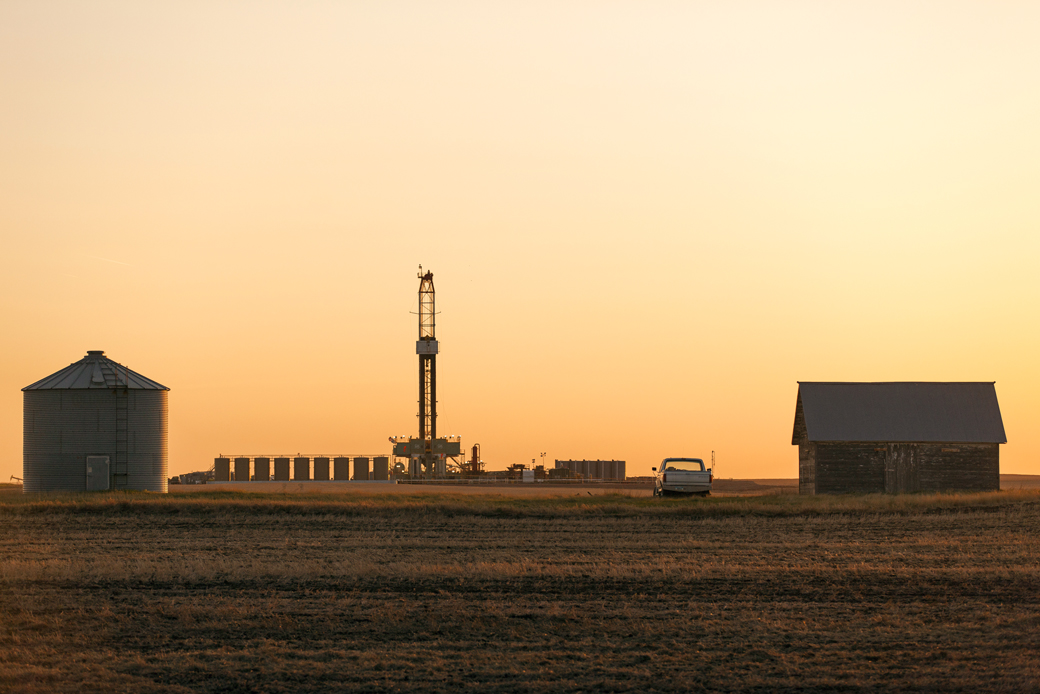
Oil drilling rig in Bakken oilfields of Williams County near Ray, North Dakota.
Pickup (for future use contact contact Gallery Stock, Meredith Kramer 646.753.9912Photograph by Richard Hamilton Smith—Gallery Stock
Add Fortune on Google for similar content.

The recent oil price collapse seems like a replay of a bad 1980s movie that we’ve seen before. If we are not careful, we’ll be doomed to make the same mistakes we made last time, allowing our domestic oil and gas producers to wither, watching energy imports soar, prematurely stunting the growth of alternative fuel sources, and tossing conservation and efficiency by the wayside. If we are smart we’ll seize this opportunity to double-down on good energy policies and support all of our domestic energy producers so that we’re prepared for the next time oil prices spike.

After the energy crises of the 1970s, there was a brief resurgence of domestic energy production through the mid-1980s. Production grew, wages increased, profits soared, and the Rolls Royce dealership in Midland, Texas enjoyed a brisk business. But eventually, with OPEC in disarray, Saudi Arabia made the decision to keep its production high to reclaim lost market share, causing global oil prices to plummet in the span of just a few weeks. Sound familiar?

The scars from the 1970s and 1980s run deep. Competing in a vibrant global market, domestic U.S. oil companies were gutted by cheaper producers around the world. Our production shrank while consumption increased. Imported oil—much of it from countries whose foreign policy goals do not align with ours—filled in the gap. Our domestic oil and gas operators were in the doldrums for over a decade, with a shrinking, aging workforce and declining production.

Oil producers weren’t the only victims. Renewable energy technologies and a cultural mindset of conservation and efficiency got lost too. President Reagan famously removed the solar panels from the roof of the White House, speed limits were increased nationwide, fuel economy standards stagnated, road taxes froze, SUVs grew in popularity, and attitudes about saving energy went the way of bell bottoms. Experimental wind farms and solar panel development slowed down and national R&D funding for energy dropped from a high of $8 billion annually to less than $2 billion.

There are a few reasons why this oil price collapse could be different, but the risks are high that we’ll repeat our prior follies.

In the 1970s and 1980s, oil and natural gas prices were closely correlated: when oil prices went up, so did gas prices. And, oil was a critical part of the power sector. At its peak in the 1970s, oil fueled one-sixth of all the electrical generation. When oil prices fell, so did electricity prices. Early-stage renewables were too expensive and their policy supports were too weak to compete against falling prices, and the renewable power industry came to a screeching halt.

Today the conditions are different. Unlike the 1980s, this time around electricity prices should hold firm despite low oil prices. In parallel, renewable energy prices have dropped dramatically making them much more competitive. Those low prices combined with stronger policy supports mean despite what the price collapse did to renewables in the 1980s, renewables are poised to be just fine this time around.

But we still should not be complacent. Low oil prices present us an opportunity to prepare our energy policy for the long-term.

One of the greatest outcomes of the shale revolution has been the decline in oil imports. It would be a travesty to give up those gains, returning to a place where we depend so heavily on foreign countries for our energy supply. It will be tempting to loosen up on our energy standards for cars, appliances and light bulbs, but we should continue to prioritize them so that consumers are protected from the price spikes that are surely just around the corner. And we can use efficiency to reduce our consumption alongside any production drops that will occur, helping us keep imports at bay.
[fortune-brightcove videoid=4109760626001]

Federal R&D investments should be prioritized to help domestic energy producers cut their costs by improving operational efficiencies, minimizing the energy needs for water management at the drilling pad, and capturing fugitive emissions. These investments achieve economic and environmental benefits while helping us keep our domestic producers competitive in a global market.

Now is also the time to put a price on carbon so that we can use the power of markets to combat climate change. Now is the time to fix our broken Highway Trust Fund, reforming an antiquated “gas tax” to include high-mileage, natural gas, and electric vehicles, charging vehicles based on the actual damage they cause to the roads.

Policies that encourage the use of clean energy options should be retained, as the low prices for oil might spawn a surge in consumption and emissions, reversing years of gains that have been achieved in national energy efficiency and carbon reductions.

We have a chance to learn from the past. We can watch plummeting oil prices set us back decades, or we can be proactive and use this golden opportunity to implement a long-term energy vision that keeps domestic production high and consumption low while meeting national security and environmental objectives such as reduced imports and emissions. The time for sensible energy policy is now.

Michael Webber is deputy director of the Energy Institute at The University of Texas at Austin, where he also serves as co-director of the Clean Energy Incubator and an associate professor of mechanical engineering. He teaches and conducts research on energy and environmental issues.

About the Author
By Michael Webber
See full bioRight Arrow Button Icon
Add Fortune on Google for similar content.

Latest in Commentary

Finance
Lorem ipsum dolor sit amet, consectetur adipiscing elit, sed do eiusmod tempor incididunt ut labore et dolore magna aliqua. Ut enim ad minim veniam
By Fortune Editors
October 20, 2025
Finance
Lorem ipsum dolor sit amet, consectetur adipiscing elit, sed do eiusmod tempor incididunt ut labore et dolore magna aliqua. Ut enim ad minim veniam
By Fortune Editors
October 20, 2025
Finance
Lorem ipsum dolor sit amet, consectetur adipiscing elit, sed do eiusmod tempor incididunt ut labore et dolore magna aliqua. Ut enim ad minim veniam
By Fortune Editors
October 20, 2025
Finance
Lorem ipsum dolor sit amet, consectetur adipiscing elit, sed do eiusmod tempor incididunt ut labore et dolore magna aliqua. Ut enim ad minim veniam
By Fortune Editors
October 20, 2025
Finance
Lorem ipsum dolor sit amet, consectetur adipiscing elit, sed do eiusmod tempor incididunt ut labore et dolore magna aliqua. Ut enim ad minim veniam
By Fortune Editors
October 20, 2025
Finance
Lorem ipsum dolor sit amet, consectetur adipiscing elit, sed do eiusmod tempor incididunt ut labore et dolore magna aliqua. Ut enim ad minim veniam
By Fortune Editors
October 20, 2025

Most Popular

Finance
Lorem ipsum dolor sit amet, consectetur adipiscing elit, sed do eiusmod tempor incididunt ut labore et dolore magna aliqua. Ut enim ad minim veniam
By Fortune Editors
October 20, 2025
Finance
Lorem ipsum dolor sit amet, consectetur adipiscing elit, sed do eiusmod tempor incididunt ut labore et dolore magna aliqua. Ut enim ad minim veniam
By Fortune Editors
October 20, 2025
Finance
Lorem ipsum dolor sit amet, consectetur adipiscing elit, sed do eiusmod tempor incididunt ut labore et dolore magna aliqua. Ut enim ad minim veniam
By Fortune Editors
October 20, 2025
Finance
Lorem ipsum dolor sit amet, consectetur adipiscing elit, sed do eiusmod tempor incididunt ut labore et dolore magna aliqua. Ut enim ad minim veniam
By Fortune Editors
October 20, 2025
Finance
Lorem ipsum dolor sit amet, consectetur adipiscing elit, sed do eiusmod tempor incididunt ut labore et dolore magna aliqua. Ut enim ad minim veniam
By Fortune Editors
October 20, 2025
Finance
Lorem ipsum dolor sit amet, consectetur adipiscing elit, sed do eiusmod tempor incididunt ut labore et dolore magna aliqua. Ut enim ad minim veniam
By Fortune Editors
October 20, 2025
Fortune Secondary Logo
Rankings
  • 100 Best Companies
  • Fortune 500
  • Global 500
  • Fortune 500 Europe
  • Most Powerful Women
  • World's Most Admired Companies
  • See All Rankings
  • Lists Calendar
Sections
  • Finance
  • Fortune Crypto
  • Features
  • Leadership
  • Health
  • Commentary
  • Success
  • Retail
  • Mpw
  • Tech
  • Lifestyle
  • CEO Initiative
  • Asia
  • Politics
  • Conferences
  • Europe
  • Newsletters
  • Personal Finance
  • Environment
  • Magazine
  • Education
Customer Support
  • Frequently Asked Questions
  • Customer Service Portal
  • Privacy Policy
  • Terms Of Use
  • Single Issues For Purchase
  • International Print
Commercial Services
  • Advertising
  • Fortune Brand Studio
  • Fortune Analytics
  • Fortune Conferences
  • Business Development
  • Group Subscriptions
About Us
  • About Us
  • Press Center
  • Work At Fortune
  • Terms And Conditions
  • Site Map
  • About Us
  • Press Center
  • Work At Fortune
  • Terms And Conditions
  • Site Map
  • Facebook icon
  • Twitter icon
  • LinkedIn icon
  • Instagram icon
  • Pinterest icon

Latest in Commentary

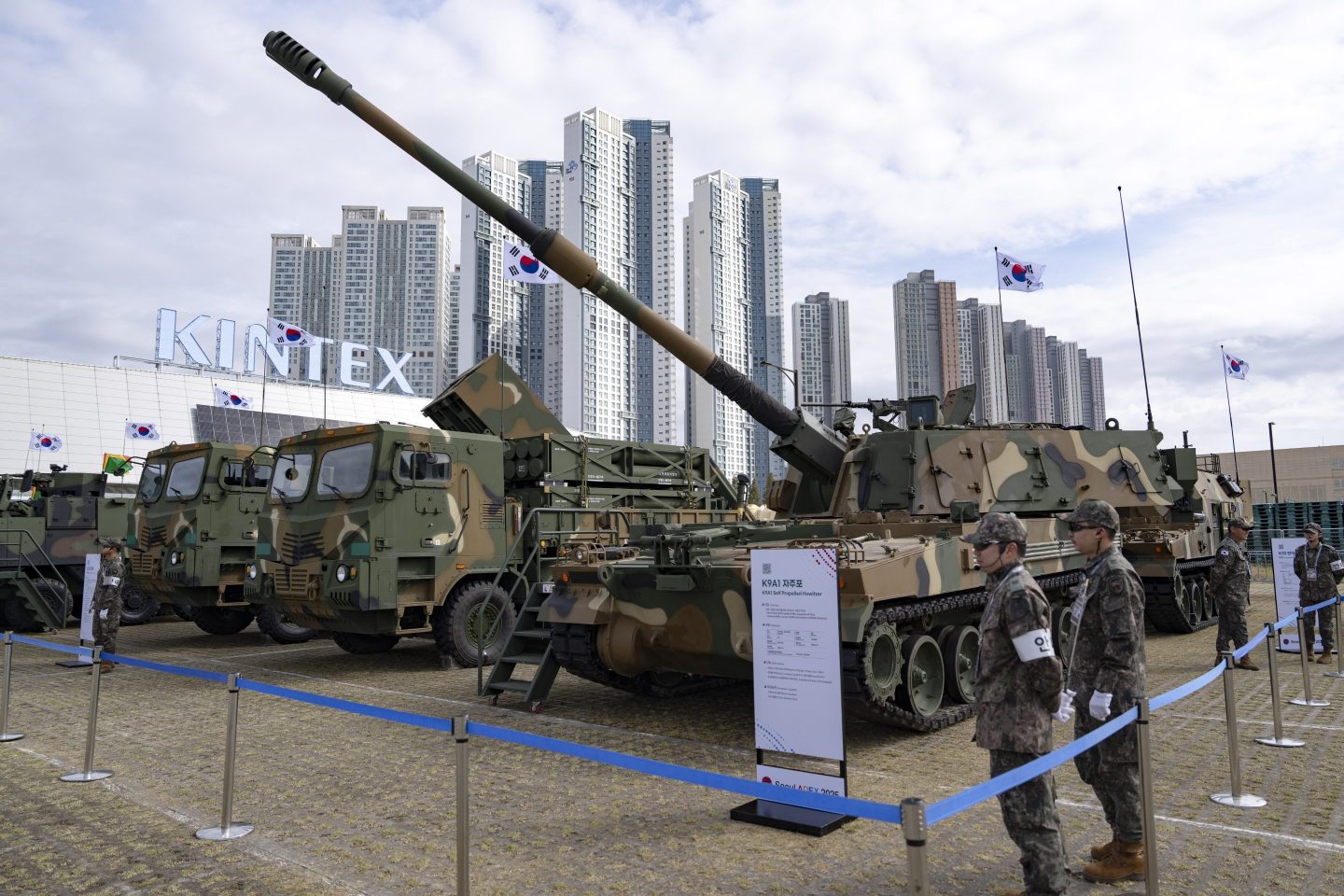
Asia’s defense boom is rewiring the global arms supply chain
Commentaryarms, weapons, and defense
Asia’s defense boom is rewiring the global arms supply chain
By Chris OberoiJune 24, 2026
3 hours ago
steve
Commentary250 Years of Innovation
Steve Case: America was built by entrepreneurs. Here’s how we keep that edge for the next 250 years
By Steve CaseJune 24, 2026
11 hours ago
t
CommentaryWhite House
Trump mistakes the bully pulpit for bullying leadership — history’s villains were never heroes
By Jeffrey Sonnenfeld and Steven TianJune 24, 2026
12 hours ago
mg
CommentaryHealth
The ‘tech neck’ time bomb: why 43 million young Americans could cripple U.S. health care within a generation
By Michael GerlingJune 24, 2026
12 hours ago
sb
Commentaryclimate change
The climate policy triangle: why leaders can no longer choose between growth, security and sustainability
By Sebastian BuckupJune 23, 2026
1 day ago
brett
CommentaryManagement
Middle managers aren’t going extinct—they’re evolving into something more powerful
By Brett HurtJune 23, 2026
1 day ago

Most Popular

After forcing workers back to the office, Goldman Sachs and JPMorgan Chase are now letting their staff work remotely—but only for the World Cup
Success
After forcing workers back to the office, Goldman Sachs and JPMorgan Chase are now letting their staff work remotely—but only for the World Cup
By Orianna Rosa RoyleJune 23, 2026
1 day ago
The Pentagon said Iran War costs $29 billion, but the real cost is closer to $200 billion—and counting
Economy
The Pentagon said Iran War costs $29 billion, but the real cost is closer to $200 billion—and counting
By Jacqueline MunisJune 24, 2026
17 hours ago
Amazon's record Prime Day masks a darker truth: Americans are spending more and getting less
Retail
Amazon's record Prime Day masks a darker truth: Americans are spending more and getting less
By Nick LichtenbergJune 24, 2026
9 hours ago
Ray Dalio just finished a 10-day trip to China. He says global leaders know America 'doesn’t have what it takes to fight to maintain its empire'
Asia
Ray Dalio just finished a 10-day trip to China. He says global leaders know America 'doesn’t have what it takes to fight to maintain its empire'
By Nick LichtenbergJune 24, 2026
10 hours ago
Current price of oil as of June 23, 2026
Personal Finance
Current price of oil as of June 23, 2026
By Joseph HostetlerJune 23, 2026
1 day ago
Current price of gold as of June 23, 2026
Personal Finance
Current price of gold as of June 23, 2026
By Danny BakstJune 23, 2026
1 day ago

© 2026 Fortune Media IP Limited. All Rights Reserved. Use of this site constitutes acceptance of our Terms of Use and Privacy Policy | CA Notice at Collection and Privacy Notice | Do Not Sell/Share My Personal Information
FORTUNE is a trademark of Fortune Media IP Limited, registered in the U.S. and other countries. FORTUNE may receive compensation for some links to products and services on this website. Offers may be subject to change without notice.