• Home
  • Latest
  • Fortune 500
  • Finance
  • Tech
  • Leadership
  • Lifestyle
  • Rankings
  • Multimedia

Trendingnow

1

MacKenzie Scott alone accounted for one-third of America's $19.2 billion in megagifts last year

2

Philanthropy leader at Warren Buffett and Bill Gates’ Giving Pledge says children of billionaires are pushing them to give their wealth away faster

3

Elon Musk on MacKenzie Scott giving away $26 billion of her fortune: 'Sadly,' it makes the world a worse place

1

MacKenzie Scott alone accounted for one-third of America's $19.2 billion in megagifts last year

2

Philanthropy leader at Warren Buffett and Bill Gates’ Giving Pledge says children of billionaires are pushing them to give their wealth away faster

3

Elon Musk on MacKenzie Scott giving away $26 billion of her fortune: 'Sadly,' it makes the world a worse place
LeadershipGreece

Alexis Tsipras’ Great Grexit Gamble

Shawn Tully
By
Shawn Tully
Shawn Tully
Senior Editor-at-Large
Down Arrow Button Icon
Shawn Tully
By
Shawn Tully
Shawn Tully
Senior Editor-at-Large
Down Arrow Button Icon
June 29, 2015, 3:34 PM ET
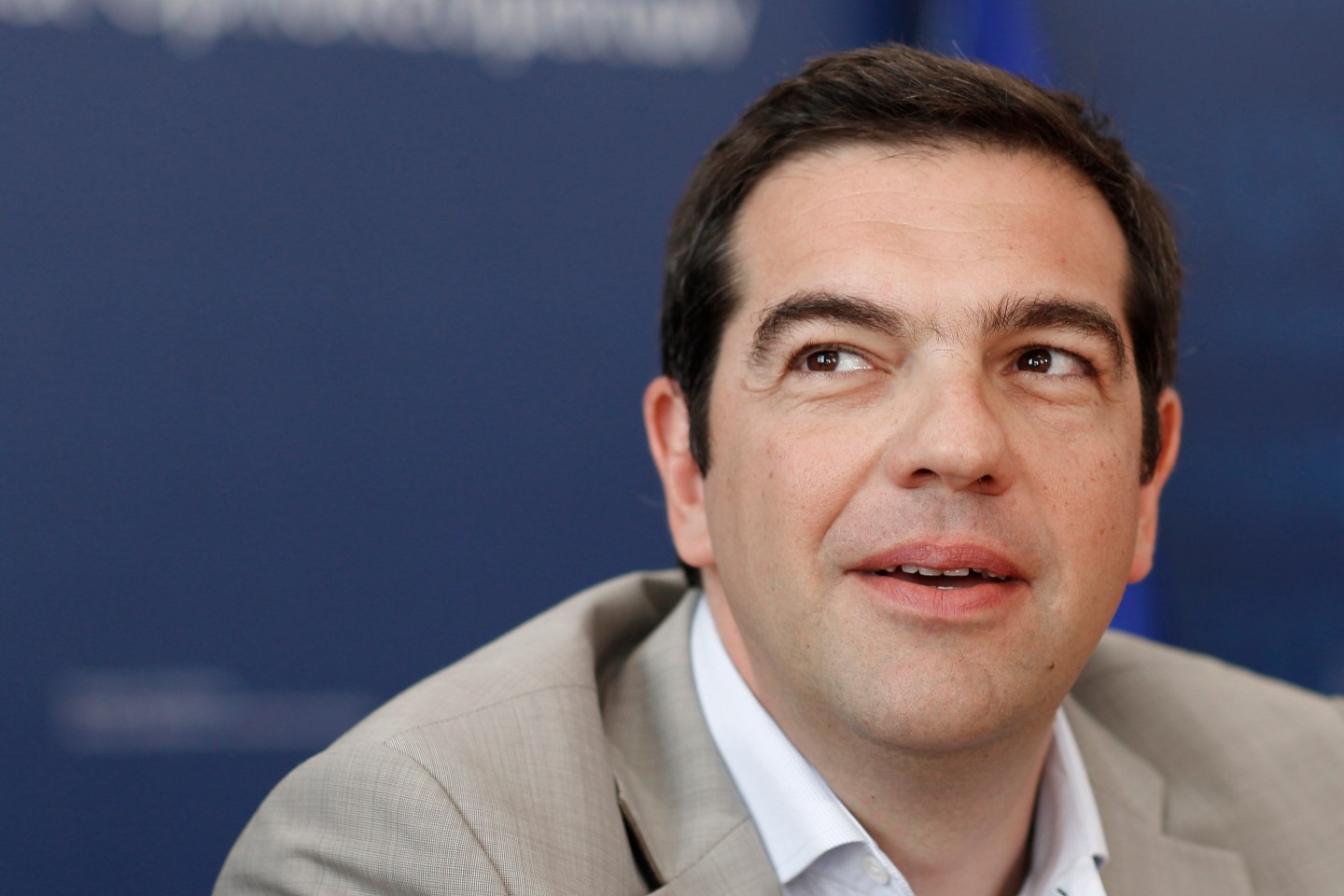
Greek Prime Minister Alexis Tsipras As Deal Talks Intensify
Alexis Tsipras, Greece's prime minister, speaks to the media following a meeting at the Ministry of Culture, Education and Religious Affairs in Athens, Greece, on Tuesday, June 2, 2015. The brinkmanship over Greece's future intensified after Tsipras said his government submitted a new proposal aimed at breaking the stalemate just as creditors set about finalizing theirs. Photographer: Kostas Tsironis/Bloomberg via Getty ImagesPhotograph by Kostas Tsironis — Bloomberg via Getty Images
Add Fortune on Google for similar content.

Greek Prime Minister Alexis Tsipras shocked Europe’s leaders, and shook the world’s financial markets, by taking the issue of how much “austerity” his nation can tolerate directly to the voters. In a televised speech on June 27, Tsipras proposed a referendum asking citizens to endorse or reject what appears to be the lenders’ final offer. The following day, the Parliament backed Tsipras’ plan, scheduling a vote for Sunday, July 5.

Greece’s government forestalled a credit crisis by closing the banks until at least July 6 and limiting individual withdrawals to 60 euros a day. It’s obvious that the banks can’t reopen until Greece reaches, or nearly reaches, a deal with its creditors. With no agreement, depositors will rush to empty their checking and savings accounts, making it impossible for the banks to refinance existing loans or fund new ones.

Tsipras is advocating a “no” vote and reckons if the Greeks obey his fiery call-to-arms, they’ll send a message to heads of state from Lisbon to Berlin that hardship cannot be imposed on a people against their will. That message should draw any reasonable creditor back to the negotiating table with a more flexible, humane set of demands, he reasons.

For the plan to work, German Chancellor Angela Merkel, along with her peers, would need to persuade or overrule the IMF, EU, and their own ministers to embrace Tsipras’ position. This is the solution that Tsiprias has been expecting all along, but hasn’t obtained. The referendum is his ultimate, and perhaps final, pressure tactic for luring Europe’s most powerful to intervene.

Greece’s political leaders contend that they’ve already made huge concessions. Indeed, it’s Greece rather than the lenders who’ve moved most to bridge the gap on spending and deficits. What’s unacceptable, they argue, isn’t the overall targets, but the creditors’ insistence on micro-managing every budget item needed to achieve them.

“The Greek government pretty much capitulated on demands for the ‘primary surplus,’” explains James Galbraith, an economist at the University of Texas and an advisor to the Greek government. In most negotiations, he explains, the debtor nation is given wide flexibility in how it meets those goals. “It’s called ‘equivalent measures,’” he says. The Greeks proposed their preferred set of solutions. They consist of generating budget surpluses mostly through higher taxes on businesses and the wealthy, and through targeted increases in the VAT (value-added tax).

But the lenders demanded that Greece make deep reductions in its pension system. “You’d have to take a swipe at the lowest tier of pensions, for the lowest income people,” says Galbraith. That is the primary hurdle in the current standoff.

On June 25, just five days before the current bailout package expires, the IMF answered the last Greek attempt at compromise—in what the Greeks considered a contemptuous fashion. The Greek government had submitted a five-page proposal covering five policy areas, including goals for taxes and budgets. The IMF added language to the document in red ink, and crossed through rejected items, also in red, then sent the “corrected” version back to the Greeks.

Most of the red ink appears in the “pension reform” section. The IMF added language requiring that “all supplementary pension funds are only financed with contributions,” apparently eliminating subsidies. The IMF also required freezing monthly payments in today’s euros, with no increases for inflation, through 2021.

Those changes were unacceptable to the Greeks, who argued that they’d already capitulated on fiscal targets, but wanted the freedom to chart how to achieve them. “The government essentially agreed to steadily increasing austerity, but wanted to do it through taxes, not pensions,” says Galbraith.

On June 27, Europe’s finance ministers held an emergency meeting. At that conclave, Greek finance chief Yanis Varoufakis requested that the creditors grant Greece a one-month extension on the bailout plan scheduled to expire in three days. The ministers dismissed the request. In his speech to the ministers, Varoufakis insisted that the vote on July 5 is not a referendum on Greece’s membership in the Euro. He said that the idea Greeks are really voting on a Grexit is logical only “if there is an implicit threat that a No from the Greek people to the institutions’ proposal will be followed up by moves to eject Greece, illegally, out of the euro.”

Varoufakis contended that the European treaties make no provision for any member country to leave the common currency. In other words, he is saying if Greece votes no, its citizens will still want to remain in the euro. But if Europe’s leaders refuse to negotiate and a Grexit happens, the blame belongs to the EU, not Greece.

The next day, Tsipras appealed directly to Europe’s heads of state. In a six paragraph letter, he asked each of them to reconsider Greece’s call for a one-month extension. He stated that, “negotiations will recommence on July 6, 2015, with a view to reaching an agreement immediately afterwards in line with a decision of the Greek people.” Merkel quickly rejected Tsipras’ request.

Here is the Tsipras plan: Assuming the Greeks follow his advice and vote “no,” the creditors will respect the will of the people and the talks will resume. Right now, that’s not how Europe’s leaders see it. Their view is that when a borrower defaults, it must do what the creditors demand to get more money, no matter what its voters may want.

So if voters reject the lenders’ program, and heads of state refuse to bend, the banks that closed on Monday will remain shut. The ECB is already declining to extend additional emergency funds to support Greece’s banks. A credit crunch would then force a Grexit. That would allow Greece to recapitalize the banks with newly printed drachmas. Another possibility is that the current crisis will drive the Tsipras government from power, leading to the election of new leaders willing to meet the creditors’ demands, keeping Greece in the Eurozone. Many pro-Tsipras observers think the creditors’ position is orchestrated to dispatch him from power.

Nothing the heads of state or the creditors have done so far signals that the Tsipras plan will work. He’s essentially telling his people that they can spurn their creditors and default on their debt, yet somehow remain as a member the euro community. Sadly, the July 5 vote may be the exercise in democracy no one wanted, a referendum on the common currency after all.

About the Author
Shawn Tully
By Shawn TullySenior Editor-at-Large

Shawn Tully is a senior editor-at-large at Fortune, covering the biggest trends in business, aviation, politics, and leadership.

See full bioRight Arrow Button Icon
Add Fortune on Google for similar content.

Latest in Leadership

Finance
Lorem ipsum dolor sit amet, consectetur adipiscing elit, sed do eiusmod tempor incididunt ut labore et dolore magna aliqua. Ut enim ad minim veniam
By Fortune Editors
October 20, 2025
Finance
Lorem ipsum dolor sit amet, consectetur adipiscing elit, sed do eiusmod tempor incididunt ut labore et dolore magna aliqua. Ut enim ad minim veniam
By Fortune Editors
October 20, 2025
Finance
Lorem ipsum dolor sit amet, consectetur adipiscing elit, sed do eiusmod tempor incididunt ut labore et dolore magna aliqua. Ut enim ad minim veniam
By Fortune Editors
October 20, 2025
Finance
Lorem ipsum dolor sit amet, consectetur adipiscing elit, sed do eiusmod tempor incididunt ut labore et dolore magna aliqua. Ut enim ad minim veniam
By Fortune Editors
October 20, 2025
Finance
Lorem ipsum dolor sit amet, consectetur adipiscing elit, sed do eiusmod tempor incididunt ut labore et dolore magna aliqua. Ut enim ad minim veniam
By Fortune Editors
October 20, 2025
Finance
Lorem ipsum dolor sit amet, consectetur adipiscing elit, sed do eiusmod tempor incididunt ut labore et dolore magna aliqua. Ut enim ad minim veniam
By Fortune Editors
October 20, 2025

Most Popular

Finance
Lorem ipsum dolor sit amet, consectetur adipiscing elit, sed do eiusmod tempor incididunt ut labore et dolore magna aliqua. Ut enim ad minim veniam
By Fortune Editors
October 20, 2025
Finance
Lorem ipsum dolor sit amet, consectetur adipiscing elit, sed do eiusmod tempor incididunt ut labore et dolore magna aliqua. Ut enim ad minim veniam
By Fortune Editors
October 20, 2025
Finance
Lorem ipsum dolor sit amet, consectetur adipiscing elit, sed do eiusmod tempor incididunt ut labore et dolore magna aliqua. Ut enim ad minim veniam
By Fortune Editors
October 20, 2025
Finance
Lorem ipsum dolor sit amet, consectetur adipiscing elit, sed do eiusmod tempor incididunt ut labore et dolore magna aliqua. Ut enim ad minim veniam
By Fortune Editors
October 20, 2025
Finance
Lorem ipsum dolor sit amet, consectetur adipiscing elit, sed do eiusmod tempor incididunt ut labore et dolore magna aliqua. Ut enim ad minim veniam
By Fortune Editors
October 20, 2025
Finance
Lorem ipsum dolor sit amet, consectetur adipiscing elit, sed do eiusmod tempor incididunt ut labore et dolore magna aliqua. Ut enim ad minim veniam
By Fortune Editors
October 20, 2025
Fortune Secondary Logo
Rankings
  • 100 Best Companies
  • Fortune 500
  • Global 500
  • Fortune 500 Europe
  • Most Powerful Women
  • World's Most Admired Companies
  • See All Rankings
  • Lists Calendar
Sections
  • Finance
  • Fortune Crypto
  • Features
  • Leadership
  • Health
  • Commentary
  • Success
  • Retail
  • Mpw
  • Tech
  • Lifestyle
  • CEO Initiative
  • Asia
  • Politics
  • Conferences
  • Europe
  • Newsletters
  • Personal Finance
  • Environment
  • Magazine
  • Education
Customer Support
  • Frequently Asked Questions
  • Customer Service Portal
  • Privacy Policy
  • Terms Of Use
  • Single Issues For Purchase
  • International Print
Commercial Services
  • Advertising
  • Fortune Brand Studio
  • Fortune Analytics
  • Fortune Conferences
  • Business Development
  • Group Subscriptions
About Us
  • About Us
  • Press Center
  • Work At Fortune
  • Terms And Conditions
  • Site Map
  • About Us
  • Press Center
  • Work At Fortune
  • Terms And Conditions
  • Site Map
  • Facebook icon
  • Twitter icon
  • LinkedIn icon
  • Instagram icon
  • Pinterest icon

Latest in Leadership

How foodservice giant Sodexo is embracing AI and robotics to reshape the kitchen
NewslettersCIO Intelligence
How foodservice giant Sodexo is embracing AI and robotics to reshape the kitchen
By John KellJuly 1, 2026
1 hour ago
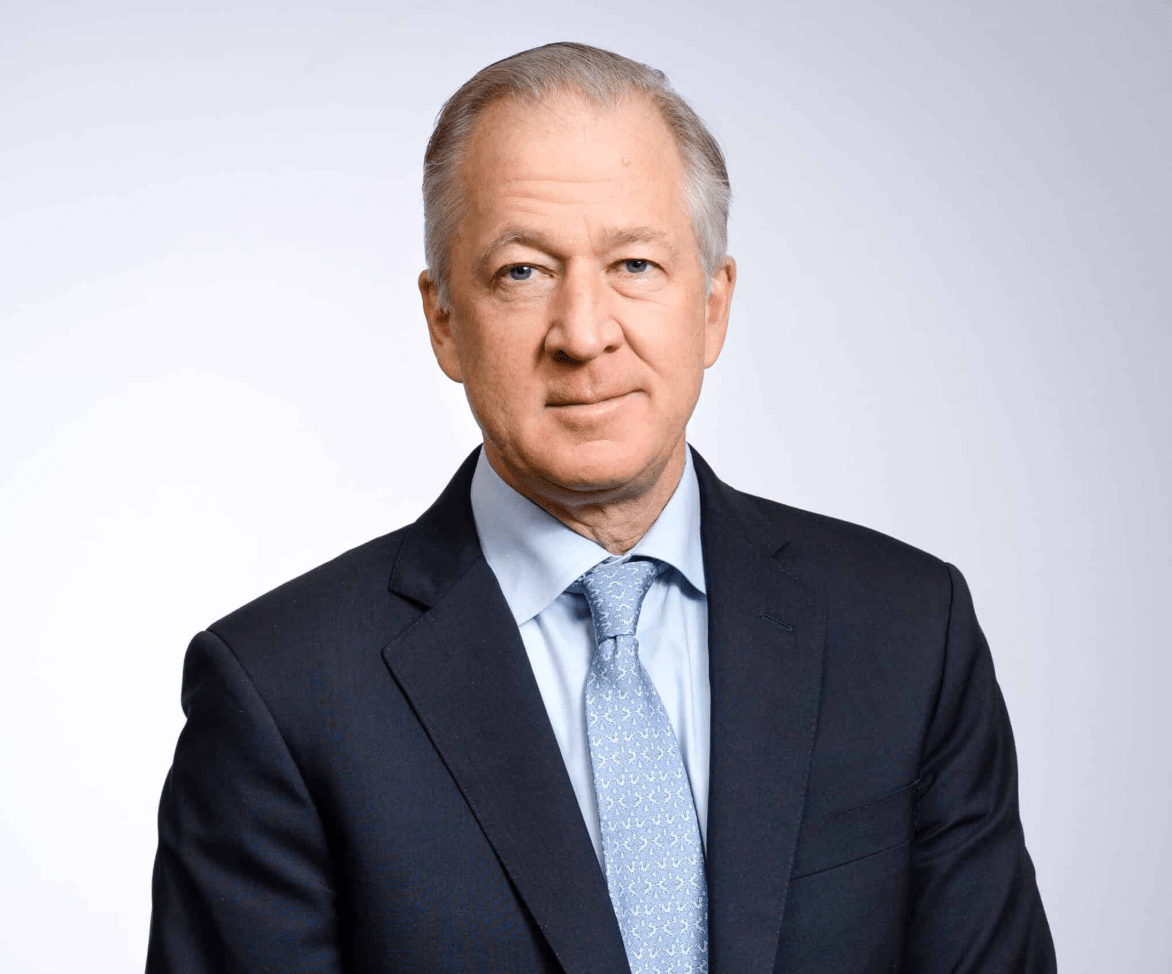
U.S. Polo Assn. CEO J. Michael Prince
SuccessThe Promotion Playbook
U.S. Polo Assn. CEO was told he wasn’t right for a promotion—so he ‘outworked’ anyone else who wanted the job for 6 months straight
By Orianna Rosa RoyleJuly 1, 2026
3 hours ago
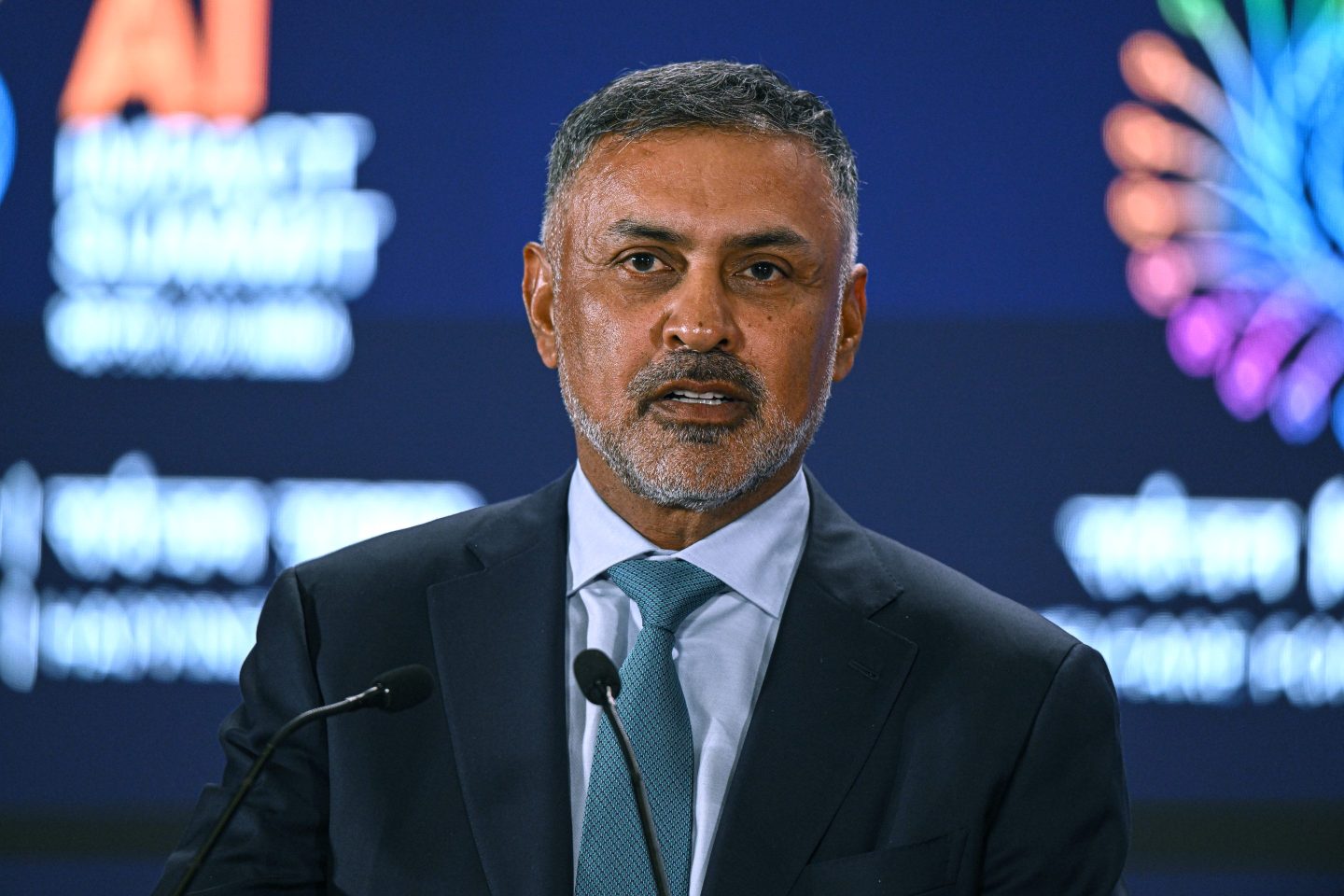
Nikesh Arora, chief executive officer at Palo Alto Networks
SuccessJobs
CEO of $248 billion cybersecurity company says workers are about to face a ‘Darwinian moment’ thanks to AI: Evolve or get cut
By Emma BurleighJuly 1, 2026
3 hours ago
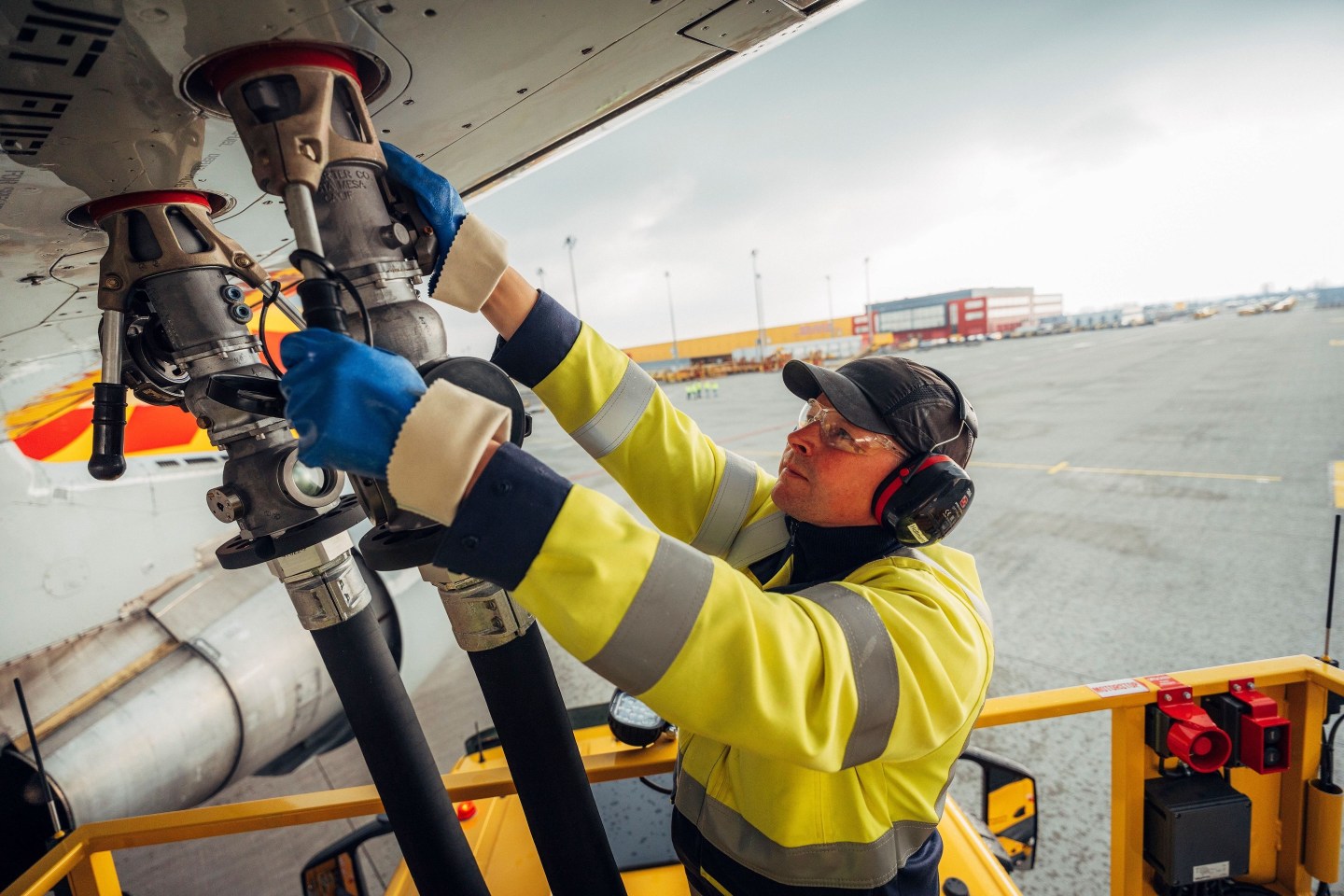
DHL plane being refuelled at airport by man in high-vis jacket
EuropeAviation
The Iran conflict saw jet fuel prices soar—when you use 1.88 million tonnes a year, how you respond really matters (just ask DHL)
By Sam ForsdickJuly 1, 2026
5 hours ago
I know how Gen Z can survive the ‘jobpocalypse’ because I built an AI company — in 2015
CommentaryCareers
I know how Gen Z can survive the ‘jobpocalypse’ because I built an AI company — in 2015
By Jeremy FainJuly 1, 2026
7 hours ago
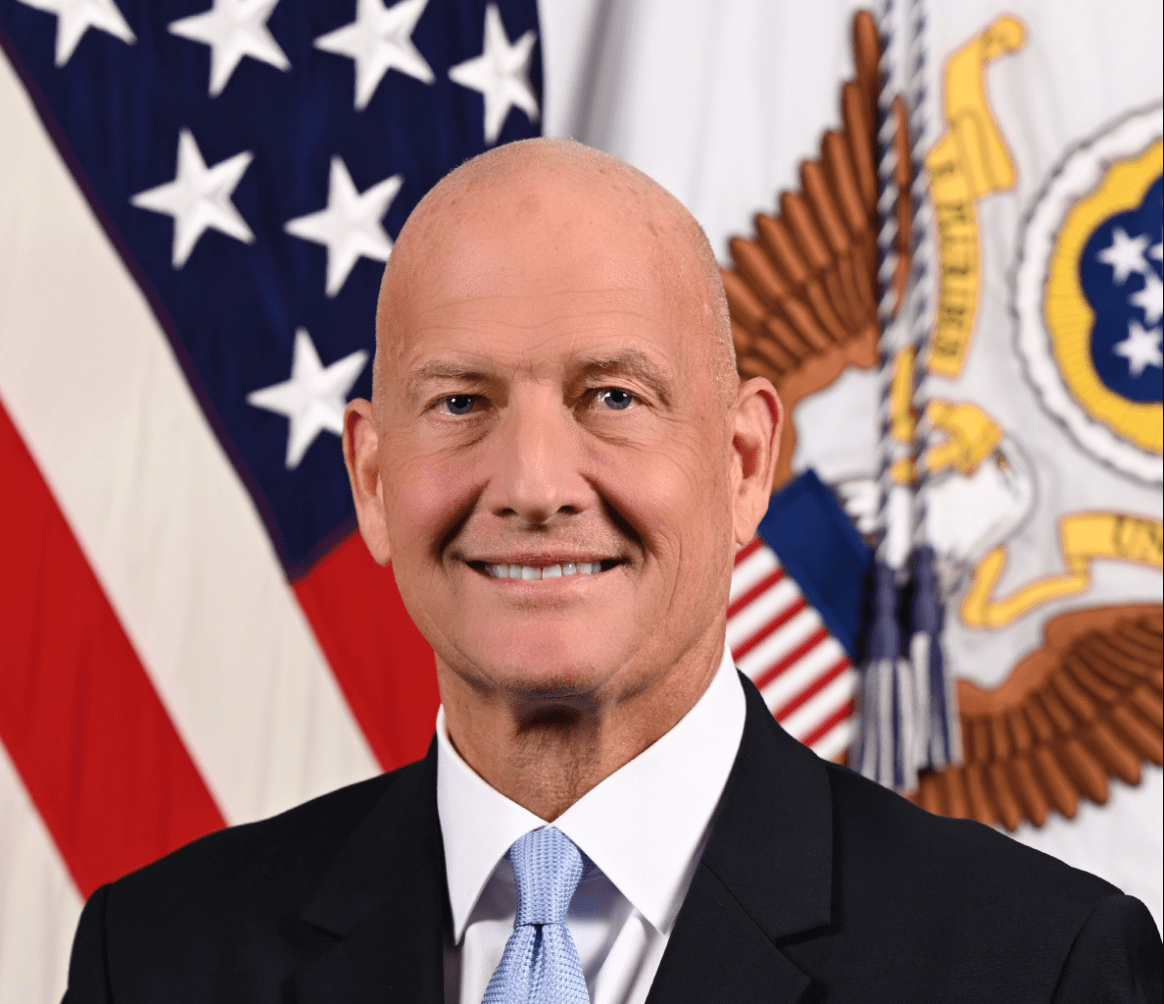
mr
Commentary250 Years of Innovation
America needs 3.8 million manufacturing workers. This CEO has a blueprint to find them
By Mark RayfieldJuly 1, 2026
7 hours ago

Most Popular

MacKenzie Scott alone accounted for one-third of America's $19.2 billion in megagifts last year
Success
MacKenzie Scott alone accounted for one-third of America's $19.2 billion in megagifts last year
By Sydney LakeJune 25, 2026
6 days ago
Philanthropy leader at Warren Buffett and Bill Gates’ Giving Pledge says children of billionaires are pushing them to give their wealth away faster
Success
Philanthropy leader at Warren Buffett and Bill Gates’ Giving Pledge says children of billionaires are pushing them to give their wealth away faster
By Preston ForeJune 27, 2026
4 days ago
Elon Musk on MacKenzie Scott giving away $26 billion of her fortune: 'Sadly,' it makes the world a worse place
Success
Elon Musk on MacKenzie Scott giving away $26 billion of her fortune: 'Sadly,' it makes the world a worse place
By Sydney LakeJune 29, 2026
2 days ago
As Big Tech showers employees with perks to win the talent war, Nvidia built a nearly $5 trillion company by making people pay for their own lunch
Big Tech
As Big Tech showers employees with perks to win the talent war, Nvidia built a nearly $5 trillion company by making people pay for their own lunch
By Marco Quiroz-GutierrezJuly 1, 2026
11 hours ago
The U.S. Army is opening military bases to private billions — here's why that changes everything for the next 250 years
Commentary
The U.S. Army is opening military bases to private billions — here's why that changes everything for the next 250 years
By Marc AndersenJune 30, 2026
1 day ago
The Supreme Court's birthright citizenship ruling hands the U.S. economy a $7.7 trillion win
Newsletters
The Supreme Court's birthright citizenship ruling hands the U.S. economy a $7.7 trillion win
By Diane BradyJuly 1, 2026
9 hours ago

© 2026 Fortune Media IP Limited. All Rights Reserved. Use of this site constitutes acceptance of our Terms of Use and Privacy Policy | CA Notice at Collection and Privacy Notice | Do Not Sell/Share My Personal Information
FORTUNE is a trademark of Fortune Media IP Limited, registered in the U.S. and other countries. FORTUNE may receive compensation for some links to products and services on this website. Offers may be subject to change without notice.