• Home
  • Latest
  • Fortune 500
  • Finance
  • Tech
  • Leadership
  • Lifestyle
  • Rankings
  • Multimedia

Trendingnow

1

As Big Tech showers employees with perks to win the talent war, Nvidia built a nearly $5 trillion company by making people pay for their own lunch

2

MacKenzie Scott alone accounted for one-third of America's $19.2 billion in megagifts last year

3

The Supreme Court's birthright citizenship ruling hands the U.S. economy a $7.7 trillion win

1

As Big Tech showers employees with perks to win the talent war, Nvidia built a nearly $5 trillion company by making people pay for their own lunch

2

MacKenzie Scott alone accounted for one-third of America's $19.2 billion in megagifts last year

3

The Supreme Court's birthright citizenship ruling hands the U.S. economy a $7.7 trillion win
LeadershipCareer Advancement

Why are you working for free?

By
Miya Tokumitsu
Miya Tokumitsu
Down Arrow Button Icon
By
Miya Tokumitsu
Miya Tokumitsu
Down Arrow Button Icon
August 17, 2015, 12:06 PM ET
Photograph by Getty Images
Add Fortune on Google for similar content.

“Follow your passion” is a tenet of faith in career advice, but according to Miya Tokumitsu, it’s a myth that hurts more than helps. In this excerpt from her new book, Do What You Love: And Other Lies About Success and Happiness, she looks at the false promises behind working without a paycheck.

“The best thing you can do is to be positive, happy, and willing to do anything … without complaint.” So reads one of the countless pearls of wisdom for interns rattling around the Web. Other behavioral suggestions for interns include: smiling, saying “thank you,” projecting humility, expressing enthusiasm for simple tasks. The overarching message is, exude cheerful gratitude at all times. Whatever you think of your work or its educational value, act like you love it. Although the duties and compensation for the millions of interns around the globe can vary wildly from institution to institution, one quality that nearly all of them share is that they are a form of temporary work with little or no guarantee of continued employment.

The pay is not great, either, if it exists at all. Ross Perlin estimates that half of the 1 to 2 million interns in America today (a conservative estimate, by his venture) work without pay or for less than the federal minimum wage, when their work is broken down by hour. There currently exist vast numbers of people working for little or no money, and these very people are exhorted to express gratitude and happiness while doing so. It’s worth pausing to consider how very astonishing and yet how very common this situation is. Under capitalism, there is hardly a more perfect figure than the grateful unpaid worker.

What drives so many workers to compete for, and to gladly undertake, such exploitative labor? In a word: hope. In a 2013 study, media scholars Kathleen Kuehn and Thomas F. Corrigan penned the term hope labor, which Kuehn describes as “un- or undercompensated work, often performed in exchange for experience and exposure in hopes that future work will follow.” Hope is a powerful driver of cheap labor because it is internalized by the worker; it is what economist Frédéric Lordon might call an “intrinsic affect.” Other methods of extracting free or underrated labor typically entail external pressures, whether physical, as in prison labor or military conscription, or social, as in office peer pressure to work through lunch and respond to e-mail on weekends. Hope, on the other hand, comes from within.


Initially, Kuehn and Corrigan devised the term hope labor to describe modes of uncompensated work they observed occurring online. Independently, the authors noticed that users of the sports-blogging platform and social media site Sports Blog Nation (SB Nation) and the business review site Yelp happily generated free content for those sites as personal entertainment. However, many of the users also cited hope of future, compensated work as a secondary motivation, even if far-fetched. Perhaps a popular post on SB Nation would lead to paid sports punditry; attractive restaurant photos on Yelp might lead to contract work for a photographer.

Much of this digital labor is directed specifically toward self-branding, Kuehn explained to me. For many “Yelpers,” the utility of a review may be secondary to developing a unique, recognizable online identity associated with their user name. In fact, such free work in the online realm is frequently performed with the aim of projecting employability in the actual world. Thus much of this digital labor takes on an emotional, or affective, dimension. Workers put effort into offering not just samples of their work but also images of themselves as happy, eager, and affable.

The market doesn’t just dangle well-paid, comfortable, apparently enjoyable work before the masses; it very carefully stokes and cultivates their hope. It does this in numerous industries by establishing tiered systems of work. Tiered, or two-track, labor forces abound across sectors from professional sports (minor- vs. major-league athletes) to academia (adjunct vs. tenured or tenure-track faculty) to office work and manufacturing (temporary vs. full-time employees). Workers in the top tiers frequently earn decent salaries, have stable, comfortable working conditions, and enjoy benefits such as premium employee-sponsored health care and paid leave. Bottom-tier workers are a more casual labor force, with contract or part-time schedules, drastically lower earnings, and fewer, if any, benefits or labor protections.

It is hope labor that undergirds the great array of tiered-work structures across the employment landscape. Medical residents, minor-league athletes, adjunct faculty, temp workers, and, of course, interns, in many cases, perform work close to or even identical to that of much better compensated colleagues in the same sectors. While part-time, casual work suits many workers, it’s clear that the majority of these workers strive to enter the top tier and labor in the bottom tier with the expectation that they are at the beginning of a career pathway. Certain bottom-tier workers, including medical residents and trade apprentices, may reasonably expect to graduate into the top tier, and often there is a tangible separation of experience and skill level distinguishing them from top-tier workers, even if they occasionally perform the same tasks.

[fortune-brightcove videoid=4406513587001]


Often, however, relegation to the top or bottom tier is arbitrary. In many cases, bottom-tier workers often bear the same credentials and assume the same risks as their better-paid colleagues. Or, when differences in experience and credentials do exist, they don’t necessarily justify the vast inequality of pay and labor conditions. Are star major-league baseball players, some of whom earn tens of millions of dollars or more, really 1,000 times more talented and enjoyable to watch than most minor-league players? Are adjunct faculty, many of whom bear PhD’s from world-renowned programs and publish articles (and sometimes entire books) with the same top-flight publishers, really only a fraction as valuable as tenure-track faculty doing essentially the same tasks?

Employers have harnessed the full power of free-market competition to exploit human hope in creating labor structures that exploit increasing amounts of workers. A few plum jobs at the top for which increasing numbers of bottom-tier workers compete ever more desperately guarantees a cheap and disempowered workforce overall. They’ve figured out that people won’t throw eighty-mile-per-hour pitches and teach Chaucer to college freshmen for $20,000 per year. They will, however, do it for $20,000 per year plus the hope of performing these tasks on better terms in the future. In fact, hope labor isn’t merely normalized, it’s institutionalized. The realization of “Henry,” one of the interns Perlin writes about in his book Intern Nation: How to Earn Nothing and Learn Little in the Brave New Economy, is surely familiar to scores of job seekers: Henry noticed “every ‘entry-level’ job seemed to require two or three years of experience. ‘How does that work? Where are you supposed to get it?’” he asked.

Whether described as “paying one’s dues” or “proving oneself,” a significant time invested in undercompensated, bottom-tier hopeful work is now a prerequisite for full-time, salaried work in many sectors. Much of the labor force has so internalized this reality that those who bristle at the notion of bottom-tier purgatory and expect full-time jobs directly out of college or graduate programs are considered entitled. Hope is such a powerful ideological tool because, cultivated in specific ways, it facilitates identification with exploitative forces rather than the assertion of one’s own interests.

Excerpted from Do What You Love: And Other Lies About Success and Happiness. Reprinted by arrangement with Regan Arts. Copyright © Miya Tokumitsu, 2015.

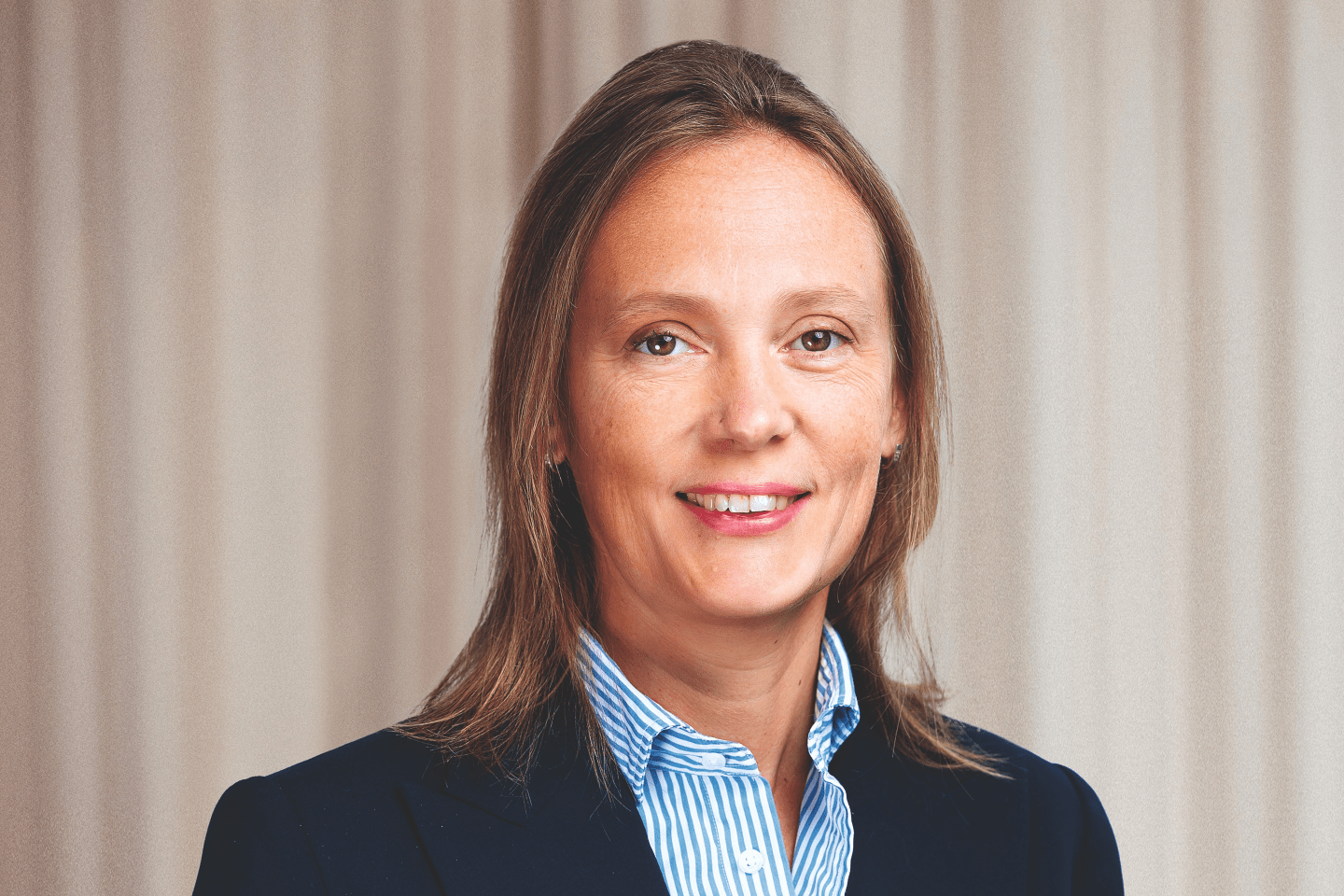
About the Author
By Miya Tokumitsu
See full bioRight Arrow Button Icon
Add Fortune on Google for similar content.

Latest in Leadership

Finance
Lorem ipsum dolor sit amet, consectetur adipiscing elit, sed do eiusmod tempor incididunt ut labore et dolore magna aliqua. Ut enim ad minim veniam
By Fortune Editors
October 20, 2025
Finance
Lorem ipsum dolor sit amet, consectetur adipiscing elit, sed do eiusmod tempor incididunt ut labore et dolore magna aliqua. Ut enim ad minim veniam
By Fortune Editors
October 20, 2025
Finance
Lorem ipsum dolor sit amet, consectetur adipiscing elit, sed do eiusmod tempor incididunt ut labore et dolore magna aliqua. Ut enim ad minim veniam
By Fortune Editors
October 20, 2025
Finance
Lorem ipsum dolor sit amet, consectetur adipiscing elit, sed do eiusmod tempor incididunt ut labore et dolore magna aliqua. Ut enim ad minim veniam
By Fortune Editors
October 20, 2025
Finance
Lorem ipsum dolor sit amet, consectetur adipiscing elit, sed do eiusmod tempor incididunt ut labore et dolore magna aliqua. Ut enim ad minim veniam
By Fortune Editors
October 20, 2025
Finance
Lorem ipsum dolor sit amet, consectetur adipiscing elit, sed do eiusmod tempor incididunt ut labore et dolore magna aliqua. Ut enim ad minim veniam
By Fortune Editors
October 20, 2025

Most Popular

Finance
Lorem ipsum dolor sit amet, consectetur adipiscing elit, sed do eiusmod tempor incididunt ut labore et dolore magna aliqua. Ut enim ad minim veniam
By Fortune Editors
October 20, 2025
Finance
Lorem ipsum dolor sit amet, consectetur adipiscing elit, sed do eiusmod tempor incididunt ut labore et dolore magna aliqua. Ut enim ad minim veniam
By Fortune Editors
October 20, 2025
Finance
Lorem ipsum dolor sit amet, consectetur adipiscing elit, sed do eiusmod tempor incididunt ut labore et dolore magna aliqua. Ut enim ad minim veniam
By Fortune Editors
October 20, 2025
Finance
Lorem ipsum dolor sit amet, consectetur adipiscing elit, sed do eiusmod tempor incididunt ut labore et dolore magna aliqua. Ut enim ad minim veniam
By Fortune Editors
October 20, 2025
Finance
Lorem ipsum dolor sit amet, consectetur adipiscing elit, sed do eiusmod tempor incididunt ut labore et dolore magna aliqua. Ut enim ad minim veniam
By Fortune Editors
October 20, 2025
Finance
Lorem ipsum dolor sit amet, consectetur adipiscing elit, sed do eiusmod tempor incididunt ut labore et dolore magna aliqua. Ut enim ad minim veniam
By Fortune Editors
October 20, 2025
Fortune Secondary Logo
Rankings
  • 100 Best Companies
  • Fortune 500
  • Global 500
  • Fortune 500 Europe
  • Most Powerful Women
  • World's Most Admired Companies
  • See All Rankings
  • Lists Calendar
Sections
  • Finance
  • Fortune Crypto
  • Features
  • Leadership
  • Health
  • Commentary
  • Success
  • Retail
  • Mpw
  • Tech
  • Lifestyle
  • CEO Initiative
  • Asia
  • Politics
  • Conferences
  • Europe
  • Newsletters
  • Personal Finance
  • Environment
  • Magazine
  • Education
Customer Support
  • Frequently Asked Questions
  • Customer Service Portal
  • Privacy Policy
  • Terms Of Use
  • Single Issues For Purchase
  • International Print
Commercial Services
  • Advertising
  • Fortune Brand Studio
  • Fortune Analytics
  • Fortune Conferences
  • Business Development
  • Group Subscriptions
About Us
  • About Us
  • Press Center
  • Work At Fortune
  • Terms And Conditions
  • Site Map
  • About Us
  • Press Center
  • Work At Fortune
  • Terms And Conditions
  • Site Map
  • Facebook icon
  • Twitter icon
  • LinkedIn icon
  • Instagram icon
  • Pinterest icon

Latest in Leadership

Trump’s 927-page disclosure is just a normal Tuesday for direct indexing and crypto wealth managers
InvestingDonald Trump
Trump’s 927-page disclosure is just a normal Tuesday for direct indexing and crypto wealth managers
By Catherina GioinoJuly 1, 2026
7 hours ago
How foodservice giant Sodexo is embracing AI and robotics to reshape the kitchen
NewslettersCIO Intelligence
How foodservice giant Sodexo is embracing AI and robotics to reshape the kitchen
By John KellJuly 1, 2026
13 hours ago
U.S. Polo Assn. CEO J. Michael Prince
SuccessThe Promotion Playbook
U.S. Polo Assn. CEO was told he wasn’t right for a promotion—so he ‘outworked’ anyone else who wanted the job for 6 months straight
By Orianna Rosa RoyleJuly 1, 2026
14 hours ago
Nikesh Arora, chief executive officer at Palo Alto Networks
SuccessJobs
CEO of $248 billion cybersecurity company says workers are about to face a ‘Darwinian moment’ thanks to AI: Evolve or get cut
By Emma BurleighJuly 1, 2026
15 hours ago
DHL plane being refuelled at airport by man in high-vis jacket
EuropeAviation
The Iran conflict saw jet fuel prices soar—when you use 1.88 million tonnes a year, how you respond really matters (just ask DHL)
By Sam ForsdickJuly 1, 2026
17 hours ago
I know how Gen Z can survive the ‘jobpocalypse’ because I built an AI company — in 2015
CommentaryCareers
I know how Gen Z can survive the ‘jobpocalypse’ because I built an AI company — in 2015
By Jeremy FainJuly 1, 2026
19 hours ago

Most Popular

As Big Tech showers employees with perks to win the talent war, Nvidia built a nearly $5 trillion company by making people pay for their own lunch
Big Tech
As Big Tech showers employees with perks to win the talent war, Nvidia built a nearly $5 trillion company by making people pay for their own lunch
By Marco Quiroz-GutierrezJuly 1, 2026
23 hours ago
MacKenzie Scott alone accounted for one-third of America's $19.2 billion in megagifts last year
Success
MacKenzie Scott alone accounted for one-third of America's $19.2 billion in megagifts last year
By Sydney LakeJune 25, 2026
7 days ago
The Supreme Court's birthright citizenship ruling hands the U.S. economy a $7.7 trillion win
Newsletters
The Supreme Court's birthright citizenship ruling hands the U.S. economy a $7.7 trillion win
By Diane BradyJuly 1, 2026
21 hours ago
Current price of oil as of July 1, 2026
Personal Finance
Current price of oil as of July 1, 2026
By Joseph HostetlerJuly 1, 2026
17 hours ago
Philanthropy leader at Warren Buffett and Bill Gates’ Giving Pledge says children of billionaires are pushing them to give their wealth away faster
Success
Philanthropy leader at Warren Buffett and Bill Gates’ Giving Pledge says children of billionaires are pushing them to give their wealth away faster
By Preston ForeJune 27, 2026
5 days ago
Elon Musk on MacKenzie Scott giving away $26 billion of her fortune: 'Sadly,' it makes the world a worse place
Success
Elon Musk on MacKenzie Scott giving away $26 billion of her fortune: 'Sadly,' it makes the world a worse place
By Sydney LakeJune 29, 2026
3 days ago

© 2026 Fortune Media IP Limited. All Rights Reserved. Use of this site constitutes acceptance of our Terms of Use and Privacy Policy | CA Notice at Collection and Privacy Notice | Do Not Sell/Share My Personal Information
FORTUNE is a trademark of Fortune Media IP Limited, registered in the U.S. and other countries. FORTUNE may receive compensation for some links to products and services on this website. Offers may be subject to change without notice.