• Home
  • Latest
  • Fortune 500
  • Finance
  • Tech
  • Leadership
  • Lifestyle
  • Rankings
  • Multimedia

Trendingnow

1

The U.S. spent $30 billion to ditch textbooks for laptops and tablets: The result is the first generation less cognitively capable than their parents

2

Current price of oil as of July 13, 2026

3

Current price of silver as of Monday, July 13, 2026

1

The U.S. spent $30 billion to ditch textbooks for laptops and tablets: The result is the first generation less cognitively capable than their parents

2

Current price of oil as of July 13, 2026

3

Current price of silver as of Monday, July 13, 2026
Tech

Why Memory and Mimicry Are The Next Big Frontiers in Artificial Intelligence

By
Stacey Higginbotham
Stacey Higginbotham
Down Arrow Button Icon
By
Stacey Higginbotham
Stacey Higginbotham
Down Arrow Button Icon
December 4, 2015, 11:03 AM ET
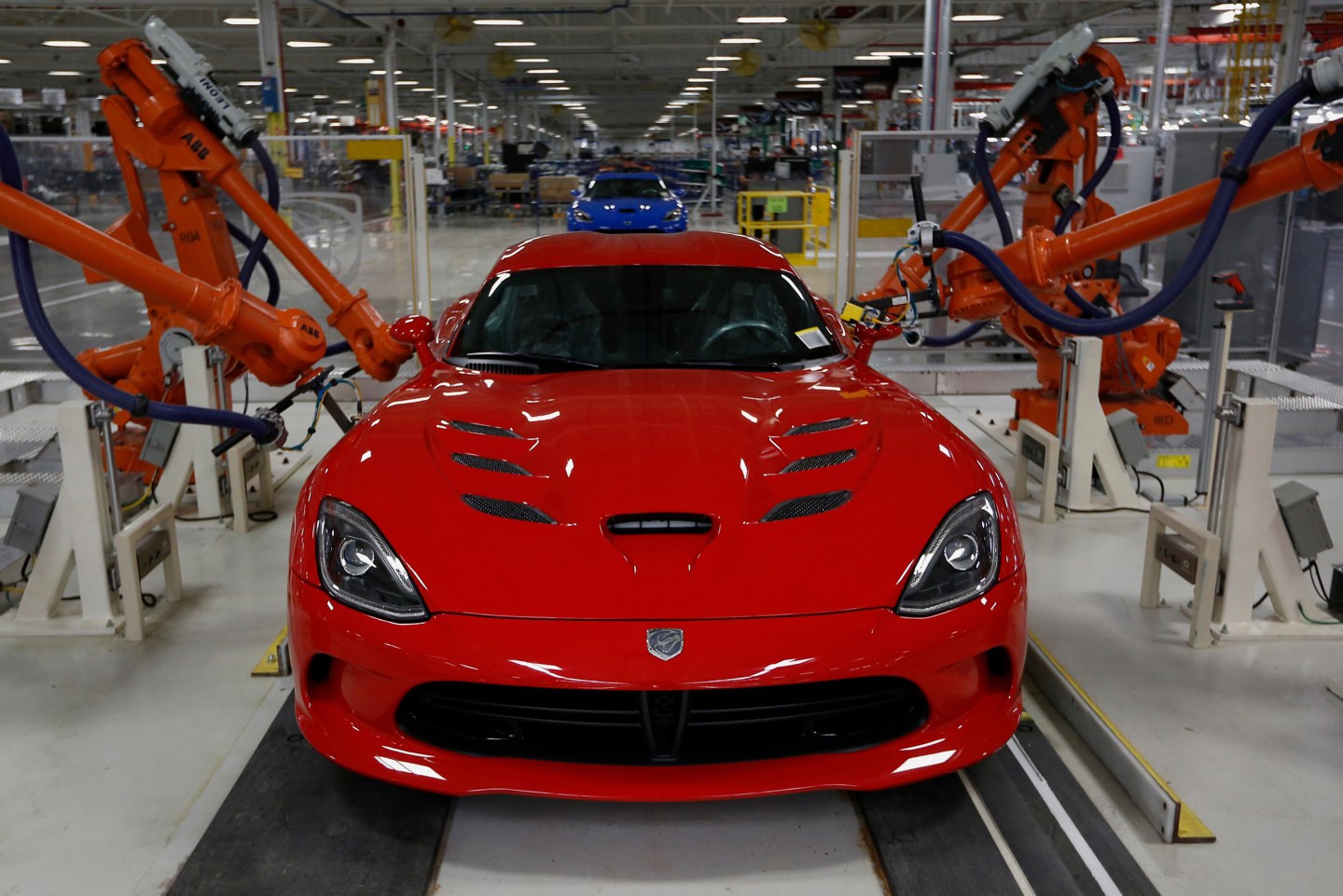
Dodge Viper Production At The FCA US Conner Avenue Assembly Plant
A Fiat Chrysler Automobiles NV 2015 Dodge Viper vehicle is checked by robots on the production line at the FCA US Conner Avenue assembly plant in Detroit, Michigan, U.S., on Friday, May 8, 2015. Fiat Chrysler Automobiles NV sales in the U.S. rose 5.8% for April. Photographer: Jeff Kowalsky/Bloomberg via Getty ImagesBloomberg Bloomberg via Getty Images
Add Fortune on Google for similar content.

For the last five years the effort to teach computers to think more like humans, to learn how to recognize speech and images on their own has been the goal of deep learning. But now tech giants and startups in the industry are turning to new tools believing that deep learning has essentially solved its recognition problem.

In short, computers have figured out facial recognition and how to recognize what you’re saying. They will continue to get better over time, but the algorithms and basic research challenges have mostly been fixed. Microsoft (MSFT) acknowledged as much in regards to natural language recognition in a blog post on Thursday. The new challenge? Helping computers learn to achieve a goal once it has figured out what it is looking at.

This requires two skill sets. Memory and mimicry. Google (GOOG) and Facebook both have made strides in this area throughout the last year or so, and revealed new products that showcased some of their breakthroughs in that area. Facebook (FB) this fall, disclosed that its Memory Nets are helping computers learn like babies do, while Google has come up with a different way to teach computers how to add a sense of time (or memory) to a situation and solve problems. Google recently used these new tools to make its translation products better and create new services, such as its Smart Reply tool that offers up replies for your mobile emails. Google also bought a company called DeepMind that was at the forefront of these efforts.

Meanwhile, on Wednesday a new machine learning startup called Osaro launched with $3.3 million in funding from Peter Thiel, Scott Banister, and Yahoo’s Jerry Yang. The company’s plan is to take what’s called deep reinforcement learning out of research labs and into production.

The idea here is that once a computer can look at a mass of pixels and determine that mass is, for example, a cat without human intervention, what does it do with that information? Or, in the case of your emails, once it knows that a certain jumble of words is asking for an appointment next Thursday, what sorts of replies can it offer?

As Osaro cofounder Derik Pridmore puts it, computers need a policy in order to figure out what comes next. For now, engineers craft that policy or goal by hand, but that’s just not scalable. This is where something called deep reinforcement learning comes in. The idea is to let a computer complete​ an action, then teach it that it was the right thing to do​ when it produces the correct results.

DeepMind, that startup Google recently bought, is the most famous example of deep reinforcement learning in action. The company made waves earlier in the year after teaching its artificial intelligence how to play video games. Teaching the company’s software to recognize what was on a video game screen and then to take actions based on what it encountered required tens of thousands of hours of work, which included the computer taking random actions, analyzing its score and then “learning” what actions made the score go up so it could repeat it over and over again.

Building that type of computer knowledge has been the domain of R&D and most companies leave it there. But Pridmore doesn’t plan to do that with his company. His plan is to build within the year a production system to teach robots how to recognize situations and then take action based on what it sees. “Right now, you might spend $100,000 on a robot that can do one thing and when you want it to do something else you have to retool it,” says Pridmore. “In the future, you will buy your robot and an unskilled or a skilled technicians can show it what to do—or maybe even another robot—and it gets to work.”

That turns Osaro into the provider of more than just algorithms, but something akin to an operating system for industrial robotics. Any robot running the software could theoretically be shown how to perform a task and “learn” from it. What’s even better is the software could use that learned knowledge to then adapt to changes in its environment, within, of course, certain learned parameters. The key is that those parameters are learned, not programmed, which means the robot would be able to adapt to different situations, and that’s pretty significant, especially in a factory setting where conditions can change in unexpected ways.

But to make that happen Osaro needed one more element to fall into place. DeepMind learned to play video games by randomly taking any action it could. This may be fine for video games, but in the real world it could be expensive, time-consuming, and even deadly to have a robot trying to learn by trying every possible action to see what generated a “reward” and what didn’t. So Osaro also wrote algorithms that helps computers learn by mimicking humans.

Osaro isn’t the only group interested in this. DeepMind/Google is, obviously, but so is the University of Washington, which this week released research showing robots learning like children do. The way researchers jump started this type of learning was by teaching robots how to identify a goal and then rewarding them for following humans so they could meet it.

This is called reinforcement learning, and it, plus adding the memory needed for that style of deep learning, will be the next generation of artificial intelligence, according to Sumit Sanyal, CEO of a startup called Minds.ai, a startup that is building hardware for deep learning. “… reinforcement learning is the bleeding edge of this stuff,” he says. “This is the path from weak AI to strong AI.”

For more on artificial intelligence, watch this Fortune video:

Make sure to sign up for Data Sheet, Fortune’s daily newsletter about the business of technology.

 

About the Author
By Stacey Higginbotham
See full bioRight Arrow Button Icon
Add Fortune on Google for similar content.

Latest in Tech

Finance
Lorem ipsum dolor sit amet, consectetur adipiscing elit, sed do eiusmod tempor incididunt ut labore et dolore magna aliqua. Ut enim ad minim veniam
By Fortune Editors
October 20, 2025
Finance
Lorem ipsum dolor sit amet, consectetur adipiscing elit, sed do eiusmod tempor incididunt ut labore et dolore magna aliqua. Ut enim ad minim veniam
By Fortune Editors
October 20, 2025
Finance
Lorem ipsum dolor sit amet, consectetur adipiscing elit, sed do eiusmod tempor incididunt ut labore et dolore magna aliqua. Ut enim ad minim veniam
By Fortune Editors
October 20, 2025
Finance
Lorem ipsum dolor sit amet, consectetur adipiscing elit, sed do eiusmod tempor incididunt ut labore et dolore magna aliqua. Ut enim ad minim veniam
By Fortune Editors
October 20, 2025
Finance
Lorem ipsum dolor sit amet, consectetur adipiscing elit, sed do eiusmod tempor incididunt ut labore et dolore magna aliqua. Ut enim ad minim veniam
By Fortune Editors
October 20, 2025
Finance
Lorem ipsum dolor sit amet, consectetur adipiscing elit, sed do eiusmod tempor incididunt ut labore et dolore magna aliqua. Ut enim ad minim veniam
By Fortune Editors
October 20, 2025

Most Popular

Finance
Lorem ipsum dolor sit amet, consectetur adipiscing elit, sed do eiusmod tempor incididunt ut labore et dolore magna aliqua. Ut enim ad minim veniam
By Fortune Editors
October 20, 2025
Finance
Lorem ipsum dolor sit amet, consectetur adipiscing elit, sed do eiusmod tempor incididunt ut labore et dolore magna aliqua. Ut enim ad minim veniam
By Fortune Editors
October 20, 2025
Finance
Lorem ipsum dolor sit amet, consectetur adipiscing elit, sed do eiusmod tempor incididunt ut labore et dolore magna aliqua. Ut enim ad minim veniam
By Fortune Editors
October 20, 2025
Finance
Lorem ipsum dolor sit amet, consectetur adipiscing elit, sed do eiusmod tempor incididunt ut labore et dolore magna aliqua. Ut enim ad minim veniam
By Fortune Editors
October 20, 2025
Finance
Lorem ipsum dolor sit amet, consectetur adipiscing elit, sed do eiusmod tempor incididunt ut labore et dolore magna aliqua. Ut enim ad minim veniam
By Fortune Editors
October 20, 2025
Finance
Lorem ipsum dolor sit amet, consectetur adipiscing elit, sed do eiusmod tempor incididunt ut labore et dolore magna aliqua. Ut enim ad minim veniam
By Fortune Editors
October 20, 2025
Fortune Secondary Logo
Rankings
  • 100 Best Companies
  • Fortune 500
  • Global 500
  • Fortune 500 Europe
  • Most Powerful Women
  • World's Most Admired Companies
  • See All Rankings
  • Lists Calendar
Sections
  • Finance
  • Fortune Crypto
  • Features
  • Leadership
  • Health
  • Commentary
  • Success
  • Retail
  • Mpw
  • Tech
  • Lifestyle
  • CEO Initiative
  • Asia
  • Politics
  • Conferences
  • Europe
  • Newsletters
  • Personal Finance
  • Environment
  • Magazine
  • Education
Customer Support
  • Frequently Asked Questions
  • Customer Service Portal
  • Privacy Policy
  • Terms Of Use
  • Single Issues For Purchase
  • International Print
Commercial Services
  • Advertising
  • Fortune Brand Studio
  • Fortune Analytics
  • Fortune Conferences
  • Business Development
  • Group Subscriptions
About Us
  • About Us
  • Press Center
  • Work At Fortune
  • Terms And Conditions
  • Site Map
  • About Us
  • Press Center
  • Work At Fortune
  • Terms And Conditions
  • Site Map
  • Facebook icon
  • Twitter icon
  • LinkedIn icon
  • Instagram icon
  • Pinterest icon

Latest in Tech

Jony Ive (left), formerly with Apple and now with OpenAI, standing next to Laurene Powell Jobs, the widow of Apple founder Steve Jobs, at an event in 2022.
AIOpenAI
Stolen laptops, data breaches, secret moles, and recruiting-as-espionage. Here are the wildest claims in Apple’s lawsuit against OpenAI
By Emily ForliniJuly 13, 2026
10 hours ago
Elon Musk and Sam Altman are accusing each other of scamming investors as SpaceX and OpenAI jockey to lead AI revolution
AIBillionaires
Elon Musk and Sam Altman are accusing each other of scamming investors as SpaceX and OpenAI jockey to lead AI revolution
By Marco Quiroz-GutierrezJuly 13, 2026
10 hours ago
u
PoliticsSocial Media
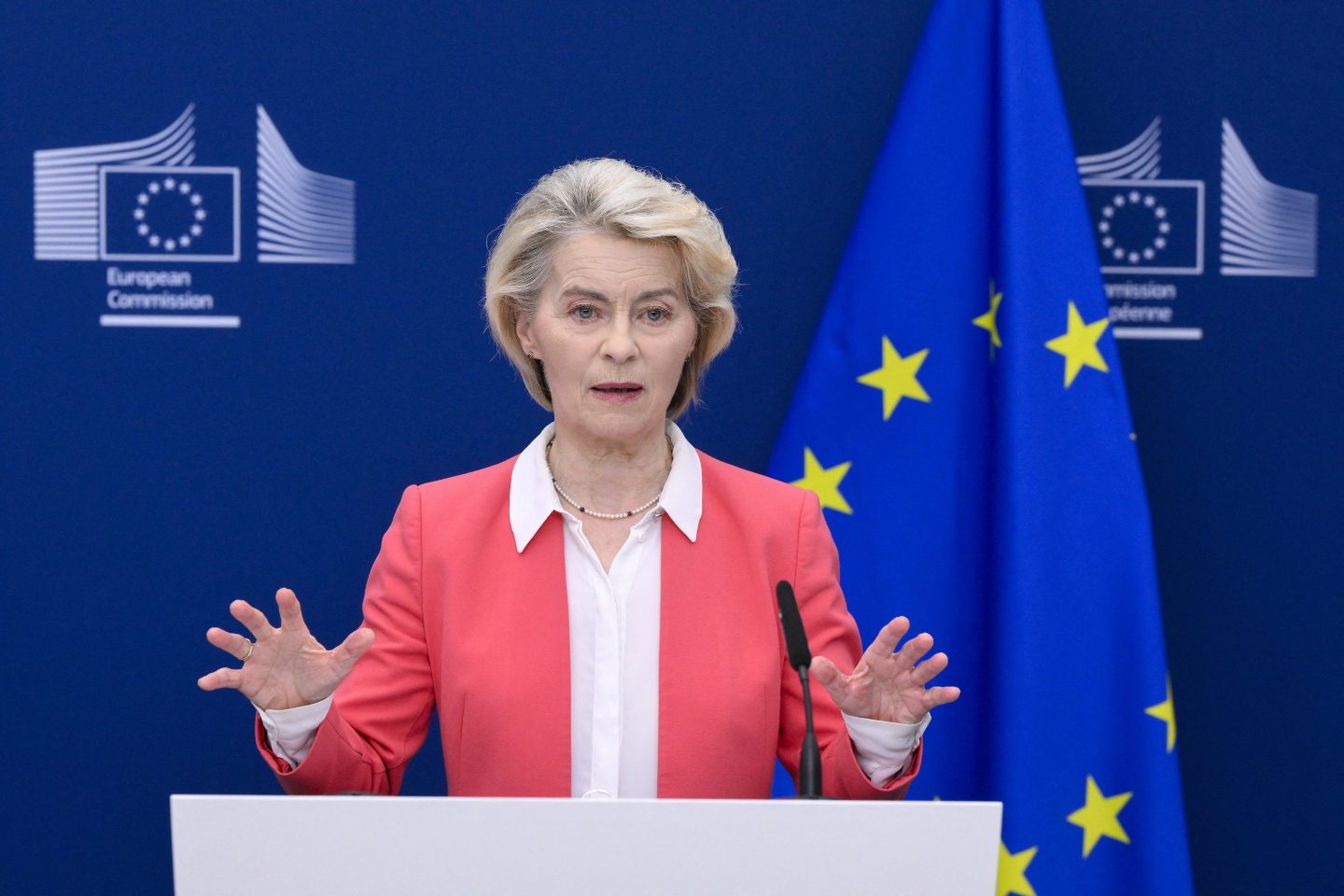
Europe to social media platforms: make yourself safe for kids under 13, somehow
By Lorne Cook, Kelvin Chan and The Associated PressJuly 13, 2026
13 hours ago
Meta’s AI data center cost went from $10 billion to $50 billion in under 2 years—and split the town in two
Big TechMeta
Meta’s AI data center cost went from $10 billion to $50 billion in under 2 years—and split the town in two
By Sydney LakeJuly 13, 2026
13 hours ago
b
CommentaryWorld Cup
Columbia Business School professors: What the Balogun red card can teach us about AI and judgment
By Oded Netzer, Christopher Frank and Paul MagnoneJuly 13, 2026
14 hours ago
‘We are driving in the fog’: Hundreds of economists admit they’re flying blind on AI
Economydisruption
‘We are driving in the fog’: Hundreds of economists admit they’re flying blind on AI
By Nick LichtenbergJuly 13, 2026
16 hours ago

Most Popular

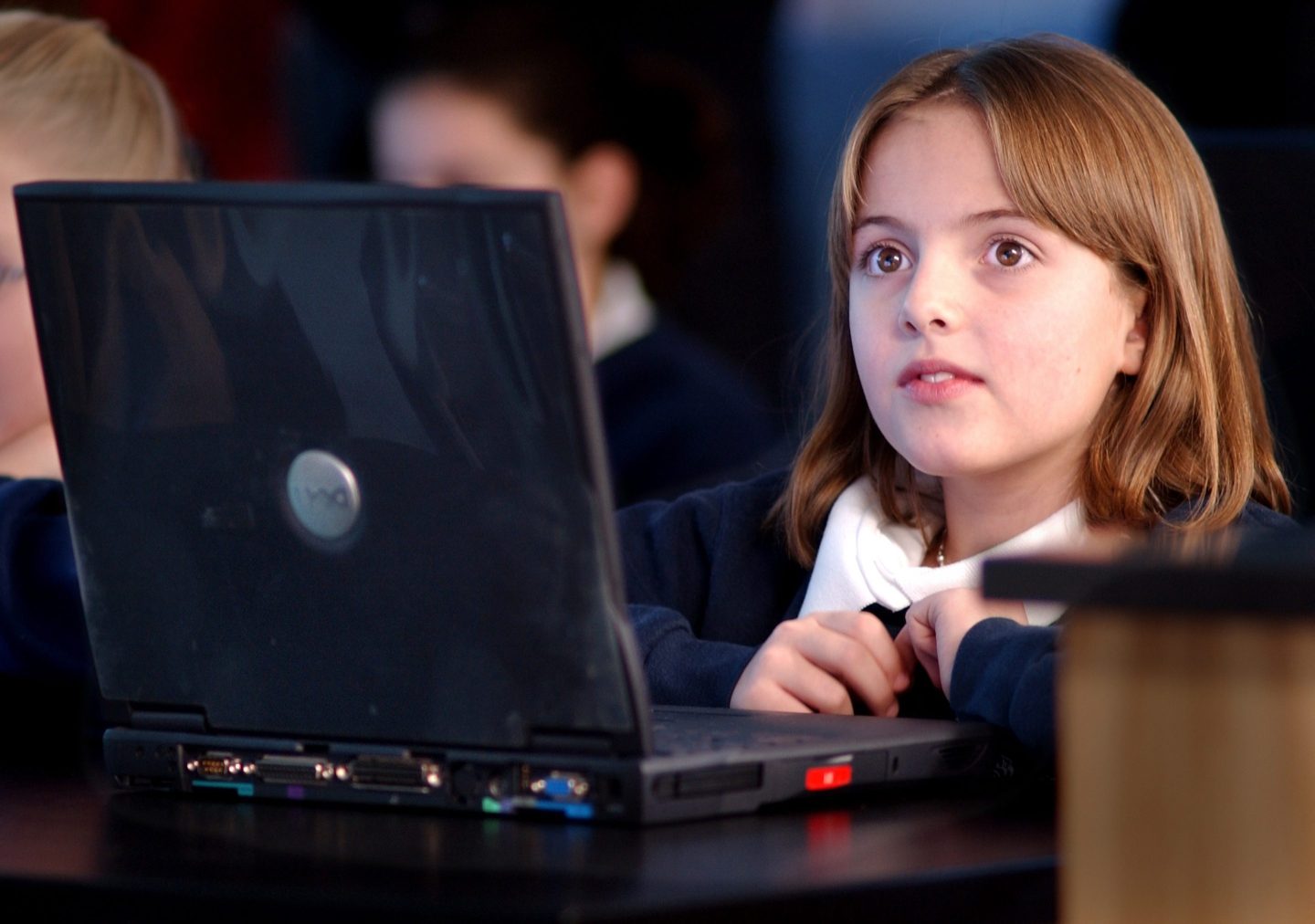
The U.S. spent $30 billion to ditch textbooks for laptops and tablets: The result is the first generation less cognitively capable than their parents
Innovation
The U.S. spent $30 billion to ditch textbooks for laptops and tablets: The result is the first generation less cognitively capable than their parents
By Sasha RogelbergJuly 12, 2026
2 days ago
Current price of oil as of July 13, 2026
Personal Finance
Current price of oil as of July 13, 2026
By Joseph HostetlerJuly 13, 2026
20 hours ago
Current price of silver as of Monday, July 13, 2026
Personal Finance
Current price of silver as of Monday, July 13, 2026
By Joseph HostetlerJuly 13, 2026
20 hours ago
Trump embraces Australian retirement system backed by Larry Fink
Personal Finance
Trump embraces Australian retirement system backed by Larry Fink
By Brianna Sosa and BloombergJuly 12, 2026
1 day ago
How Pete Hegseth's DEI order just put Scouting America's future at stake
North America
How Pete Hegseth's DEI order just put Scouting America's future at stake
By Seth T. Kannarr, Derek H. Alderman and The ConversationJuly 13, 2026
11 hours ago
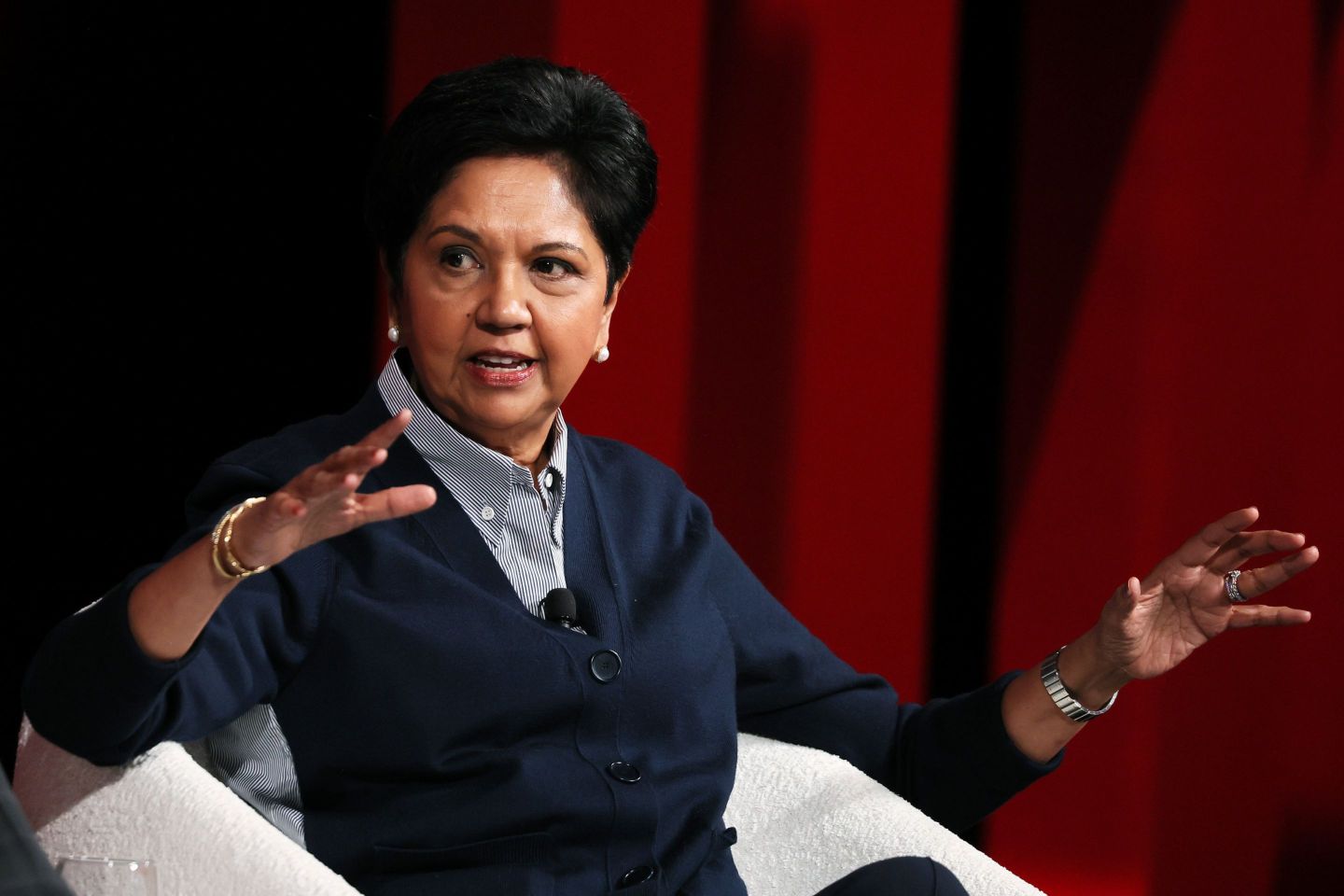
Ex-PepsiCo CEO Indra Nooyi worked from midnight until 5 a.m. as a receptionist to pay for her Yale degree—and she says ‘respect went up’ because of it
Success
Ex-PepsiCo CEO Indra Nooyi worked from midnight until 5 a.m. as a receptionist to pay for her Yale degree—and she says ‘respect went up’ because of it
By Preston ForeJuly 6, 2026
8 days ago

© 2026 Fortune Media IP Limited. All Rights Reserved. Use of this site constitutes acceptance of our Terms of Use and Privacy Policy | CA Notice at Collection and Privacy Notice | Do Not Sell/Share My Personal Information
FORTUNE is a trademark of Fortune Media IP Limited, registered in the U.S. and other countries. FORTUNE may receive compensation for some links to products and services on this website. Offers may be subject to change without notice.