• Home
  • Latest
  • Fortune 500
  • Finance
  • Tech
  • Leadership
  • Lifestyle
  • Rankings
  • Multimedia

Trendingnow

1

MacKenzie Scott alone accounted for one-third of America's $19.2 billion in megagifts last year

2

Philanthropy leader at Warren Buffett and Bill Gates’ Giving Pledge says children of billionaires are pushing them to give their wealth away faster

3

Elon Musk on MacKenzie Scott giving away $26 billion of her fortune: 'Sadly,' it makes the world a worse place

1

MacKenzie Scott alone accounted for one-third of America's $19.2 billion in megagifts last year

2

Philanthropy leader at Warren Buffett and Bill Gates’ Giving Pledge says children of billionaires are pushing them to give their wealth away faster

3

Elon Musk on MacKenzie Scott giving away $26 billion of her fortune: 'Sadly,' it makes the world a worse place
HealthPsychology

How Economic Uncertainty Produces Physical Pain

By
Bidhan L. Parmar
Bidhan L. Parmar
,
Eileen Y. Chou
Eileen Y. Chou
,
Adam Galinsky
Adam Galinsky
,
Jenny M. Abel
Jenny M. Abel
, and
Darden School of Business—Ideas to Action
Down Arrow Button Icon
By
Bidhan L. Parmar
Bidhan L. Parmar
,
Eileen Y. Chou
Eileen Y. Chou
,
Adam Galinsky
Adam Galinsky
,
Jenny M. Abel
Jenny M. Abel
, and
Darden School of Business—Ideas to Action
Down Arrow Button Icon
February 5, 2016, 12:41 PM ET
475158073
Silhouette of businessman in lotus position surrounded by work, love and finance worriesPhotograph by Agent Illustrateur—Getty Images/Ikon Images
Add Fortune on Google for similar content.

Embrace uncertainty — it’s the only surety in life, we’re often told. New research suggests these words may be easier said than done, particularly when it comes to financial uncertainty.

During the Great Recession of 2008, stocks, bank accounts and IRAs weren’t the only things hurting. People were hurting, physically, and more so than usual. That year, Americans spent an estimated $300 billion on painkillers and other pain-related expenses, a 1,000 percent increase over two decades earlier and more than the combined yearly costs of cancer, heart disease or diabetes (based on the Medical Expenditure Panel Survey). Another national survey showed that from 2006 to 2012, painkiller dependence or abuse increased by 50 percent.

Many other data reveal a clear trend: In a world of growing economic uncertainty, physical pain is also on the rise. The question is, are these things causally connected, and if so, why?

Uncertainty Hurts

The human body is a complex system, but through a series of six studies controlled for a host of variables (ranging from age and gender to household income and current employment status), we showed that economic uncertainty appears not only to occur commonly alongside physical pain but to actually produce it. Likewise, economic security leads to less physical pain.

Using data from 33,720 geographically diverse U.S. households, our studies specifically demonstrated that:

  • Personal unemployment predicts greater over-the-counter (OTC) painkiller purchasing/consumption.
  • State-level economic insecurity (as measured by the state’s unemployment rate) predicts greater physical pain among residents.
  • There is in fact a causal connection between economic insecurity and physical pain, confirmed by a study in which we manipulated these two factors and examined their effects on each other. The insecurity may be personal or on a larger-scale level, such as within one’s home state.
  • Economic insecurity leads to reduced pain tolerance.

Losing Control

The idea that humans suffer physical pain during uncertain times — a term now used routinely in connection with the American and global economies — is not too surprising on an intuitive level. Past studies have shown psychological distress and physical pain share similar neural processes, and economic uncertainty clearly produces mental and emotional distress. In addition, previous research has shown the potential for a malicious cycle to begin as a result of economic uncertainty; such a situation can impair physical health as well as cognitive functioning (including decision-making) and thus work against people’s ability to overcome their problems — and, therefore, their pain.

Our research went one step further by identifying the causal link between economic uncertainty and physical pain: an experience of the lack of control. Two of our studies showed that this feeling of losing control is the reason people feel more pain during uncertain financial times. Given our knowledge of anatomy, this finding, again, is not surprising; control is a fundamental human need, and a lack of it is known to activate the amygdala region of the brain, which in turn leads to experiences of anxiety, fear and stress — all detrimental to bodily and mental well-being.

Individuals, managers, and organizations should take heed at this point, for herein lies a call to action: If people can regain some sense of control over their lives — even while uncontrollable economic circumstances persist — physical pain may abate. As a result, not only will vicious personal cycles be stymied, but entire organizations and states, and indeed society as a whole, will benefit.

Implications: Why Pain Matters

Our studies showed that pain caused (primarily) by economic uncertainty afflicts people of any background, socioeconomic level, age, gender and educational level.[1] A C-level executive is as prone as a minimum-wage worker to feel physical pain as a result of uncertain financial circumstances. Thus, this is not the familiar issue of the haves versus the have-nots, but of those who feel their lives are under their control versus those who do not.

Managers and policymakers everywhere should recognize this “painful combination” of financial uncertainty and a lack of control, and its potentially negative effect on citizens and employees: decreased productivity, work quality or creativity — even a failure to reach overarching organizational goals — as workers take more sick leave or come to work in compromised physical (and therefore mental and emotional) states. Workers and whole organizations performing under economically insecure conditions also may be:

  • More likely to cheat or bend the rules (to exert desired control over their situation and thereby mitigate their physical pain)
  • Less likely to want to invest time, energy or resources into new uncertain projects or pursuits, like R&D, even though those areas may also hold the most significant opportunities for a company
  • Less likely to engage in good decision-making — including being willing to consider counter arguments and to examine disconfirming data, which may lead to additional uncertainty in the short run, but at the expense of long-run success and opportunities

In other words, the impact of physical pain reverberates, potentially hurting everyone in an organization, state or country in ways we are only beginning to understand.

Solutions: Restoring Control

As we enter a new year, financial uncertainty is clearly not going away anytime soon. This larger-scale financial unrest is compounded by individual-level insecurities — for example, an annual bonus or long-desired raise that remains in question; looming layoffs; innovations that threaten to eliminate the need for a business altogether; a profession that, by nature, yields an unsteady income level; or increasing costs of health care and insurance. In this context, it behooves managers and policymakers at all levels to find ways to help restore people’s sense of personal control. These interventions need further testing but may include the following:

  • Do more to encourage healthy lifestyle habits, from good nutrition to regular exercise, which not only improve bodily wellness but also foster people’s sense of control over their bodies and lives, thereby weakening the impacts of financial uncertainty.
  • Do more to foster strong, supportive relationships and communities within and outside workplaces (in part, enables people to exert control over their impact in the world).
  • Offer personal finance resources or courses that give people tools to take control of their money and investments, even in small ways (e.g., monthly budgeting, creating a debt-payoff plan).

Of course, people experience pain for many reasons besides, or in addition to, economic uncertainty; our research acknowledges this fact, and realizes that some individual factors, such as clinical depression or anxiety (which may have a genetic basis), need further exploration to determine how they shape the relationship between economic uncertainty and pain.

Overall, our findings confirm the cause of an increasingly prevalent problem and, more importantly, a model for “treatment” that might just put managers and employers in as physically influential a position as their employees’ medical doctors.

Bidhan L. Parmar co-authored “Economic Insecurity Increases Physical Pain,” forthcoming in Psychological Science, with Eileen Y. Chou of the University of Virginia Frank Batten School of Leadership and Public Policy and Adam D. Galinsky of Columbia Business School.

This piece originally appeared on Darden School of Business—Ideas to Action.


[1] Our studies do show less pain among the young, males and those with higher educational levels. Additional research is needed to show how these differences relate to or interact with people’s economic circumstances.


About the Authors
By Bidhan L. Parmar
See full bioRight Arrow Button Icon
By Eileen Y. Chou
See full bioRight Arrow Button Icon
By Adam Galinsky
See full bioRight Arrow Button Icon
By Jenny M. Abel
See full bioRight Arrow Button Icon
By Darden School of Business—Ideas to Action
See full bioRight Arrow Button Icon
Add Fortune on Google for similar content.

Latest in Health

Finance
Lorem ipsum dolor sit amet, consectetur adipiscing elit, sed do eiusmod tempor incididunt ut labore et dolore magna aliqua. Ut enim ad minim veniam
By Fortune Editors
October 20, 2025
Finance
Lorem ipsum dolor sit amet, consectetur adipiscing elit, sed do eiusmod tempor incididunt ut labore et dolore magna aliqua. Ut enim ad minim veniam
By Fortune Editors
October 20, 2025
Finance
Lorem ipsum dolor sit amet, consectetur adipiscing elit, sed do eiusmod tempor incididunt ut labore et dolore magna aliqua. Ut enim ad minim veniam
By Fortune Editors
October 20, 2025
Finance
Lorem ipsum dolor sit amet, consectetur adipiscing elit, sed do eiusmod tempor incididunt ut labore et dolore magna aliqua. Ut enim ad minim veniam
By Fortune Editors
October 20, 2025
Finance
Lorem ipsum dolor sit amet, consectetur adipiscing elit, sed do eiusmod tempor incididunt ut labore et dolore magna aliqua. Ut enim ad minim veniam
By Fortune Editors
October 20, 2025
Finance
Lorem ipsum dolor sit amet, consectetur adipiscing elit, sed do eiusmod tempor incididunt ut labore et dolore magna aliqua. Ut enim ad minim veniam
By Fortune Editors
October 20, 2025

Most Popular

Finance
Lorem ipsum dolor sit amet, consectetur adipiscing elit, sed do eiusmod tempor incididunt ut labore et dolore magna aliqua. Ut enim ad minim veniam
By Fortune Editors
October 20, 2025
Finance
Lorem ipsum dolor sit amet, consectetur adipiscing elit, sed do eiusmod tempor incididunt ut labore et dolore magna aliqua. Ut enim ad minim veniam
By Fortune Editors
October 20, 2025
Finance
Lorem ipsum dolor sit amet, consectetur adipiscing elit, sed do eiusmod tempor incididunt ut labore et dolore magna aliqua. Ut enim ad minim veniam
By Fortune Editors
October 20, 2025
Finance
Lorem ipsum dolor sit amet, consectetur adipiscing elit, sed do eiusmod tempor incididunt ut labore et dolore magna aliqua. Ut enim ad minim veniam
By Fortune Editors
October 20, 2025
Finance
Lorem ipsum dolor sit amet, consectetur adipiscing elit, sed do eiusmod tempor incididunt ut labore et dolore magna aliqua. Ut enim ad minim veniam
By Fortune Editors
October 20, 2025
Finance
Lorem ipsum dolor sit amet, consectetur adipiscing elit, sed do eiusmod tempor incididunt ut labore et dolore magna aliqua. Ut enim ad minim veniam
By Fortune Editors
October 20, 2025
Fortune Secondary Logo
Rankings
  • 100 Best Companies
  • Fortune 500
  • Global 500
  • Fortune 500 Europe
  • Most Powerful Women
  • World's Most Admired Companies
  • See All Rankings
  • Lists Calendar
Sections
  • Finance
  • Fortune Crypto
  • Features
  • Leadership
  • Health
  • Commentary
  • Success
  • Retail
  • Mpw
  • Tech
  • Lifestyle
  • CEO Initiative
  • Asia
  • Politics
  • Conferences
  • Europe
  • Newsletters
  • Personal Finance
  • Environment
  • Magazine
  • Education
Customer Support
  • Frequently Asked Questions
  • Customer Service Portal
  • Privacy Policy
  • Terms Of Use
  • Single Issues For Purchase
  • International Print
Commercial Services
  • Advertising
  • Fortune Brand Studio
  • Fortune Analytics
  • Fortune Conferences
  • Business Development
  • Group Subscriptions
About Us
  • About Us
  • Press Center
  • Work At Fortune
  • Terms And Conditions
  • Site Map
  • About Us
  • Press Center
  • Work At Fortune
  • Terms And Conditions
  • Site Map
  • Facebook icon
  • Twitter icon
  • LinkedIn icon
  • Instagram icon
  • Pinterest icon

Latest in Health

kean
PoliticsCongress
Tom Kean discloses depression diagnosis behind 4-month absence from Congress: ‘until you experience it yourself, it is difficult to fully understand’
By Mike Catalini, Joey Cappelletti and The Associated PressJune 30, 2026
23 hours ago
‘Cop on your wrist’: Wearables offer tons of data, but people are still going to sleep to Netflix and TikTok
HealthBrainstorm Tech
‘Cop on your wrist’: Wearables offer tons of data, but people are still going to sleep to Netflix and TikTok
By Amanda GerutJune 29, 2026
2 days ago
usa
EnvironmentHeat
Long and dangerous heat wave to roast America from Dallas to New York through July 4th holiday
By Marc Levy and The Associated PressJune 29, 2026
2 days ago
France suffers 1,000 additional deaths in just the past week amid record heat wave—and 85% involved people aged 65 and above
EuropeWeather and forecasting
France suffers 1,000 additional deaths in just the past week amid record heat wave—and 85% involved people aged 65 and above
By Kirsten Grieshaber, John Leicester and The Associated PressJune 28, 2026
3 days ago
Peter Rahal speaks on stage in front of a black and purple background.
RetailFood and drink
David Protein CEO says ‘diet trends are over’ because of GLP-1s: ‘What’s next is really hard to predict’
By Sasha RogelbergJune 28, 2026
3 days ago
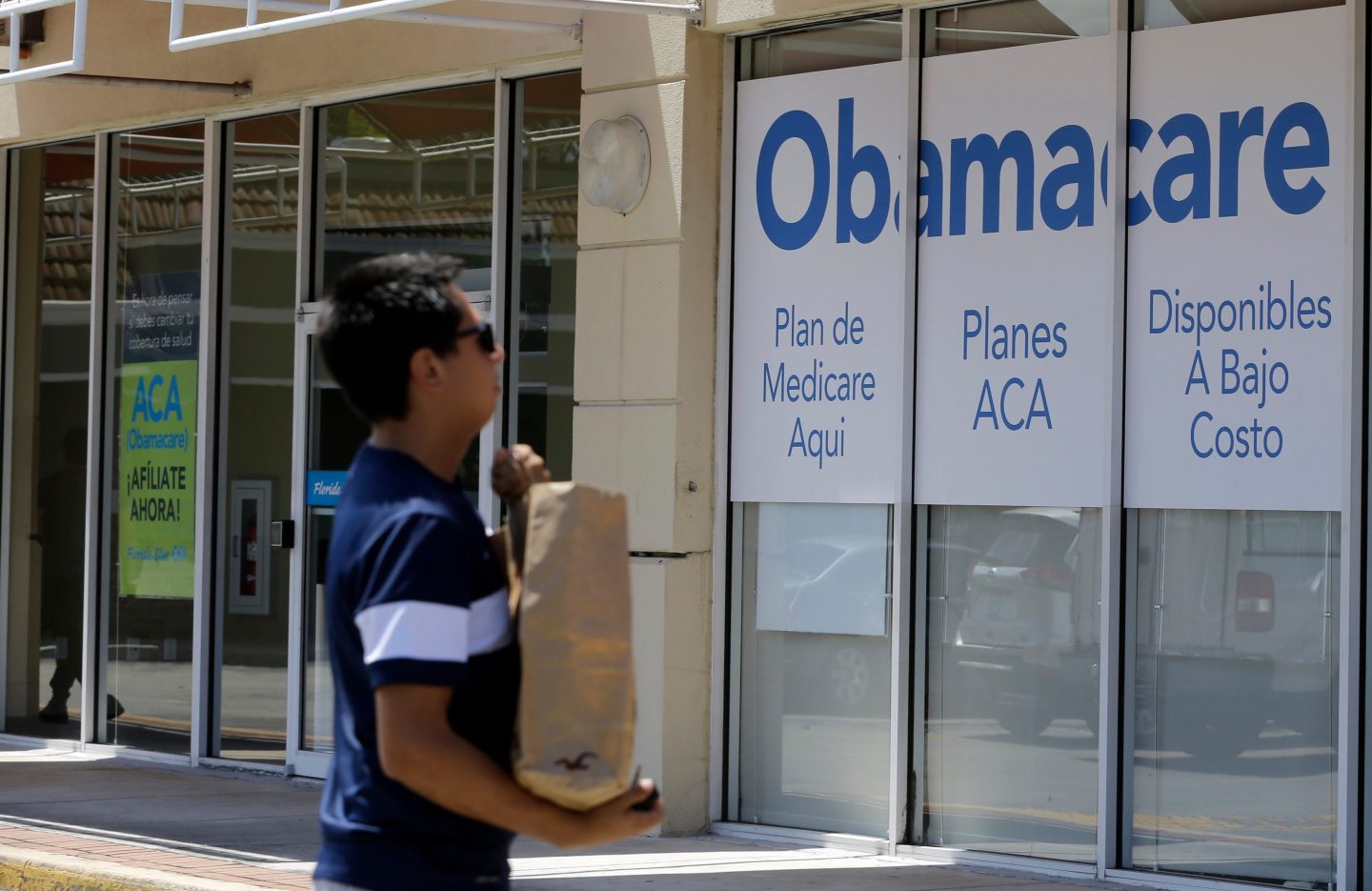
What 3 million Americans quitting Obamacare shows: Republicans couldn’t repeal it, so they made it unaffordable
HealthHealth Insurance
What 3 million Americans quitting Obamacare shows: Republicans couldn’t repeal it, so they made it unaffordable
By Ali Swenson and The Associated PressJune 27, 2026
4 days ago

Most Popular

MacKenzie Scott alone accounted for one-third of America's $19.2 billion in megagifts last year
Success
MacKenzie Scott alone accounted for one-third of America's $19.2 billion in megagifts last year
By Sydney LakeJune 25, 2026
6 days ago
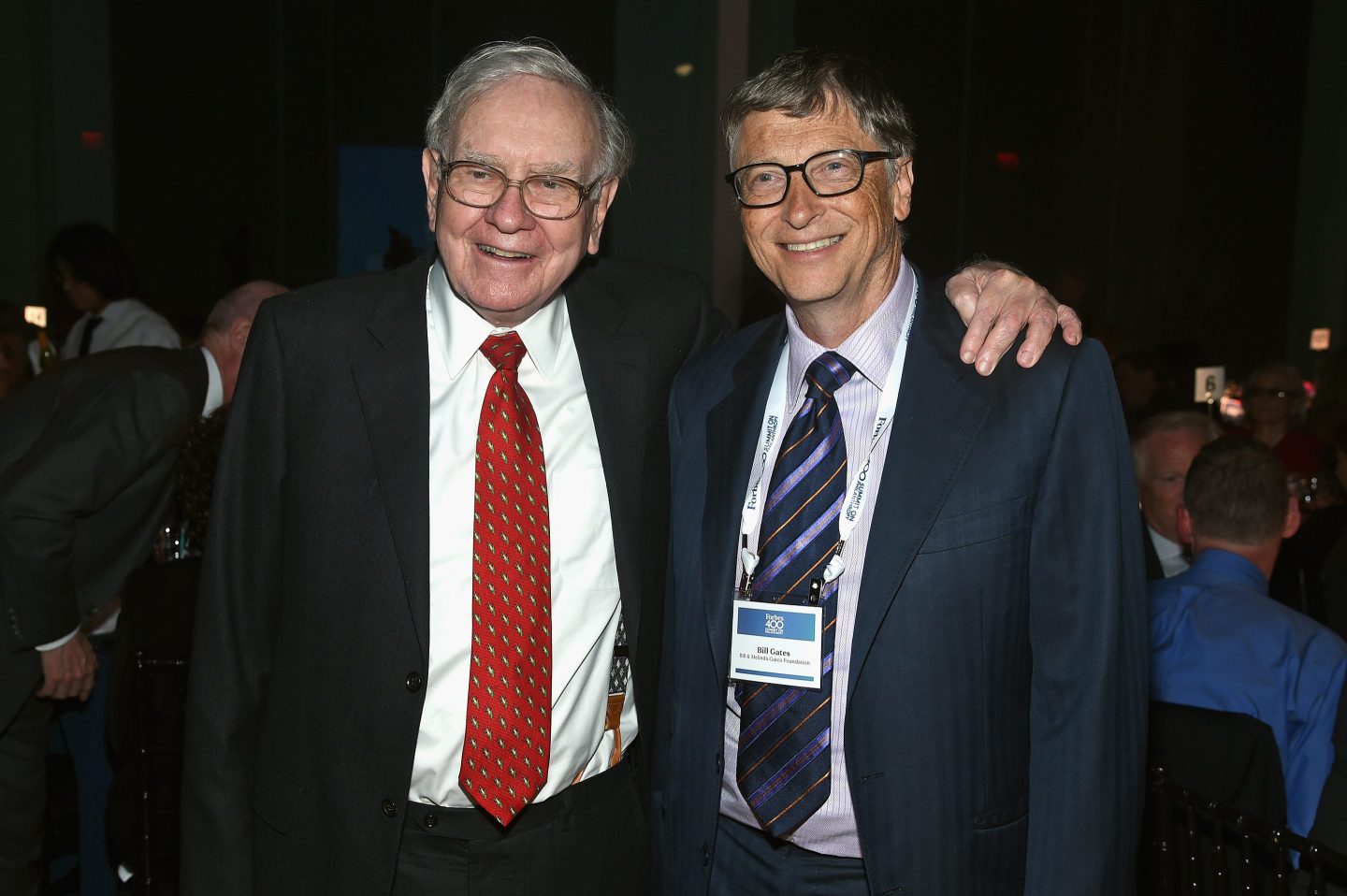
Philanthropy leader at Warren Buffett and Bill Gates’ Giving Pledge says children of billionaires are pushing them to give their wealth away faster
Success
Philanthropy leader at Warren Buffett and Bill Gates’ Giving Pledge says children of billionaires are pushing them to give their wealth away faster
By Preston ForeJune 27, 2026
4 days ago
Elon Musk on MacKenzie Scott giving away $26 billion of her fortune: 'Sadly,' it makes the world a worse place
Success
Elon Musk on MacKenzie Scott giving away $26 billion of her fortune: 'Sadly,' it makes the world a worse place
By Sydney LakeJune 29, 2026
2 days ago
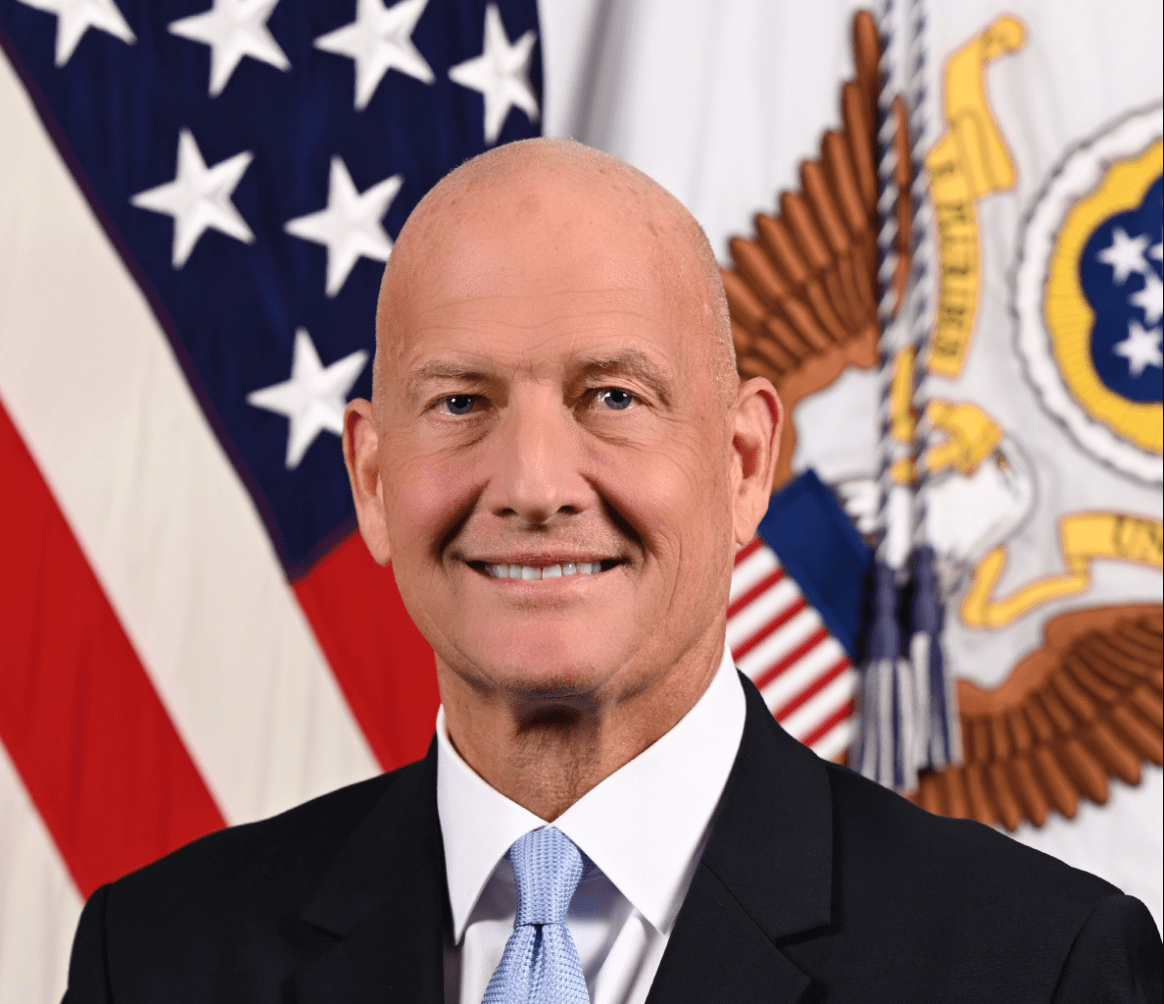
The U.S. Army is opening military bases to private billions — here's why that changes everything for the next 250 years
Commentary
The U.S. Army is opening military bases to private billions — here's why that changes everything for the next 250 years
By Marc AndersenJune 30, 2026
1 day ago
Current price of oil as of June 30 2026
Personal Finance
Current price of oil as of June 30 2026
By Joseph HostetlerJune 30, 2026
1 day ago
As Big Tech showers employees with perks to win the talent war, Nvidia built a nearly $5 trillion company by making people pay for their own lunch
Big Tech
As Big Tech showers employees with perks to win the talent war, Nvidia built a nearly $5 trillion company by making people pay for their own lunch
By Marco Quiroz-GutierrezJuly 1, 2026
9 hours ago

© 2026 Fortune Media IP Limited. All Rights Reserved. Use of this site constitutes acceptance of our Terms of Use and Privacy Policy | CA Notice at Collection and Privacy Notice | Do Not Sell/Share My Personal Information
FORTUNE is a trademark of Fortune Media IP Limited, registered in the U.S. and other countries. FORTUNE may receive compensation for some links to products and services on this website. Offers may be subject to change without notice.