• Home
  • Latest
  • Fortune 500
  • Finance
  • Tech
  • Leadership
  • Lifestyle
  • Rankings
  • Multimedia

Trendingnow

1

The U.S. spent $30 billion to ditch textbooks for laptops and tablets: The result is the first generation less cognitively capable than their parents

2

Current price of oil as of July 13, 2026

3

Current price of silver as of Monday, July 13, 2026

1

The U.S. spent $30 billion to ditch textbooks for laptops and tablets: The result is the first generation less cognitively capable than their parents

2

Current price of oil as of July 13, 2026

3

Current price of silver as of Monday, July 13, 2026
Leadershipcustomers

Here’s How to Crack the Code on Your Customers’ Behavior

By
Bob Nease
Bob Nease
Down Arrow Button Icon
By
Bob Nease
Bob Nease
Down Arrow Button Icon
February 14, 2016, 11:00 AM ET
Courtesy of Harper Business, an imprint of HarperCollins Publishers.
Add Fortune on Google for similar content.

By Bob Nease

In an effort to explain a fundamental tenet of physics, Albert Einstein is quoted as saying, “Nothing happens until something moves.” A similar truth holds about our organizations: nothing happens until someone does something. And this is especially true when that someone is a customer and that something is buying your product or service.

Marketers, salespeople, leaders, and managers are all, either directly or indirectly, in the behavior-change business. And although we all belong to organizations that now sit firmly in the 21st century, most of our approaches to consumer-behavior change are stuck just as firmly in the past. When it comes to behavior, most of us are barking up the wrong tree. That’s because our efforts rest on a faulty assumption: that bad behaviors are the result of misplaced intentions, and that behavior change happens when we change intentions.

Nothing could be farther from the truth.

The new science of behavior change rests on a key insight about the way our brains are built. Each of our brains process about 10 million bits of information each second – a through-put on par with the original Ethernet cable. But the conscious, deliberate, decision-making part of our brains – our minds – run at a measly 50 bits per second. This means that our brains are pretty much wired for inattention and inertia. As a result, consumers point their scarce 50 bits at things that are either immediately pressing or pleasurable, and let the rest slide. Over time, this creates a gap between what they want to do were they to stop and think about it, and what they actually do.

This “intent / behavior gap” explains why our old attempts at change changing consumer behavior – fancier marketing campaigns and periodic price cuts – all too often lead to such modest results. Bad behaviors don’t stem from bad intentions that people act upon; instead, they result from good intentions that lay dormant. That’s why efforts at changing underlying intentions don’t work. Bad intentions aren’t the problem. Instead, we need to pursue strategies that activate the pre-existing good intentions that most of our customers already have.

In other words, there are a lot of potential customers out there who are interested in and willing to buy our products and services, but those desires simply don’t rise to the point of action. Their scant 50 bits are spread far too thin.

One organization that figured how to tap this latent demand is PetSmart Charities, the not-for-profit arm of PetSmart, the pet supply retailer. From 2007 to 2011, individual contributions nationwide sagged 3%. But during the same period, individual contributions to PetSmart Charities rocketed up by 85%. The secret to their success is found in their point-of-sale system. Smack dab in the middle of the checkout process, after the customer swipes their credit card but before they authorize the charges, the screen asks, “Donate to help save homeless pets?” And donate they do.

By requiring customers to say whether or not they wanted to donate, PetSmart Charities turned the old-school assumption of behavior change upside down: instead of seeking to change customers’ behaviors by educating them about the importance of caring for stray animals, fiddling with incentives (e.g., offering a discount to those making donations), or downright cajoling – approaches that are well-worn and familiar but rarely lead to breakthrough results – PetSmart designers simply stopped people and demanded their 50 bits long enough to bring customers’ good intentions to light.

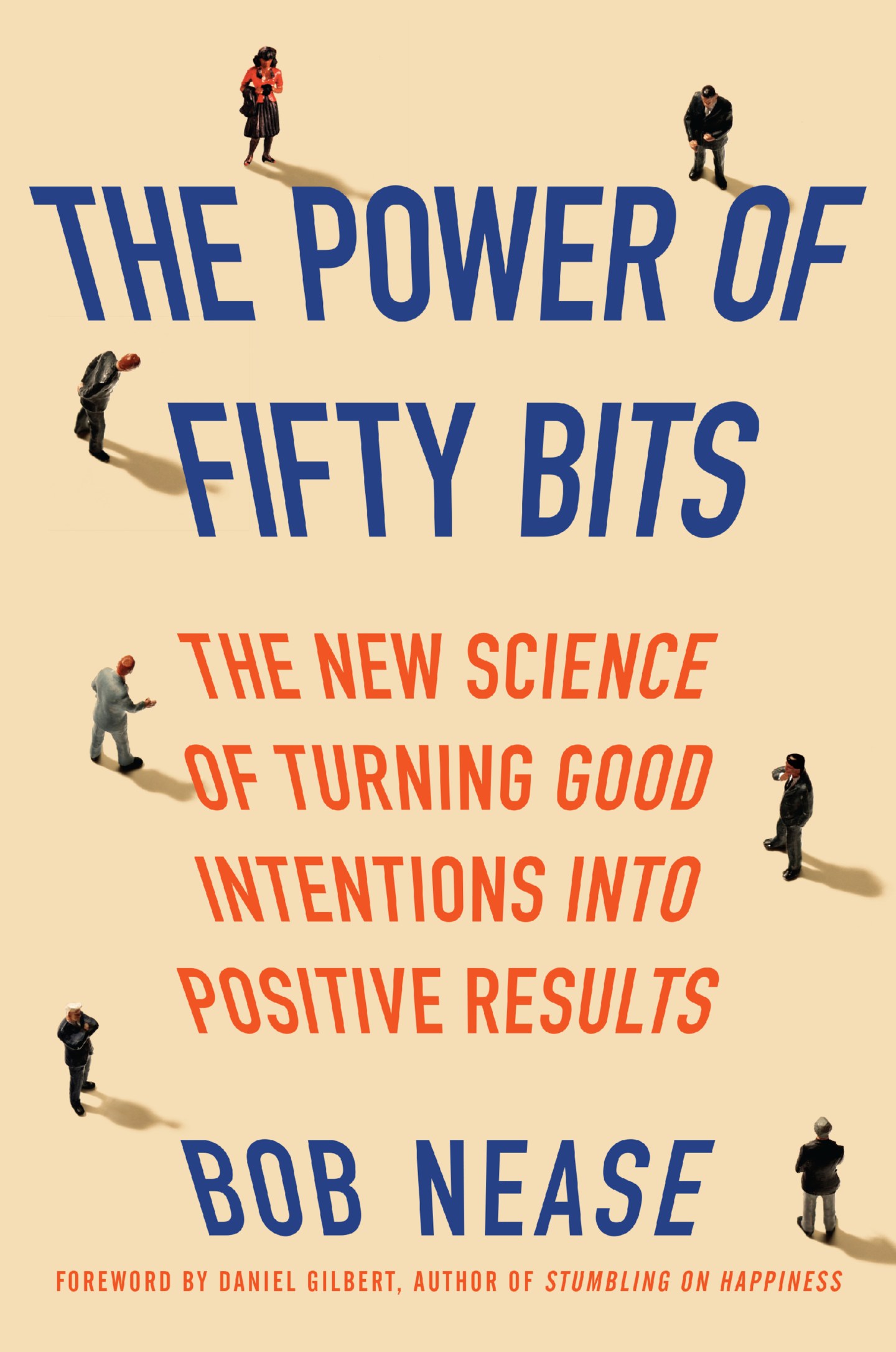
As I note in my book, The Power of Fifty Bits, requiring choice is one of seven proven strategies for activating the good intentions that most of us – including potential customers – already have. These approaches can be put to work today to overcome our 50-bits limitation and improve behavior.

If you’re serious about behavior change, it’s time to take a serious look at the approaches you’re using in your organization. Are you focusing on changing someone’s underlying intentions? If so, give it a rest – those intentions are probably already good. Instead, give the new science of turning good intentions into positive results a spin. You’ll be happily surprised at the outcome.

Bob Nease, PhD, is the former chief scientist of Express Scripts, and the author of The Power of Fifty Bits: The New Science of Turning Good Intentions into Positive Results (HarperCollins) as well as over 70 peer-reviewed papers.

About the Author
By Bob Nease
See full bioRight Arrow Button Icon
Add Fortune on Google for similar content.

Latest in Leadership

Finance
Lorem ipsum dolor sit amet, consectetur adipiscing elit, sed do eiusmod tempor incididunt ut labore et dolore magna aliqua. Ut enim ad minim veniam
By Fortune Editors
October 20, 2025
Finance
Lorem ipsum dolor sit amet, consectetur adipiscing elit, sed do eiusmod tempor incididunt ut labore et dolore magna aliqua. Ut enim ad minim veniam
By Fortune Editors
October 20, 2025
Finance
Lorem ipsum dolor sit amet, consectetur adipiscing elit, sed do eiusmod tempor incididunt ut labore et dolore magna aliqua. Ut enim ad minim veniam
By Fortune Editors
October 20, 2025
Finance
Lorem ipsum dolor sit amet, consectetur adipiscing elit, sed do eiusmod tempor incididunt ut labore et dolore magna aliqua. Ut enim ad minim veniam
By Fortune Editors
October 20, 2025
Finance
Lorem ipsum dolor sit amet, consectetur adipiscing elit, sed do eiusmod tempor incididunt ut labore et dolore magna aliqua. Ut enim ad minim veniam
By Fortune Editors
October 20, 2025
Finance
Lorem ipsum dolor sit amet, consectetur adipiscing elit, sed do eiusmod tempor incididunt ut labore et dolore magna aliqua. Ut enim ad minim veniam
By Fortune Editors
October 20, 2025

Most Popular

Finance
Lorem ipsum dolor sit amet, consectetur adipiscing elit, sed do eiusmod tempor incididunt ut labore et dolore magna aliqua. Ut enim ad minim veniam
By Fortune Editors
October 20, 2025
Finance
Lorem ipsum dolor sit amet, consectetur adipiscing elit, sed do eiusmod tempor incididunt ut labore et dolore magna aliqua. Ut enim ad minim veniam
By Fortune Editors
October 20, 2025
Finance
Lorem ipsum dolor sit amet, consectetur adipiscing elit, sed do eiusmod tempor incididunt ut labore et dolore magna aliqua. Ut enim ad minim veniam
By Fortune Editors
October 20, 2025
Finance
Lorem ipsum dolor sit amet, consectetur adipiscing elit, sed do eiusmod tempor incididunt ut labore et dolore magna aliqua. Ut enim ad minim veniam
By Fortune Editors
October 20, 2025
Finance
Lorem ipsum dolor sit amet, consectetur adipiscing elit, sed do eiusmod tempor incididunt ut labore et dolore magna aliqua. Ut enim ad minim veniam
By Fortune Editors
October 20, 2025
Finance
Lorem ipsum dolor sit amet, consectetur adipiscing elit, sed do eiusmod tempor incididunt ut labore et dolore magna aliqua. Ut enim ad minim veniam
By Fortune Editors
October 20, 2025
Fortune Secondary Logo
Rankings
  • 100 Best Companies
  • Fortune 500
  • Global 500
  • Fortune 500 Europe
  • Most Powerful Women
  • World's Most Admired Companies
  • See All Rankings
  • Lists Calendar
Sections
  • Finance
  • Fortune Crypto
  • Features
  • Leadership
  • Health
  • Commentary
  • Success
  • Retail
  • Mpw
  • Tech
  • Lifestyle
  • CEO Initiative
  • Asia
  • Politics
  • Conferences
  • Europe
  • Newsletters
  • Personal Finance
  • Environment
  • Magazine
  • Education
Customer Support
  • Frequently Asked Questions
  • Customer Service Portal
  • Privacy Policy
  • Terms Of Use
  • Single Issues For Purchase
  • International Print
Commercial Services
  • Advertising
  • Fortune Brand Studio
  • Fortune Analytics
  • Fortune Conferences
  • Business Development
  • Group Subscriptions
About Us
  • About Us
  • Press Center
  • Work At Fortune
  • Terms And Conditions
  • Site Map
  • About Us
  • Press Center
  • Work At Fortune
  • Terms And Conditions
  • Site Map
  • Facebook icon
  • Twitter icon
  • LinkedIn icon
  • Instagram icon
  • Pinterest icon

Latest in Leadership

How Adobe’s CMO is preparing for the AI-powered era of brand discovery
C-SuiteCMO
How Adobe’s CMO is preparing for the AI-powered era of brand discovery
By Ruth UmohJuly 14, 2026
4 hours ago
Elon Musk and Sam Altman are accusing each other of scamming investors as SpaceX and OpenAI jockey to lead AI revolution
AIBillionaires
Elon Musk and Sam Altman are accusing each other of scamming investors as SpaceX and OpenAI jockey to lead AI revolution
By Marco Quiroz-GutierrezJuly 13, 2026
15 hours ago
na
North AmericaEducation
‘We devalued the trades’: A Native American graduation miracle that isn’t what it seems
By Savannah Peters and The Associated PressJuly 13, 2026
18 hours ago
t
North AmericaElections
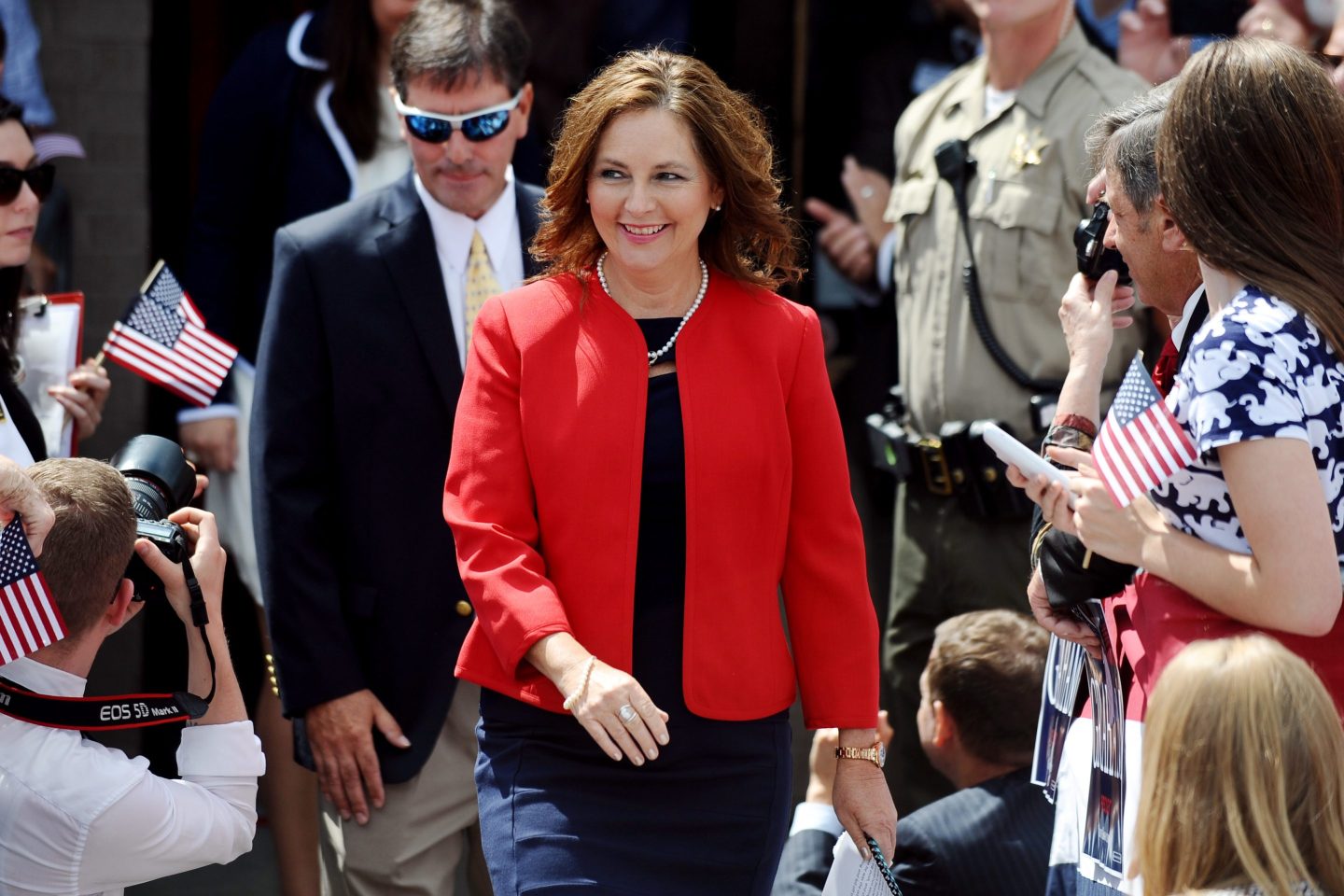
Trump floats Lindsey Graham’s sister as interim Senate replacement; Scott Bessent reportedly fields calls
By Meg Kinnard and The Associated PressJuly 13, 2026
18 hours ago
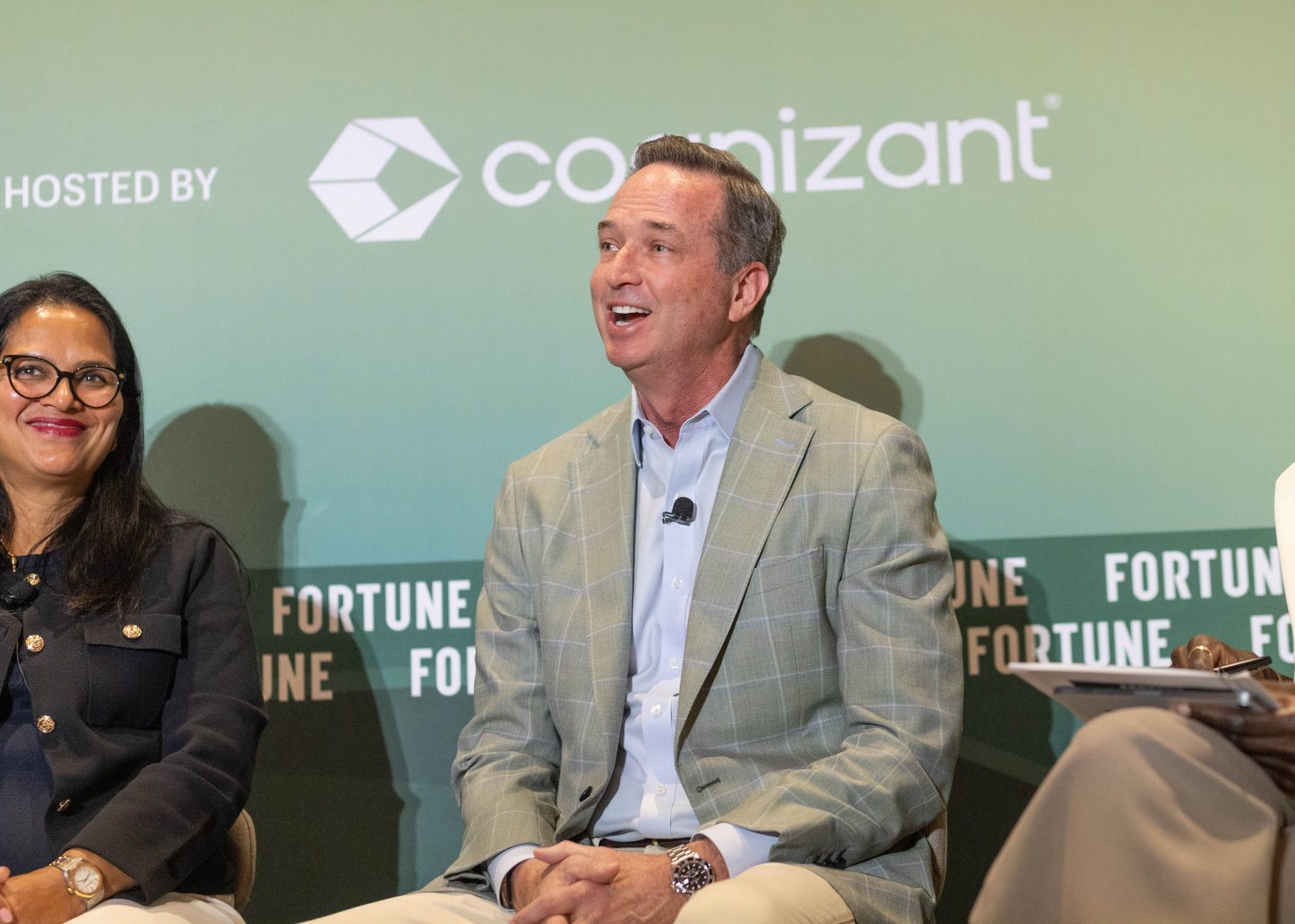
Jason Kidd, COO of Chipotle
SuccessThe Promotion Playbook
Chipotle’s COO takes employees to dinner every week to spot his next leaders—here are the 4 traits he’s seeking
By Emma BurleighJuly 13, 2026
19 hours ago
b
CommentaryWorld Cup
Columbia Business School professors: What the Balogun red card can teach us about AI and judgment
By Oded Netzer, Christopher Frank and Paul MagnoneJuly 13, 2026
19 hours ago

Most Popular

The U.S. spent $30 billion to ditch textbooks for laptops and tablets: The result is the first generation less cognitively capable than their parents
Innovation
The U.S. spent $30 billion to ditch textbooks for laptops and tablets: The result is the first generation less cognitively capable than their parents
By Sasha RogelbergJuly 12, 2026
2 days ago
Current price of oil as of July 13, 2026
Personal Finance
Current price of oil as of July 13, 2026
By Joseph HostetlerJuly 13, 2026
1 day ago
Current price of silver as of Monday, July 13, 2026
Personal Finance
Current price of silver as of Monday, July 13, 2026
By Joseph HostetlerJuly 13, 2026
1 day ago
How Pete Hegseth's DEI order just put Scouting America's future at stake
North America
How Pete Hegseth's DEI order just put Scouting America's future at stake
By Seth T. Kannarr, Derek H. Alderman and The ConversationJuly 13, 2026
16 hours ago
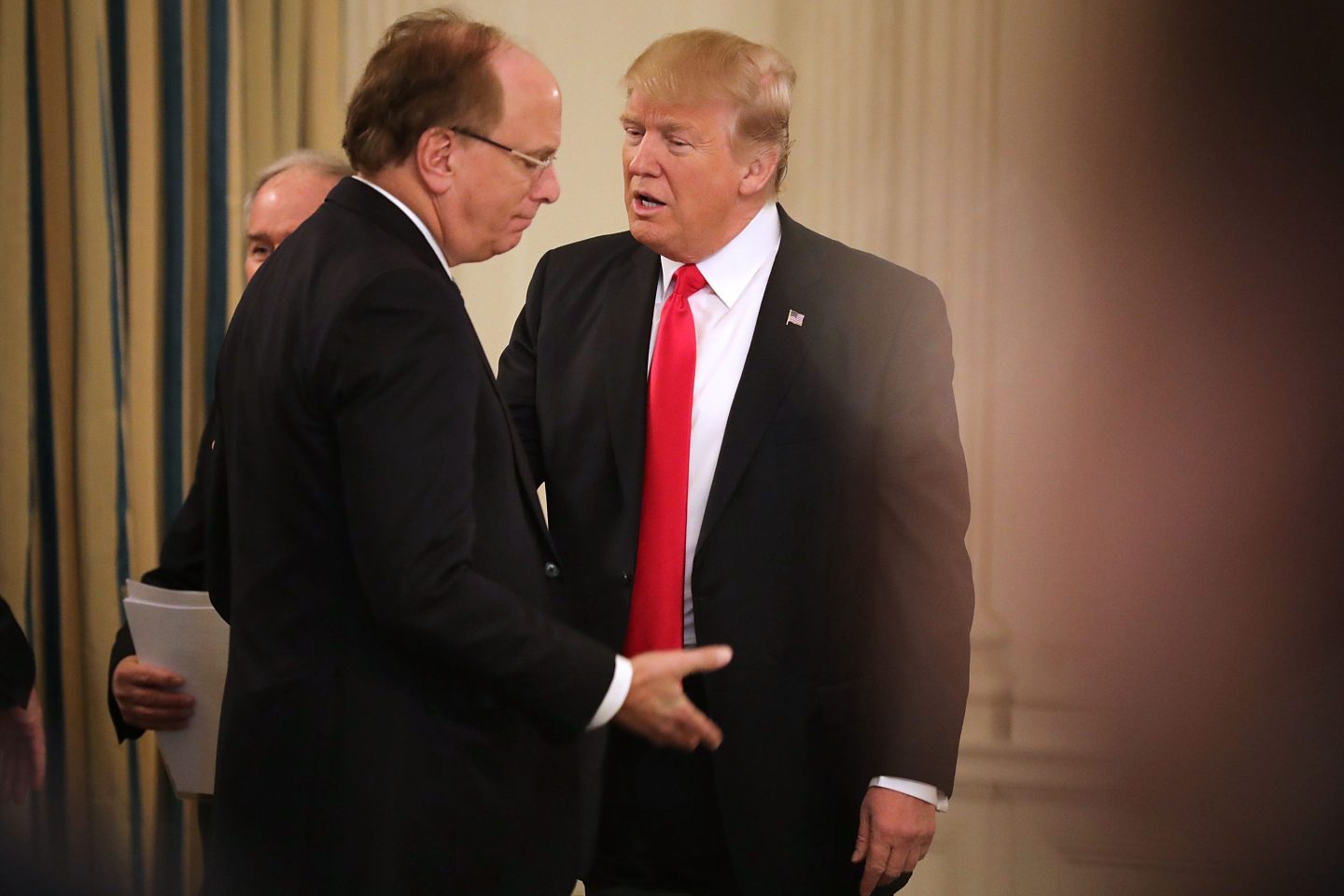
Trump embraces Australian retirement system backed by Larry Fink
Personal Finance
Trump embraces Australian retirement system backed by Larry Fink
By Brianna Sosa and BloombergJuly 12, 2026
2 days ago
The U.S. and Iran can't agree on fully reopening the Strait of Hormuz. The solution could be straight out of the Old Testament
Middle East
The U.S. and Iran can't agree on fully reopening the Strait of Hormuz. The solution could be straight out of the Old Testament
By Jason MaJuly 11, 2026
2 days ago

© 2026 Fortune Media IP Limited. All Rights Reserved. Use of this site constitutes acceptance of our Terms of Use and Privacy Policy | CA Notice at Collection and Privacy Notice | Do Not Sell/Share My Personal Information
FORTUNE is a trademark of Fortune Media IP Limited, registered in the U.S. and other countries. FORTUNE may receive compensation for some links to products and services on this website. Offers may be subject to change without notice.