• Home
  • Latest
  • Fortune 500
  • Finance
  • Tech
  • Leadership
  • Lifestyle
  • Rankings
  • Multimedia

Trendingnow

1

As CEO of the $96 billion Sam’s Club, Latriece Watkins is testing her mettle at the warehouse retailer that produced CEOs for Walmart, Target, and Walgreens

2

Jeff Bezos wants the bottom half of earners to pay zero income tax—he says nurses making just $75K should save $12K a year

3

As AI slashes white-collar jobs, Salesforce CEO Marc Benioff says almost no one is being hired—except in sales

1

As CEO of the $96 billion Sam’s Club, Latriece Watkins is testing her mettle at the warehouse retailer that produced CEOs for Walmart, Target, and Walgreens

2

Jeff Bezos wants the bottom half of earners to pay zero income tax—he says nurses making just $75K should save $12K a year

3

As AI slashes white-collar jobs, Salesforce CEO Marc Benioff says almost no one is being hired—except in sales
Tech

What Google and Twitter Can Tell Us About 2016

By
TIME
TIME
Down Arrow Button Icon
By
TIME
TIME
Down Arrow Button Icon
February 23, 2016, 9:42 AM ET
IF! Italians Festival 2015 - Day Two
MILAN, ITALY - NOVEMBER 06: A general view of atmpsphere during the IF! Italians Festival at Franco Parenti Theater on November 6, 2015 in Milan, Italy. (Photo by Pier Marco Tacca/Getty Images)Pier Marco Tacca—Getty Images

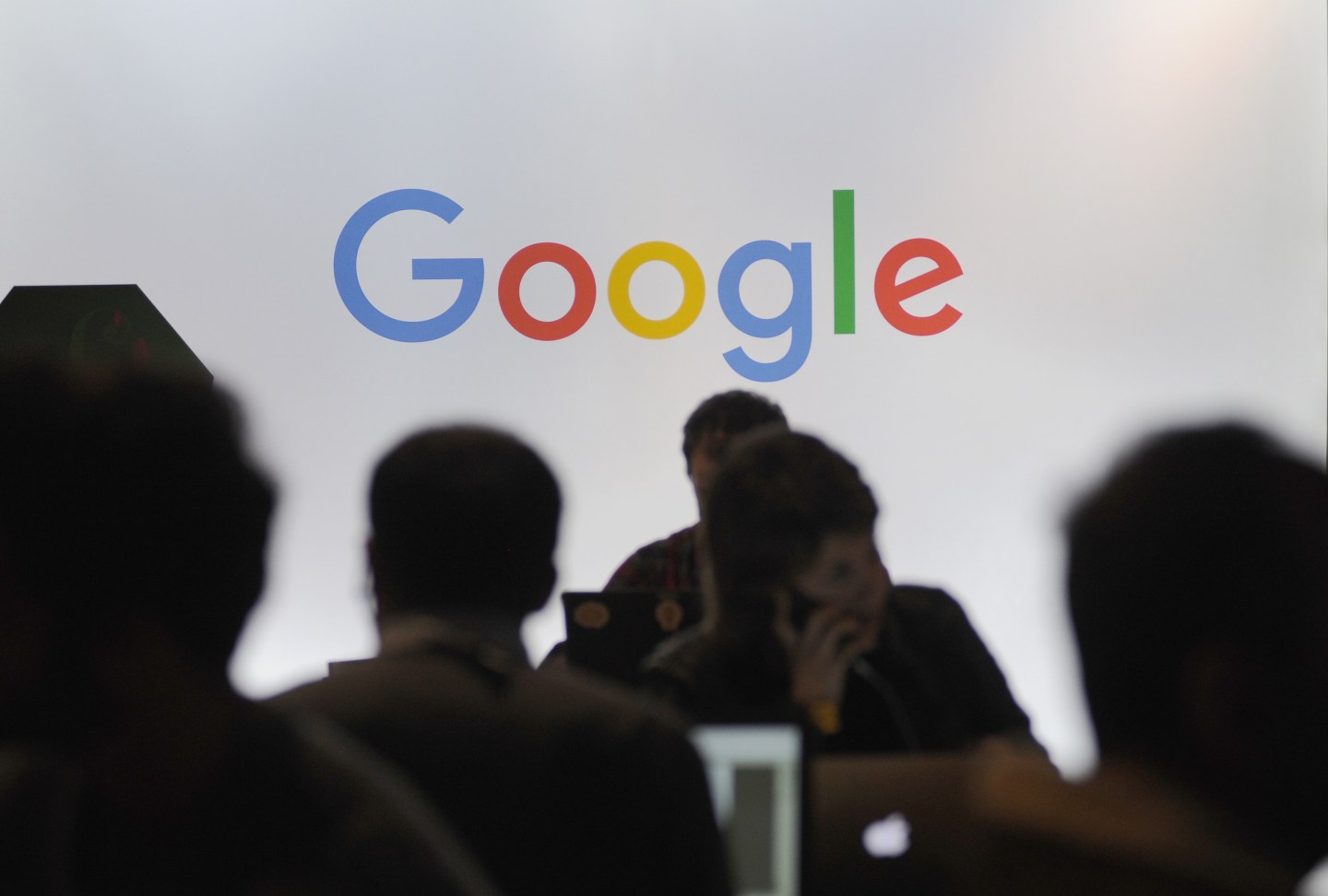
If you were trying to figure out who would win the South Carolina primary on Saturday, you could have read the polls. Or you could have checked Google data.

The Internet search giant predicted Donald Trump would win the South Carolina primary (an admittedly easy call) as well as a close race between Florida Senator Marco Rubio and Texas Senator Ted Cruz for second place, based on searches by people in the Palmetto State. Google also correctly forecast that day that interest in Vermont Senator Bernie Sanders would spike, though not enough to edge out former Secretary of State Hillary Clinton in the notoriously hard-to-poll Nevada caucuses.

But don’t think that means Google (GOOG) has now replaced Gallup, the esteemed polling company that no longer tracks the presidential horserace. Experts inside and outside Google think it’s premature to start relying on search trends to see who’s going to win the election. Instead, they see it and social-media outlet Twitter serving as a complement to traditional polling, enriching the raw data with new insights.

“When there’s a lot of information, this sort of ‘who’s winning, who’s losing’ narrative is a … cue to who I should pay attention to,” Shannon McGregor, a researcher at the University of Texas’ Twitter Research Group, told TIME. “So in some ways social-media metrics, to the extent that the public is being exposed to them, can help them in that way. It’s more information that they have about what’s going on out there in terms of the election and in terms of how other people are feeling about it.”

Data from Google and Twitter (TWTR) has a couple of advantages over traditional polls. For one, it’s faster, which means it can pick up late-breaking surges for candidates further back in the pack. For example, local Twitter data picked up a surge of interest in Cruz just before the Iowa caucuses, while local Google searches showed Ohio Governor John Kasich’s last-minute momentum heading into the New Hampshire primary.

Companies like Google and Twitter have been eager to share this data with the public, campaigns and journalists, according to Daniel Kreiss, an assistant professor of media and journalism at the University of North Carolina at Chapel Hill. Elections present a high-profile opportunity for web analytics to present themselves as a public service and not just a private company.

“They sort of want to be that underlying infrastructure that will help campaigns connect with voters, help voters learn more about candidates, help people get involved,” Kreiss told TIME. “Really sort of serve as that base level of being a key player in the electoral process … companies want to be part of infrastructure for democracy.”

Another social-media platform that’s looking to get involved in the election is Facebook, which encourages users to post about watching presidential debates and voting. Facebook releases data on user conversation ahead of primaries but is usually not predictive of the final results. This is because the site is not as public as Twitter and Google, with a lot of user information available only to friends and connections.

McGregor argues that all of the companies’ increasing political involvement can have a beneficial side effect, helping generate more interest among the public.

“To the extent that people encounter politics in these personal spaces, it can help broaden the reach of politics, and it can help bring more people into politics by encountering them in these relatively informal and personal spaces,” she said.

While social-media posts are publicly expressive, engaging in conversation with other users, data from search engines can signal latent attitudes, according to Joe DiGrazia, a Neukom fellow at Dartmouth University focusing on computational methodologies in the social sciences. Instead of answering a question from a pollster, entering a search on a site like Google or Bing is honest and immediate — your search history doesn’t lie.

This is the new focus group — instead of pooling a small, limited group of voters to watch a debate, media-savvy analysts can just watch user responses on social media, according to Chris Kerns, vice president of research and insights at social-media marketing platform Spredfast.

“What social data does for us is it gives you not only a huge panel of people talking about either a show, or in the case of this weekend’s primaries and caucuses, issues and candidates, but it also gives it to you in seconds,” he said. “That panel is still going to be skewed based on the people that are on Twitter and the people that are talking about politics, it’s still 1,000 times better than the old model.”

Sometimes the focus group gets it right and sometimes it can be way off, according to DiGrazia. Like, if a candidate were involved in a scandal, you might see a surge in interest or chatter that does not indicate increased support.

“They’re often predictive, because they measure interest in a candidate, and interest is often correlated with support. These things are often predictive of election outcomes,” DiGrazia told TIME. “But at the same time you can have situations where they will lead you astray.”

For example, interest in Jeb Bush spiked on Google over the weekend because the former Florida governor dropped out of the race.

Some researchers argue that the data is most useful when limited to a geographic location, like a metropolitan area, and ordered along a period of time. For instance in New Hampshire, search interest in Kasich spiked on Google on the day of the primary, correctly indicating that he would earn a surprising second-place finish.

The sheer utility of the data when compared with polling makes it invaluable to DiGrazia, offering quick public-opinion analysis that would normally take a polling outfit a longer period of time and a deep research budget. “It’s fast and it’s cheap. You can get it quickly and in real time, and you don’t have to spend any money commissioning a poll,” he said.

Starting with John McCain’s 2000 presidential campaign and culminating in Barack Obama’s 2008 race to the White House, campaigns have made use of web data to fine-tune their strategies to appeal to and communicate with voters, according to Kreiss, who is the author of Taking Our Country Back, a history of online politics from 2004 to present.

Data, says Kreiss, “helps campaigns orient themselves” — helping them find what works and what doesn’t, but isn’t an end-all, be-all to campaigning in the digital age. “A lot of this data is messy. It’s often unclear the volume of activity going on around some particular issue and how that translates to things like vote share, how that relates to donations.”

There are pitfalls of relying on data — especially when it comes to those who think it will replace polling outright. The age-old Twitter adage applies: retweets do not equal endorsements.

Just because someone mentions a candidate online is not an indicator of support, and it’s likely that they may not even be saying anything positive at all. Former Google data scientist Seth Stephens-Davidowitz says researchers need more time to establish a methodology for pulling data from the web.

“Polls took a while to figure out, it wasn’t just overnight. People knew proper polling methodology. We don’t know proper methodology to weight tweets and Google searches,” he said. “It’s been established, without a doubt, that there are important insights that couldn’t be found anywhere else in this data.”
About the Author
By TIME
See full bioRight Arrow Button Icon

Latest in Tech

Finance
Lorem ipsum dolor sit amet, consectetur adipiscing elit, sed do eiusmod tempor incididunt ut labore et dolore magna aliqua. Ut enim ad minim veniam
By Fortune Editors
October 20, 2025
Finance
Lorem ipsum dolor sit amet, consectetur adipiscing elit, sed do eiusmod tempor incididunt ut labore et dolore magna aliqua. Ut enim ad minim veniam
By Fortune Editors
October 20, 2025
Finance
Lorem ipsum dolor sit amet, consectetur adipiscing elit, sed do eiusmod tempor incididunt ut labore et dolore magna aliqua. Ut enim ad minim veniam
By Fortune Editors
October 20, 2025
Finance
Lorem ipsum dolor sit amet, consectetur adipiscing elit, sed do eiusmod tempor incididunt ut labore et dolore magna aliqua. Ut enim ad minim veniam
By Fortune Editors
October 20, 2025
Finance
Lorem ipsum dolor sit amet, consectetur adipiscing elit, sed do eiusmod tempor incididunt ut labore et dolore magna aliqua. Ut enim ad minim veniam
By Fortune Editors
October 20, 2025
Finance
Lorem ipsum dolor sit amet, consectetur adipiscing elit, sed do eiusmod tempor incididunt ut labore et dolore magna aliqua. Ut enim ad minim veniam
By Fortune Editors
October 20, 2025

Most Popular

Finance
Lorem ipsum dolor sit amet, consectetur adipiscing elit, sed do eiusmod tempor incididunt ut labore et dolore magna aliqua. Ut enim ad minim veniam
By Fortune Editors
October 20, 2025
Finance
Lorem ipsum dolor sit amet, consectetur adipiscing elit, sed do eiusmod tempor incididunt ut labore et dolore magna aliqua. Ut enim ad minim veniam
By Fortune Editors
October 20, 2025
Finance
Lorem ipsum dolor sit amet, consectetur adipiscing elit, sed do eiusmod tempor incididunt ut labore et dolore magna aliqua. Ut enim ad minim veniam
By Fortune Editors
October 20, 2025
Finance
Lorem ipsum dolor sit amet, consectetur adipiscing elit, sed do eiusmod tempor incididunt ut labore et dolore magna aliqua. Ut enim ad minim veniam
By Fortune Editors
October 20, 2025
Finance
Lorem ipsum dolor sit amet, consectetur adipiscing elit, sed do eiusmod tempor incididunt ut labore et dolore magna aliqua. Ut enim ad minim veniam
By Fortune Editors
October 20, 2025
Finance
Lorem ipsum dolor sit amet, consectetur adipiscing elit, sed do eiusmod tempor incididunt ut labore et dolore magna aliqua. Ut enim ad minim veniam
By Fortune Editors
October 20, 2025
Fortune Secondary Logo
Rankings
  • 100 Best Companies
  • Fortune 500
  • Global 500
  • Fortune 500 Europe
  • Most Powerful Women
  • World's Most Admired Companies
  • See All Rankings
  • Lists Calendar
Sections
  • Finance
  • Fortune Crypto
  • Features
  • Leadership
  • Health
  • Commentary
  • Success
  • Retail
  • Mpw
  • Tech
  • Lifestyle
  • CEO Initiative
  • Asia
  • Politics
  • Conferences
  • Europe
  • Newsletters
  • Personal Finance
  • Environment
  • Magazine
  • Education
Customer Support
  • Frequently Asked Questions
  • Customer Service Portal
  • Privacy Policy
  • Terms Of Use
  • Single Issues For Purchase
  • International Print
Commercial Services
  • Advertising
  • Fortune Brand Studio
  • Fortune Analytics
  • Fortune Conferences
  • Business Development
  • Group Subscriptions
About Us
  • About Us
  • Press Center
  • Work At Fortune
  • Terms And Conditions
  • Site Map
  • About Us
  • Press Center
  • Work At Fortune
  • Terms And Conditions
  • Site Map
  • Facebook icon
  • Twitter icon
  • LinkedIn icon
  • Instagram icon
  • Pinterest icon

Latest in Tech

Dan Rogers speaking on stage.
AIAsana
Asana was battered by the AI boom. Now it’s betting its future on humans and agents working together.
By Beatrice NolanMay 29, 2026
8 hours ago
Exclusive: Microsoft is building a super app that combines coding, chat, and other Copilot AI tools
AIMicrosoft
Exclusive: Microsoft is building a super app that combines coding, chat, and other Copilot AI tools
By Sebastian HerreraMay 29, 2026
10 hours ago
Claude Mythos shown on a smartphone screen.
AIAnthropic
Anthropic leapfrogs OpenAI with a record $965 billion valuation and says its ‘Mythos’ AI model is coming soon 
By Beatrice NolanMay 29, 2026
11 hours ago
Why Meta hired Dina Powell McCormick
NewslettersMPW Daily
Why Meta hired Dina Powell McCormick
By Ellie AustinMay 29, 2026
11 hours ago
The AI arms race in cybersecurity has started. Most companies aren’t ready
Cryptocyber
The AI arms race in cybersecurity has started. Most companies aren’t ready
By Philip MartinMay 29, 2026
11 hours ago
Kalshi adds perpetual futures for U.S. traders following thumbs-up from key regulator
CryptoBitcoin
Kalshi adds perpetual futures for U.S. traders following thumbs-up from key regulator
By Jack KubinecMay 29, 2026
11 hours ago

Most Popular

As CEO of the $96 billion Sam’s Club, Latriece Watkins is testing her mettle at the warehouse retailer that produced CEOs for Walmart, Target, and Walgreens
Magazine
As CEO of the $96 billion Sam’s Club, Latriece Watkins is testing her mettle at the warehouse retailer that produced CEOs for Walmart, Target, and Walgreens
By Emma HinchliffeMay 27, 2026
3 days ago
Jeff Bezos wants the bottom half of earners to pay zero income tax—he says nurses making just $75K should save $12K a year
Success
Jeff Bezos wants the bottom half of earners to pay zero income tax—he says nurses making just $75K should save $12K a year
By Preston ForeMay 21, 2026
8 days ago
As AI slashes white-collar jobs, Salesforce CEO Marc Benioff says almost no one is being hired—except in sales
Success
As AI slashes white-collar jobs, Salesforce CEO Marc Benioff says almost no one is being hired—except in sales
By Emma BurleighMay 28, 2026
1 day ago
Current price of oil as of May 28, 2026
Personal Finance
Current price of oil as of May 28, 2026
By Joseph HostetlerMay 28, 2026
2 days ago
UBS says Ron DeSantis has a problem with his plan to help 92% of homeowners save on property taxes: His own state's data
Personal Finance
UBS says Ron DeSantis has a problem with his plan to help 92% of homeowners save on property taxes: His own state's data
By Nick LichtenbergMay 28, 2026
1 day ago
The river that supplies 40 million Americans is down to 23% — and about to make a $25 million bet on one fish
Environment
The river that supplies 40 million Americans is down to 23% — and about to make a $25 million bet on one fish
By Dorany Pineda, Brittany Peterson and The Associated PressMay 27, 2026
3 days ago

© 2026 Fortune Media IP Limited. All Rights Reserved. Use of this site constitutes acceptance of our Terms of Use and Privacy Policy | CA Notice at Collection and Privacy Notice | Do Not Sell/Share My Personal Information
FORTUNE is a trademark of Fortune Media IP Limited, registered in the U.S. and other countries. FORTUNE may receive compensation for some links to products and services on this website. Offers may be subject to change without notice.