• Home
  • Latest
  • Fortune 500
  • Finance
  • Tech
  • Leadership
  • Lifestyle
  • Rankings
  • Multimedia

Trendingnow

1

As Big Tech showers employees with perks to win the talent war, Nvidia built a nearly $5 trillion company by making people pay for their own lunch

2

MacKenzie Scott alone accounted for one-third of America's $19.2 billion in megagifts last year

3

The Supreme Court's birthright citizenship ruling hands the U.S. economy a $7.7 trillion win

1

As Big Tech showers employees with perks to win the talent war, Nvidia built a nearly $5 trillion company by making people pay for their own lunch

2

MacKenzie Scott alone accounted for one-third of America's $19.2 billion in megagifts last year

3

The Supreme Court's birthright citizenship ruling hands the U.S. economy a $7.7 trillion win
CommentaryBrexit

What Politicians Are Getting Wrong About the Brexit Vote

By
Brayden King
Brayden King
Down Arrow Button Icon
By
Brayden King
Brayden King
Down Arrow Button Icon
July 1, 2016, 1:00 AM ET
BRITAIN-EU-POLITICS-BREXIT-VOTE
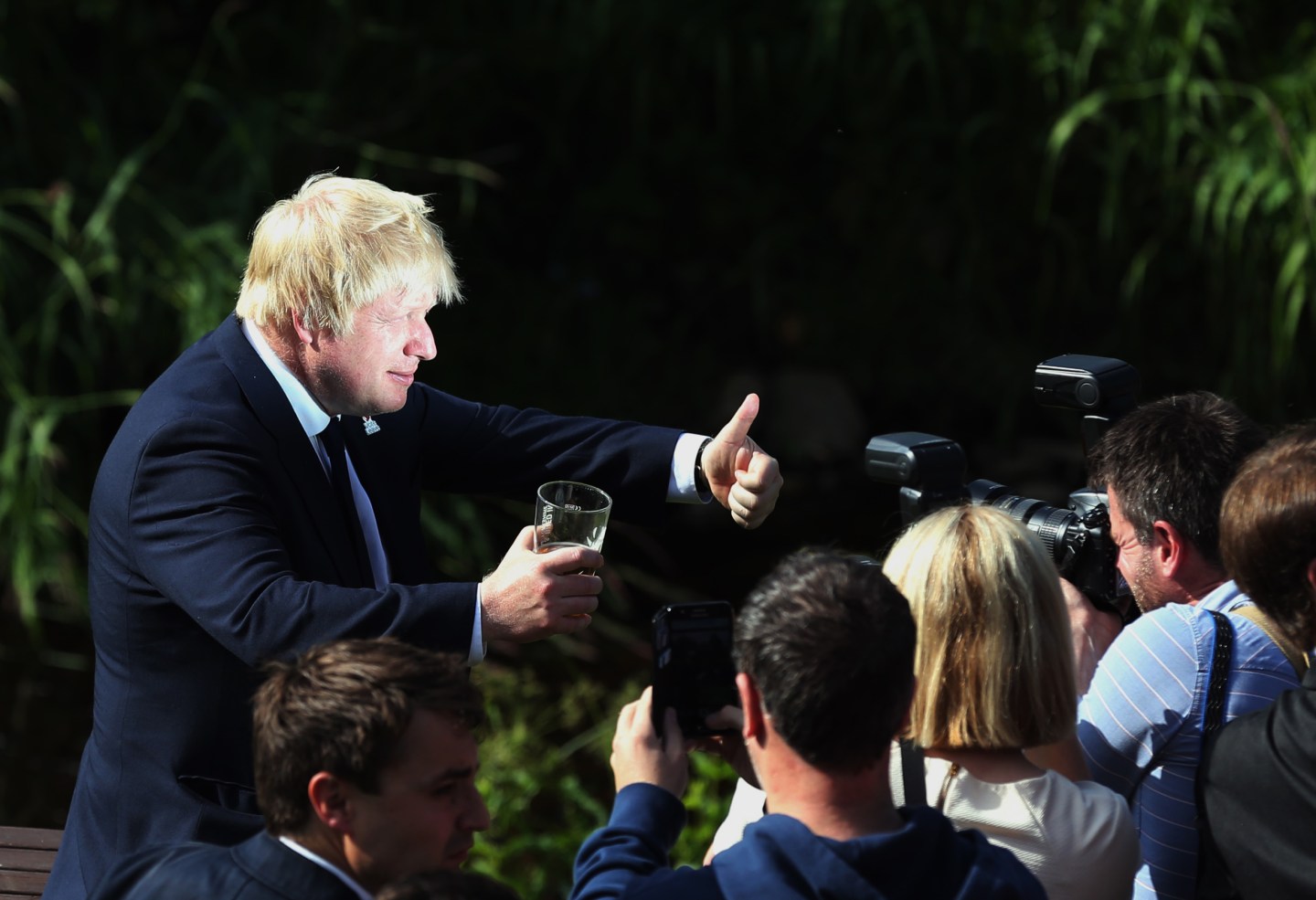
Former London Mayor, and "Vote Leave" campaigner, Boris Johnson poses for the media ahead of meeting with members of the public and supporters in Piercebridge, near Darlington, north-east England on June 22, 2016, as he continues to campaign for a Brexit ahead of the June 23 EU referendum. Wednesday is the last day of campaigning for Britain's referendum on whether or not to stay in the EU, a momentous decision with far-reaching implications for Britain and Europe. / AFP / SCOTT HEPPELL (Photo credit should read SCOTT HEPPELL/AFP/Getty Images)Scott Heppell — AFP/Getty Images
Add Fortune on Google for similar content.

Brayden King is a sociologist and a professor at Kellogg School of Management at Northwestern University. He is an expert on organizational change and reputation management.

The conventional explanation for the surprising outcome of the Brexit vote in the U.K. to leave the European Union pits the haves against the have-nots, a divide defined largely by economics. Although economic differences certainly matter, a driving force that has been talked about less — and a factor that may also help explain the rise of presumed Republican U.S. presidential nominee Donald Trump — is actually cultural and cuts across socioeconomic levels.

Both Brexit “leavers,” whose sheer number and fury were underestimated by pollsters, and Trump supporters are more likely to belong to a social group known as “locals.” With affinities that transcend economics and even politics, locals are best defined as having a societal view focused on their local community. They tend to be less adventurous in their travel and cultural consumption (from ethnic food to music), gain status from their community affiliations, and may be wary of outsiders, especially those who are perceived to change the homogeneity of their local community.

In contrast, “cosmopolitans” tend to have a global perspective, seeing themselves as part of an economy that crosses borders, rather than being contained by them. Their social networks extend outside their local communities. They travel more, have broader consumer tastes, and see diversity in experience and friendships as a core value. While often associated with being more highly educated, cosmopolitans are just as likely to include “starving artists” as ex-patriate executives.

While the distinctions between these groups have been known for decades to social scientists, pundits have ignored the delineation between cosmopolitans and locals when discussing Brexit and the U.S. presidential campaign. By failing to recognize these groups, their motivations, and where they see themselves in the context of the world, political analysts have underestimated the very different emotional reactions that locals and cosmopolitans have toward the Brexit campaign and Trump’s promises to crack down on immigration.

One of the takeaways from Brexit, with a direct parallel to the U.S. presidential election, is just how emotionally-driven the average voter is. UK Prime Minister David Cameron and other Conservative party members had expected the Brexit issue to come down to rational economic arguments: that is, they believed the majority of voters would be persuaded that the UK would be better off politically and economically if it stayed in the EU.

What Cameron, who resigned after the Brexit vote, and others misjudged was that people are far less rational than assumed and tend to vote with their emotions and later justify those decisions with logic. (This might also explain the apparent after-the-fact remorse by millions of UK voters who, perhaps having been betrayed by their emotions, have signed an online petition, asking for a re-do vote.)

Sparking much of the emotion in the U.K., as well as in the U.S., is immigration. Many of the Brexit “leavers” who celebrated victory cited immigration as a major concern. Immigration is also at the center of the campaign by Trump, who hailed the Brexit victory as “a fantastic thing.” Trump is perhaps best known for his “build a wall” campaign rhetoric, which sounds outrageous to the cosmopolitans, but may resonate among locals as a solution to quell their fears that outsiders are changing their communities.

Immigration has a surprising level of salience in politics today. A simple Google trend analysis of media coverage going back to 2014 reveals immigration as garnering the most coverage, followed by the economy. Terrorism, same-sex marriage, and the military, by comparison, have far less visibility in the U.S. media.

The firestorm around immigration has no doubt been a surprise for the Republican party, which has largely sidestepped the issue for fear of alienating Latino voters on one hand and its mainstream constituency on the other. While immigration often triggers fear among the disenfranchised — people who view themselves on the losing side of the economy — it also has a strong emotional impact among the locals, including those whose employment is in no way affected, but who fear the changes potentially brought by immigrants.

Cosmopolitans, meanwhile, may very well favor immigration because it resonates with a core value of embracing diversity. Because pro-immigration policies appeal to them emotionally, they naturally see it as a way to stimulate jobs and economic opportunities and to address a talent gap in sectors such as technology. But as they present what they see as logical arguments about the benefits of immigration, they fail to grasp the emotional concerns of their local counterparts.

Within this gap in perception, political entrepreneurs such as Trump and Brexit leaders have found a strategic opening. Deft at crafting politically evocative statements and promulgating them via social media, they appeal to the emotional triggers of locals and, in so doing, have created a major cultural divide between locals and cosmopolitans.

If Brexit is any indication, this cultural difference will continue to play a major role in the political arena, particularly as the U.S. presidential campaign heats up. In order to understand the constituencies and the issues that matter most to them, politicians and pundits alike would do well to look beyond economic differences and pay attention to the cultural divisions that stimulate such strong emotional responses among voters.

About the Author
By Brayden King
See full bioRight Arrow Button Icon
Add Fortune on Google for similar content.

Latest in Commentary

Finance
Lorem ipsum dolor sit amet, consectetur adipiscing elit, sed do eiusmod tempor incididunt ut labore et dolore magna aliqua. Ut enim ad minim veniam
By Fortune Editors
October 20, 2025
Finance
Lorem ipsum dolor sit amet, consectetur adipiscing elit, sed do eiusmod tempor incididunt ut labore et dolore magna aliqua. Ut enim ad minim veniam
By Fortune Editors
October 20, 2025
Finance
Lorem ipsum dolor sit amet, consectetur adipiscing elit, sed do eiusmod tempor incididunt ut labore et dolore magna aliqua. Ut enim ad minim veniam
By Fortune Editors
October 20, 2025
Finance
Lorem ipsum dolor sit amet, consectetur adipiscing elit, sed do eiusmod tempor incididunt ut labore et dolore magna aliqua. Ut enim ad minim veniam
By Fortune Editors
October 20, 2025
Finance
Lorem ipsum dolor sit amet, consectetur adipiscing elit, sed do eiusmod tempor incididunt ut labore et dolore magna aliqua. Ut enim ad minim veniam
By Fortune Editors
October 20, 2025
Finance
Lorem ipsum dolor sit amet, consectetur adipiscing elit, sed do eiusmod tempor incididunt ut labore et dolore magna aliqua. Ut enim ad minim veniam
By Fortune Editors
October 20, 2025

Most Popular

Finance
Lorem ipsum dolor sit amet, consectetur adipiscing elit, sed do eiusmod tempor incididunt ut labore et dolore magna aliqua. Ut enim ad minim veniam
By Fortune Editors
October 20, 2025
Finance
Lorem ipsum dolor sit amet, consectetur adipiscing elit, sed do eiusmod tempor incididunt ut labore et dolore magna aliqua. Ut enim ad minim veniam
By Fortune Editors
October 20, 2025
Finance
Lorem ipsum dolor sit amet, consectetur adipiscing elit, sed do eiusmod tempor incididunt ut labore et dolore magna aliqua. Ut enim ad minim veniam
By Fortune Editors
October 20, 2025
Finance
Lorem ipsum dolor sit amet, consectetur adipiscing elit, sed do eiusmod tempor incididunt ut labore et dolore magna aliqua. Ut enim ad minim veniam
By Fortune Editors
October 20, 2025
Finance
Lorem ipsum dolor sit amet, consectetur adipiscing elit, sed do eiusmod tempor incididunt ut labore et dolore magna aliqua. Ut enim ad minim veniam
By Fortune Editors
October 20, 2025
Finance
Lorem ipsum dolor sit amet, consectetur adipiscing elit, sed do eiusmod tempor incididunt ut labore et dolore magna aliqua. Ut enim ad minim veniam
By Fortune Editors
October 20, 2025
Fortune Secondary Logo
Rankings
  • 100 Best Companies
  • Fortune 500
  • Global 500
  • Fortune 500 Europe
  • Most Powerful Women
  • World's Most Admired Companies
  • See All Rankings
  • Lists Calendar
Sections
  • Finance
  • Fortune Crypto
  • Features
  • Leadership
  • Health
  • Commentary
  • Success
  • Retail
  • Mpw
  • Tech
  • Lifestyle
  • CEO Initiative
  • Asia
  • Politics
  • Conferences
  • Europe
  • Newsletters
  • Personal Finance
  • Environment
  • Magazine
  • Education
Customer Support
  • Frequently Asked Questions
  • Customer Service Portal
  • Privacy Policy
  • Terms Of Use
  • Single Issues For Purchase
  • International Print
Commercial Services
  • Advertising
  • Fortune Brand Studio
  • Fortune Analytics
  • Fortune Conferences
  • Business Development
  • Group Subscriptions
About Us
  • About Us
  • Press Center
  • Work At Fortune
  • Terms And Conditions
  • Site Map
  • About Us
  • Press Center
  • Work At Fortune
  • Terms And Conditions
  • Site Map
  • Facebook icon
  • Twitter icon
  • LinkedIn icon
  • Instagram icon
  • Pinterest icon

Latest in Commentary

senate
CommentaryCongress
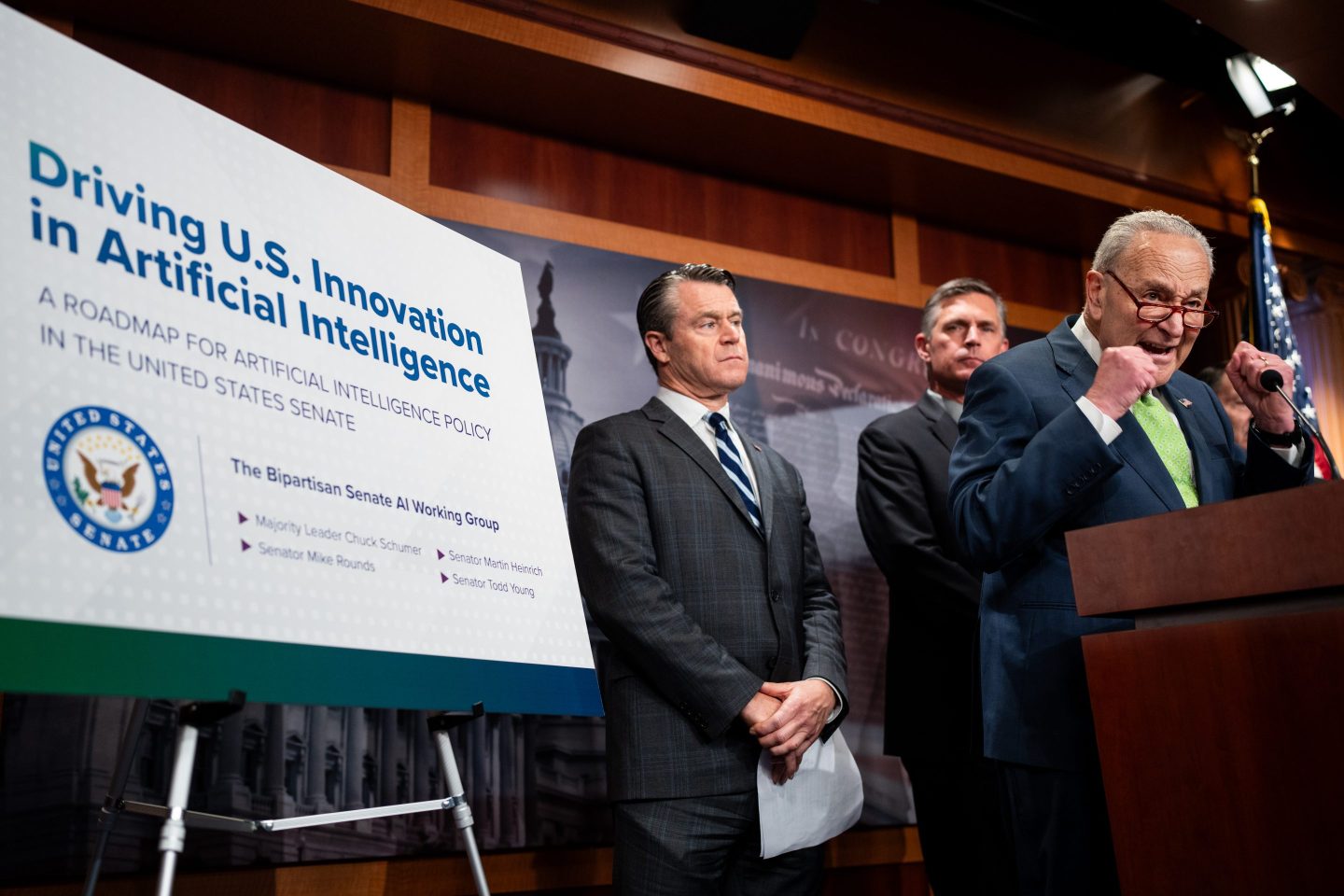
One rare bipartisan AI bill is moving through Congress. Here’s why it deserves to pass
By Neil Björkman and Betsy BrewerJuly 1, 2026
21 hours ago
I know how Gen Z can survive the ‘jobpocalypse’ because I built an AI company — in 2015
CommentaryCareers
I know how Gen Z can survive the ‘jobpocalypse’ because I built an AI company — in 2015
By Jeremy FainJuly 1, 2026
21 hours ago
mr
Commentary250 Years of Innovation
America needs 3.8 million manufacturing workers. This CEO has a blueprint to find them
By Mark RayfieldJuly 1, 2026
21 hours ago
usa
Commentary250 Years of Innovation
America at 250: why the Constitution was built to restrain government, not celebrate majority rule
By Steve H. HankeJuly 1, 2026
21 hours ago
t
CommentaryMedia
Netflix could turn NBC into its biggest bet yet — and this time, the math actually works
By Jeffrey Sonnenfeld and Steven TianJune 30, 2026
2 days ago
wb
CommentaryLeadership
I grew BDO from $600 million to $3.4 billion. Here’s the 3-part formula that made it possible
By Wayne BersonJune 30, 2026
2 days ago

Most Popular

As Big Tech showers employees with perks to win the talent war, Nvidia built a nearly $5 trillion company by making people pay for their own lunch
Big Tech
As Big Tech showers employees with perks to win the talent war, Nvidia built a nearly $5 trillion company by making people pay for their own lunch
By Marco Quiroz-GutierrezJuly 1, 2026
1 day ago
MacKenzie Scott alone accounted for one-third of America's $19.2 billion in megagifts last year
Success
MacKenzie Scott alone accounted for one-third of America's $19.2 billion in megagifts last year
By Sydney LakeJune 25, 2026
7 days ago
The Supreme Court's birthright citizenship ruling hands the U.S. economy a $7.7 trillion win
Newsletters
The Supreme Court's birthright citizenship ruling hands the U.S. economy a $7.7 trillion win
By Diane BradyJuly 1, 2026
23 hours ago
Current price of oil as of July 1, 2026
Personal Finance
Current price of oil as of July 1, 2026
By Joseph HostetlerJuly 1, 2026
19 hours ago
Philanthropy leader at Warren Buffett and Bill Gates’ Giving Pledge says children of billionaires are pushing them to give their wealth away faster
Success
Philanthropy leader at Warren Buffett and Bill Gates’ Giving Pledge says children of billionaires are pushing them to give their wealth away faster
By Preston ForeJune 27, 2026
5 days ago
Elon Musk on MacKenzie Scott giving away $26 billion of her fortune: 'Sadly,' it makes the world a worse place
Success
Elon Musk on MacKenzie Scott giving away $26 billion of her fortune: 'Sadly,' it makes the world a worse place
By Sydney LakeJune 29, 2026
3 days ago

© 2026 Fortune Media IP Limited. All Rights Reserved. Use of this site constitutes acceptance of our Terms of Use and Privacy Policy | CA Notice at Collection and Privacy Notice | Do Not Sell/Share My Personal Information
FORTUNE is a trademark of Fortune Media IP Limited, registered in the U.S. and other countries. FORTUNE may receive compensation for some links to products and services on this website. Offers may be subject to change without notice.