• Home
  • Latest
  • Fortune 500
  • Finance
  • Tech
  • Leadership
  • Lifestyle
  • Rankings
  • Multimedia

Trendingnow

1

Microsoft AI chief gives it 18 months—for all white-collar work to be automated by AI

2

Despite having a $165 million net worth, Scarlett Johansson says work-life balance doesn’t exist—and the first step to success is admitting that

3

The Bezos family just donated $100 million to help achieve one of Mayor Zohran Mamdani’s top campaign promises

1

Microsoft AI chief gives it 18 months—for all white-collar work to be automated by AI

2

Despite having a $165 million net worth, Scarlett Johansson says work-life balance doesn’t exist—and the first step to success is admitting that

3

The Bezos family just donated $100 million to help achieve one of Mayor Zohran Mamdani’s top campaign promises
CommentaryEnergy

What Trump Needs to Know About His $1 Trillion Infrastructure Plan

By
Scott Jacobs
Scott Jacobs
Down Arrow Button Icon
By
Scott Jacobs
Scott Jacobs
Down Arrow Button Icon
December 22, 2016, 11:43 AM ET
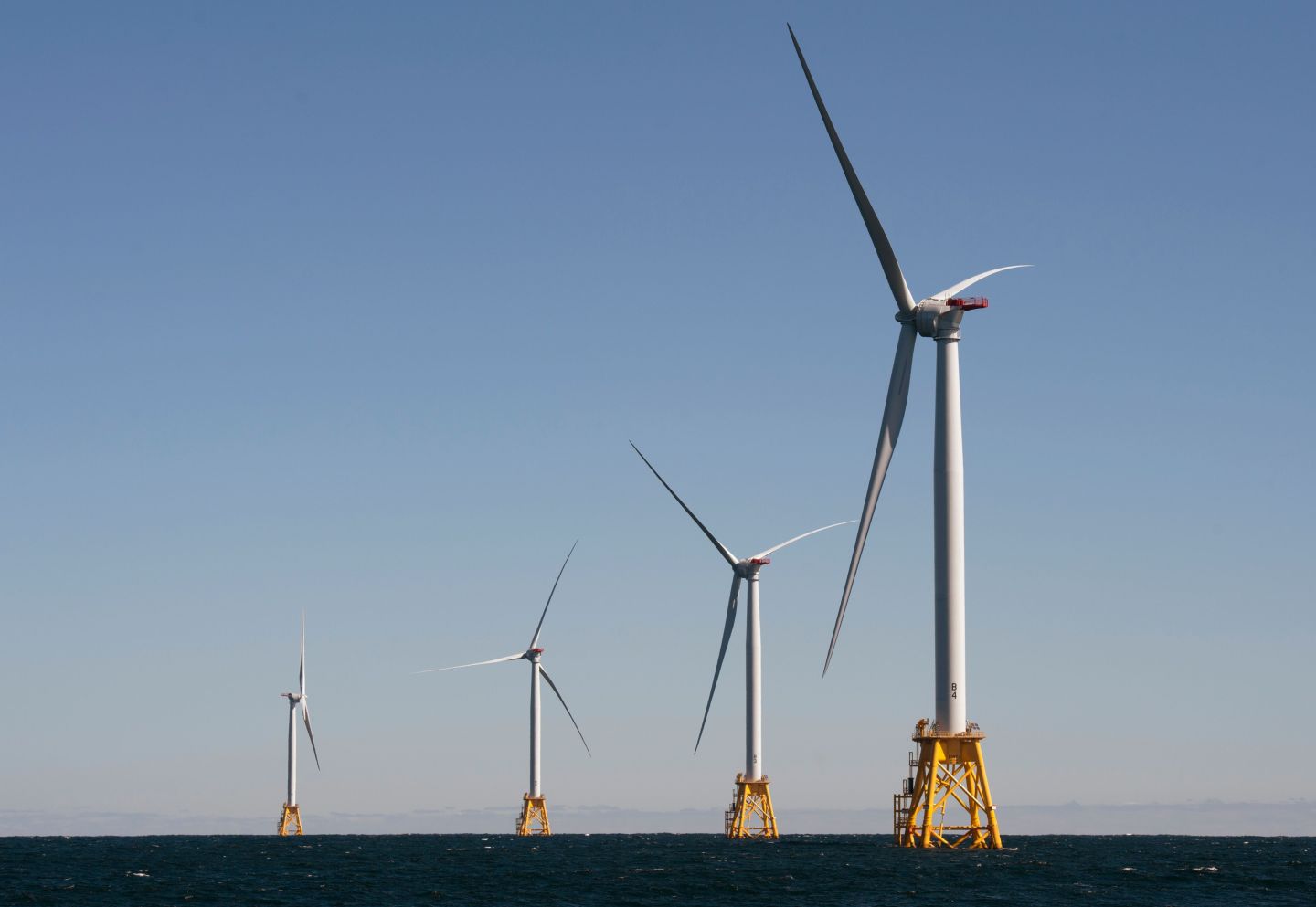
Wind turbines, of the Block Island Wind Farm, tower above the water on October 14, 2016 off the shores of Block Island, Rhode Island.
Photograph by Don Emmert—AFP/Getty Images

After the most contentious election in modern history, the one bipartisan consensus seems to be that we need to invest in our national infrastructure. While a good starting point, implementation plans have been too centered on the role of government, rather than the role of the private businesses. What’s lost in this debate is that the infrastructure that will provide American jobs and drive future economic growth will not be monolithic, centralized, and inefficient government run projects but rather resilient, flexible, and distributed ones driven by the private sector. This approach would mean more jobs, more economic surplus, and more resilience to both foreseeable and unforeseeable risks—and most importantly, we’d see job growth much sooner.

As America now moves out of the harshest economic challenge of our own lifetimes, it is time to acknowledge that the big-infrastructure era of the Great Depression has ended. The new era of infrastructure doesn’t look like nature-defying hydroelectric facilities or pollution-belching coal-fired power plants. It isn’t just bridges and toll roads. This era of infrastructure looks like on-demand shared transportation like Uber rather than high-speed rail that never gets permitted, much less funded; it looks like your neighbor’s rooftop solar system that saves them a lot of money every day and provides freedom from that monopolistic utility; it looks like the modular wastewater treatment system attached to the local microbrewery that generates clean water, clean energy, and natural fertilizer all at the same time without requiring the costlier, more bureaucratic municipal waste authorities and utilities.

Jobs in the new era of infrastructure are not one-off construction jobs that are gone as soon as they start. These are permanent, high-quality jobs that build industries in local communities. The jobs to build the equipment, develop the projects, build the infrastructure, and then service and manage it over time will not be outsourced but will exist in the USA. Over the past 10 years, the U.S. has created far more jobs with privately-funded, distributed infrastructure than publicly-funded, large-scale infrastructure projects. For example, the Solar Foundation’s national census found the solar industry added workers at a rate nearly 12 times faster than the overall U.S. economy, accounting for 1.2% of all jobs created in our country in 2015.

Flexible, modular infrastructure has to be a much bigger part of the infrastructure conversation on both the federal and state levels. By the time governments have a large monolithic project planned, permitted, financed, and built, they may be doing a ribbon cutting for an already-obsolete project. Think of how long it has taken the planned high-speed rail system in California to get off the ground. By the time it is in use, we could have self-driving or even flying cars getting people between San Francisco and Los Angeles faster, more cheaply, and more efficiently.

As cyber and security threats increase, our big infrastructure remains vulnerable to attacks that could result in costly downtime for our economy and serious security breaches. Distributed infrastructure, on the other hand, can be built to be resilient and fault tolerant. Failures or risks can be isolated and systems can be designed to automatically adjust to attacks.

Importantly, we can build this distributed infrastructure without having taxpayers foot the bill. Big infrastructure is slow, publicly expensive, and politically contentious. The San Francisco Bay Bridge, originally approved in 1995 for a cost of $250 million, wasn’t operational until 18 years later with a $6.5 billion price tag and a heavy reliance on Chinese parts. Between 2009 and 2015, Congress could not come together to pass a highway bill, instead relying on 34 separate short-term bills with no stable funding. In an era of political gridlock in Washington and polarization across the country, modular and efficient infrastructure can be deployed without large appropriations of public capital because developers today have access to private financing sources.

To build this smaller, faster, better infrastructure, we don’t need tax credits or Congressional appropriations. However, policymakers and government agencies can still play a critical role. Streamlining permitting processes helps. Deregulating the transportation, utility, water, and energy sectors could help, too, opening up new competition and providing choice and lower costs for consumers. Accelerating approvals for small business loans from the U.S. Small Business Administration or Small Business Investment Companies, could also make a difference.

We need our elected officials to recognize this new era of modular infrastructure and to enable America’s best asset—its small business entrepreneurs—to create jobs and make America even greater.

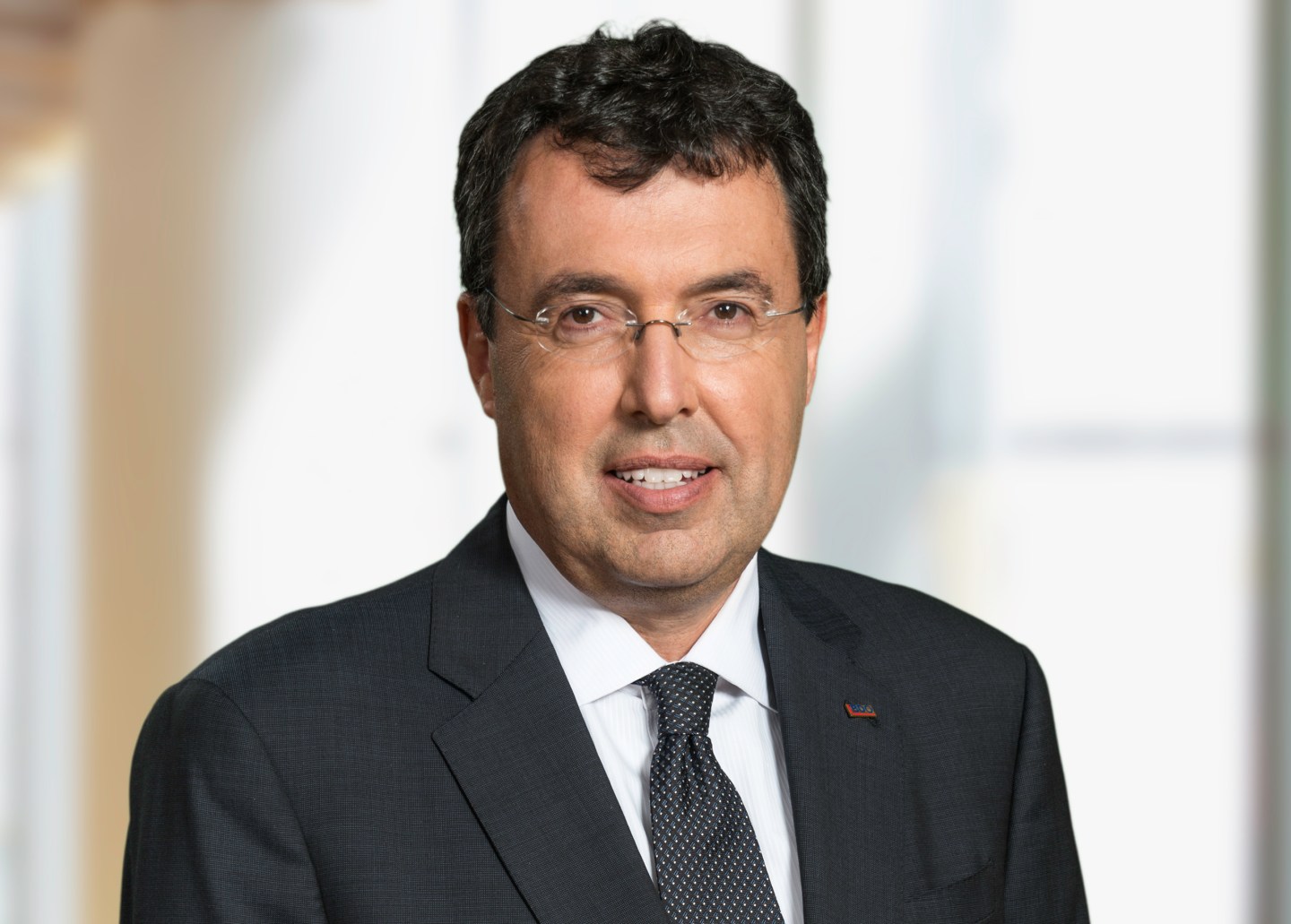
Scott Jacobs is Co-Founder and CEO of Generate Capital, a San Francisco-based specialty finance company that partners with project developers and technology manufacturers globally to finance initiatives that aim to do more with less of our critical resources like energy, water, food and materials.
About the Author
By Scott Jacobs
See full bioRight Arrow Button Icon

Latest in Commentary

Finance
Lorem ipsum dolor sit amet, consectetur adipiscing elit, sed do eiusmod tempor incididunt ut labore et dolore magna aliqua. Ut enim ad minim veniam
By Fortune Editors
October 20, 2025
Finance
Lorem ipsum dolor sit amet, consectetur adipiscing elit, sed do eiusmod tempor incididunt ut labore et dolore magna aliqua. Ut enim ad minim veniam
By Fortune Editors
October 20, 2025
Finance
Lorem ipsum dolor sit amet, consectetur adipiscing elit, sed do eiusmod tempor incididunt ut labore et dolore magna aliqua. Ut enim ad minim veniam
By Fortune Editors
October 20, 2025
Finance
Lorem ipsum dolor sit amet, consectetur adipiscing elit, sed do eiusmod tempor incididunt ut labore et dolore magna aliqua. Ut enim ad minim veniam
By Fortune Editors
October 20, 2025
Finance
Lorem ipsum dolor sit amet, consectetur adipiscing elit, sed do eiusmod tempor incididunt ut labore et dolore magna aliqua. Ut enim ad minim veniam
By Fortune Editors
October 20, 2025
Finance
Lorem ipsum dolor sit amet, consectetur adipiscing elit, sed do eiusmod tempor incididunt ut labore et dolore magna aliqua. Ut enim ad minim veniam
By Fortune Editors
October 20, 2025

Most Popular

Finance
Lorem ipsum dolor sit amet, consectetur adipiscing elit, sed do eiusmod tempor incididunt ut labore et dolore magna aliqua. Ut enim ad minim veniam
By Fortune Editors
October 20, 2025
Finance
Lorem ipsum dolor sit amet, consectetur adipiscing elit, sed do eiusmod tempor incididunt ut labore et dolore magna aliqua. Ut enim ad minim veniam
By Fortune Editors
October 20, 2025
Finance
Lorem ipsum dolor sit amet, consectetur adipiscing elit, sed do eiusmod tempor incididunt ut labore et dolore magna aliqua. Ut enim ad minim veniam
By Fortune Editors
October 20, 2025
Finance
Lorem ipsum dolor sit amet, consectetur adipiscing elit, sed do eiusmod tempor incididunt ut labore et dolore magna aliqua. Ut enim ad minim veniam
By Fortune Editors
October 20, 2025
Finance
Lorem ipsum dolor sit amet, consectetur adipiscing elit, sed do eiusmod tempor incididunt ut labore et dolore magna aliqua. Ut enim ad minim veniam
By Fortune Editors
October 20, 2025
Finance
Lorem ipsum dolor sit amet, consectetur adipiscing elit, sed do eiusmod tempor incididunt ut labore et dolore magna aliqua. Ut enim ad minim veniam
By Fortune Editors
October 20, 2025
Fortune Secondary Logo
Rankings
  • 100 Best Companies
  • Fortune 500
  • Global 500
  • Fortune 500 Europe
  • Most Powerful Women
  • World's Most Admired Companies
  • See All Rankings
  • Lists Calendar
Sections
  • Finance
  • Fortune Crypto
  • Features
  • Leadership
  • Health
  • Commentary
  • Success
  • Retail
  • Mpw
  • Tech
  • Lifestyle
  • CEO Initiative
  • Asia
  • Politics
  • Conferences
  • Europe
  • Newsletters
  • Personal Finance
  • Environment
  • Magazine
  • Education
Customer Support
  • Frequently Asked Questions
  • Customer Service Portal
  • Privacy Policy
  • Terms Of Use
  • Single Issues For Purchase
  • International Print
Commercial Services
  • Advertising
  • Fortune Brand Studio
  • Fortune Analytics
  • Fortune Conferences
  • Business Development
  • Group Subscriptions
About Us
  • About Us
  • Press Center
  • Work At Fortune
  • Terms And Conditions
  • Site Map
  • About Us
  • Press Center
  • Work At Fortune
  • Terms And Conditions
  • Site Map
  • Facebook icon
  • Twitter icon
  • LinkedIn icon
  • Instagram icon
  • Pinterest icon

Latest in Commentary

liberman
Commentarystart-ups
We watched social media concentrate. The same thing is happening in AI, only at a deeper layer
By David Liberman and Daniil LibermanMay 16, 2026
15 hours ago
olivier
CommentaryAnthropic
I’ve been studying Big Tech for a long time. What just happened with Anthropic and the Pentagon terrifies me
By Olivier SylvainMay 16, 2026
16 hours ago
lawyer
CommentaryLaw
Would you hire the lawyer who just got sanctioned for using AI?
By Alexandra SmythMay 16, 2026
18 hours ago
greg
Personal FinanceAviation
Mamdani’s New York is coming to tax your private jet. Here’s how to prepare
By Greg RaiffMay 16, 2026
19 hours ago
chase
CommentaryCities
San Francisco has $2 trillion in AI wealth and can’t fix its own city. That’s every city’s problem
By Chase GarbarinoMay 15, 2026
2 days ago
lori
Commentarymental health
I run Valvoline Instant Oil Change and work with young people every day. They’re in crisis—and we all have to try to help
By Lori FleesMay 15, 2026
2 days ago

Most Popular

Microsoft AI chief gives it 18 months—for all white-collar work to be automated by AI
AI
Microsoft AI chief gives it 18 months—for all white-collar work to be automated by AI
By Jake AngeloMay 16, 2026
16 hours ago
Despite having a $165 million net worth, Scarlett Johansson says work-life balance doesn’t exist—and the first step to success is admitting that
Success
Despite having a $165 million net worth, Scarlett Johansson says work-life balance doesn’t exist—and the first step to success is admitting that
By Preston ForeMay 13, 2026
4 days ago
The Bezos family just donated $100 million to help achieve one of Mayor Zohran Mamdani’s top campaign promises
Politics
The Bezos family just donated $100 million to help achieve one of Mayor Zohran Mamdani’s top campaign promises
By Jake AngeloMay 12, 2026
4 days ago
Meet the 20-year-old CEO who launched a company in high school to solve Gen Z's entry-level job crisis
Future of Work
Meet the 20-year-old CEO who launched a company in high school to solve Gen Z's entry-level job crisis
By Jake AngeloMay 16, 2026
20 hours ago
Former top Russian official admits the country is over Putin and can 'imagine a future without him' — even elites bail as Kremlin seizes their assets 
Politics
Former top Russian official admits the country is over Putin and can 'imagine a future without him' — even elites bail as Kremlin seizes their assets 
By Jason MaMay 16, 2026
6 hours ago
‘You’re not a hero, you’re a liability’: Shark Tank’s Kevin O’Leary warns Gen Z founders to stop glorifying hustle culture
Future of Work
‘You’re not a hero, you’re a liability’: Shark Tank’s Kevin O’Leary warns Gen Z founders to stop glorifying hustle culture
By Jacqueline MunisMay 16, 2026
16 hours ago

© 2026 Fortune Media IP Limited. All Rights Reserved. Use of this site constitutes acceptance of our Terms of Use and Privacy Policy | CA Notice at Collection and Privacy Notice | Do Not Sell/Share My Personal Information
FORTUNE is a trademark of Fortune Media IP Limited, registered in the U.S. and other countries. FORTUNE may receive compensation for some links to products and services on this website. Offers may be subject to change without notice.