• Home
  • Latest
  • Fortune 500
  • Finance
  • Tech
  • Leadership
  • Lifestyle
  • Rankings
  • Multimedia

Trendingnow

1

Microsoft AI chief gives it 18 months—for all white-collar work to be automated by AI

2

Former top Russian official admits the country is over Putin and can 'imagine a future without him' — even elites bail as Kremlin seizes their assets 

3

Meet the 20-year-old CEO who launched a company in high school to solve Gen Z's entry-level job crisis

1

Microsoft AI chief gives it 18 months—for all white-collar work to be automated by AI

2

Former top Russian official admits the country is over Putin and can 'imagine a future without him' — even elites bail as Kremlin seizes their assets 

3

Meet the 20-year-old CEO who launched a company in high school to solve Gen Z's entry-level job crisis
Healthsleep

Night Owl or Early Bird? The Reason Might Be Genetic

By
Laura Entis
Laura Entis
Down Arrow Button Icon
By
Laura Entis
Laura Entis
Down Arrow Button Icon
May 6, 2017, 6:05 AM ET
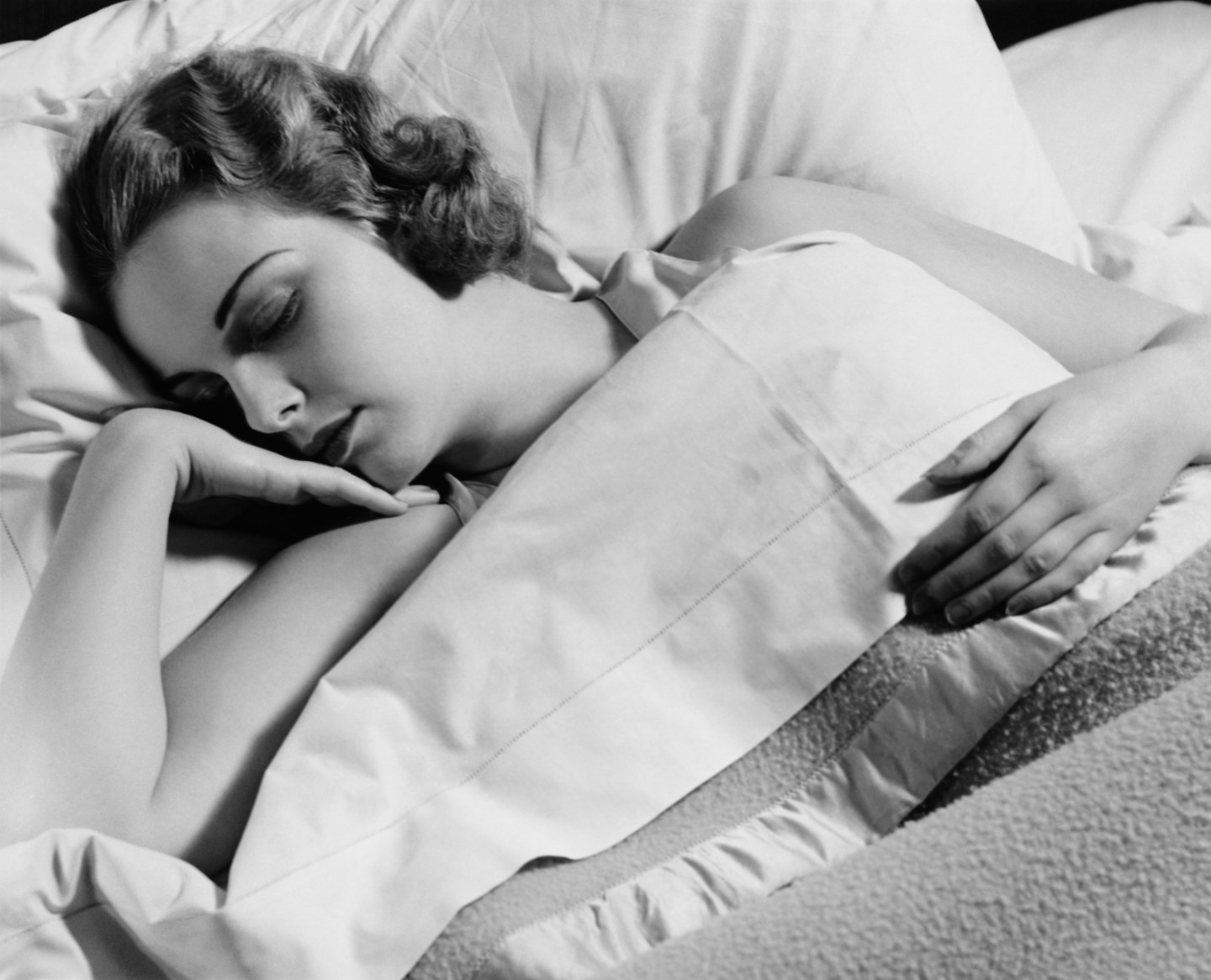
Young woman asleep in bed, (B&W), close-up
George Marks Getty Images

Michael W. Young has been studying sleep disorders for more than 45 years. When he started his research, as a graduate student at the University of Texas in the early 1970s, the field was largely unformed.

We still don’t know exactly why we sleep, but in the intervening decades we’ve learned a lot about the underlying mechanisms. For one, we now know about circadian rhythm, or the body’s internal clock, which dictates sleep-wake cycles. More specifically, we’re starting to pinpoint why this cycle often gets disrupted. By isolating the mutations responsible for changes in the circadian rhythm in flies and mice, researchers are beginning to identify corresponding genes in humans. It’s a slow and imperfect process—we’re (reassuringly) far more complex than either species—but we’re gaining a better understanding of how our genes influence our sleep. For example, Young and a team of researchers recently published a paper in Cell that links delayed sleep phase disorder to a mutation in the CRY1 gene.

Whereas in the past, being a “night owl” or a “morning lark” was attributed to vague mix of genetics and personal preferences, the study gets specific. Those with either one or two copies of the variant CRY1 gene, it found, displayed a more than two-hour shift in night sleep times. Their circadian cycle was delayed, meaning they had a difficult time falling asleep before 2 a.m. or 3 a.m., and, if able, would sleep until 10 a.m. or later.

While it’s unclear the percentage of people with the mutation—it’s likely far less than the percentage of people who identify as night owls, which suggests environmental factors are also at play—the study is a good reminder that sleep is complicated. Our understanding is evolving; there’s still a lot we don’t know.

What is clear: a lack of sleep predisposes us to a host of health issues, including diabetes, obesity and depression. That’s a problem, because many of us aren’t getting enough of it. Between 50 million and 70 million adults in the U.S. have a sleep disorder, according to The Centers for Disease Control and Prevention.

Below, Young outlines some factors believed to play a large role in determining when, and how well, we sleep, along with strategies for adopting a more normal sleep-wake cycle—even when our genetics seem to be hardwired against it.

One clock to rule them all

We evolved on a planet governed by cyclical fluctuations in light and temperature. Over the course of millions of years, our circadian rhythms “developed to anticipate these changes,” says Young. Our internal clocks work on a cellular level; appetite, metabolism, and sleep, along with other bodily functions, are designed to align with daily and yearly shifts in brightness and heat.

A standard circadian rhythm, then, essentially tracks the sun. Enzymes are released in the morning to stimulate metabolism, in anticipation of breakfast. Meanwhile, in the evening, your body temperature falls, and melatonin levels rise in anticipation of sleep. “The energy moving through your body is quite rhythmic,” says Young. Messing with this cellular schedule—staring at a bright light right before bed, for example—can throw these synchronized clocks out of whack.

As mentioned above, a disrupted cycle is often due to environmental factors, and can be cured with better sleep hygiene. But thanks to researchers like Young, we know that’s not always the case—not every individual’s circadian rhythm neatly aligns with external temperature and light cues. In the Cell study, one of the participant’s “habitual bedtime was at 3 a.m. or 4 a.m.,” with a “desired wakeup time between 10 a.m. and noon.” She tested positive for the CRY1 gene mutation, an indication that her internal clock was delayed in comparison with the normal population.

“You can imagine what that does to someone with a normal work schedule,” says Young. “They’re exhausted all the time.”


Wrangling genetics into a livable schedule

So what if you’re a night owl living in a world designed for early mornings? Young’s first suggestion is to figure out whether genetics are actually to blame (a CRY1 mutation can be determined by a spit test, as can other gene mutations linked to sleep disorders). Likely, part of the problem is tied to external, controllable factors, such as going to bed too late, or lying in the dark, staring at the glow from your smartphone. Or perhaps delayed sleep is a contained phase (college students have a tendency sleep in later than the adults they will grow up to become.)

But for individuals who “have a lifelong problem…something that persists and is seemingly hardwired into their biology” making adjustments is more difficult—but not impossible, says Young. One of the participants in the study, a lifelong night owl, tested positive for the CRY1 mutation; she also had a job that required her to wake up around 5 a.m. By sticking to a strict schedule—setting an alarm and waking up at 5 a.m., even on weekends—she was able to partially rewire her sleep-wake cycle. But as with individuals who are genetically predisposed to weight gain, maintaining a meaningful shift required constant vigilance. “If she lets her guard down, and sleeps in at a weekend, it produces all kind of problems,” says Young.

As with a diet, where meals and calories are tightly controlled, Young recommends late-sleepers adopt a schedule in which a variety of factors, including meals, bedtime, wake up time, and exposure to light, are regulated.

Circadian rhythm’s impact likely extends beyond sleep

The analogy to dieting is useful as circadian rhythm is “deeply involved in metabolic control,” says Young. While recreating a similar result in humans isn’t feasible, Young believes, as with sleep, our eating patterns evolved to align with cyclical fluctuations in the environment. Our ancestors’ meals were constricted by external factors, including daylight. Today, of course, that’s no longer the case. “We can switch on the light at any time and make a sandwich,” says Young, “A great amount of people eat around the clock,” says Young, which he believes could be a factor in America’s growing obesity crisis.

“We know that obesity has become a problem in the last century,” he says. Over that same period, our genes haven’t changed. Yes, the amount of calories—particularly via saturated-fats, refined grains, and sugar—has trended steadily upwards. But Young isn’t convinced that this, alone, is enough to explain the spike in our average BMI. Instead, changes in behavior, particularly the American tendency to snack consistently, including right before bed and, frequently, during the night, are also contributors.

Too often, in both sleep and appetite, our schedules are erratic. Modern life has enabled our internal clocks to fall out of whack with the earth’s cycle. Above everything else, Young recommends sticking to a schedule. “We were built to be rhythmic.”
About the Author
By Laura Entis
See full bioRight Arrow Button Icon

Latest in Health

Finance
Lorem ipsum dolor sit amet, consectetur adipiscing elit, sed do eiusmod tempor incididunt ut labore et dolore magna aliqua. Ut enim ad minim veniam
By Fortune Editors
October 20, 2025
Finance
Lorem ipsum dolor sit amet, consectetur adipiscing elit, sed do eiusmod tempor incididunt ut labore et dolore magna aliqua. Ut enim ad minim veniam
By Fortune Editors
October 20, 2025
Finance
Lorem ipsum dolor sit amet, consectetur adipiscing elit, sed do eiusmod tempor incididunt ut labore et dolore magna aliqua. Ut enim ad minim veniam
By Fortune Editors
October 20, 2025
Finance
Lorem ipsum dolor sit amet, consectetur adipiscing elit, sed do eiusmod tempor incididunt ut labore et dolore magna aliqua. Ut enim ad minim veniam
By Fortune Editors
October 20, 2025
Finance
Lorem ipsum dolor sit amet, consectetur adipiscing elit, sed do eiusmod tempor incididunt ut labore et dolore magna aliqua. Ut enim ad minim veniam
By Fortune Editors
October 20, 2025
Finance
Lorem ipsum dolor sit amet, consectetur adipiscing elit, sed do eiusmod tempor incididunt ut labore et dolore magna aliqua. Ut enim ad minim veniam
By Fortune Editors
October 20, 2025

Most Popular

Finance
Lorem ipsum dolor sit amet, consectetur adipiscing elit, sed do eiusmod tempor incididunt ut labore et dolore magna aliqua. Ut enim ad minim veniam
By Fortune Editors
October 20, 2025
Finance
Lorem ipsum dolor sit amet, consectetur adipiscing elit, sed do eiusmod tempor incididunt ut labore et dolore magna aliqua. Ut enim ad minim veniam
By Fortune Editors
October 20, 2025
Finance
Lorem ipsum dolor sit amet, consectetur adipiscing elit, sed do eiusmod tempor incididunt ut labore et dolore magna aliqua. Ut enim ad minim veniam
By Fortune Editors
October 20, 2025
Finance
Lorem ipsum dolor sit amet, consectetur adipiscing elit, sed do eiusmod tempor incididunt ut labore et dolore magna aliqua. Ut enim ad minim veniam
By Fortune Editors
October 20, 2025
Finance
Lorem ipsum dolor sit amet, consectetur adipiscing elit, sed do eiusmod tempor incididunt ut labore et dolore magna aliqua. Ut enim ad minim veniam
By Fortune Editors
October 20, 2025
Finance
Lorem ipsum dolor sit amet, consectetur adipiscing elit, sed do eiusmod tempor incididunt ut labore et dolore magna aliqua. Ut enim ad minim veniam
By Fortune Editors
October 20, 2025
Fortune Secondary Logo
Rankings
  • 100 Best Companies
  • Fortune 500
  • Global 500
  • Fortune 500 Europe
  • Most Powerful Women
  • World's Most Admired Companies
  • See All Rankings
  • Lists Calendar
Sections
  • Finance
  • Fortune Crypto
  • Features
  • Leadership
  • Health
  • Commentary
  • Success
  • Retail
  • Mpw
  • Tech
  • Lifestyle
  • CEO Initiative
  • Asia
  • Politics
  • Conferences
  • Europe
  • Newsletters
  • Personal Finance
  • Environment
  • Magazine
  • Education
Customer Support
  • Frequently Asked Questions
  • Customer Service Portal
  • Privacy Policy
  • Terms Of Use
  • Single Issues For Purchase
  • International Print
Commercial Services
  • Advertising
  • Fortune Brand Studio
  • Fortune Analytics
  • Fortune Conferences
  • Business Development
  • Group Subscriptions
About Us
  • About Us
  • Press Center
  • Work At Fortune
  • Terms And Conditions
  • Site Map
  • About Us
  • Press Center
  • Work At Fortune
  • Terms And Conditions
  • Site Map
  • Facebook icon
  • Twitter icon
  • LinkedIn icon
  • Instagram icon
  • Pinterest icon

Latest in Health

hoeg
HealthFDA
RFK ally confirms she was fired by FDA: ‘I learned so much and leave with no regrets’
By Matthew Perrone and The Associated PressMay 16, 2026
16 hours ago
lawyer
CommentaryLaw
Would you hire the lawyer who just got sanctioned for using AI?
By Alexandra SmythMay 16, 2026
19 hours ago
lori
Commentarymental health
I run Valvoline Instant Oil Change and work with young people every day. They’re in crisis—and we all have to try to help
By Lori FleesMay 15, 2026
2 days ago
Claude is telling users to go to sleep mid-session and nobody, including Anthropic, seems to fully understand why it keeps doing it
AITech
Claude is telling users to go to sleep mid-session and nobody, including Anthropic, seems to fully understand why it keeps doing it
By Marco Quiroz-GutierrezMay 14, 2026
2 days ago
Nonprofit CEOs say Trump’s economy is driving surging demand—and they’re pushed to the brink
Future of Workphilanthropy
Nonprofit CEOs say Trump’s economy is driving surging demand—and they’re pushed to the brink
By Sydney LakeMay 14, 2026
3 days ago
Transparent Labs Protein Powder Review (2026): Nutrition Expert Approved
HealthDietary Supplements
Transparent Labs Protein Powder Review (2026): Nutrition Expert Approved
By Emily PharesMay 14, 2026
3 days ago

Most Popular

Microsoft AI chief gives it 18 months—for all white-collar work to be automated by AI
AI
Microsoft AI chief gives it 18 months—for all white-collar work to be automated by AI
By Jake AngeloMay 16, 2026
17 hours ago
Former top Russian official admits the country is over Putin and can 'imagine a future without him' — even elites bail as Kremlin seizes their assets 
Politics
Former top Russian official admits the country is over Putin and can 'imagine a future without him' — even elites bail as Kremlin seizes their assets 
By Jason MaMay 16, 2026
8 hours ago
Meet the 20-year-old CEO who launched a company in high school to solve Gen Z's entry-level job crisis
Future of Work
Meet the 20-year-old CEO who launched a company in high school to solve Gen Z's entry-level job crisis
By Jake AngeloMay 16, 2026
21 hours ago
The Bezos family just donated $100 million to help achieve one of Mayor Zohran Mamdani’s top campaign promises
Politics
The Bezos family just donated $100 million to help achieve one of Mayor Zohran Mamdani’s top campaign promises
By Jake AngeloMay 12, 2026
4 days ago
Despite having a $165 million net worth, Scarlett Johansson says work-life balance doesn’t exist—and the first step to success is admitting that
Success
Despite having a $165 million net worth, Scarlett Johansson says work-life balance doesn’t exist—and the first step to success is admitting that
By Preston ForeMay 13, 2026
4 days ago
‘You’re not a hero, you’re a liability’: Shark Tank’s Kevin O’Leary warns Gen Z founders to stop glorifying hustle culture
Future of Work
‘You’re not a hero, you’re a liability’: Shark Tank’s Kevin O’Leary warns Gen Z founders to stop glorifying hustle culture
By Jacqueline MunisMay 16, 2026
18 hours ago

© 2026 Fortune Media IP Limited. All Rights Reserved. Use of this site constitutes acceptance of our Terms of Use and Privacy Policy | CA Notice at Collection and Privacy Notice | Do Not Sell/Share My Personal Information
FORTUNE is a trademark of Fortune Media IP Limited, registered in the U.S. and other countries. FORTUNE may receive compensation for some links to products and services on this website. Offers may be subject to change without notice.