• Home
  • Latest
  • Fortune 500
  • Finance
  • Tech
  • Leadership
  • Lifestyle
  • Rankings
  • Multimedia

Exclusive

An hour in the Oval Office with President Trump Fortune Editor-in-Chief: Alyson Shontell sat down with President Trump in the Oval Office for an hour. Tariffs, Intel, AI, Boeing, Iran—and the question every CEO eventually has to answer: who's next?

An hour in the Oval Office with President Trump Fortune Editor-in-Chief: Alyson Shontell sat down with President Trump in the Oval Office for an hour. Tariffs, Intel, AI, Boeing, Iran—and the question every CEO eventually has to answer: who's next?

An hour in the Oval Office with President Trump Fortune Editor-in-Chief: Alyson Shontell sat down with President Trump in the Oval Office for an hour. Tariffs, Intel, AI, Boeing, Iran—and the question every CEO eventually has to answer: who's next?

An hour in the Oval Office with President Trump Fortune Editor-in-Chief: Alyson Shontell sat down with President Trump in the Oval Office for an hour. Tariffs, Intel, AI, Boeing, Iran—and the question every CEO eventually has to answer: who's next?

An hour in the Oval Office with President Trump Fortune Editor-in-Chief: Alyson Shontell sat down with President Trump in the Oval Office for an hour. Tariffs, Intel, AI, Boeing, Iran—and the question every CEO eventually has to answer: who's next?

An hour in the Oval Office with President Trump Fortune Editor-in-Chief: Alyson Shontell sat down with President Trump in the Oval Office for an hour. Tariffs, Intel, AI, Boeing, Iran—and the question every CEO eventually has to answer: who's next?

An hour in the Oval Office with President Trump Fortune Editor-in-Chief: Alyson Shontell sat down with President Trump in the Oval Office for an hour. Tariffs, Intel, AI, Boeing, Iran—and the question every CEO eventually has to answer: who's next?

An hour in the Oval Office with President Trump Fortune Editor-in-Chief: Alyson Shontell sat down with President Trump in the Oval Office for an hour. Tariffs, Intel, AI, Boeing, Iran—and the question every CEO eventually has to answer: who's next?

An hour in the Oval Office with President Trump Fortune Editor-in-Chief: Alyson Shontell sat down with President Trump in the Oval Office for an hour. Tariffs, Intel, AI, Boeing, Iran—and the question every CEO eventually has to answer: who's next?

An hour in the Oval Office with President Trump Fortune Editor-in-Chief: Alyson Shontell sat down with President Trump in the Oval Office for an hour. Tariffs, Intel, AI, Boeing, Iran—and the question every CEO eventually has to answer: who's next?

CommentaryNet neutrality

Commentary: 7 Surprising Things About the End of Net Neutrality

By
Michael Wade
Michael Wade
,
Heidi Gautschi
Heidi Gautschi
, and
Bethany Cianciolo
Bethany Cianciolo
Down Arrow Button Icon
By
Michael Wade
Michael Wade
,
Heidi Gautschi
Heidi Gautschi
, and
Bethany Cianciolo
Bethany Cianciolo
Down Arrow Button Icon
December 13, 2017, 3:42 PM ET

On Thursday, the U.S. Federal Communications Commission (FCC) will almost certainly repeal the American net neutrality rules that went into effect in 2015.

Net neutrality is somewhat of a misnomer—a better descriptor is “content agnostic.” What net neutrality implies is that Internet Service Providers (ISPs) in the U.S.—cable companies and telcos like Comcast (CMCSA) and Verizon (VZ)—must treat all content equally, regardless of what it is or who owns it. For example, AT&T (T) is not currently allowed to provide its subscribers faster access to DirecTV, which it owns, and slower access to Netflix (NFLX), which it does not own. The end of net neutrality would, in theory, allow ISPs to charge more/less for, or slow down/speed up, different types of content.

Removing net neutrality has generated a huge amount of media coverage in the U.S., mostly casting the debate in terms of an epic story of victims and villains.

The victims are American consumers and businesses. As certain content is priced out of reach, the story goes, the Internet will become less rich, small enterprises will suffer, public schools and universities will see their Internet connections slow to a crawl, the best minds will leave the country in frustration, and everyone will pay more for Spotify and Netflix.

The villains are the ISPs, long reviled for high prices, poor service, and aggressive retention tactics. The ISPs lobbied the government hard for this change, and stand to benefit the most at the expense of long-suffering subscribers. Networking and infrastructure companies are also likely to gain, as the rule change will require upgrades to networking hardware and software.

This is a gripping narrative, but how much of it is actually true? Will the end of net neutrality really make a big difference to the average Internet user? We think not.

First, it is worth pointing out that net neutrality rules are quite new—the law was only enacted in mid-2015—although the concept has been around since the 1990s. Prior to 2015, there was no net neutrality and, well, the Internet worked just fine for most people. Occasionally, an ISP was caught slowing down (throttling) certain sites, but public pressure or legal action tended to keep the ISP honest. There is little reason to believe that a future with no net neutrality regulation will be very different from the past.

Second, the issue with net neutrality is multi-speed Internet service, not web censorship. An ISP might be frustrated that Netflix consumes 35% of its bandwidth at peak hours, but it cannot legally block it, with or without net neutrality. Even with no net neutrality, the most that an ISP could do would be to slow down access to Netflix, and charge people for higher speeds. In reality, this is not likely to happen—the public backlash would be too severe. More likely, the ISPs would discriminate by offering their own preferred content faster and cheaper. Ironically, this is already happening under net neutrality regulation: AT&T, for example, offers DirecTV access as a “zero rating” product, i.e. it does not count toward data caps.

Third, the end of net neutrality rules will lead to a closer link between cost and consumption. While net neutrality may be conceptually appealing, it is not equitable. Is it fair that a few super-users are allowed to clog up networks by downloading movies, playing data-hungry online games, and not paying more for it? Why shouldn’t ISPs be allowed to price data according to volume, type, or speed?

Fourth, ISPs could use any extra revenue generated from high-bandwidth users to subsidize the cost to regular users or improve network infrastructure. If they start to charge more for content, then there will be a lot of pressure from subscribers and regulators to improve service levels in return.


Fifth, the practical difference for most subscribers will be minimal. Most ISPs already charge higher prices for higher speeds, or bundle less attractive services (like TV channels you never watch) with more attractive ones (faster Internet access). The only difference without net neutrality would be that slow speeds could affect some sites more than other sites.

Sixth, net neutrality, however intuitively appealing, is a form of government control. History has taught us that government control and intervention often inhibits progress and innovation. If ISPs are less regulated, one might imagine companies springing up that would provide better, faster, and cheaper service, thus promoting innovation.

Finally, ISPs are unlikely to make any quick moves to change the status quo. Legal challenges to the removal of net neutrality are likely, mid-term elections are coming in 2018, and public opinion of ISPs is already low. Most large ISPs have also pledged not to make any dramatic moves in the event that net neutrality is repealed.

Net neutrality is an attractive concept, and its removal might instinctively rub you the wrong way, but that doesn’t mean it should be kept in its current form. Reed Hastings, CEO of Netflix, has stated that net neutrality is “not our primary battle at this point.” If he is not worried, why should the rest of us be?

Michael Wade is director of the Global Center for Digital Business Transformation at IMD. Heidi Gautschi is a research associate at Global Center for Digital Business Transformation at IMD.
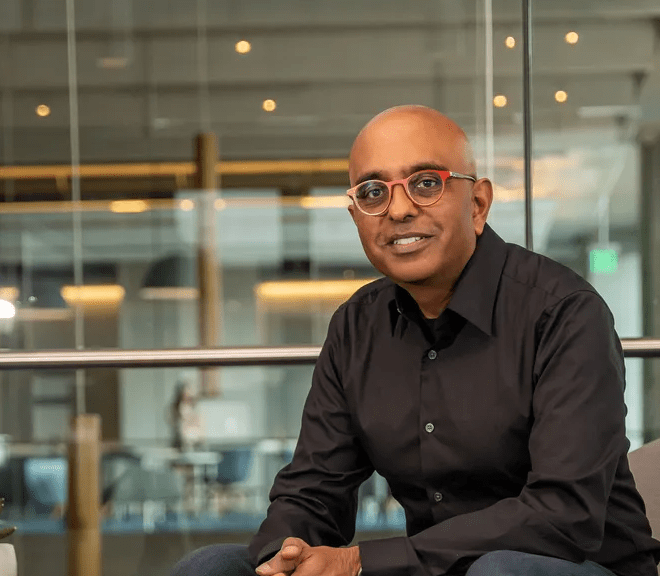
About the Authors
By Michael Wade
See full bioRight Arrow Button Icon
By Heidi Gautschi
See full bioRight Arrow Button Icon
By Bethany Cianciolo
See full bioRight Arrow Button Icon

Latest in Commentary

Finance
Lorem ipsum dolor sit amet, consectetur adipiscing elit, sed do eiusmod tempor incididunt ut labore et dolore magna aliqua. Ut enim ad minim veniam
By Fortune Editors
October 20, 2025
Finance
Lorem ipsum dolor sit amet, consectetur adipiscing elit, sed do eiusmod tempor incididunt ut labore et dolore magna aliqua. Ut enim ad minim veniam
By Fortune Editors
October 20, 2025
Finance
Lorem ipsum dolor sit amet, consectetur adipiscing elit, sed do eiusmod tempor incididunt ut labore et dolore magna aliqua. Ut enim ad minim veniam
By Fortune Editors
October 20, 2025
Finance
Lorem ipsum dolor sit amet, consectetur adipiscing elit, sed do eiusmod tempor incididunt ut labore et dolore magna aliqua. Ut enim ad minim veniam
By Fortune Editors
October 20, 2025
Finance
Lorem ipsum dolor sit amet, consectetur adipiscing elit, sed do eiusmod tempor incididunt ut labore et dolore magna aliqua. Ut enim ad minim veniam
By Fortune Editors
October 20, 2025
Finance
Lorem ipsum dolor sit amet, consectetur adipiscing elit, sed do eiusmod tempor incididunt ut labore et dolore magna aliqua. Ut enim ad minim veniam
By Fortune Editors
October 20, 2025

Most Popular

Finance
Lorem ipsum dolor sit amet, consectetur adipiscing elit, sed do eiusmod tempor incididunt ut labore et dolore magna aliqua. Ut enim ad minim veniam
By Fortune Editors
October 20, 2025
Finance
Lorem ipsum dolor sit amet, consectetur adipiscing elit, sed do eiusmod tempor incididunt ut labore et dolore magna aliqua. Ut enim ad minim veniam
By Fortune Editors
October 20, 2025
Finance
Lorem ipsum dolor sit amet, consectetur adipiscing elit, sed do eiusmod tempor incididunt ut labore et dolore magna aliqua. Ut enim ad minim veniam
By Fortune Editors
October 20, 2025
Finance
Lorem ipsum dolor sit amet, consectetur adipiscing elit, sed do eiusmod tempor incididunt ut labore et dolore magna aliqua. Ut enim ad minim veniam
By Fortune Editors
October 20, 2025
Finance
Lorem ipsum dolor sit amet, consectetur adipiscing elit, sed do eiusmod tempor incididunt ut labore et dolore magna aliqua. Ut enim ad minim veniam
By Fortune Editors
October 20, 2025
Finance
Lorem ipsum dolor sit amet, consectetur adipiscing elit, sed do eiusmod tempor incididunt ut labore et dolore magna aliqua. Ut enim ad minim veniam
By Fortune Editors
October 20, 2025
Fortune Secondary Logo
Rankings
  • 100 Best Companies
  • Fortune 500
  • Global 500
  • Fortune 500 Europe
  • Most Powerful Women
  • World's Most Admired Companies
  • See All Rankings
  • Lists Calendar
Sections
  • Finance
  • Fortune Crypto
  • Features
  • Leadership
  • Health
  • Commentary
  • Success
  • Retail
  • Mpw
  • Tech
  • Lifestyle
  • CEO Initiative
  • Asia
  • Politics
  • Conferences
  • Europe
  • Newsletters
  • Personal Finance
  • Environment
  • Magazine
  • Education
Customer Support
  • Frequently Asked Questions
  • Customer Service Portal
  • Privacy Policy
  • Terms Of Use
  • Single Issues For Purchase
  • International Print
Commercial Services
  • Advertising
  • Fortune Brand Studio
  • Fortune Analytics
  • Fortune Conferences
  • Business Development
  • Group Subscriptions
About Us
  • About Us
  • Press Center
  • Work At Fortune
  • Terms And Conditions
  • Site Map
  • About Us
  • Press Center
  • Work At Fortune
  • Terms And Conditions
  • Site Map
  • Facebook icon
  • Twitter icon
  • LinkedIn icon
  • Instagram icon
  • Pinterest icon

Latest in Commentary

altman
CommentarySam Altman
Musk vs. Altman: AI safety cannot be one man’s job
By Stavros GadinisMay 18, 2026
4 hours ago
charlie
CommentarySoftware
Anaplan CEO: AI isn’t eating software. It’s sorting it
By Charlie GottdienerMay 18, 2026
14 hours ago
shyam
CommentaryHealth
World Economic Forum: women’s health gets only 20% of R&D funding. We must seize this $1 trillion opportunity
By Shyam BishenMay 18, 2026
22 hours ago
murdochs
CommentaryMedia
OpenAI paid $100 million for a talk show. James Murdoch is eyeing an even bigger deal. The hot new asset class is humanity
By Lin CherryMay 17, 2026
2 days ago
dennis
CommentaryAI agents
Freshworks CEO: why agile enterprises are winning the AI race — and what they did differently
By Dennis WoodsideMay 17, 2026
2 days ago
Mary Moreland-Abbott Executive Vice President of Human Resources.
CommentaryRetirement
Gen X is the most indebted generation in America. Their employers can fix that
By Mary MorelandMay 17, 2026
2 days ago

Most Popular

The Bezos family just donated $100 million to help achieve one of Mayor Zohran Mamdani’s top campaign promises
Politics
The Bezos family just donated $100 million to help achieve one of Mayor Zohran Mamdani’s top campaign promises
By Jake AngeloMay 12, 2026
6 days ago
Microsoft AI chief gives it 18 months—for all white-collar work to be automated by AI
AI
Microsoft AI chief gives it 18 months—for all white-collar work to be automated by AI
By Jake AngeloMay 16, 2026
3 days ago
The top foreign holders of U.S. debt may soon dump Treasury bonds and bring their money back home, potentially spiking borrowing costs
Economy
The top foreign holders of U.S. debt may soon dump Treasury bonds and bring their money back home, potentially spiking borrowing costs
By Jason MaMay 17, 2026
1 day ago
SpaceX heads into a record-shattering IPO with the 'deepest moat that exists today' as investors vow to 'never bet against Elon'
Innovation
SpaceX heads into a record-shattering IPO with the 'deepest moat that exists today' as investors vow to 'never bet against Elon'
By Jason MaMay 16, 2026
2 days ago
While Trump insisted the Iran war would end ‘soon,’ an account in his name was buying millions in oil, defense and gold
Economy
While Trump insisted the Iran war would end ‘soon,’ an account in his name was buying millions in oil, defense and gold
By Eva RoytburgMay 18, 2026
7 hours ago
Current price of oil as of May 18, 2026
Personal Finance
Current price of oil as of May 18, 2026
By Joseph HostetlerMay 18, 2026
13 hours ago

© 2026 Fortune Media IP Limited. All Rights Reserved. Use of this site constitutes acceptance of our Terms of Use and Privacy Policy | CA Notice at Collection and Privacy Notice | Do Not Sell/Share My Personal Information
FORTUNE is a trademark of Fortune Media IP Limited, registered in the U.S. and other countries. FORTUNE may receive compensation for some links to products and services on this website. Offers may be subject to change without notice.