• Home
  • Latest
  • Fortune 500
  • Finance
  • Tech
  • Leadership
  • Lifestyle
  • Rankings
  • Multimedia
HealthSandro Galea Series

It Is Time to Think Differently About Health

By
Sandro Galea
Sandro Galea
Down Arrow Button Icon
By
Sandro Galea
Sandro Galea
Down Arrow Button Icon
May 8, 2019, 4:15 PM ET

This piece is part of an ongoing series by Boston University’s Dr. Sandro Galea on the intricacies of health care and public health.

Our health is a public good.

I suspect that statement runs at odds with how most readers think about their health. Is our health not, after all, determined by what we do, what we eat, and how much we exercise? While that is indeed the case, fundamentally, our behaviors are shaped by the world around us, inescapably so. Let me explain.

Public goods are common resources that need to be supported by collective investment. Libraries, parks, highways, national security—these are all examples of public goods, supported by all and accessible to all. The reason they are public goods, rather than individual commodities, is we have decided that they are so fundamental to our wellbeing that they should not be entirely the province of private investment or market forces. Education, for example, benefits everyone—there is no one whose life it does not stand to improve. It is therefore supported by everyone, as a public good.

Health falls in the same category. It is something everyone values—we all desire health, both for ourselves and for those we care about. I have yet to meet anyone, regardless of their political affiliation, who does not want their children to be as healthy as possible.

And we back up this with our money. We spend vast sums on health care each year. Yet, as I have often written, the overwhelming majority of this investment goes to developing drugs and medical technologies, rather than to the core social, economic, and environmental forces that shape health—the world around us that shapes our behavior, and without which our health cannot possibly flourish.

It is, of course, tempting to think that health does not depend on our collective investment, that we can, as individuals, simply buy health for ourselves. We may believe that, if we can just secure access to the best doctors and medicines, our health will be assured.

But is this really possible? After all, we cannot be healthy without clean air and water, safe neighborhoods, a fair economy, and supportive community networks. All of these conditions are themselves public goods, relying on our collective buy-in to thrive. Health is arguably the quintessential public good, depending as it does on a range of component goods, all of which are shaped by common investment.

Unfortunately, over the last 30 years, we in the US have allowed this investment to lapse. The roots of this disinvestment lie in a political philosophy, dominant since roughly the Reagan administration, that prioritizes individual freedom above practically all else, and sees any form of public investment as a potential threat to liberty.

What this philosophy misses, however, is that there are different kinds of freedom. There is “freedom to,” i. e. freedom to speak, to assemble, to do what we wish, when we wish. This form of freedom fits with how our current politics often defines the word. But there is another kind of freedom: “freedom from.” “Freedom from” means freedom from injury and disease, from ignorance, from the preventable hazards that undermine health.

Upholding “freedom from” means investing in public goods. While our politics may have neglected this goal over the last 35 years, our politics once embraced it with a vision that still resonates. This vision was at the heart of the New Deal, an ambitious suite of policies aimed at improving American life at all levels of society, through large-scale government effort.

Around the time of the New Deal, President Franklin Roosevelt said that all people are entitled to four basic freedoms: freedom of speech, freedom of worship, freedom from want, and freedom from fear. His freedoms strike a balance between “freedom to” and “freedom from,” a balance we have lost in our overwhelming focus on the former at the expense of the latter.

At the same time, neither freedom from want nor freedom from fear are possible without some measure of collective investment in creating the conditions for these freedoms to flourish. To maximize freedom, then, we must revive the country’s historic respect for public goods.

Despite political challenges, public goods remain viable in the US precisely because they are necessary for our safety and health. Take road safety. At the turn of the last century, there were six times as many Americans driving as there were in 1925, with an 11-fold increase in the number of motor vehicles on the road. Yet, between 1925 and 1997, the annual motor vehicle death rate fell by 90 percent. Why? Did Americans simply become better drivers?

Not quite. In fact, the death rate fell because we chose to invest in road safety as a public good. We passed laws, created agencies, and educated people, with the goal of creating a robust network of rules and safety procedures to keep our roads safe. And it worked. What is more, it keeps working, largely free of political meddling. It would be difficult to find the politician who attacks road safety as an example of government overreach. This is because road safety laws are so clearly tied to our health.

Are the laws that protect us on the road really so different from the laws that keep us healthy in other areas? When lack of education shortens lives, when dirty air causes disease and death, when economic unfairness widens health gaps between the wealthy and those with less, there is no reason why we should not treat these problems the same way we treat dangerous roads, by tackling them through investment in public goods.

We must make the link between public goods and health as clear as the link between seatbelts and safety. This has profound implications for our thinking about guaranteeing universal access to healthcare, about how we feel about selective investments in infrastructure, in housing, in education, in transportation, in the environment. And it teaches us that if we truly want to be healthy, we have no choice but to embrace public goods as the key to our collective health.

Sandro Galea, MD, DrPH, is Professor and Dean at the Boston University School of Public Health. His latest book is, Well: What we need to talk about when we talk about health. Follow him on Twitter: @sandrogalea

About the Author
By Sandro Galea
See full bioRight Arrow Button Icon

Latest in Health

Finance
Lorem ipsum dolor sit amet, consectetur adipiscing elit, sed do eiusmod tempor incididunt ut labore et dolore magna aliqua. Ut enim ad minim veniam
By Fortune Editors
October 20, 2025
Finance
Lorem ipsum dolor sit amet, consectetur adipiscing elit, sed do eiusmod tempor incididunt ut labore et dolore magna aliqua. Ut enim ad minim veniam
By Fortune Editors
October 20, 2025
Finance
Lorem ipsum dolor sit amet, consectetur adipiscing elit, sed do eiusmod tempor incididunt ut labore et dolore magna aliqua. Ut enim ad minim veniam
By Fortune Editors
October 20, 2025
Finance
Lorem ipsum dolor sit amet, consectetur adipiscing elit, sed do eiusmod tempor incididunt ut labore et dolore magna aliqua. Ut enim ad minim veniam
By Fortune Editors
October 20, 2025
Finance
Lorem ipsum dolor sit amet, consectetur adipiscing elit, sed do eiusmod tempor incididunt ut labore et dolore magna aliqua. Ut enim ad minim veniam
By Fortune Editors
October 20, 2025
Finance
Lorem ipsum dolor sit amet, consectetur adipiscing elit, sed do eiusmod tempor incididunt ut labore et dolore magna aliqua. Ut enim ad minim veniam
By Fortune Editors
October 20, 2025

Most Popular

Finance
Lorem ipsum dolor sit amet, consectetur adipiscing elit, sed do eiusmod tempor incididunt ut labore et dolore magna aliqua. Ut enim ad minim veniam
By Fortune Editors
October 20, 2025
Finance
Lorem ipsum dolor sit amet, consectetur adipiscing elit, sed do eiusmod tempor incididunt ut labore et dolore magna aliqua. Ut enim ad minim veniam
By Fortune Editors
October 20, 2025
Finance
Lorem ipsum dolor sit amet, consectetur adipiscing elit, sed do eiusmod tempor incididunt ut labore et dolore magna aliqua. Ut enim ad minim veniam
By Fortune Editors
October 20, 2025
Finance
Lorem ipsum dolor sit amet, consectetur adipiscing elit, sed do eiusmod tempor incididunt ut labore et dolore magna aliqua. Ut enim ad minim veniam
By Fortune Editors
October 20, 2025
Finance
Lorem ipsum dolor sit amet, consectetur adipiscing elit, sed do eiusmod tempor incididunt ut labore et dolore magna aliqua. Ut enim ad minim veniam
By Fortune Editors
October 20, 2025
Finance
Lorem ipsum dolor sit amet, consectetur adipiscing elit, sed do eiusmod tempor incididunt ut labore et dolore magna aliqua. Ut enim ad minim veniam
By Fortune Editors
October 20, 2025
Fortune Secondary Logo
Rankings
  • 100 Best Companies
  • Fortune 500
  • Global 500
  • Fortune 500 Europe
  • Most Powerful Women
  • Future 50
  • World’s Most Admired Companies
  • See All Rankings
Sections
  • Finance
  • Fortune Crypto
  • Features
  • Leadership
  • Health
  • Commentary
  • Success
  • Retail
  • Mpw
  • Tech
  • Lifestyle
  • CEO Initiative
  • Asia
  • Politics
  • Conferences
  • Europe
  • Newsletters
  • Personal Finance
  • Environment
  • Magazine
  • Education
Customer Support
  • Frequently Asked Questions
  • Customer Service Portal
  • Privacy Policy
  • Terms Of Use
  • Single Issues For Purchase
  • International Print
Commercial Services
  • Advertising
  • Fortune Brand Studio
  • Fortune Analytics
  • Fortune Conferences
  • Business Development
  • Group Subscriptions
About Us
  • About Us
  • Editorial Calendar
  • Press Center
  • Work At Fortune
  • Diversity And Inclusion
  • Terms And Conditions
  • Site Map
  • About Us
  • Editorial Calendar
  • Press Center
  • Work At Fortune
  • Diversity And Inclusion
  • Terms And Conditions
  • Site Map
  • Facebook icon
  • Twitter icon
  • LinkedIn icon
  • Instagram icon
  • Pinterest icon

Latest in Health

wyle
CommentaryTV
What HBO’s ‘The Pitt’ gets right—and wrong—about treating alcohol use disorder
By Jonathan Hunt-GlassmanApril 2, 2026
2 hours ago
cancer
HealthCancer
Cancer’s grim calculus for the young: their insurance status can determine how long they survive
By Rhonda Winegar, Tara Martin, Zhaoli Liu and The ConversationApril 1, 2026
19 hours ago
Hungryroot Review 2026: What We Like About This Unique Meal Delivery
Healthmeal delivery
Hungryroot Review 2026: What We Like About This Unique Meal Delivery
By Emily PharesApril 1, 2026
19 hours ago
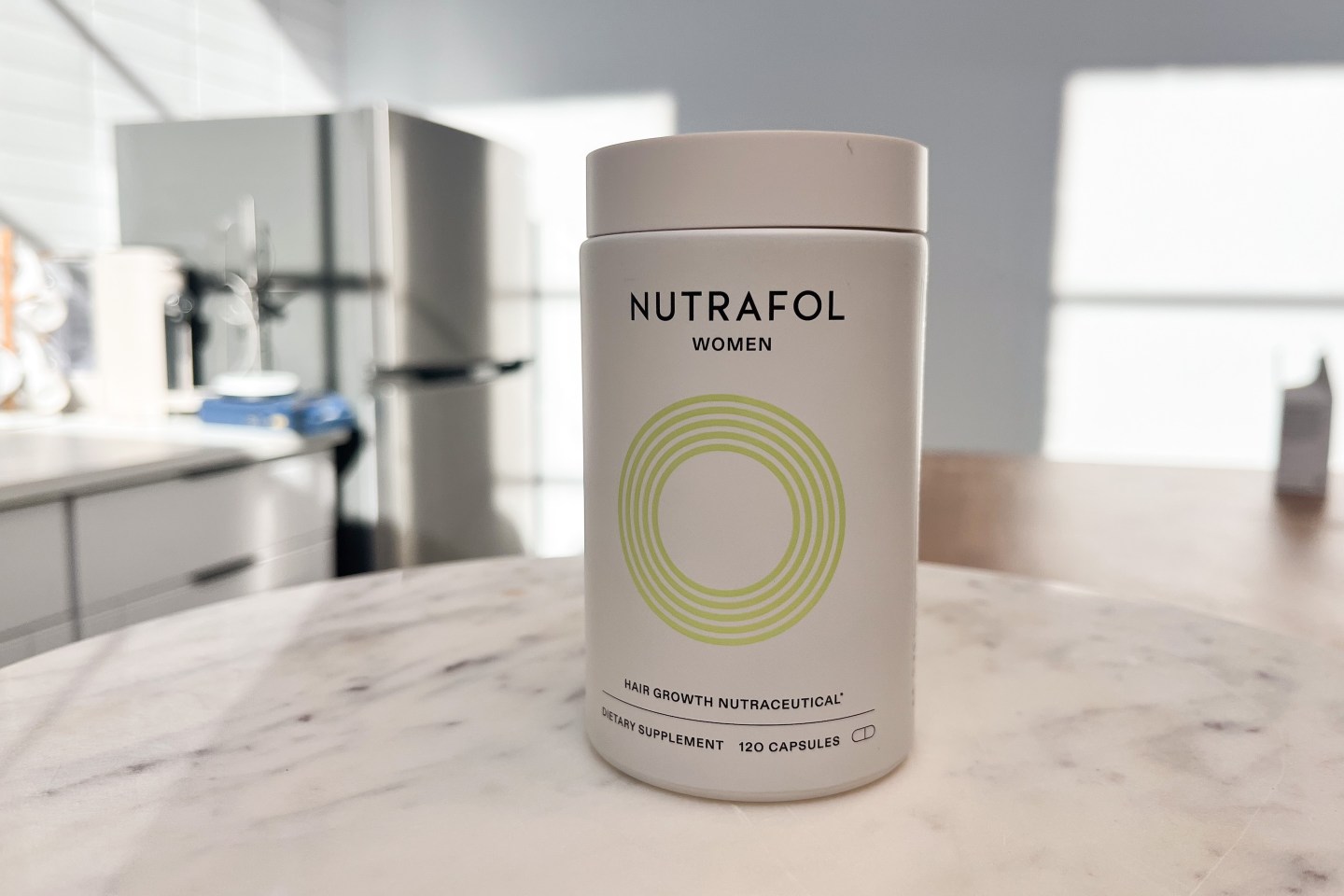
Nutrafol Review 2026: Ingredients, Cost, and Whether It Works
HealthDietary Supplements
Nutrafol Review 2026: Ingredients, Cost, and Whether It Works
By Christina SnyderApril 1, 2026
22 hours ago
gen z
CommentaryGen Z
Gen Z is engineering an analog future — and it’s at least a $5 billion opportunity
By Luba KassovaApril 1, 2026
1 day ago
sheryl
HealthLean In
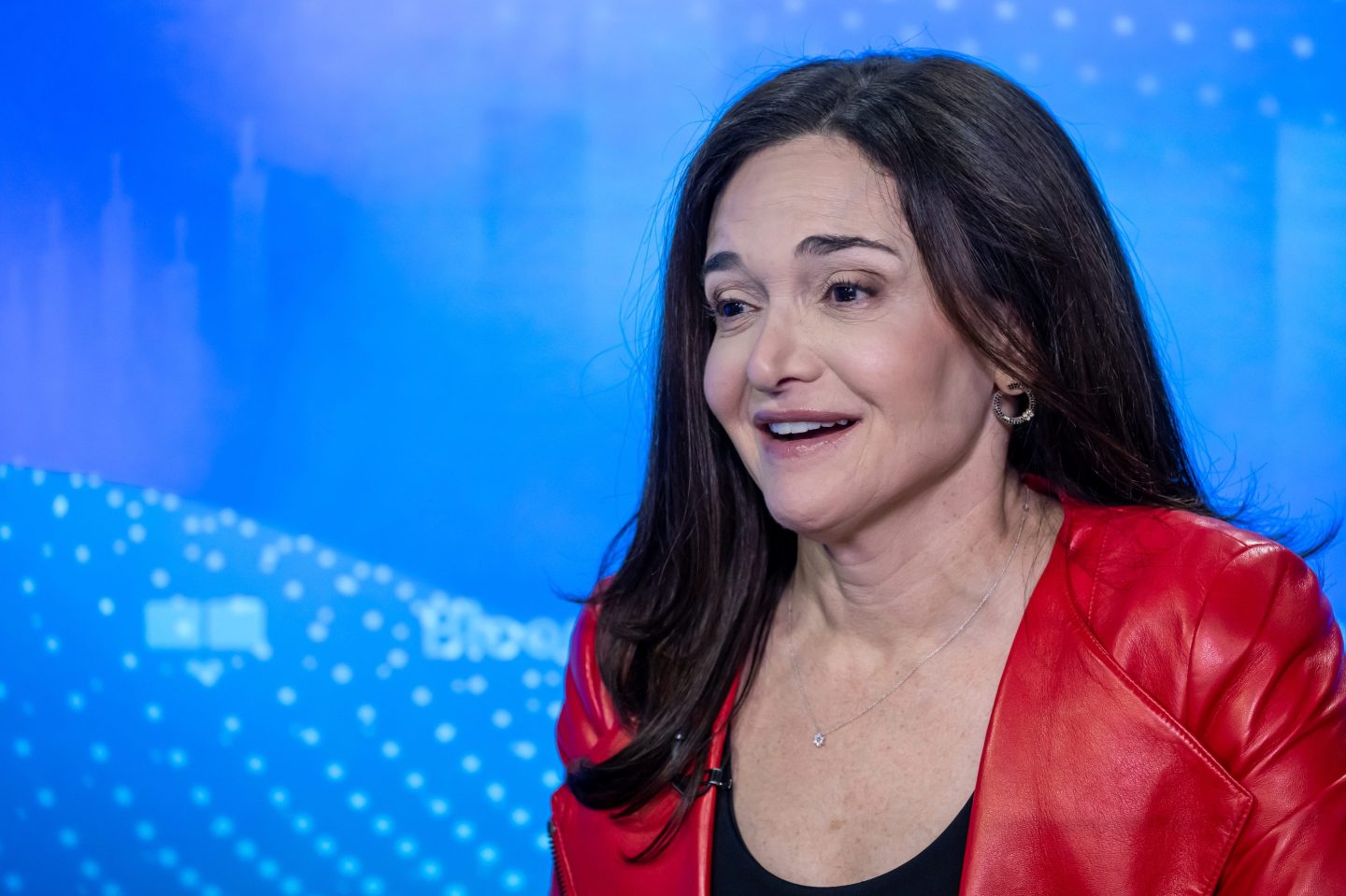
Sheryl Sandberg tapped a 25-year-old to run Lean In. Here’s her plan to close the AI gender gap
By Jacqueline MunisApril 1, 2026
1 day ago

Most Popular

Gen Z fled San Francisco for Texas and Florida. Now they’re turning ‘welcomer cities’ into the next big tech towns
Real Estate
Gen Z fled San Francisco for Texas and Florida. Now they’re turning ‘welcomer cities’ into the next big tech towns
By Fortune EditorsApril 2, 2026
8 hours ago
Current price of gold as of April 1, 2026
Personal Finance
Current price of gold as of April 1, 2026
By Fortune EditorsApril 1, 2026
1 day ago
Two-thirds of parents say their adult Gen Z kids still rely on them financially  for support—even though it's putting them under strain
Success
Two-thirds of parents say their adult Gen Z kids still rely on them financially  for support—even though it's putting them under strain
By Fortune EditorsMarch 31, 2026
2 days ago
Current price of oil as of April 1, 2026
Personal Finance
Current price of oil as of April 1, 2026
By Fortune EditorsApril 1, 2026
1 day ago
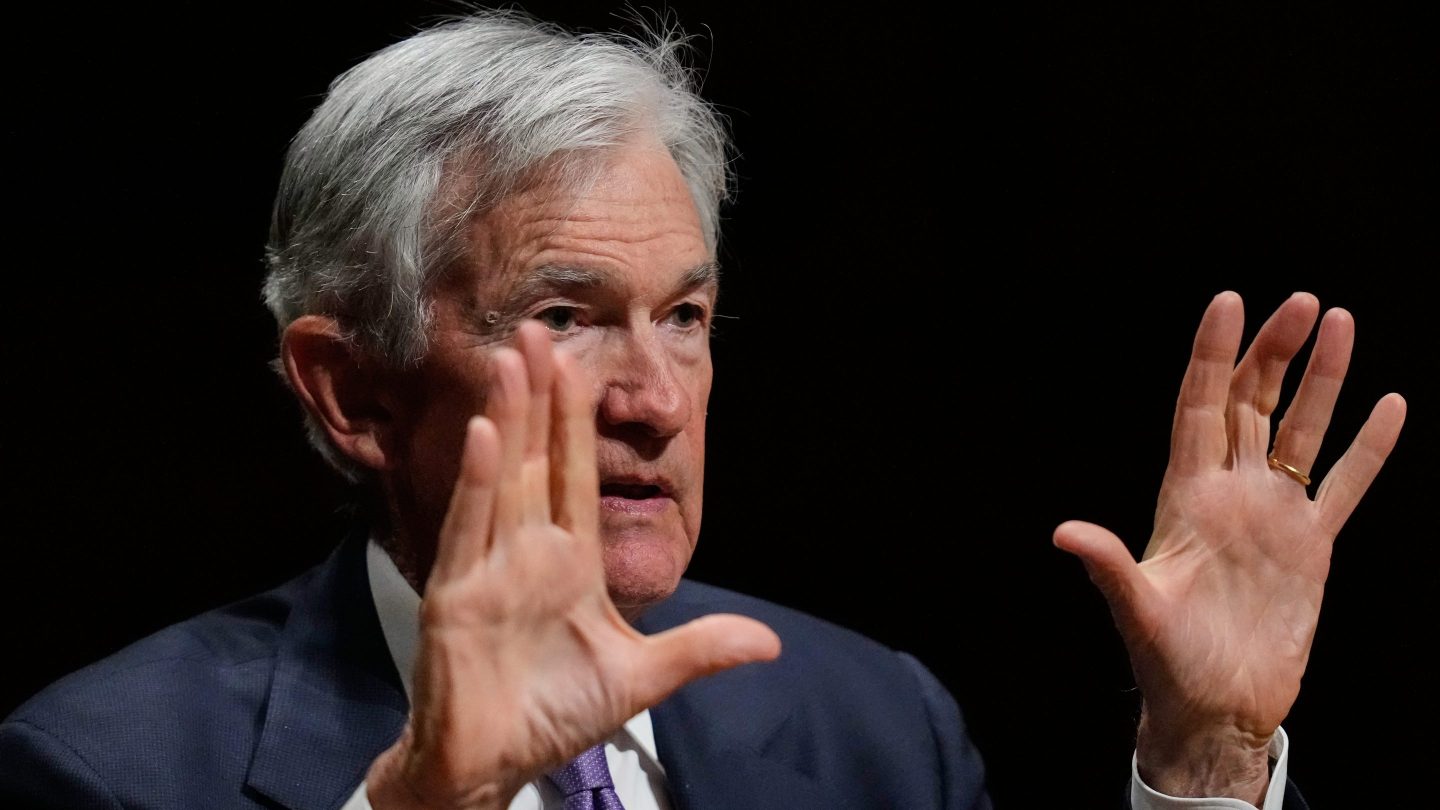
Jerome Powell says the $39 trillion national debt is ‘not unsustainable,’ but warns the trajectory ‘will not end well’
Economy
Jerome Powell says the $39 trillion national debt is ‘not unsustainable,’ but warns the trajectory ‘will not end well’
By Fortune EditorsMarch 30, 2026
3 days ago
2 years after Musk challenged Zuckerberg to a cage match, they were texting about DOGE and a joint OpenAI bid, court records reveal
Law
2 years after Musk challenged Zuckerberg to a cage match, they were texting about DOGE and a joint OpenAI bid, court records reveal
By Fortune EditorsMarch 31, 2026
2 days ago

© 2026 Fortune Media IP Limited. All Rights Reserved. Use of this site constitutes acceptance of our Terms of Use and Privacy Policy | CA Notice at Collection and Privacy Notice | Do Not Sell/Share My Personal Information
FORTUNE is a trademark of Fortune Media IP Limited, registered in the U.S. and other countries. FORTUNE may receive compensation for some links to products and services on this website. Offers may be subject to change without notice.