• Home
  • Latest
  • Fortune 500
  • Finance
  • Tech
  • Leadership
  • Lifestyle
  • Rankings
  • Multimedia

Trendingnow

1

Egg companies made $1.22 billion in profit off a $6 carton — now they’re buying their way out of a price-fixing case with 53 million donated eggs

2

Even as Elon Musk calls philanthropy ‘very hard,’ everyday Americans gave a record $617 billion—despite feeling the squeeze over the cost of living

3

Meet the Zillennials: The luckiest micro-generation in the workforce, born between 1993 and 1998

1

Egg companies made $1.22 billion in profit off a $6 carton — now they’re buying their way out of a price-fixing case with 53 million donated eggs

2

Even as Elon Musk calls philanthropy ‘very hard,’ everyday Americans gave a record $617 billion—despite feeling the squeeze over the cost of living

3

Meet the Zillennials: The luckiest micro-generation in the workforce, born between 1993 and 1998
Tech

How Fitbit and other wearables can help detect the spread of COVID-19

By
Aaron Pressman
Aaron Pressman
Down Arrow Button Icon
By
Aaron Pressman
Aaron Pressman
Down Arrow Button Icon
July 19, 2020, 4:00 PM ET
Add Fortune on Google for similar content.

Dr. Eric Topol has an plan for an early warning system that detects small COVID-19 outbreaks before they spread out of control.

Instead of requiring people to take frequent coronavirus tests, which have proven costly and slow in being processed, the Scripps Research professor’s system works by relying on anonymized data collected from thousands of volunteers who wear smartwatches and fitness trackers. During a trial that started in March, the system has been able to provide an early warning of small regional outbreaks by looking for a telltale symptom of infection that’s easy to spot in the health data collected by wearables: a rise in resting heart rates.

“There’s no way to get real surveillance with just testing,” Topol says. “We can’t do it frequently enough on a mass scale. But this you can do on that scale and you’re going to get a continuous signal.”

The entire wearables industry has mobilized to help combat the spread of COVID-19, as scientists have found that even simple data collected by the devices such as heart rates, amount of sleep, and number of steps per day can be used to help predict disease outbreaks. Then health authorities can home in on the hotspots early to limit the spread of the disease.

Fitbit, Apple, Garmin and others have donated devices to further some early studies and have helped spread the word by encouraging their customers to participate. Some research is also looking at whether apps could be designed to give warnings to individual users, suggesting that they should quarantine and get tested as soon as possible.

There’s still one major problem for Topol’s project, called the Digital Engagement & Tracking for Early Control & Treatment, or DETECT, study. With only about 40,000 participants, it’s too small to provide strong warning signals nationwide. “To do it well, we need pretty dense coverage,” Topol says, like hundreds of thousands to millions of participants.

Fitbit and pharmacy chains CVS and Walgreens have helped spread the word, but it hasn’t been nearly enough yet. Anyone who is interested can sign up at the web site that Scripps set up.

In Germany, the national health research agency, the Robert Koch Institute, backed a similar effort and quickly signed up more than half a million volunteers. Combined with other measures, like contact tracing teams, the wearables data helped Germany get the epidemic under control. The country is seeing only about 500 new cases daily, down from a peak of almost 7,000 daily in March.  

“We don’t have anything like that coordinated national effort here,” Topol says. “We don’t have national support.”

At Fitbit, the hope is also to develop a warning for individual users in addition to contributing to regional warning systems like DETECT. Researchers are looking for a confluence of symptoms indicating an early sign of infection.

“How can we help say that someone should go get testing and when they should go get testing,” Fitbit co-founder and chief technology officer Eric Friedman asks. “We thought some of the disease detection work that we were already working on could be useful.”

So the company added a COVID-19 tracking study right in its own app. So far 100,000 people have agreed to participate including 900 who have tested positive for the disease. That has allowed researchers to review the Fitbit data from before the positive tests to look for warning signs and the early analysis is promising.

“We are hoping to have something available to people at some point,” Friedman says without getting more specific. The company isn’t ready to announce any kind of COVID-19 warning feature yet, he says.

Apple, the maker of the Apple Watch, declined to comment.

Garmin said it is participating in many studies related to COVID-19 detection but doesn’t have a feature to alert individual users. Still, Garmin users could monitor trends in their own health data to look for warning signs, says Scott Burgett, director of Garmin health engineering.

“The more you know about your body and what your ‘baseline’ is, the more you’re able to tell if something is off,” he says. “Because Garmin lets you see your health stats over time, it is easy to track trends and notice deviations.”

A study at the University of California San Francisco is monitoring volunteers who wear an Oura Ring, a $300 smart ring worn on a finger that collects data including pulse rate, temperature, and movement. UCSF Prof. Ashley Mason, who is working on the study, said it was too soon to draw any conclusions, however. “We can’t comment on implications in the absence of rigorously collected and reviewed data,” she says.

One potential problem with the wearables-based COVID-19 warning systems, which has plagued other tech-related health initiatives, is the uneven distribution of the devices. If people in low-income neighborhoods are less likely to own smartwatches or sign up to participate in the warning projects, for example, they won’t get the benefit of the early warnings.

For Duke University’s COVID-19 wearables study, called CovIdentify, the researchers are trying to address the problem of unequal access by seeking donations from companies like Apple and Garmin and distributing free devices.

“We are absolutely concerned,” says Dr. Jessilyn Dunn, who is leading the university’s efforts. “We are seeking additional funding and/or partnerships with wearables companies to better include underserved communities so that the technology is developed equitably.”  
About the Author
By Aaron Pressman
See full bioRight Arrow Button Icon
Add Fortune on Google for similar content.

Latest in Tech

Finance
Lorem ipsum dolor sit amet, consectetur adipiscing elit, sed do eiusmod tempor incididunt ut labore et dolore magna aliqua. Ut enim ad minim veniam
By Fortune Editors
October 20, 2025
Finance
Lorem ipsum dolor sit amet, consectetur adipiscing elit, sed do eiusmod tempor incididunt ut labore et dolore magna aliqua. Ut enim ad minim veniam
By Fortune Editors
October 20, 2025
Finance
Lorem ipsum dolor sit amet, consectetur adipiscing elit, sed do eiusmod tempor incididunt ut labore et dolore magna aliqua. Ut enim ad minim veniam
By Fortune Editors
October 20, 2025
Finance
Lorem ipsum dolor sit amet, consectetur adipiscing elit, sed do eiusmod tempor incididunt ut labore et dolore magna aliqua. Ut enim ad minim veniam
By Fortune Editors
October 20, 2025
Finance
Lorem ipsum dolor sit amet, consectetur adipiscing elit, sed do eiusmod tempor incididunt ut labore et dolore magna aliqua. Ut enim ad minim veniam
By Fortune Editors
October 20, 2025
Finance
Lorem ipsum dolor sit amet, consectetur adipiscing elit, sed do eiusmod tempor incididunt ut labore et dolore magna aliqua. Ut enim ad minim veniam
By Fortune Editors
October 20, 2025

Most Popular

Finance
Lorem ipsum dolor sit amet, consectetur adipiscing elit, sed do eiusmod tempor incididunt ut labore et dolore magna aliqua. Ut enim ad minim veniam
By Fortune Editors
October 20, 2025
Finance
Lorem ipsum dolor sit amet, consectetur adipiscing elit, sed do eiusmod tempor incididunt ut labore et dolore magna aliqua. Ut enim ad minim veniam
By Fortune Editors
October 20, 2025
Finance
Lorem ipsum dolor sit amet, consectetur adipiscing elit, sed do eiusmod tempor incididunt ut labore et dolore magna aliqua. Ut enim ad minim veniam
By Fortune Editors
October 20, 2025
Finance
Lorem ipsum dolor sit amet, consectetur adipiscing elit, sed do eiusmod tempor incididunt ut labore et dolore magna aliqua. Ut enim ad minim veniam
By Fortune Editors
October 20, 2025
Finance
Lorem ipsum dolor sit amet, consectetur adipiscing elit, sed do eiusmod tempor incididunt ut labore et dolore magna aliqua. Ut enim ad minim veniam
By Fortune Editors
October 20, 2025
Finance
Lorem ipsum dolor sit amet, consectetur adipiscing elit, sed do eiusmod tempor incididunt ut labore et dolore magna aliqua. Ut enim ad minim veniam
By Fortune Editors
October 20, 2025
Fortune Secondary Logo
Rankings
  • 100 Best Companies
  • Fortune 500
  • Global 500
  • Fortune 500 Europe
  • Most Powerful Women
  • World's Most Admired Companies
  • See All Rankings
  • Lists Calendar
Sections
  • Finance
  • Fortune Crypto
  • Features
  • Leadership
  • Health
  • Commentary
  • Success
  • Retail
  • Mpw
  • Tech
  • Lifestyle
  • CEO Initiative
  • Asia
  • Politics
  • Conferences
  • Europe
  • Newsletters
  • Personal Finance
  • Environment
  • Magazine
  • Education
Customer Support
  • Frequently Asked Questions
  • Customer Service Portal
  • Privacy Policy
  • Terms Of Use
  • Single Issues For Purchase
  • International Print
Commercial Services
  • Advertising
  • Fortune Brand Studio
  • Fortune Analytics
  • Fortune Conferences
  • Business Development
  • Group Subscriptions
About Us
  • About Us
  • Press Center
  • Work At Fortune
  • Terms And Conditions
  • Site Map
  • About Us
  • Press Center
  • Work At Fortune
  • Terms And Conditions
  • Site Map
  • Facebook icon
  • Twitter icon
  • LinkedIn icon
  • Instagram icon
  • Pinterest icon

Latest in Tech

ring
PoliticsTariffs
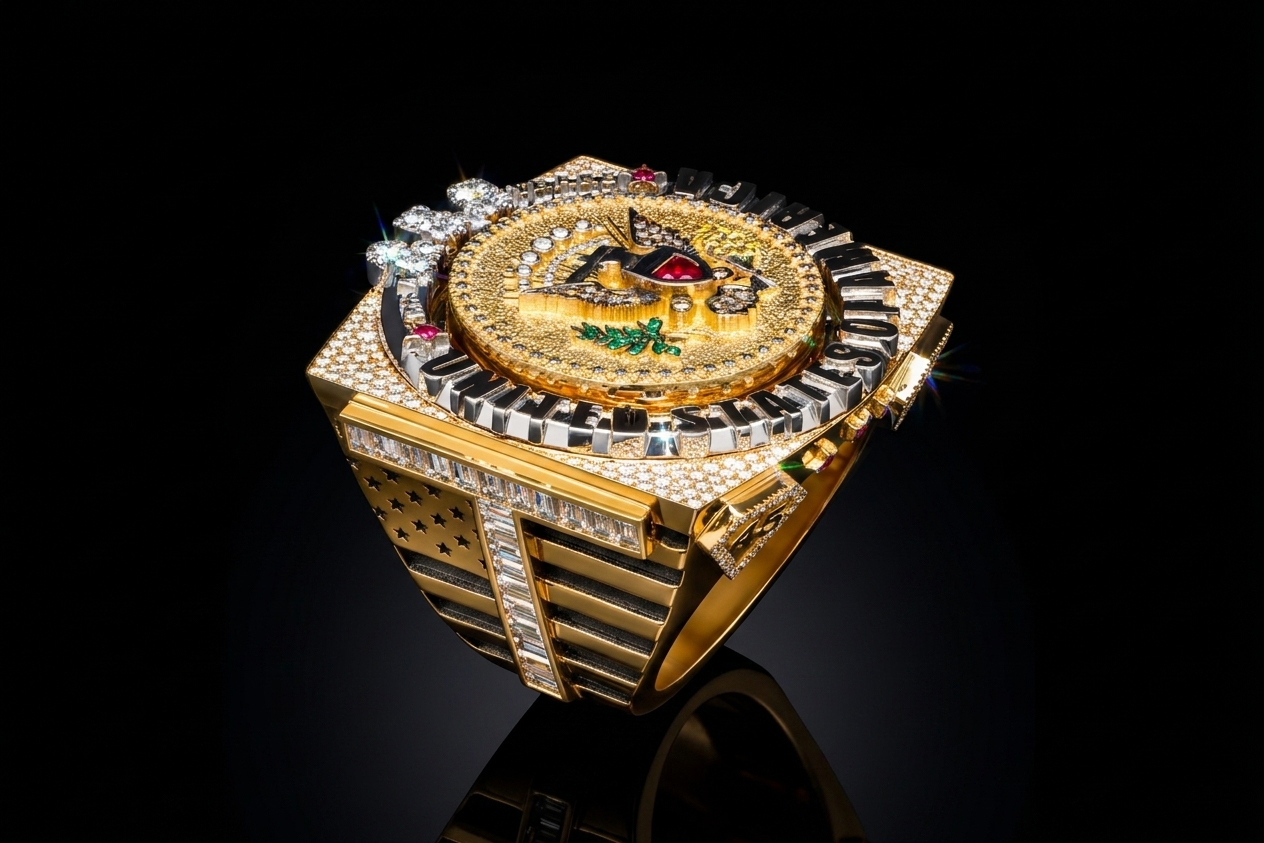
Belgium got its tariffs cut. Then it sent Trump a diamond Superman ring
By Sam McNeil and The Associated PressJuly 4, 2026
10 hours ago
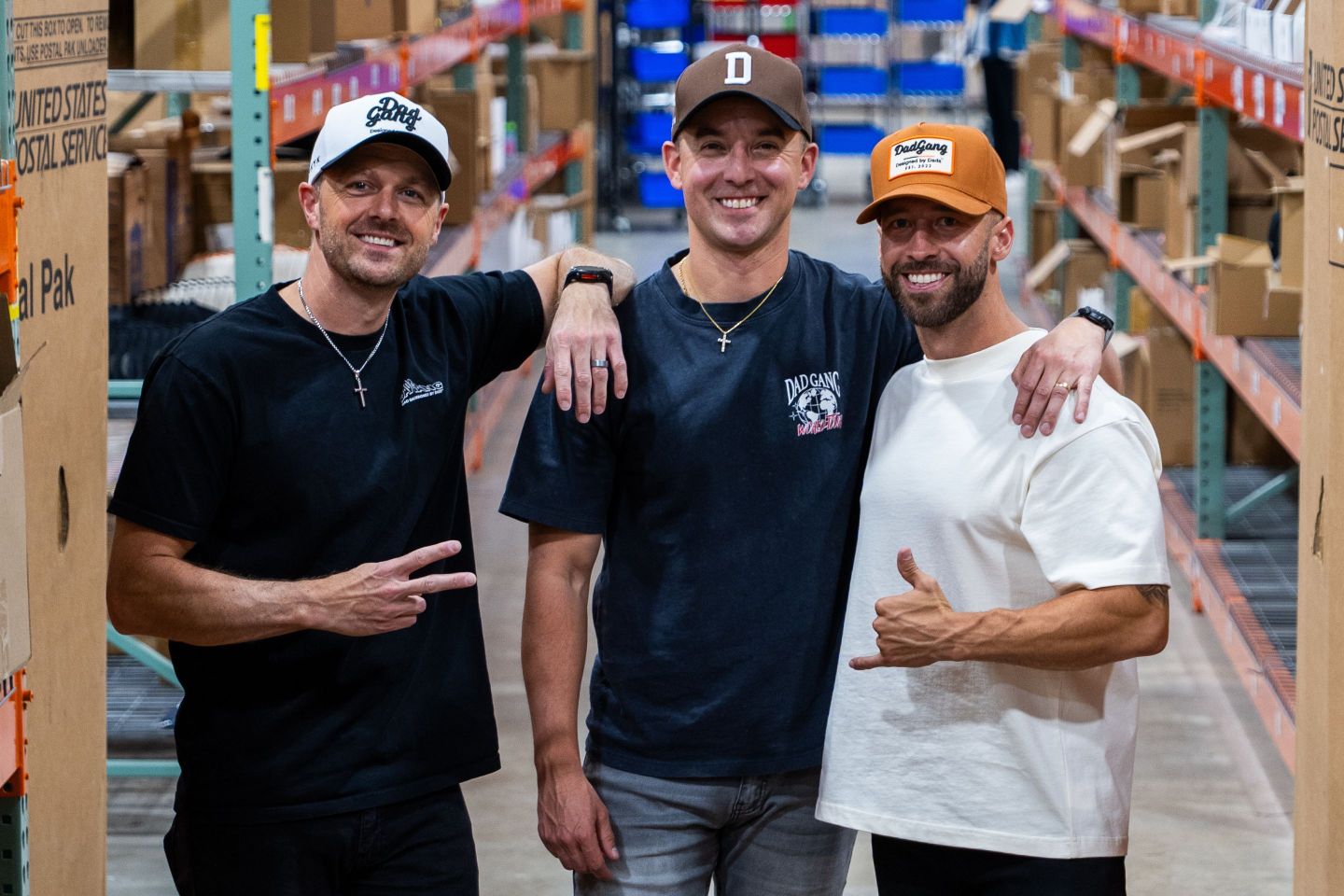
Ejay O'Donnell, Bart Szaniewski, and Grant Eastey wear Dad Gang hats in a factory
SuccessEntrepreneurship
Three dads started selling hats from a garage with $750—now they’ve sold $35 million worth, partnered with Gary Vee, and grown a community of fathers
By Preston ForeJuly 4, 2026
12 hours ago
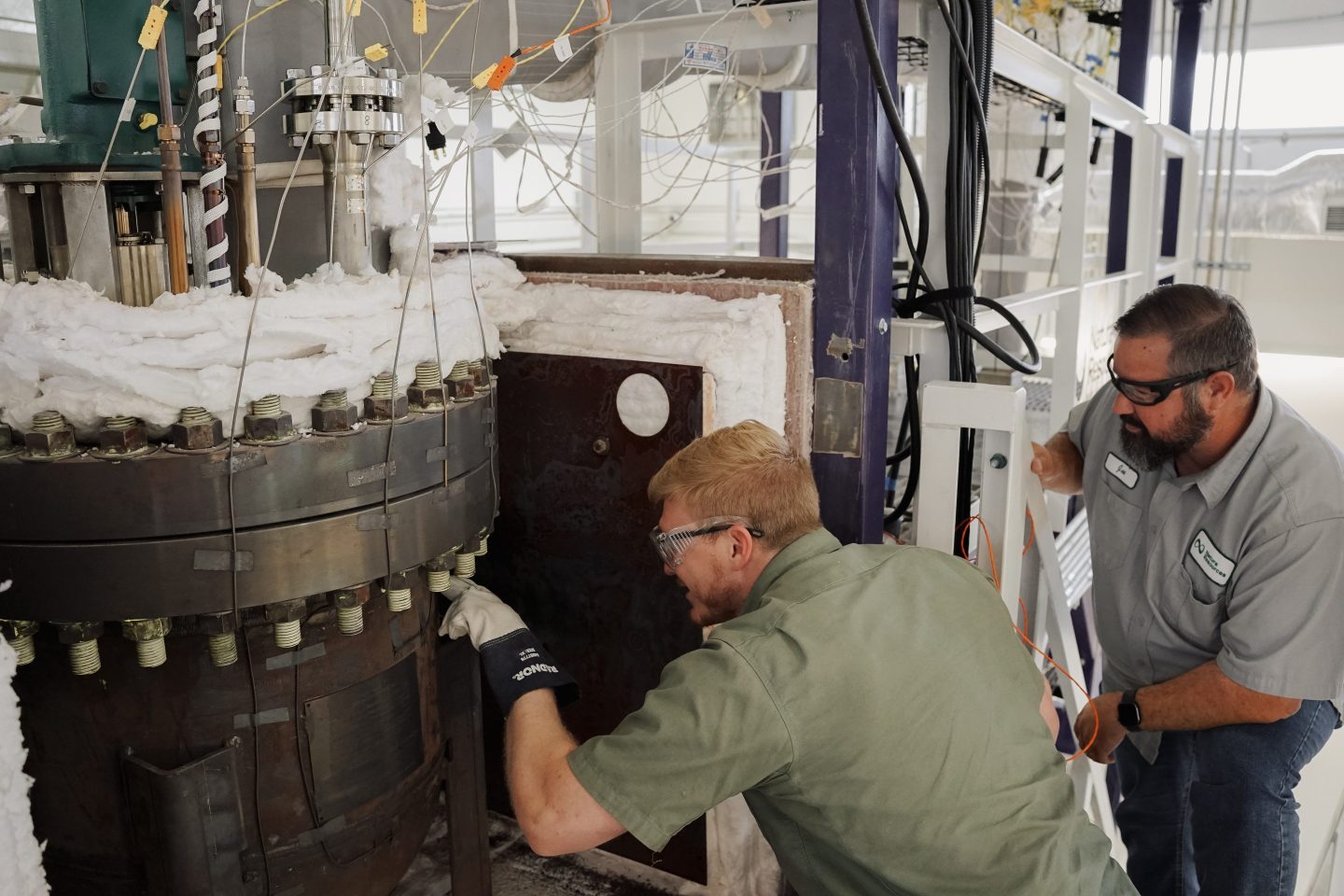
How a third-generation Texas oilman transformed an organic farming company into a leading advanced nuclear startup at a small Christian college
EnergyNuclear
How a third-generation Texas oilman transformed an organic farming company into a leading advanced nuclear startup at a small Christian college
By Jordan BlumJuly 4, 2026
15 hours ago
Americans will eat 150 million hot dogs today. One specific American is predicted to eat 70 of them
North AmericaFood and drink
Americans will eat 150 million hot dogs today. One specific American is predicted to eat 70 of them
By Catherina GioinoJuly 4, 2026
15 hours ago
‘Devin-kun’: Japan embraces agents as legacy code and a shrinking workforce create a perfect market for an AI software engineer 
AsiaAI agents
‘Devin-kun’: Japan embraces agents as legacy code and a shrinking workforce create a perfect market for an AI software engineer 
By Nicholas GordonJuly 3, 2026
1 day ago
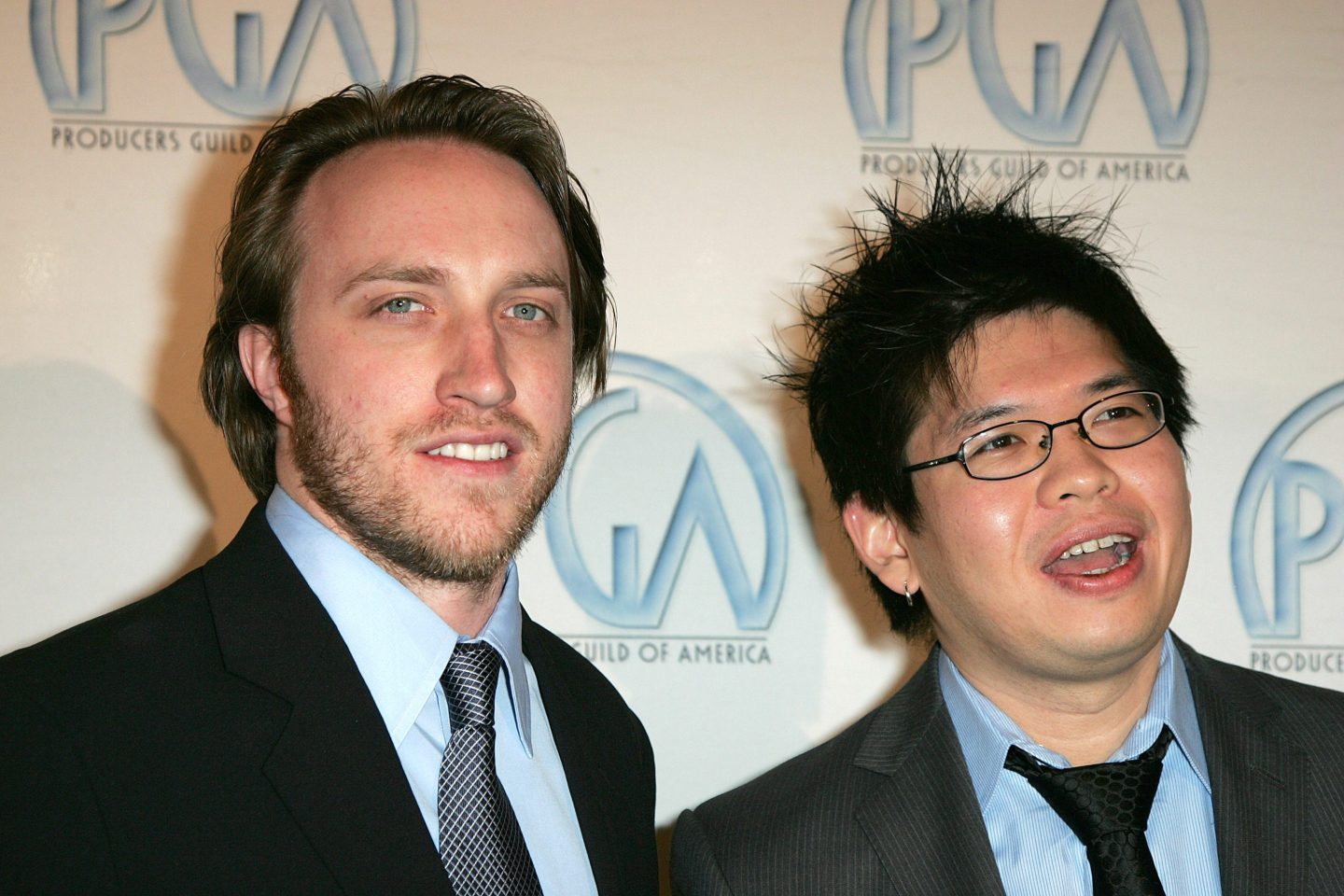
Chad Hurley and Steven Chen wearing suits
SuccessWealth
YouTube’s founders split over $650 million when they sold to Google in 2006—had they held out, they could have taken a slice of $550 billion
By Preston ForeJuly 3, 2026
1 day ago

Most Popular

Egg companies made $1.22 billion in profit off a $6 carton — now they’re buying their way out of a price-fixing case with 53 million donated eggs
Law
Egg companies made $1.22 billion in profit off a $6 carton — now they’re buying their way out of a price-fixing case with 53 million donated eggs
By Wyatte Grantham-Philips and The Associated PressJuly 2, 2026
2 days ago
Even as Elon Musk calls philanthropy ‘very hard,’ everyday Americans gave a record $617 billion—despite feeling the squeeze over the cost of living
Success
Even as Elon Musk calls philanthropy ‘very hard,’ everyday Americans gave a record $617 billion—despite feeling the squeeze over the cost of living
By Preston ForeJuly 4, 2026
15 hours ago
Meet the Zillennials: The luckiest micro-generation in the workforce, born between 1993 and 1998
AI
Meet the Zillennials: The luckiest micro-generation in the workforce, born between 1993 and 1998
By Nick LichtenbergJuly 3, 2026
2 days ago
Economists have found an answer to slowing cognitive decline: Avoid retiring early, study finds
Economy
Economists have found an answer to slowing cognitive decline: Avoid retiring early, study finds
By Sasha RogelbergJuly 2, 2026
2 days ago
$25 billion CEO says one-hour interviews are a waste of time—he puts candidates through six hours of tests and wants them to order wine at lunch
Success
$25 billion CEO says one-hour interviews are a waste of time—he puts candidates through six hours of tests and wants them to order wine at lunch
By Orianna Rosa RoyleJuly 3, 2026
2 days ago
Philanthropy leader at Warren Buffett and Bill Gates’ Giving Pledge says children of billionaires are pushing them to give their wealth away faster
Success
Philanthropy leader at Warren Buffett and Bill Gates’ Giving Pledge says children of billionaires are pushing them to give their wealth away faster
By Preston ForeJune 27, 2026
7 days ago

© 2026 Fortune Media IP Limited. All Rights Reserved. Use of this site constitutes acceptance of our Terms of Use and Privacy Policy | CA Notice at Collection and Privacy Notice | Do Not Sell/Share My Personal Information
FORTUNE is a trademark of Fortune Media IP Limited, registered in the U.S. and other countries. FORTUNE may receive compensation for some links to products and services on this website. Offers may be subject to change without notice.