The U.S. coronavirus vaccine rollout appears to be turning a corner after a rocky start, with 13% of adults fully vaccinated as of March 12, and the White House projecting that we’ll have enough vaccine for everyone by May 1. But some groups of Americans, including low-income workers and members of racial minorities, have been vaccinated at significantly below-average rates.
One apparent culprit of this imbalance is a heavy emphasis on online vaccine booking, which has disadvantaged those with less expertise with, or access to, the Internet. The systems also appear to have been a particularly dangerous hurdle for the population most at risk of death from COVID-19: the elderly.
“Right now, I think we have structural problems,” says Dr. Jacob Reider, head of the Alliance for Better Health. ABH advocates for Medicaid recipients and has been working alongside local health authorities in Albany, N.Y., to make vaccine booking systems there more fair.
Above all, Reider says, vaccine sign-up systems can give an advantage to people with digital skills, the time to scan dozens of different vaccination sites for appointments, and the resources to reach those shots. “People with means have found slots hours from their homes, gotten in their cars, and driven to those sites,” he says, sometimes at the expense of those the sites are meant to serve.
From that imperfect start, health authorities and vaccine administrators have been refining their online booking systems in key ways. The hope is that they’ll make the competition for doses more fair in the near term, but also keep things running smoothly once there’s plenty of vaccine to go around.
The digital divide becomes a vaccine divide
While COVID-19 vaccination sign-up systems like those run by states and pharmacies often have a phone line for booking appointments, they have often been plagued by insurmountable wait times, sometimes because of insufficient staffing. Online sign-ups are lower cost for operators and more convenient for many vaccine seekers.
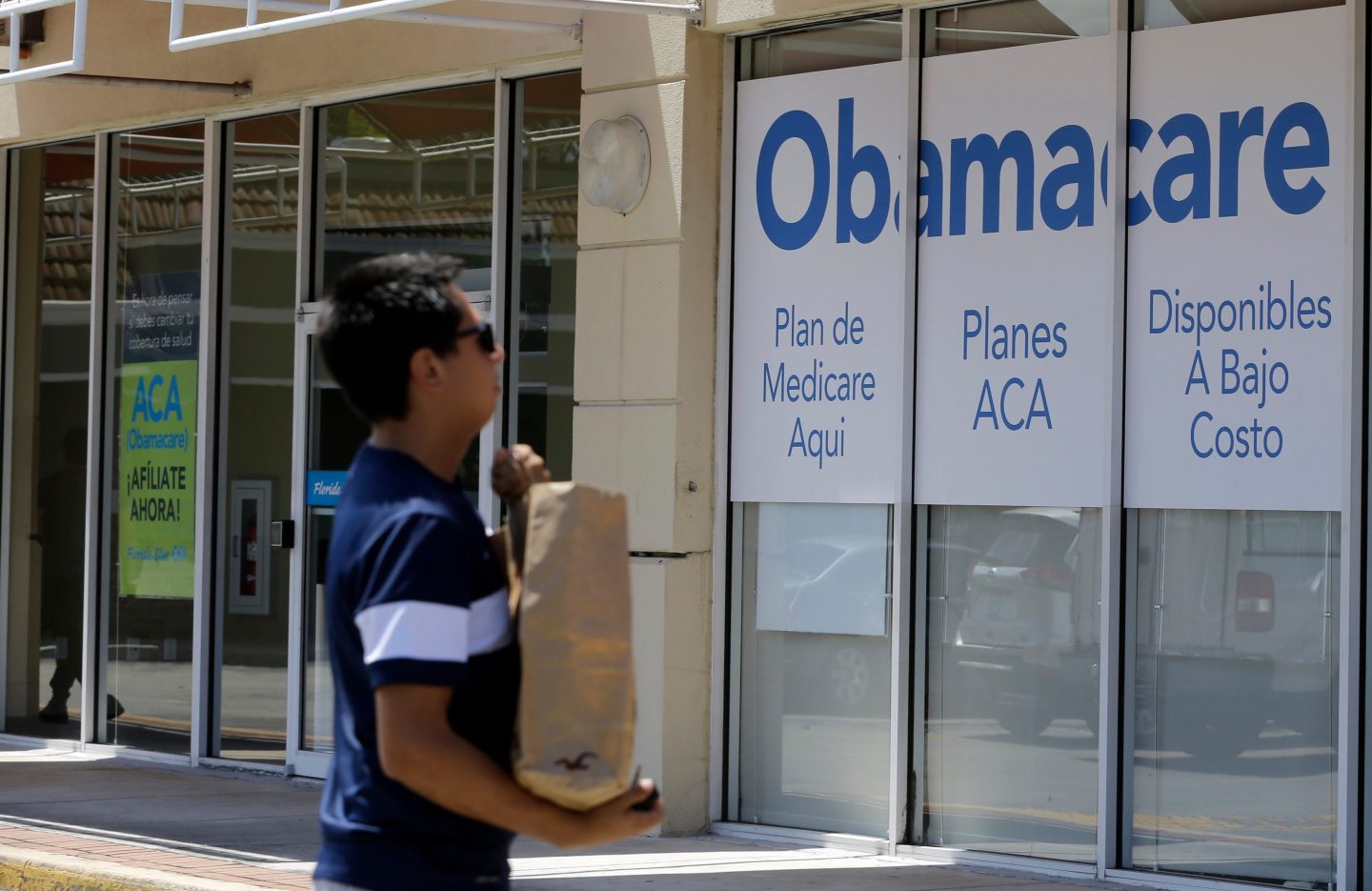
But online sign-ups can be a barrier for those that need the vaccine most. Only about half of Americans over 75 use the Internet at all. Lower-income Americans, roughly half of whom are frontline essential workers, are also less likely to have good Internet access.
Even when getting online isn’t a barrier in itself, the way the registration systems are designed can make it harder for certain people to secure a vaccination. For example, when pharmacies started administering vaccinations in February, large chains including Walgreens required users to set up accounts before they could book appointments. That can be a hindrance to the less tech-savvy.
“The intent [of requiring accounts] was to get the vaccine to the right people,” says Heather Fernandez, cofounder and CEO of medical scheduling platform Solv, which runs vaccine registration systems in five states, including Michigan. “Instead, it just added friction.”
Perhaps most worrisome are sign-up systems that release large blocks of appointments at a specific time, then grant them to whoever makes it through the sign-up process first. That gives an edge to those with tech know-how, multiple or powerful devices, the time to monitor dozens of different vaccine sites, and the transportation needed to get there.
That appears to have contributed to widespread reports of wealthier, whiter Americans snapping up vaccination appointments at inner-city clinics that normally serve mainly the poor and minorities, likely contributing to much lower vaccination rates for Black and Hispanic Americans in particular.
To solve this problem, experts increasingly recommend “virtual waiting rooms” to make things more fair and orderly.
“Everyone who arrives before [a block of appointments opens] will get a random place in line,” says Niels Henrik Sodemann, CEO of Queue-it, which specializes in reducing online ticket-sales fraud. “After that, it’s first come, first served. The idea is that whether you have a fast or slow computer, you have an equal chance of getting a low number.” This week, Queue-it and digital infrastructure firm Akamai announced they had partnered to add virtual waiting rooms to Akamai’s Vaccine Edge sign-up management platform.
In Albany county, Reider and the Alliance for Better Health have pushed a more comprehensive approach known as “preregistration.” Instead of competing to be the fastest clicker or spending hours trying to get through on the phone, patients join a waiting list to be contacted when they’re eligible for an available shot. Managing those lists can be labor intensive for health officials, but Reider says it can also save labor by reducing the number of ineligible people clogging up the system. In Albany county, 34,000 people have preregistered using a system from Alliance, but many of those were not yet eligible or not county residents. Providers in the area will use the preregistration list to contact currently eligible recipients, while others will effectively remain in line until their turn comes.
Preregistration systems aren’t widespread yet, though. California offers a preregistration system, and Maryland launched one on March 13, specifically intended to channel sign-ups to the state’s mass vaccination sites as they expand.
Vaccine-hunting robots
On top of design decisions that lead to inequitable outcomes, online registration systems also have to combat bad actors actively trying to cut the line. “People are trying to snipe these time slots and resell them,” says Sodemann. Scattered reports have surface of attempts to resell appointments on sites like Craigslist, though it’s hard to distinguish these from scams offering nonexistent appointments.
Sodemann says appointments are often sniped using bots, or automated scripts, that can input data much faster than a human, potentially beating real people through the registration process. Sometimes, Sodemann says, real humans working in “digital sweatshops,” often in the developing world, replace the bots. Early vaccine sign-up portals were rolled out by hundreds of different health authorities across the U.S., sometimes using systems not designed for medical booking, making them more vulnerable to such attacks.
It’s familiar territory for Sodemann: A thriving resale market for concert tickets has made botting and other forms of digital scalping endemic in that industry for decades. With COVID-19 shutting down most live events, Sodemann says digital scalpers have turned their attention to the vaccine, as his company has.
“It’s more or less the same as if BTS or one of the big global artists were playing an arena,” he says. “All the [scalping] equipment not being used for concert tickets right now are being used to go after vaccine appointments…There is an increasing amount of that traffic in U.S. and other places, and that is of course not fair.”
Queue-it combats vaccine-seeking bots and spoofers much the same way it fights concert ticket scalpers. That includes monitoring registrants’ behavior to make sure they’re real, such as by detecting whether registration attempts are coming from multiple devices at the same time and location.
Equity online, and in the real world
The finish line for vaccinations in the U.S. may seem just around the corner, but at current rates getting all those shots in arms could take well into the fall. That means making sign-up systems more fair quickly will have significant short-term benefits for groups who have faced barriers.
That could be particularly true since sign-up volumes will be even higher as vaccine eligibility expands. “It’ll be hundreds of thousands of people scrambling for a vaccine,” says Mani Sundaram, chief information officer at Akamai. “So you need that waiting room.”
But COVID-19 isn’t going way either, meaning the systems will also have a long, useful life.
“We’re going to need booster shots,” says Rob Katz, senior director at Salesforce’s office of ethical and humane use. “It’s not like this is a system that’s going to get mothballed in six months. We’re thinking about it with our partners as a long-term commitment that will center…equity, not just for this moment.” Salesforce, like Akamai, is partnering with vaccine administrators to develop and improve registration systems.
The COVID vaccine rollout also offers a vital long-term lesson. It may be the first time a life-and-death matter for all Americans hinged so heavily on being able to use a digital system, highlighting major blind spots for the engineers who design those systems.
“We will bring data saying, have you considered that [a smaller] percent of people in rural areas have access to a smartphone?” says Katz of his team’s work with vaccine administrators. “And that can actually open the eyes of the engineer who might be implementing this who’s sitting in San Francisco or Boston or Nashville.”
That’s especially important because the pandemic has kick-started a broader transition to so-called telehealth services, with remote doctor visits and other online medical services growing by more than 3,000% in 2020. How those systems are designed will be crucial to making sure they don’t reproduce the structural inequities in U.S. health care that have made the coronavirus pandemic such a disproportionate burden on the most vulnerable Americans.