• Home
  • Latest
  • Fortune 500
  • Finance
  • Tech
  • Leadership
  • Lifestyle
  • Rankings
  • Multimedia

Trendingnow

1

MacKenzie Scott alone accounted for one-third of America's $19.2 billion in megagifts last year

2

Philanthropy leader at Warren Buffett and Bill Gates’ Giving Pledge says children of billionaires are pushing them to give their wealth away faster

3

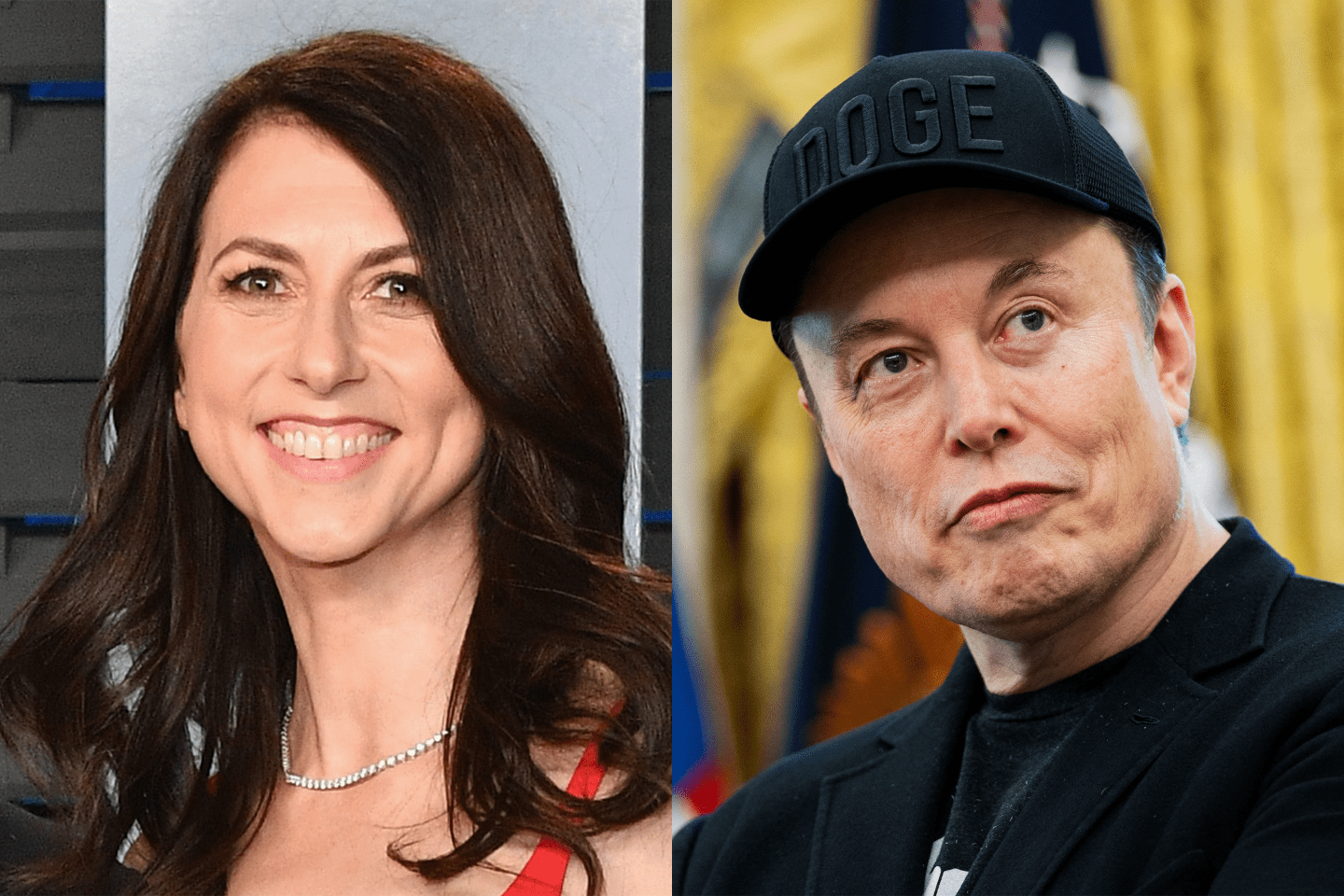
Elon Musk on MacKenzie Scott giving away $26 billion of her fortune: 'Sadly,' it makes the world a worse place

1

MacKenzie Scott alone accounted for one-third of America's $19.2 billion in megagifts last year

2

Philanthropy leader at Warren Buffett and Bill Gates’ Giving Pledge says children of billionaires are pushing them to give their wealth away faster

3

Elon Musk on MacKenzie Scott giving away $26 billion of her fortune: 'Sadly,' it makes the world a worse place
Commentaryconscious capitalism

Stakeholder capitalism isn’t a new idea

By
Carmine Di Sibio
Carmine Di Sibio
Down Arrow Button Icon
By
Carmine Di Sibio
Carmine Di Sibio
Down Arrow Button Icon
April 16, 2021, 9:31 AM ET
commentary-stakeholder capitalism
The development of metrics for ESG performance is helping to implement stakeholder capitalism, writes EY CEO Carmine Di Sibio.Getty Images
Add Fortune on Google for similar content.

The COVID-19 pandemic has made very clear the importance of prioritizing the well-being of customers, communities, and workers. But this isn’t just a moral imperative. The truth is that it’s always made good business sense to have a stakeholder-focused long-term strategy. Companies that invest in their employees and communities are better able to weather crises, understand where their future success lies, and build in resilience.

Earlier this year, nearly 70 companies and global business leaders committed to disclose a set of universal metrics to measure their performance in terms of environmental, social, and governance (ESG) factors. It was the culmination of a years-long initiative led by EY and fellow Big Four organizations, in conjunction with our colleagues at Bank of America and the World Economic Forum’s International Business Council, to help businesses align their own strategic goals with society’s. EY works with companies to implement the principles of stakeholder capitalism in the workplace.

It was also a sign that there is emerging consensus that ESG measurement is central to understanding stakeholder impact, and behind the idea that businesses should focus on long-term value creation over short-term gains.

Stakeholder capitalism isn’t a fad. After the Great Depression of the 1930s and well into the boom of the 1950s, businesses put themselves at the heart of communities. This modern push is, in many ways, a return to fundamentals. We’ve long known that we are all better off—and businesses thrive—when the communities around them do too.

Look at the economic boom that took place following World War II. Pulitzer Prize–winning reporter Hedrick Smith credits much of America’s prosperity in this period to a “virtuous cycle” that companies fostered by investing in their employees and their wider communities. 

According to Smith, “The chief executives of the long postwar boom believed that business success and workers’ well-being ran in tandem.” The prevailing attitude was ensconced in the 1953 classic text, long thought to be the foundation of corporate social responsibility, The Social Responsibility of the Businessman by Howard Bowen—which was republished recently given its sustained relevance to today’s discussion of stakeholder capitalism.

Examples abound of growing companies playing a vital role in their communities. Post–World War II, for example, the automobile industry, which often became a hub in a company town, played an outsize role in “one company town” communities, including distributing emergency food supplies and providing housing, expanding the middle class through higher wages, and offering benefits such as health insurance and pensions.

Starting in the 1970s, however, many businesses veered away from this stakeholder capitalism approach—and toward a model centered around shareholder primacy. A significant number of CEOs adopted Milton Friedman’s credo: the social responsibility of business is to increase profits. 

Strategies aimed at extreme cost-cutting have often led to short-term profits but also to a significant loss of jobs, weakened R&D, a winnowing of efforts to positively impact communities, and damaged value over the long run.  Income inequality has soared, the public has lost trust in the business community, and capitalism itself has been seen by many as doing more harm than good.

But the tide is turning back toward stakeholder capitalism. Companies are working together, such as with the newly formed New York Jobs CEO Council, to increase access to professional working opportunities for underserved communities. There are many other individual companies—including those in retail and consumer, tech, and telecom—who are investing in STEM and professional scholarships to increase opportunities in the markets where they operate.  

Corporations are uniquely positioned to take action on complex issues ranging from climate change to income inequality to racial justice. We are making some progress: Initial research shows that companies that went above and beyond in supporting their employees—including frontline workers—amid the COVID pandemic enjoyed greater financial gains than their peers. And, over the course of the pandemic, trust in business, perhaps generated by these efforts and other problem-solving initiatives, has actually increased. 

But we need to do more.

We need to recognize that workforce and community development is not something we do on the margin, or just as part of philanthropic efforts; it is integral to our growth strategies. We should revive the philosophy of stakeholder capitalism that allowed previous generations to prosper.

By working together, modern business leaders can generate profits while protecting our planet, expanding opportunities for more people, and advancing global prosperity. And we can recapture the spirit of inclusive capitalism that forges stronger, more equitable, and more sustainable communities.

Carmine Di Sibio is global chairman and CEO of EY. 

The views reflected in this article are the views of the author and do not necessarily reflect the views of the global EY organization or its member firms.
About the Author
By Carmine Di Sibio
See full bioRight Arrow Button Icon
Add Fortune on Google for similar content.

Latest in Commentary

Finance
Lorem ipsum dolor sit amet, consectetur adipiscing elit, sed do eiusmod tempor incididunt ut labore et dolore magna aliqua. Ut enim ad minim veniam
By Fortune Editors
October 20, 2025
Finance
Lorem ipsum dolor sit amet, consectetur adipiscing elit, sed do eiusmod tempor incididunt ut labore et dolore magna aliqua. Ut enim ad minim veniam
By Fortune Editors
October 20, 2025
Finance
Lorem ipsum dolor sit amet, consectetur adipiscing elit, sed do eiusmod tempor incididunt ut labore et dolore magna aliqua. Ut enim ad minim veniam
By Fortune Editors
October 20, 2025
Finance
Lorem ipsum dolor sit amet, consectetur adipiscing elit, sed do eiusmod tempor incididunt ut labore et dolore magna aliqua. Ut enim ad minim veniam
By Fortune Editors
October 20, 2025
Finance
Lorem ipsum dolor sit amet, consectetur adipiscing elit, sed do eiusmod tempor incididunt ut labore et dolore magna aliqua. Ut enim ad minim veniam
By Fortune Editors
October 20, 2025
Finance
Lorem ipsum dolor sit amet, consectetur adipiscing elit, sed do eiusmod tempor incididunt ut labore et dolore magna aliqua. Ut enim ad minim veniam
By Fortune Editors
October 20, 2025

Most Popular

Finance
Lorem ipsum dolor sit amet, consectetur adipiscing elit, sed do eiusmod tempor incididunt ut labore et dolore magna aliqua. Ut enim ad minim veniam
By Fortune Editors
October 20, 2025
Finance
Lorem ipsum dolor sit amet, consectetur adipiscing elit, sed do eiusmod tempor incididunt ut labore et dolore magna aliqua. Ut enim ad minim veniam
By Fortune Editors
October 20, 2025
Finance
Lorem ipsum dolor sit amet, consectetur adipiscing elit, sed do eiusmod tempor incididunt ut labore et dolore magna aliqua. Ut enim ad minim veniam
By Fortune Editors
October 20, 2025
Finance
Lorem ipsum dolor sit amet, consectetur adipiscing elit, sed do eiusmod tempor incididunt ut labore et dolore magna aliqua. Ut enim ad minim veniam
By Fortune Editors
October 20, 2025
Finance
Lorem ipsum dolor sit amet, consectetur adipiscing elit, sed do eiusmod tempor incididunt ut labore et dolore magna aliqua. Ut enim ad minim veniam
By Fortune Editors
October 20, 2025
Finance
Lorem ipsum dolor sit amet, consectetur adipiscing elit, sed do eiusmod tempor incididunt ut labore et dolore magna aliqua. Ut enim ad minim veniam
By Fortune Editors
October 20, 2025
Fortune Secondary Logo
Rankings
  • 100 Best Companies
  • Fortune 500
  • Global 500
  • Fortune 500 Europe
  • Most Powerful Women
  • World's Most Admired Companies
  • See All Rankings
  • Lists Calendar
Sections
  • Finance
  • Fortune Crypto
  • Features
  • Leadership
  • Health
  • Commentary
  • Success
  • Retail
  • Mpw
  • Tech
  • Lifestyle
  • CEO Initiative
  • Asia
  • Politics
  • Conferences
  • Europe
  • Newsletters
  • Personal Finance
  • Environment
  • Magazine
  • Education
Customer Support
  • Frequently Asked Questions
  • Customer Service Portal
  • Privacy Policy
  • Terms Of Use
  • Single Issues For Purchase
  • International Print
Commercial Services
  • Advertising
  • Fortune Brand Studio
  • Fortune Analytics
  • Fortune Conferences
  • Business Development
  • Group Subscriptions
About Us
  • About Us
  • Press Center
  • Work At Fortune
  • Terms And Conditions
  • Site Map
  • About Us
  • Press Center
  • Work At Fortune
  • Terms And Conditions
  • Site Map
  • Facebook icon
  • Twitter icon
  • LinkedIn icon
  • Instagram icon
  • Pinterest icon

Latest in Commentary

senate
CommentaryCongress
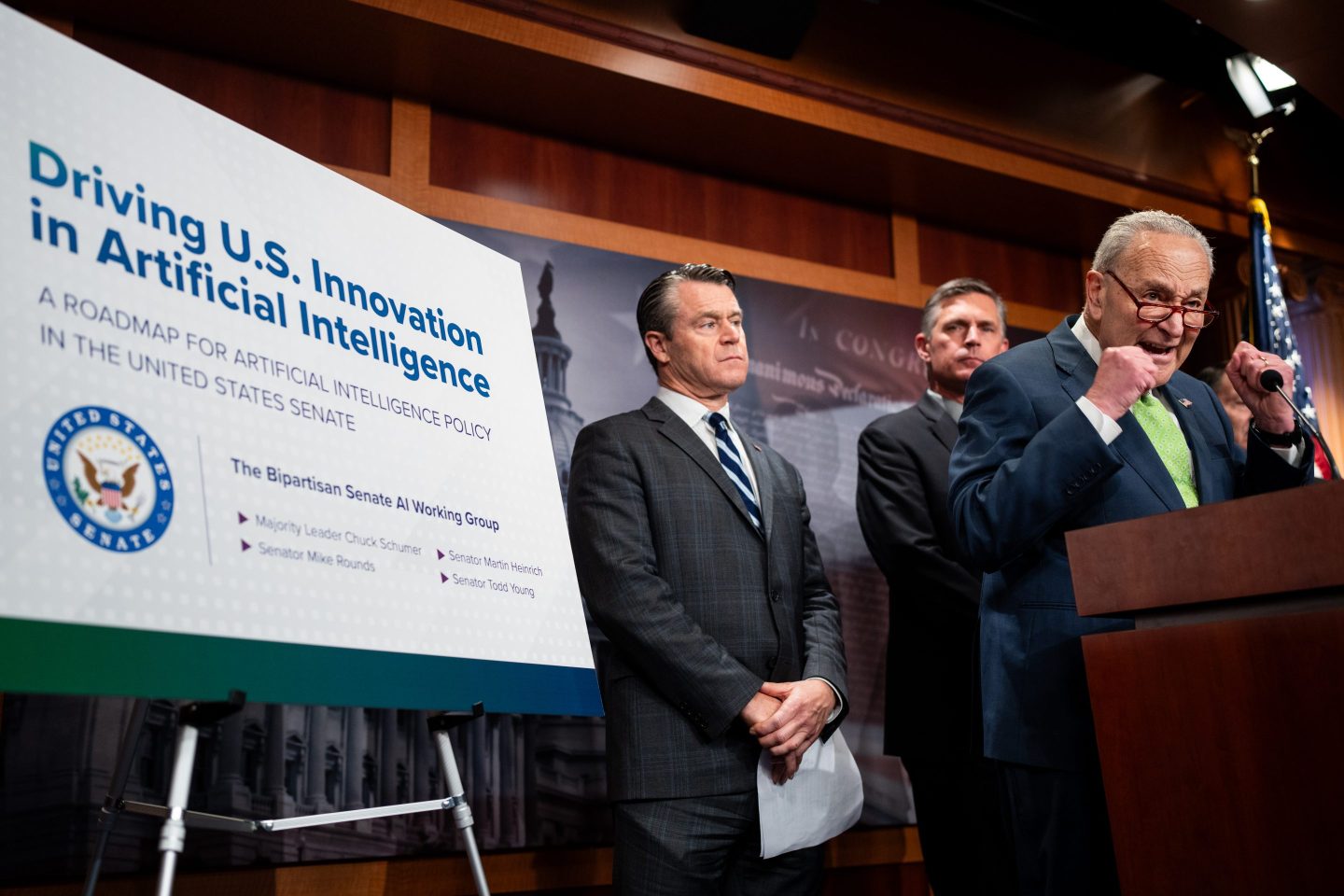
One rare bipartisan AI bill is moving through Congress. Here’s why it deserves to pass
By Neil Björkman and Betsy BrewerJuly 1, 2026
7 hours ago
I know how Gen Z can survive the ‘jobpocalypse’ because I built an AI company — in 2015
CommentaryCareers
I know how Gen Z can survive the ‘jobpocalypse’ because I built an AI company — in 2015
By Jeremy FainJuly 1, 2026
7 hours ago
mr
Commentary250 Years of Innovation
America needs 3.8 million manufacturing workers. This CEO has a blueprint to find them
By Mark RayfieldJuly 1, 2026
7 hours ago
usa
Commentary250 Years of Innovation
America at 250: why the Constitution was built to restrain government, not celebrate majority rule
By Steve H. HankeJuly 1, 2026
7 hours ago
t
CommentaryMedia
Netflix could turn NBC into its biggest bet yet — and this time, the math actually works
By Jeffrey Sonnenfeld and Steven TianJune 30, 2026
1 day ago
wb
CommentaryLeadership
I grew BDO from $600 million to $3.4 billion. Here’s the 3-part formula that made it possible
By Wayne BersonJune 30, 2026
1 day ago

Most Popular

MacKenzie Scott alone accounted for one-third of America's $19.2 billion in megagifts last year
Success
MacKenzie Scott alone accounted for one-third of America's $19.2 billion in megagifts last year
By Sydney LakeJune 25, 2026
6 days ago
Philanthropy leader at Warren Buffett and Bill Gates’ Giving Pledge says children of billionaires are pushing them to give their wealth away faster
Success
Philanthropy leader at Warren Buffett and Bill Gates’ Giving Pledge says children of billionaires are pushing them to give their wealth away faster
By Preston ForeJune 27, 2026
4 days ago
Elon Musk on MacKenzie Scott giving away $26 billion of her fortune: 'Sadly,' it makes the world a worse place
Success
Elon Musk on MacKenzie Scott giving away $26 billion of her fortune: 'Sadly,' it makes the world a worse place
By Sydney LakeJune 29, 2026
2 days ago
As Big Tech showers employees with perks to win the talent war, Nvidia built a nearly $5 trillion company by making people pay for their own lunch
Big Tech
As Big Tech showers employees with perks to win the talent war, Nvidia built a nearly $5 trillion company by making people pay for their own lunch
By Marco Quiroz-GutierrezJuly 1, 2026
11 hours ago
The U.S. Army is opening military bases to private billions — here's why that changes everything for the next 250 years
Commentary
The U.S. Army is opening military bases to private billions — here's why that changes everything for the next 250 years
By Marc AndersenJune 30, 2026
1 day ago
The Supreme Court's birthright citizenship ruling hands the U.S. economy a $7.7 trillion win
Newsletters
The Supreme Court's birthright citizenship ruling hands the U.S. economy a $7.7 trillion win
By Diane BradyJuly 1, 2026
9 hours ago

© 2026 Fortune Media IP Limited. All Rights Reserved. Use of this site constitutes acceptance of our Terms of Use and Privacy Policy | CA Notice at Collection and Privacy Notice | Do Not Sell/Share My Personal Information
FORTUNE is a trademark of Fortune Media IP Limited, registered in the U.S. and other countries. FORTUNE may receive compensation for some links to products and services on this website. Offers may be subject to change without notice.