• Home
  • Latest
  • Fortune 500
  • Finance
  • Tech
  • Leadership
  • Lifestyle
  • Rankings
  • Multimedia

Trendingnow

1

Microsoft AI chief gives it 18 months—for all white-collar work to be automated by AI

2

Former top Russian official admits the country is over Putin and can 'imagine a future without him' — even elites bail as Kremlin seizes their assets 

3

Meet the 20-year-old CEO who launched a company in high school to solve Gen Z's entry-level job crisis

1

Microsoft AI chief gives it 18 months—for all white-collar work to be automated by AI

2

Former top Russian official admits the country is over Putin and can 'imagine a future without him' — even elites bail as Kremlin seizes their assets 

3

Meet the 20-year-old CEO who launched a company in high school to solve Gen Z's entry-level job crisis
CommentaryCANCER TREATMENT

How new technologies are transforming cancer treatment

By
Paul Hudson
Paul Hudson
Down Arrow Button Icon
By
Paul Hudson
Paul Hudson
Down Arrow Button Icon
July 26, 2021, 7:00 PM ET
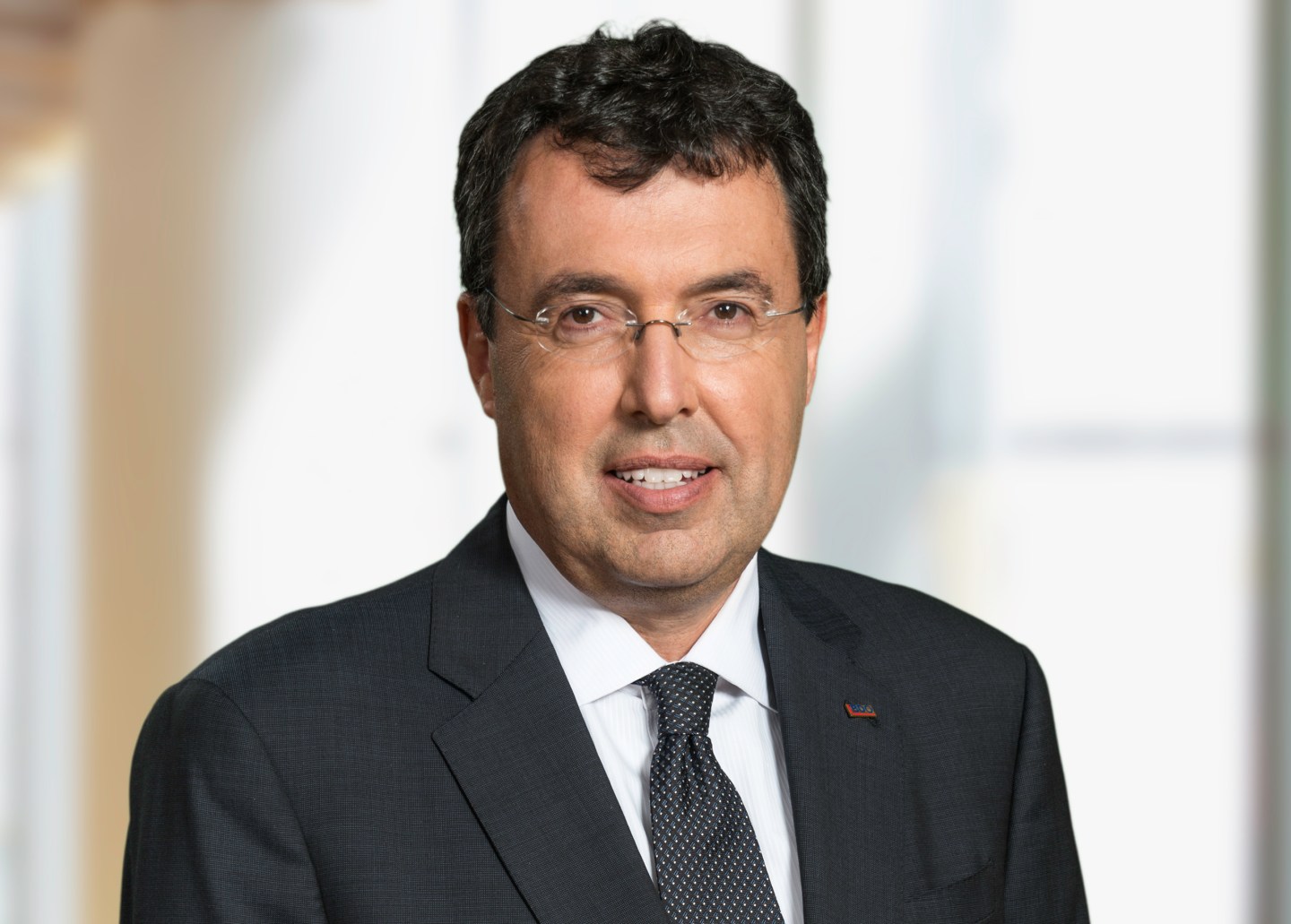
Cancer treatments like immunotherapy can cause serious side effects, writes Sanofi CEO Paul Hudson.
Cancer treatments like immunotherapy can cause serious side effects, writes Sanofi CEO Paul Hudson.Laurent Villeret/ParisCameraman—Courtesy of Sanofi

When it comes to fighting cancer, new technology approaches like synthetic biology are allowing scientists to harness the immune system with greater precision than ever before. 

We are on the cusp of a new wave of oncology therapies that could bring major breakthroughs and make a meaningful difference in patients’ lives. We’re taking new approaches to immuno-oncology and molecular oncology that are changing all expectations for cancer therapies and empowering our researchers to address patients’ greatest concerns.

Currently, molecular oncology teams are harnessing chemistry in unprecedented ways to develop drugs that target molecules critical to cancer development. Meanwhile, immuno-oncology teams are working on new ways to stimulate the body’s own immune defenses into mounting a strong attack on cancer cells, reducing the toxic side effects seen with many other molecular cancer therapies. This, combined with an increasingly diverse toolbox of technologies, has significantly accelerated cancer drug discovery. In fact, the global cancer therapy market is expected to grow 12% per year to about $250 billion by 2024. (Sanofi develops and sells cancer treatment pharmaceuticals.)

To make greater strides for patients, the health care industry must work harder to help them by developing cancer therapies with more tolerable side effects. And more efforts should be put into moving from complex individualized cell therapies to developing “off-the-shelf” therapies based on cells from universal healthy donors, so we can simplify the logistics of treatment, lower production costs, and, in doing so, potentially give more access to far more patients.

This all sounds great in theory. But side effects are a major consideration as we explore more powerful immunotherapies. I’ve spoken with many patients who share how treatments have impacted them: nausea, intense body aches, and problems thinking or remembering things, to name just a few. One patient recounted a horrible 72 hours of extreme nausea and related how she avoided brushing her hair because it was falling out.

But the most important impact in her case was on her mental health. This was overlooked for her, as it is for so many people. Anxiety and depression are common as patients struggle to cope with a potential death sentence. Add to that the harsh effects on their bodies—from weight fluctuations to extreme exhaustion—and it can be incredibly challenging to process a cancer diagnosis.

We have to figure out ways to make oncology treatment more tolerable. One example of progress on this front is from synthetic biology startup Synthorx, which was acquired by Sanofi last year. While it’s still in the early days of testing, researchers there have developed a molecule that appears to mitigate the often-intense side effects many people receiving cancer treatment experience. This is accomplished by expanding immune cells that specifically attack cancer and not other parts of the body. 

In another case, Stanford University researchers are starting to identify approaches where synthetic biology can spare healthy tissue from cancer treatment. Many biotech startups, such as Precigen, Twist Bioscience, and Octant Bio, are also striving to leverage synthetic biology to lessen the impacts of treatments’ side effects for patients. 

In addition to developing new, better medicine, we must also fight cancer by broadening patient access. One way to do so is by simplifying logistics, especially with CAR T and other cell therapies, in which T cells are collected from a patient, engineered in the laboratory, and then reintroduced into the patient so they will seek out and attack cancer cells. 

Offering people living with cancer the possibility of an off-the-shelf therapy, rather than creating a bespoke solution for each patient, would be transformative. For one, it would resolve critical issues in manufacturing. When there are disruptions to manufacturing chains, or delays in shipping, patients are particularly vulnerable.

While limiting side effects and increasing access are vital, this can’t happen until we manufacture immune cells for wide-scale adoption. The mRNA-based approach, which took a giant leap forward with the development of COVID-19 vaccines, has the potential to bring high efficacy and improved safety to cancer therapy, as mRNA can direct the body to produce a range of cancer-fighting immune cells. 

Not only that, but mRNA is easier to manufacture and produce at an industrial scale than protein-based treatments: Manufacturers only need the mRNA sequences, rather than going through the traditional process of purifying antigens, which can take months. Many eyes are on the 252 active studies of mRNA in cancer research, as drug companies and biotechs prepare to greatly expand treatment options for cancer patients.

We can clearly see the next wave in cancer immunotherapy on the horizon. We are converging toward new, targeted therapies that could potentially help achieve durable remission in patients and more tolerable side effects. It is impossible to overstate what that means for patients and the cancer treatment community.

Paul Hudson is the CEO of Sanofi.

Subscribe to Fortune Daily to get essential business stories straight to your inbox each morning.
About the Author
By Paul Hudson
See full bioRight Arrow Button Icon

Latest in Commentary

Finance
Lorem ipsum dolor sit amet, consectetur adipiscing elit, sed do eiusmod tempor incididunt ut labore et dolore magna aliqua. Ut enim ad minim veniam
By Fortune Editors
October 20, 2025
Finance
Lorem ipsum dolor sit amet, consectetur adipiscing elit, sed do eiusmod tempor incididunt ut labore et dolore magna aliqua. Ut enim ad minim veniam
By Fortune Editors
October 20, 2025
Finance
Lorem ipsum dolor sit amet, consectetur adipiscing elit, sed do eiusmod tempor incididunt ut labore et dolore magna aliqua. Ut enim ad minim veniam
By Fortune Editors
October 20, 2025
Finance
Lorem ipsum dolor sit amet, consectetur adipiscing elit, sed do eiusmod tempor incididunt ut labore et dolore magna aliqua. Ut enim ad minim veniam
By Fortune Editors
October 20, 2025
Finance
Lorem ipsum dolor sit amet, consectetur adipiscing elit, sed do eiusmod tempor incididunt ut labore et dolore magna aliqua. Ut enim ad minim veniam
By Fortune Editors
October 20, 2025
Finance
Lorem ipsum dolor sit amet, consectetur adipiscing elit, sed do eiusmod tempor incididunt ut labore et dolore magna aliqua. Ut enim ad minim veniam
By Fortune Editors
October 20, 2025

Most Popular

Finance
Lorem ipsum dolor sit amet, consectetur adipiscing elit, sed do eiusmod tempor incididunt ut labore et dolore magna aliqua. Ut enim ad minim veniam
By Fortune Editors
October 20, 2025
Finance
Lorem ipsum dolor sit amet, consectetur adipiscing elit, sed do eiusmod tempor incididunt ut labore et dolore magna aliqua. Ut enim ad minim veniam
By Fortune Editors
October 20, 2025
Finance
Lorem ipsum dolor sit amet, consectetur adipiscing elit, sed do eiusmod tempor incididunt ut labore et dolore magna aliqua. Ut enim ad minim veniam
By Fortune Editors
October 20, 2025
Finance
Lorem ipsum dolor sit amet, consectetur adipiscing elit, sed do eiusmod tempor incididunt ut labore et dolore magna aliqua. Ut enim ad minim veniam
By Fortune Editors
October 20, 2025
Finance
Lorem ipsum dolor sit amet, consectetur adipiscing elit, sed do eiusmod tempor incididunt ut labore et dolore magna aliqua. Ut enim ad minim veniam
By Fortune Editors
October 20, 2025
Finance
Lorem ipsum dolor sit amet, consectetur adipiscing elit, sed do eiusmod tempor incididunt ut labore et dolore magna aliqua. Ut enim ad minim veniam
By Fortune Editors
October 20, 2025
Fortune Secondary Logo
Rankings
  • 100 Best Companies
  • Fortune 500
  • Global 500
  • Fortune 500 Europe
  • Most Powerful Women
  • World's Most Admired Companies
  • See All Rankings
  • Lists Calendar
Sections
  • Finance
  • Fortune Crypto
  • Features
  • Leadership
  • Health
  • Commentary
  • Success
  • Retail
  • Mpw
  • Tech
  • Lifestyle
  • CEO Initiative
  • Asia
  • Politics
  • Conferences
  • Europe
  • Newsletters
  • Personal Finance
  • Environment
  • Magazine
  • Education
Customer Support
  • Frequently Asked Questions
  • Customer Service Portal
  • Privacy Policy
  • Terms Of Use
  • Single Issues For Purchase
  • International Print
Commercial Services
  • Advertising
  • Fortune Brand Studio
  • Fortune Analytics
  • Fortune Conferences
  • Business Development
  • Group Subscriptions
About Us
  • About Us
  • Press Center
  • Work At Fortune
  • Terms And Conditions
  • Site Map
  • About Us
  • Press Center
  • Work At Fortune
  • Terms And Conditions
  • Site Map
  • Facebook icon
  • Twitter icon
  • LinkedIn icon
  • Instagram icon
  • Pinterest icon

Latest in Commentary

liberman
Commentarystart-ups
We watched social media concentrate. The same thing is happening in AI, only at a deeper layer
By David Liberman and Daniil LibermanMay 16, 2026
18 hours ago
olivier
CommentaryAnthropic
I’ve been studying Big Tech for a long time. What just happened with Anthropic and the Pentagon terrifies me
By Olivier SylvainMay 16, 2026
19 hours ago
lawyer
CommentaryLaw
Would you hire the lawyer who just got sanctioned for using AI?
By Alexandra SmythMay 16, 2026
21 hours ago
greg
Personal FinanceAviation
Mamdani’s New York is coming to tax your private jet. Here’s how to prepare
By Greg RaiffMay 16, 2026
22 hours ago
chase
CommentaryCities
San Francisco has $2 trillion in AI wealth and can’t fix its own city. That’s every city’s problem
By Chase GarbarinoMay 15, 2026
2 days ago
lori
Commentarymental health
I run Valvoline Instant Oil Change and work with young people every day. They’re in crisis—and we all have to try to help
By Lori FleesMay 15, 2026
2 days ago

Most Popular

Microsoft AI chief gives it 18 months—for all white-collar work to be automated by AI
AI
Microsoft AI chief gives it 18 months—for all white-collar work to be automated by AI
By Jake AngeloMay 16, 2026
19 hours ago
Former top Russian official admits the country is over Putin and can 'imagine a future without him' — even elites bail as Kremlin seizes their assets 
Politics
Former top Russian official admits the country is over Putin and can 'imagine a future without him' — even elites bail as Kremlin seizes their assets 
By Jason MaMay 16, 2026
9 hours ago
Meet the 20-year-old CEO who launched a company in high school to solve Gen Z's entry-level job crisis
Future of Work
Meet the 20-year-old CEO who launched a company in high school to solve Gen Z's entry-level job crisis
By Jake AngeloMay 16, 2026
23 hours ago
The Bezos family just donated $100 million to help achieve one of Mayor Zohran Mamdani’s top campaign promises
Politics
The Bezos family just donated $100 million to help achieve one of Mayor Zohran Mamdani’s top campaign promises
By Jake AngeloMay 12, 2026
4 days ago
‘You’re not a hero, you’re a liability’: Shark Tank’s Kevin O’Leary warns Gen Z founders to stop glorifying hustle culture
Future of Work
‘You’re not a hero, you’re a liability’: Shark Tank’s Kevin O’Leary warns Gen Z founders to stop glorifying hustle culture
By Jacqueline MunisMay 16, 2026
19 hours ago
Despite having a $165 million net worth, Scarlett Johansson says work-life balance doesn’t exist—and the first step to success is admitting that
Success
Despite having a $165 million net worth, Scarlett Johansson says work-life balance doesn’t exist—and the first step to success is admitting that
By Preston ForeMay 13, 2026
4 days ago

© 2026 Fortune Media IP Limited. All Rights Reserved. Use of this site constitutes acceptance of our Terms of Use and Privacy Policy | CA Notice at Collection and Privacy Notice | Do Not Sell/Share My Personal Information
FORTUNE is a trademark of Fortune Media IP Limited, registered in the U.S. and other countries. FORTUNE may receive compensation for some links to products and services on this website. Offers may be subject to change without notice.