• Home
  • Latest
  • Fortune 500
  • Finance
  • Tech
  • Leadership
  • Lifestyle
  • Rankings
  • Multimedia

Trendingnow

1

Jeff Bezos wants the bottom half of earners to pay zero income tax—he says nurses making just $75K should save $12K a year

2

The river that supplies 40 million Americans is down to 23% — and about to make a $25 million bet on one fish

3

Jamie Dimon said the American Dream was slipping away. JPMorgan just put $40 million on the table to fix it

1

Jeff Bezos wants the bottom half of earners to pay zero income tax—he says nurses making just $75K should save $12K a year

2

The river that supplies 40 million Americans is down to 23% — and about to make a $25 million bet on one fish

3

Jamie Dimon said the American Dream was slipping away. JPMorgan just put $40 million on the table to fix it
CommentaryThe Biden administration

Here’s how much the Biden administration should be investing in infrastructure to prevent another pandemic

By
Kevin Berry
Kevin Berry
,
David Finnoff
David Finnoff
,
Richard Horan
Richard Horan
, and
Peter Daszak
Peter Daszak
Down Arrow Button Icon
By
Kevin Berry
Kevin Berry
,
David Finnoff
David Finnoff
,
Richard Horan
Richard Horan
, and
Peter Daszak
Peter Daszak
Down Arrow Button Icon
April 11, 2022, 6:20 AM ET
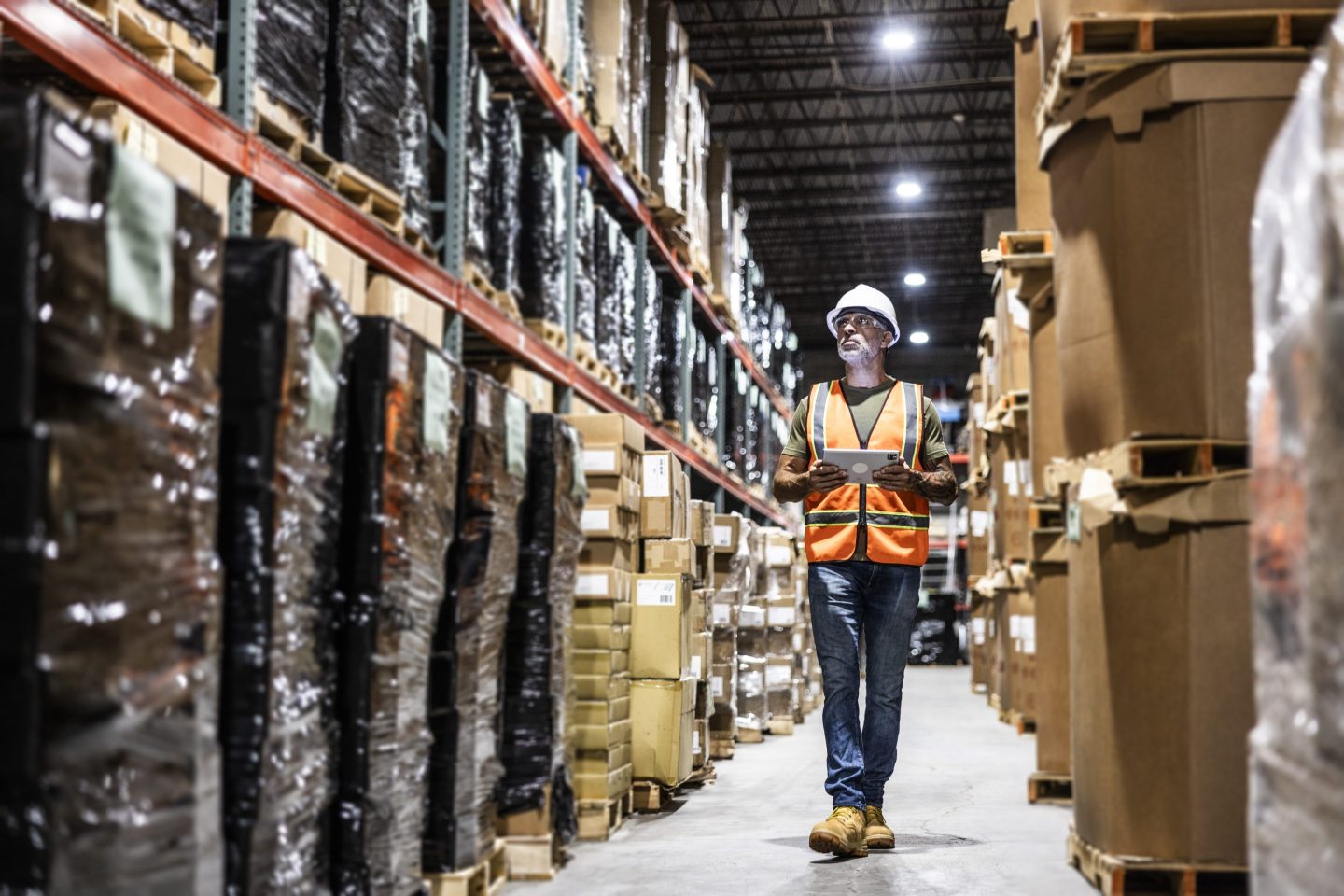
Additional resources would help to prevent the next pandemic by making it possible to detect novel outbreaks early on. This preparedness can also reduce the cost of a pandemic, should it occur.
Additional resources would help to prevent the next pandemic by making it possible to detect novel outbreaks early on. This preparedness can also reduce the cost of a pandemic, should it occur.Scott Eisen—Getty Images

The COVID-19 pandemic is far from over, but it cannot blind policymakers: COVID-19 is only one of hundreds of thousands of undiscovered microbes that exist in nature and can infect people.

Even more alarmingly, the rate at which these diseases are spilling over into our population is increasing each year.

COVID-19, the first truly global high-impact pandemic of the 21st century, is a warning siren to the risks that continue to grow because of environmental change, globalized travel and trade, and the lack of effective prevention policies. It could finally motivate wise investments and effective risk management measures to avoid future catastrophes.

We’ve looked closely at this issue and explored what these investments should look like, as well as the economic gains they could generate for the U.S. The Biden administration clearly needs to invest much more money to prevent and prepare for another pandemic.

A National Research Council report after the 2014 Ebola outbreak emphasized the lack of preparedness and the need for investments in preparation. In the wake of COVID-19, multiple reviews suggest that preparedness deficiencies were a significant factor in the economic and health impacts experienced in developed countries.

In the U.S., preparedness deficiencies were exacerbated by an uncoordinated federal response early in the pandemic, which led to inefficient use of existing resources. While a pandemic plan existed, it was designed in response to smaller-scale outbreaks that had previously been the modern experience. Additionally, the pandemic response was undermined by a politicized and patchwork state-by-state response.

In President Biden’s recent American Jobs Plan, $30 billion was proposed in “infrastructure” spending to prevent future pandemics, as well as other major investments in research and caregiving that could provide additional support. For example, $400 billion were earmarked for caregiving to the elderly, and $40 billion to upgrade research infrastructure and laboratories.

The U.S. should invest far more in building capacity to both prevent pandemics and be able to adapt to them should they occur. These additional resources would help to prevent the next pandemic by making it possible to detect novel outbreaks early on and use contact tracing to target and rush a response.

We can also reduce the cost of a pandemic, should it occur, by ensuring sufficient hospital capacity and public health resources to manage a large outbreak. These resources would be available for other public health needs outside of pandemics.

Under reasonable assumptions, our analysis predicts maximum gains arise from an initial investment of $511 billion, followed by a steady increase of up to $829 billion and supported by annual investments to maintain capacity. The returns to these investments would range between $9-$15 in benefits per dollar invested. Altogether, our proposed investments in capacity could generate up to $10.4 trillion in expected avoided damages to society, as well as avoiding immeasurable human suffering.

These investments generate returns that can be broken down into three different sources. The first is considered a risk-free rate of return, in the sense of a return generated from healthcare capacity that can be used before a pandemic. For example, healthcare facilities, doctors, nurses, beds, labs, and other resources help society outside of pandemic events.

The second source is from reductions in the probability of a pandemic occurring. Self-protection–the ability to detect outbreaks early on, perform contact tracing, and rush response to outbreaks–would allow the U.S. to avoid future pandemics. The third source is self-insurance: reducing the costs of a pandemic if it does occur. This involves having sufficient hospital capacity, the ability to quickly develop vaccines and therapeutics, and lower the cost of a pandemic that does occur.

As background risks increase with continued environmental change and globalization, the relative importance of self-protection increases. These prevention investments would give us the capacity to detect and respond to outbreaks early while they’re small.

As the risk of future pandemics increases over time, we believe each of these three different returns provides ample incentive to invest more in health preparedness capacity in the U.S.

Kevin Berry is an associate professor of economics at the University of Alaska Anchorage. David Finnoff is a professor of economics at the University of Wyoming. Richard Horan is a professor of economics at Michigan State University. Peter Daszak is the president of EcoHealth Alliance.

Never miss a story: Follow your favorite topics and authors to get a personalized email with the journalism that matters most to you.
About the Authors
By Kevin Berry
See full bioRight Arrow Button Icon
By David Finnoff
See full bioRight Arrow Button Icon
By Richard Horan
See full bioRight Arrow Button Icon
By Peter Daszak
See full bioRight Arrow Button Icon

Latest in Commentary

Finance
Lorem ipsum dolor sit amet, consectetur adipiscing elit, sed do eiusmod tempor incididunt ut labore et dolore magna aliqua. Ut enim ad minim veniam
By Fortune Editors
October 20, 2025
Finance
Lorem ipsum dolor sit amet, consectetur adipiscing elit, sed do eiusmod tempor incididunt ut labore et dolore magna aliqua. Ut enim ad minim veniam
By Fortune Editors
October 20, 2025
Finance
Lorem ipsum dolor sit amet, consectetur adipiscing elit, sed do eiusmod tempor incididunt ut labore et dolore magna aliqua. Ut enim ad minim veniam
By Fortune Editors
October 20, 2025
Finance
Lorem ipsum dolor sit amet, consectetur adipiscing elit, sed do eiusmod tempor incididunt ut labore et dolore magna aliqua. Ut enim ad minim veniam
By Fortune Editors
October 20, 2025
Finance
Lorem ipsum dolor sit amet, consectetur adipiscing elit, sed do eiusmod tempor incididunt ut labore et dolore magna aliqua. Ut enim ad minim veniam
By Fortune Editors
October 20, 2025
Finance
Lorem ipsum dolor sit amet, consectetur adipiscing elit, sed do eiusmod tempor incididunt ut labore et dolore magna aliqua. Ut enim ad minim veniam
By Fortune Editors
October 20, 2025

Most Popular

Finance
Lorem ipsum dolor sit amet, consectetur adipiscing elit, sed do eiusmod tempor incididunt ut labore et dolore magna aliqua. Ut enim ad minim veniam
By Fortune Editors
October 20, 2025
Finance
Lorem ipsum dolor sit amet, consectetur adipiscing elit, sed do eiusmod tempor incididunt ut labore et dolore magna aliqua. Ut enim ad minim veniam
By Fortune Editors
October 20, 2025
Finance
Lorem ipsum dolor sit amet, consectetur adipiscing elit, sed do eiusmod tempor incididunt ut labore et dolore magna aliqua. Ut enim ad minim veniam
By Fortune Editors
October 20, 2025
Finance
Lorem ipsum dolor sit amet, consectetur adipiscing elit, sed do eiusmod tempor incididunt ut labore et dolore magna aliqua. Ut enim ad minim veniam
By Fortune Editors
October 20, 2025
Finance
Lorem ipsum dolor sit amet, consectetur adipiscing elit, sed do eiusmod tempor incididunt ut labore et dolore magna aliqua. Ut enim ad minim veniam
By Fortune Editors
October 20, 2025
Finance
Lorem ipsum dolor sit amet, consectetur adipiscing elit, sed do eiusmod tempor incididunt ut labore et dolore magna aliqua. Ut enim ad minim veniam
By Fortune Editors
October 20, 2025
Fortune Secondary Logo
Rankings
  • 100 Best Companies
  • Fortune 500
  • Global 500
  • Fortune 500 Europe
  • Most Powerful Women
  • World's Most Admired Companies
  • See All Rankings
  • Lists Calendar
Sections
  • Finance
  • Fortune Crypto
  • Features
  • Leadership
  • Health
  • Commentary
  • Success
  • Retail
  • Mpw
  • Tech
  • Lifestyle
  • CEO Initiative
  • Asia
  • Politics
  • Conferences
  • Europe
  • Newsletters
  • Personal Finance
  • Environment
  • Magazine
  • Education
Customer Support
  • Frequently Asked Questions
  • Customer Service Portal
  • Privacy Policy
  • Terms Of Use
  • Single Issues For Purchase
  • International Print
Commercial Services
  • Advertising
  • Fortune Brand Studio
  • Fortune Analytics
  • Fortune Conferences
  • Business Development
  • Group Subscriptions
About Us
  • About Us
  • Press Center
  • Work At Fortune
  • Terms And Conditions
  • Site Map
  • About Us
  • Press Center
  • Work At Fortune
  • Terms And Conditions
  • Site Map
  • Facebook icon
  • Twitter icon
  • LinkedIn icon
  • Instagram icon
  • Pinterest icon

Latest in Commentary

lee
Commentarystock exchanges
Texas Stock Exchange CEO: exchanges can build on Exxon’s retail model to rein in proxy advisors
By James H. LeeMay 28, 2026
9 hours ago
suerken
CommentaryRestaurants
Wendy’s U.S. President: the CEO burger battles exposed a truth every brand leader needs to hear
By Pete SuerkenMay 28, 2026
11 hours ago
g
CommentaryTraining
We gave our 5,000 employees a week to do nothing but learn AI. We learned the biggest blockers are human ones 
By Rob GiglioMay 28, 2026
12 hours ago
bd
CommentaryLeadership
The boardroom wants answers on AI. Are you ready?
By Brandi ThomasMay 28, 2026
14 hours ago
ai
CommentaryGoogle
How Sam Altman fooled Sundar Pichai — and pushed Google into cannibalizing itself
By Sunil SharanMay 27, 2026
1 day ago
g
CommentaryLeadership
I’ve been a CEO for 25 years. The AI hype and hysteria is getting old
By Gil MandelzisMay 27, 2026
2 days ago

Most Popular

Jeff Bezos wants the bottom half of earners to pay zero income tax—he says nurses making just $75K should save $12K a year
Success
Jeff Bezos wants the bottom half of earners to pay zero income tax—he says nurses making just $75K should save $12K a year
By Preston ForeMay 21, 2026
7 days ago
The river that supplies 40 million Americans is down to 23% — and about to make a $25 million bet on one fish
Environment
The river that supplies 40 million Americans is down to 23% — and about to make a $25 million bet on one fish
By Dorany Pineda, Brittany Peterson and The Associated PressMay 27, 2026
1 day ago
Jamie Dimon said the American Dream was slipping away. JPMorgan just put $40 million on the table to fix it
Banking
Jamie Dimon said the American Dream was slipping away. JPMorgan just put $40 million on the table to fix it
By Nick LichtenbergMay 27, 2026
1 day ago
As CEO of the $96 billion Sam’s Club, Latriece Watkins is testing her mettle at the warehouse retailer that produced CEOs for Walmart, Target, and Walgreens
Magazine
As CEO of the $96 billion Sam’s Club, Latriece Watkins is testing her mettle at the warehouse retailer that produced CEOs for Walmart, Target, and Walgreens
By Emma HinchliffeMay 27, 2026
2 days ago
Techlash grows in education: 'My daughter went to middle school and was sent home with a screen addiction in her backpack'
North America
Techlash grows in education: 'My daughter went to middle school and was sent home with a screen addiction in her backpack'
By Jocelyn Gecker and The Associated PressMay 26, 2026
2 days ago
Even if every California billionaire left tomorrow, it would take 25 years for the state to lose as much as it stands to gain from proposed wealth tax
Economy
Even if every California billionaire left tomorrow, it would take 25 years for the state to lose as much as it stands to gain from proposed wealth tax
By Tristan BoveMay 27, 2026
1 day ago

© 2026 Fortune Media IP Limited. All Rights Reserved. Use of this site constitutes acceptance of our Terms of Use and Privacy Policy | CA Notice at Collection and Privacy Notice | Do Not Sell/Share My Personal Information
FORTUNE is a trademark of Fortune Media IP Limited, registered in the U.S. and other countries. FORTUNE may receive compensation for some links to products and services on this website. Offers may be subject to change without notice.