• Home
  • Latest
  • Fortune 500
  • Finance
  • Tech
  • Leadership
  • Lifestyle
  • Rankings
  • Multimedia

Trendingnow

1

As Big Tech showers employees with perks to win the talent war, Nvidia built a nearly $5 trillion company by making people pay for their own lunch

2

MacKenzie Scott alone accounted for one-third of America's $19.2 billion in megagifts last year

3

Current price of oil as of July 1, 2026

1

As Big Tech showers employees with perks to win the talent war, Nvidia built a nearly $5 trillion company by making people pay for their own lunch

2

MacKenzie Scott alone accounted for one-third of America's $19.2 billion in megagifts last year

3

Current price of oil as of July 1, 2026
CommentaryCongress

Here’s what ethical personal trading in Congress looks like, according to CFA Institute

By
Paul Andrews
Paul Andrews
Down Arrow Button Icon
By
Paul Andrews
Paul Andrews
Down Arrow Button Icon
April 14, 2022, 7:22 AM ET
During their daily activities, members of Congress have unique access to a continuous flow of confidential, non-public information that must not be used to trade.
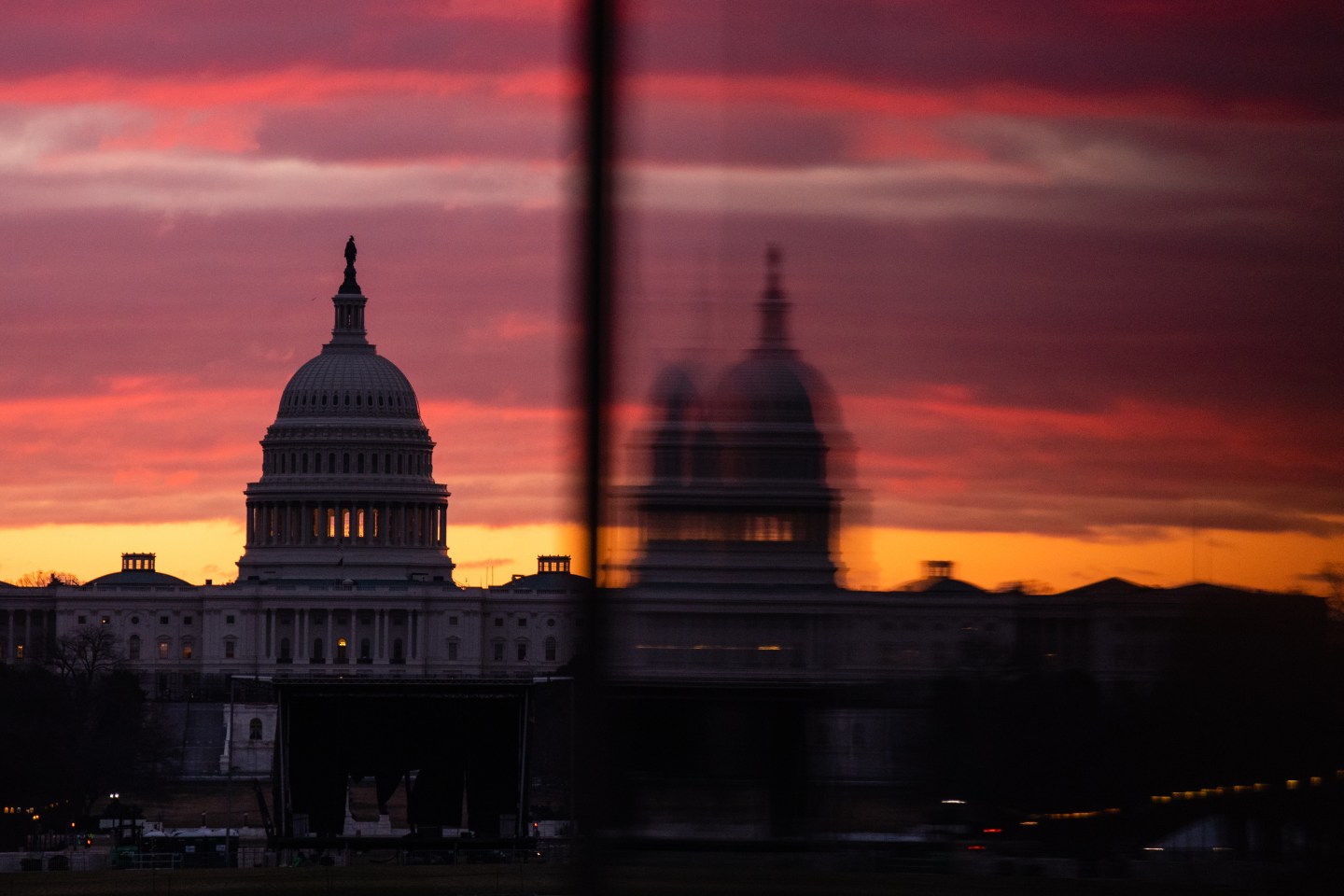
During their daily activities, members of Congress have unique access to a continuous flow of confidential, non-public information that must not be used to trade.Eric Lee—Bloomberg/Getty Images
Add Fortune on Google for similar content.

Decades have passed without resolving one of the curious conflicts angering the average citizen when it comes to Congress. Time and again articles have been written about the personal stock trading of members of Congress. 

The general public has strong feelings about individual members of Congress having an unfettered ability to trade in cash, equity, and derivatives markets using information gained in their service on Congressional committees, in special briefings, and through confidential communications. It looks suspicious in the eyes of many investors, and this suspicion undermines trust and confidence in our elected leaders.

Typical examples of where this could become a problem include having inside knowledge of developing security, health and safety, and cyber vulnerabilities, looming pandemics, as well as any emerging vulnerabilities in the financial and banking system. To put it bluntly, armed with this information, members of Congress could potentially enter or exit a market position in relative calm before any market storm.

You might think this is something the voting public would have insisted on resolving years ago. You would be wrong. Only when the political winds blow too strongly to be ignored does Congress begin the move to repair the offending behavior. Rather than being masters at threading the ethical needle, members of Congress should address the matter, once and for all, without leaving too much room for exceptions. 

There are several bills currently circulating in Congress that intend to bring some transparency and limits to this potential for abusive trading. However, if Congress truly wants to address the reality of trading financial instruments by those who gained information over the course of their service to the American people, then we at CFA Institute have some ideas. These ideas don’t result in half measures; rather, they address the concerns that the voting public and constituents of every stripe have expressed.

Investors and the public suspect Congress of gaming the system under the cloak of public service. CFA Institute has focused on investment ethics and professional conduct for 75 years in support of market integrity. When it comes to personal trading practices, these issues are clear cut: Fiduciaries and those in the position of public trust must be committed to fair and honest practices. They must never use material non-public information for their own investment gains or tip others ahead of the market-moving information becoming public.  

The SEC, other regulators, and the industries they oversee are intolerant of those taking personal advantage of privileged, non-public information. An entire compliance practice has evolved over the years to monitor and prevent personal trading abuses in the financial industry. The Federal Reserve Board just recently implemented its own approach that should serve as a guide to congressional practice in this area.

In our view, five key principles should guide Congress in the establishment of formal rules addressing personal trading by members of Congress and related parties (covered persons).

Personal transactions ban

During their daily activities, members of Congress have unique access to a continuous flow of confidential, non-public information as political leaders. They are in the inner circle on potential market-moving data, intelligence, and policy announcements that must not be used to trade. 

Since it is extremely difficult to know the source, nature, and timing of the information they are exposed to or acquire in their Congressional duties, there is a constant potential for personal trading abuse. Quite succinctly, personal trading should not be permitted.   

Use of blind trust services

Like all Americans, members of Congress should be encouraged to invest and prepare for retirement. In theory, there should be no prohibition on having personal investments and having accounts that are actively trading in the markets.

In the case of Congress, lawmakers will continually have an informational advantage over other public market investors. Given this reality, members of Congress should insulate investment decisions in their accounts from this unfair advantage via a blind trust arrangement.    

A pre-clearance process is inadequate

Lawmakers’ inside information access is constant and highly variable as to source and timing, so it is not plausible to establish an effective or efficient process designed to pre-clear trading requests–a practice that is standard at investment firms. 

Assessing the timing of trades against the confidential information lawmakers may have access to is simply impractical. In most cases, the confidential information will not be available to preclearance staff. As a result, they lack the ability to make an informed decision using traditional preclearance factors in use by most financial institutions.

Covered persons

There must be specificity around the application of the policy to other covered persons beyond members of Congress. Their personal trading policy should be also applied to immediate and extended family members as well as to the congressional staff who may be exposed to the same privileged, non-public information.

It should be clearly stated that passing on privileged, non-public information to others who are not covered by the policy, is prohibited.

Limited exceptions

Any exceptions to the principles of a trading ban and use of blind trusts should be limited. However, some are necessary:

  • There should be no forced liquidation of personal investments in existing accounts of the member of Congress who is just beginning his/her service.   
  • Investment assets held prior to starting in Congress and retained by the member without transfer to a blind trust investment service can be held but not traded. Any transactions in such existing accounts should be done only under the auspices of a blind trust.
  • Automatic contributions to any Congressional savings or retirement plans would be encouraged and not considered personal trading. The policy should address trading or asset reallocation activities by the member of Congress in any of these congressional savings or retirement plans.  

Members of Congress regularly pound the table and call for more regulations to prevent unfair trading practices across Wall Street. And we agree. The same standard should apply to Congress.

Paul Andrews is head of research, advocacy, and standards at CFA Institute. He is a former secretary general of IOSCO and previously held senior roles at FINRA and the SEC.

More must-read commentary published by Fortune:

  • We are getting worker loneliness all wrong
  • Putin’s war is disrupting crypto’s fantasy of stateless money
  • The pandemic is threatening our children’s ability to cope
  • Women of color can no longer buy into the ‘inclusion delusion’
  • Pandemic, oil prices, and war: Here’s when inflation will drop

Never miss a story: Follow your favorite topics and authors to get a personalized email with the journalism that matters most to you.


About the Author
By Paul Andrews
See full bioRight Arrow Button Icon
Add Fortune on Google for similar content.

Latest in Commentary

Finance
Lorem ipsum dolor sit amet, consectetur adipiscing elit, sed do eiusmod tempor incididunt ut labore et dolore magna aliqua. Ut enim ad minim veniam
By Fortune Editors
October 20, 2025
Finance
Lorem ipsum dolor sit amet, consectetur adipiscing elit, sed do eiusmod tempor incididunt ut labore et dolore magna aliqua. Ut enim ad minim veniam
By Fortune Editors
October 20, 2025
Finance
Lorem ipsum dolor sit amet, consectetur adipiscing elit, sed do eiusmod tempor incididunt ut labore et dolore magna aliqua. Ut enim ad minim veniam
By Fortune Editors
October 20, 2025
Finance
Lorem ipsum dolor sit amet, consectetur adipiscing elit, sed do eiusmod tempor incididunt ut labore et dolore magna aliqua. Ut enim ad minim veniam
By Fortune Editors
October 20, 2025
Finance
Lorem ipsum dolor sit amet, consectetur adipiscing elit, sed do eiusmod tempor incididunt ut labore et dolore magna aliqua. Ut enim ad minim veniam
By Fortune Editors
October 20, 2025
Finance
Lorem ipsum dolor sit amet, consectetur adipiscing elit, sed do eiusmod tempor incididunt ut labore et dolore magna aliqua. Ut enim ad minim veniam
By Fortune Editors
October 20, 2025

Most Popular

Finance
Lorem ipsum dolor sit amet, consectetur adipiscing elit, sed do eiusmod tempor incididunt ut labore et dolore magna aliqua. Ut enim ad minim veniam
By Fortune Editors
October 20, 2025
Finance
Lorem ipsum dolor sit amet, consectetur adipiscing elit, sed do eiusmod tempor incididunt ut labore et dolore magna aliqua. Ut enim ad minim veniam
By Fortune Editors
October 20, 2025
Finance
Lorem ipsum dolor sit amet, consectetur adipiscing elit, sed do eiusmod tempor incididunt ut labore et dolore magna aliqua. Ut enim ad minim veniam
By Fortune Editors
October 20, 2025
Finance
Lorem ipsum dolor sit amet, consectetur adipiscing elit, sed do eiusmod tempor incididunt ut labore et dolore magna aliqua. Ut enim ad minim veniam
By Fortune Editors
October 20, 2025
Finance
Lorem ipsum dolor sit amet, consectetur adipiscing elit, sed do eiusmod tempor incididunt ut labore et dolore magna aliqua. Ut enim ad minim veniam
By Fortune Editors
October 20, 2025
Finance
Lorem ipsum dolor sit amet, consectetur adipiscing elit, sed do eiusmod tempor incididunt ut labore et dolore magna aliqua. Ut enim ad minim veniam
By Fortune Editors
October 20, 2025
Fortune Secondary Logo
Rankings
  • 100 Best Companies
  • Fortune 500
  • Global 500
  • Fortune 500 Europe
  • Most Powerful Women
  • World's Most Admired Companies
  • See All Rankings
  • Lists Calendar
Sections
  • Finance
  • Fortune Crypto
  • Features
  • Leadership
  • Health
  • Commentary
  • Success
  • Retail
  • Mpw
  • Tech
  • Lifestyle
  • CEO Initiative
  • Asia
  • Politics
  • Conferences
  • Europe
  • Newsletters
  • Personal Finance
  • Environment
  • Magazine
  • Education
Customer Support
  • Frequently Asked Questions
  • Customer Service Portal
  • Privacy Policy
  • Terms Of Use
  • Single Issues For Purchase
  • International Print
Commercial Services
  • Advertising
  • Fortune Brand Studio
  • Fortune Analytics
  • Fortune Conferences
  • Business Development
  • Group Subscriptions
About Us
  • About Us
  • Press Center
  • Work At Fortune
  • Terms And Conditions
  • Site Map
  • About Us
  • Press Center
  • Work At Fortune
  • Terms And Conditions
  • Site Map
  • Facebook icon
  • Twitter icon
  • LinkedIn icon
  • Instagram icon
  • Pinterest icon

Latest in Commentary

rn
CommentaryCryptocurrency
Former Iran director at NSC: Crypto legislation is a ticket to sanctions evasion
By Richard NephewJuly 2, 2026
3 hours ago
m
Commentary250 Years of Innovation
McKinsey chairs: Building a more resilient industrial base may require $2 trillion in investment
By Eric Kutcher and Shubham SinghalJuly 2, 2026
3 hours ago
em
Commentary250 Years of Innovation
America’s 250th birthday has Elon Musk and a record IPO. Its 15th had Alexander Hamilton — and a stock market bubble
By Owen LamontJuly 2, 2026
7 hours ago
paramount
CommentaryAntitrust
How Paramount’s theater commitments could boost local economies across the nation
By Ike BrannonJuly 2, 2026
7 hours ago
elon
CommentaryChina
China has 400 private space companies. The West is barely paying attention
By Rainer ZitelmannJuly 2, 2026
8 hours ago
senate
CommentaryCongress
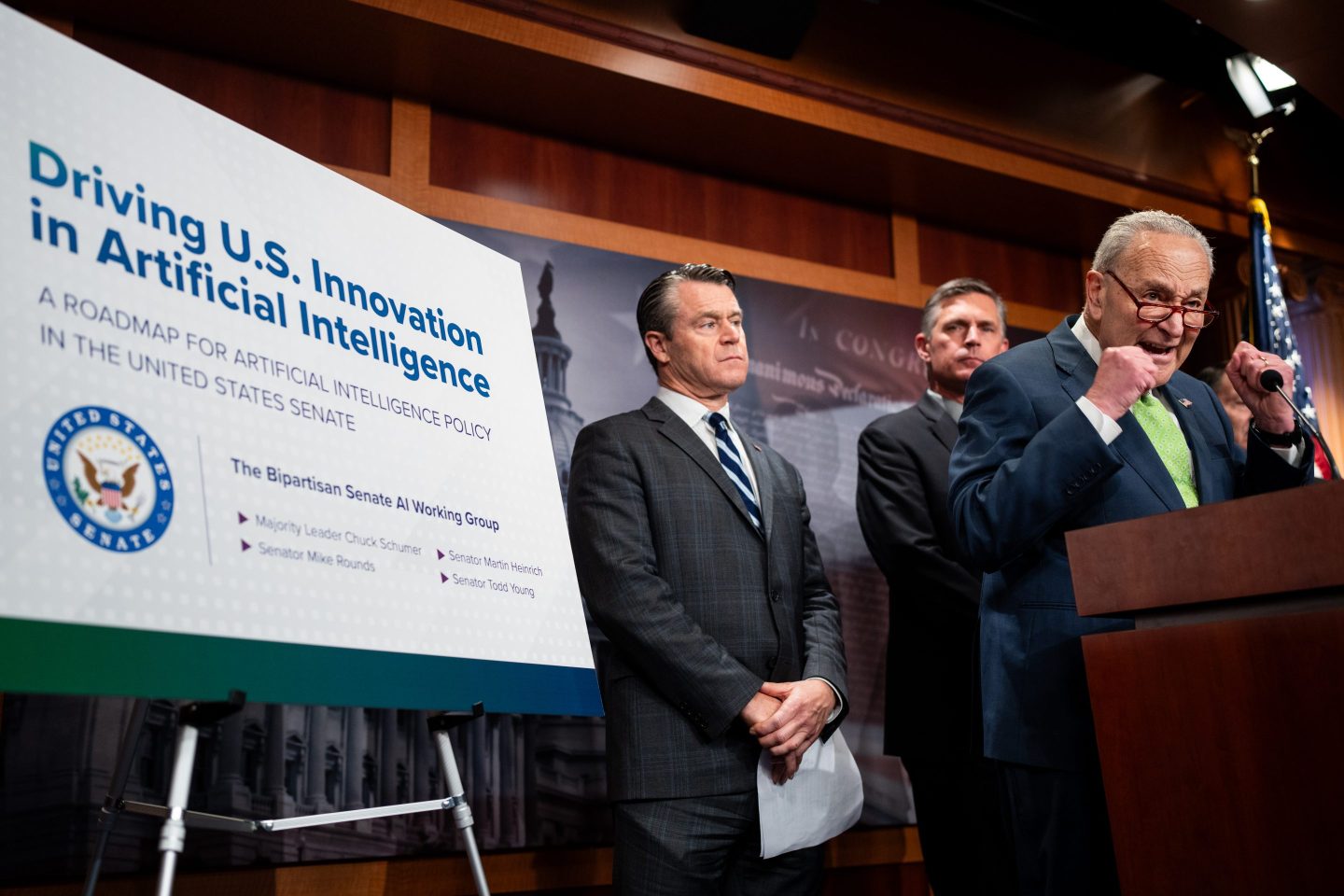
One rare bipartisan AI bill is moving through Congress. Here’s why it deserves to pass
By Neil Björkman and Betsy BrewerJuly 1, 2026
1 day ago

Most Popular

As Big Tech showers employees with perks to win the talent war, Nvidia built a nearly $5 trillion company by making people pay for their own lunch
Big Tech
As Big Tech showers employees with perks to win the talent war, Nvidia built a nearly $5 trillion company by making people pay for their own lunch
By Marco Quiroz-GutierrezJuly 1, 2026
1 day ago
MacKenzie Scott alone accounted for one-third of America's $19.2 billion in megagifts last year
Success
MacKenzie Scott alone accounted for one-third of America's $19.2 billion in megagifts last year
By Sydney LakeJune 25, 2026
7 days ago
Current price of oil as of July 1, 2026
Personal Finance
Current price of oil as of July 1, 2026
By Joseph HostetlerJuly 1, 2026
1 day ago
Trump got a $78K pension from the Screen Actors Guild in 2025 because he appeared in Home Alone 2 in 1992
Politics
Trump got a $78K pension from the Screen Actors Guild in 2025 because he appeared in Home Alone 2 in 1992
By Sasha RogelbergJuly 1, 2026
1 day ago
Philanthropy leader at Warren Buffett and Bill Gates’ Giving Pledge says children of billionaires are pushing them to give their wealth away faster
Success
Philanthropy leader at Warren Buffett and Bill Gates’ Giving Pledge says children of billionaires are pushing them to give their wealth away faster
By Preston ForeJune 27, 2026
5 days ago
CEO of $248 billion cybersecurity company says workers are about to face a ‘Darwinian moment’ thanks to AI: Evolve or get cut
Success
CEO of $248 billion cybersecurity company says workers are about to face a ‘Darwinian moment’ thanks to AI: Evolve or get cut
By Emma BurleighJuly 1, 2026
1 day ago

© 2026 Fortune Media IP Limited. All Rights Reserved. Use of this site constitutes acceptance of our Terms of Use and Privacy Policy | CA Notice at Collection and Privacy Notice | Do Not Sell/Share My Personal Information
FORTUNE is a trademark of Fortune Media IP Limited, registered in the U.S. and other countries. FORTUNE may receive compensation for some links to products and services on this website. Offers may be subject to change without notice.