• Home
  • Latest
  • Fortune 500
  • Finance
  • Tech
  • Leadership
  • Lifestyle
  • Rankings
  • Multimedia

Trendingnow

1

Egg companies made $1.22 billion in profit off a $6 carton — now they’re buying their way out of a price-fixing case with 53 million donated eggs

2

Meet the Zillennials: The luckiest micro-generation in the workforce, born between 1993 and 1998

3

Economists have found an answer to slowing cognitive decline: Avoid retiring early, study finds

1

Egg companies made $1.22 billion in profit off a $6 carton — now they’re buying their way out of a price-fixing case with 53 million donated eggs

2

Meet the Zillennials: The luckiest micro-generation in the workforce, born between 1993 and 1998

3

Economists have found an answer to slowing cognitive decline: Avoid retiring early, study finds
LeadershipUkraine invasion

The insurance policies you’ve likely never heard of that protect companies doing business in Russia and Ukraine

Geoff Colvin
By
Geoff Colvin
Geoff Colvin
Senior Editor-at-Large
Down Arrow Button Icon
Geoff Colvin
By
Geoff Colvin
Geoff Colvin
Senior Editor-at-Large
Down Arrow Button Icon
July 12, 2022, 6:00 AM ET
aercap, russia, planes
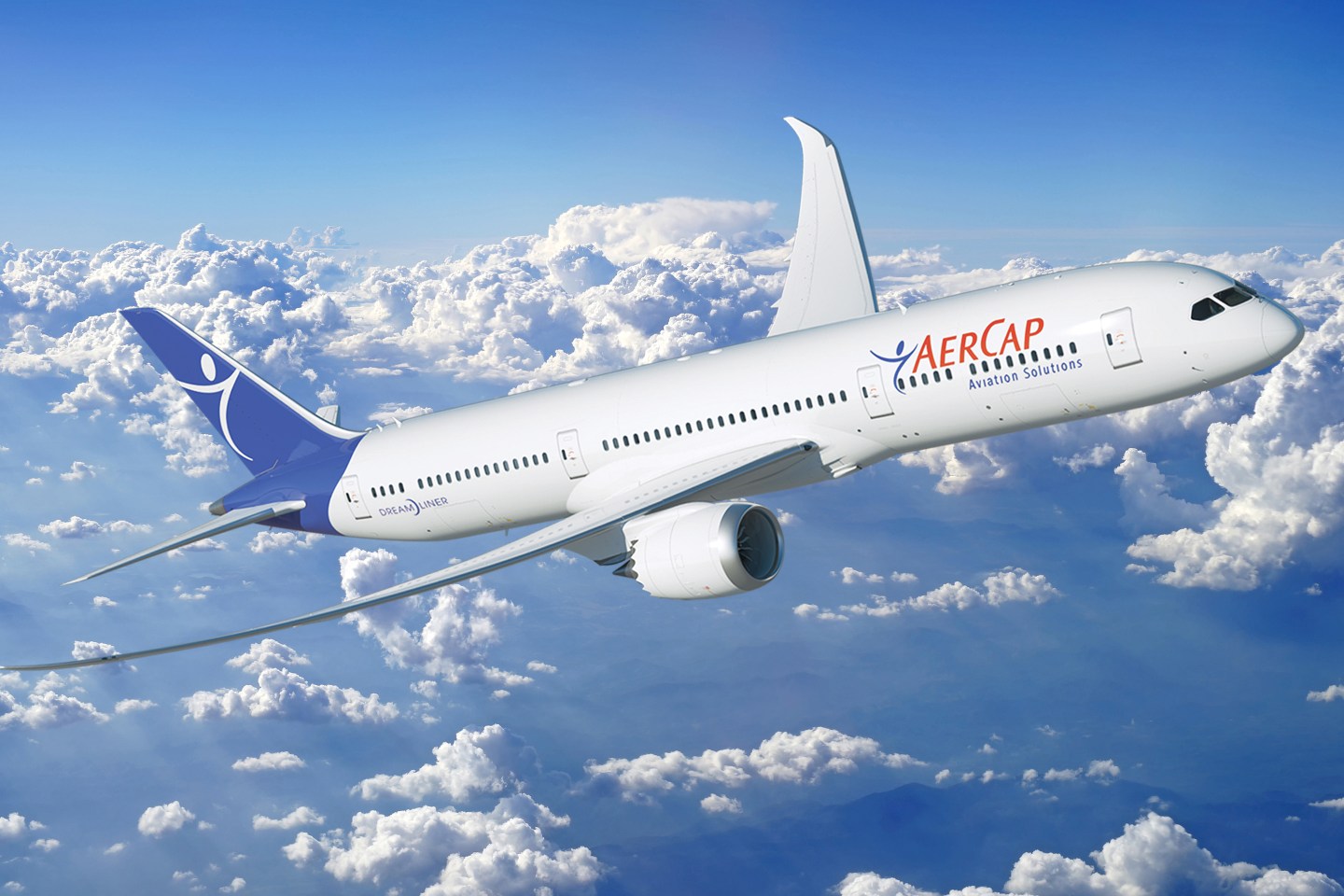
The world’s largest owner of commercial aircraft, AerCap, lost 113 planes to Russia. Courtesy of AerCap
Add Fortune on Google for similar content.

CEOs worldwide are suddenly transfixed by a worry they didn’t have just last year: What kind of business insurance do they have in Ukraine and Russia?

It’s a timely question, and the answer could be costly. Billions of dollars are at stake, and the Ukraine conflict has already prompted a deep rethinking of risk management across industries.

A financial hit may, understandably, seem like a paltry concern amid the human carnage and misery caused by Russia’s invasion of Ukraine. But companies that do business in either country still have stakeholders to answer to, and many that have suffered economic losses are now discovering exactly what their insurance will and won’t cover.

In some cases, no one knows the answer. For instance, Russian President Vladimir Putin in March authorized the seizure of hundreds of commercial jets that Russian airlines leased from Western aircraft lessors. “This is just something that never was contemplated,” says Garrett Hanrahan, global head of aviation and space at the Marsh insurance brokerage. Far more seizures of Western property could lie ahead.

“The biggest thing we’re keeping an eye on is that the Russian government may appropriate the assets of Western companies—particularly those that have signaled their exit,” says Laura Burns, a political risk expert at the WTW insurance advisory firm. “That would be a monumental event in our industry.”

The unprecedented aviation breach exemplifies the uncertainties that companies operating in Russia may face. Just over 500 Western-built aircraft, plus associated equipment, are stuck in Russia, valued at an estimated $10 billion to $15 billion, though some estimates go up to $30 billion. Most of those planes are flown by Russian airlines but owned by Western aircraft leasing companies.

The world’s biggest aircraft lessor, Dublin-based AerCap, has already written off $2.7 billion, recognizing a “total loss” on the 113 planes it can’t get out of Russia, and has filed an insurance claim for about $3.5 billion. The company “will vigorously pursue all available remedies to recover our losses,” CEO Aengus Kelly said in a statement. His hawkish stance reflects the reality that AerCap’s insurers may not disburse $3.5 billion without tough negotiations, creating conflict between insurer and insured.

Insurance policies almost always include fine print, nuanced stipulations, and other lexical particulars, so selecting the right policy is crucial. Hanrahan notes, for example, that AerCap’s insurance claim doesn’t say Russia “confiscated” or “seized” Western-owned planes; it says Russia stole them. That’s because an aircraft owner’s coverage can include multiple types of policies. A “hull war” policy covers damage, destruction, or seizure of an aircraft even if caused by war or warlike events, but with a major caveat: “There are aggregate limits associated with the hull war market,” says Hanrahan. In any given year, hull war insurers will cover losses only up to a certain amount, and if ever a year looked likely to exceed the limit, 2022 is it. By contrast, “all risks” policies might not cover war-caused damage but do cover theft—and in that market there are no aggregate limits.

Insurers may rebut the claim that Russia stole the lessors’ planes, turning word choice into a highly debatable issue.

Companies across industries have suffered losses in Ukraine and Russia, and their ability to collect insurance payouts depends heavily on the types of policies they bought before the February invasion. If a company’s buildings, vehicles, or other property were destroyed in the fighting, regular property insurance won’t help. Those policies carry “very strong exclusions for war and warlike actions,” says Robert Gall, U.S. chief property claims officer at Marsh. While they’re referred to as war exclusions, they still apply even though Russia hasn’t officially declared war. These exclusions typically specify that property damage caused by invasion, insurrection, rebellion, revolution, and other similar events isn’t covered.

For protection against situations like the Ukraine invasion, companies need political risk insurance. Among the most widely used types are:

• Political violence coverage. This policy covers property damage even in war zones. “Particularly in eastern Ukraine and the Donbas region, many, many clients have suffered a political violence loss,” says Burns.

• Forced abandonment coverage. This policy is for scenarios in which there’s no property damage, but danger has become so great that a company must abandon its assets or business. In Ukraine, many companies in agribusiness and manufacturing are filing notices of such claims. Burns says it’s currently an even larger area of coverage than political violence coverage.

• Contract frustration coverage. This policy covers conflict-related losses for companies without a physical presence in the region. For example, companies that have cross-border contracts with organizations in Ukraine or Russia may find they can’t send money in or out, or convert currency. Western sanctions on Russia, which prohibit actions that benefit Russian entities directly or indirectly, may render contracts worthless, making such a policy useful.

While not a form of political risk insurance, trade credit insurance is a close cousin of contract frustration coverage, insuring receivables from many customers when they can’t or won’t pay, rather than covering contracts with a single counterparty.

As always, it’s one thing to have an insurance policy and quite another to get a check from the insurer. Certain political violence claims can be settled quickly; if a building is destroyed, for example, satellite imagery can sometimes verify the damage even if no insurance adjuster can safely go there. Forced abandonment coverage typically requires a 180-day waiting period; if an asset’s owner can’t use the asset for 180 days, it’s considered abandoned, and the insurer can pay.

Stranded aircraft will likely be a different story. With companies filing massive claims and few precedents, negotiations could take years. “This is an insurance industry problem that needs to be solved,” says Hanrahan. “Otherwise, the only ones that are going to make money are the lawyers, because they’re probably looking at this as a smorgasbord. And they are not, shall we say, motivated to get a settlement early.” His concern: “the thought of this dragging on for 10 years.”

Russia’s invasion of Ukraine has alerted CEOs and CFOs to new risks in a fast-changing world order. “This has been a giant wake-up call to the corporate community,” Burns says. Even companies that don’t operate in Ukraine or Russia are worried about the ripple effects—say, grain blockaded in Ukraine spiking bread prices in other countries and prompting uprisings that topple governments. Burns says some business leaders are thinking hard about an even more threatening possibility: “Is this a big dress rehearsal for a China-Taiwan situation?”

Insurance is boring until you need it. The Russia-Ukraine conflict is reminding business leaders that insurance exists because risks exist, and for global business, what happens in one corner of the world has far-reaching consequences in another.


Sign up for the Fortune Features email list so you don’t miss our biggest features, exclusive interviews, and investigations.

About the Author
Geoff Colvin
By Geoff ColvinSenior Editor-at-Large
LinkedIn iconTwitter icon

Geoff Colvin is a senior editor-at-large at Fortune, covering leadership, globalization, wealth creation, the infotech revolution, and related issues.

See full bioRight Arrow Button Icon
Add Fortune on Google for similar content.

Latest in Leadership

Finance
Lorem ipsum dolor sit amet, consectetur adipiscing elit, sed do eiusmod tempor incididunt ut labore et dolore magna aliqua. Ut enim ad minim veniam
By Fortune Editors
October 20, 2025
Finance
Lorem ipsum dolor sit amet, consectetur adipiscing elit, sed do eiusmod tempor incididunt ut labore et dolore magna aliqua. Ut enim ad minim veniam
By Fortune Editors
October 20, 2025
Finance
Lorem ipsum dolor sit amet, consectetur adipiscing elit, sed do eiusmod tempor incididunt ut labore et dolore magna aliqua. Ut enim ad minim veniam
By Fortune Editors
October 20, 2025
Finance
Lorem ipsum dolor sit amet, consectetur adipiscing elit, sed do eiusmod tempor incididunt ut labore et dolore magna aliqua. Ut enim ad minim veniam
By Fortune Editors
October 20, 2025
Finance
Lorem ipsum dolor sit amet, consectetur adipiscing elit, sed do eiusmod tempor incididunt ut labore et dolore magna aliqua. Ut enim ad minim veniam
By Fortune Editors
October 20, 2025
Finance
Lorem ipsum dolor sit amet, consectetur adipiscing elit, sed do eiusmod tempor incididunt ut labore et dolore magna aliqua. Ut enim ad minim veniam
By Fortune Editors
October 20, 2025

Most Popular

Finance
Lorem ipsum dolor sit amet, consectetur adipiscing elit, sed do eiusmod tempor incididunt ut labore et dolore magna aliqua. Ut enim ad minim veniam
By Fortune Editors
October 20, 2025
Finance
Lorem ipsum dolor sit amet, consectetur adipiscing elit, sed do eiusmod tempor incididunt ut labore et dolore magna aliqua. Ut enim ad minim veniam
By Fortune Editors
October 20, 2025
Finance
Lorem ipsum dolor sit amet, consectetur adipiscing elit, sed do eiusmod tempor incididunt ut labore et dolore magna aliqua. Ut enim ad minim veniam
By Fortune Editors
October 20, 2025
Finance
Lorem ipsum dolor sit amet, consectetur adipiscing elit, sed do eiusmod tempor incididunt ut labore et dolore magna aliqua. Ut enim ad minim veniam
By Fortune Editors
October 20, 2025
Finance
Lorem ipsum dolor sit amet, consectetur adipiscing elit, sed do eiusmod tempor incididunt ut labore et dolore magna aliqua. Ut enim ad minim veniam
By Fortune Editors
October 20, 2025
Finance
Lorem ipsum dolor sit amet, consectetur adipiscing elit, sed do eiusmod tempor incididunt ut labore et dolore magna aliqua. Ut enim ad minim veniam
By Fortune Editors
October 20, 2025
Fortune Secondary Logo
Rankings
  • 100 Best Companies
  • Fortune 500
  • Global 500
  • Fortune 500 Europe
  • Most Powerful Women
  • World's Most Admired Companies
  • See All Rankings
  • Lists Calendar
Sections
  • Finance
  • Fortune Crypto
  • Features
  • Leadership
  • Health
  • Commentary
  • Success
  • Retail
  • Mpw
  • Tech
  • Lifestyle
  • CEO Initiative
  • Asia
  • Politics
  • Conferences
  • Europe
  • Newsletters
  • Personal Finance
  • Environment
  • Magazine
  • Education
Customer Support
  • Frequently Asked Questions
  • Customer Service Portal
  • Privacy Policy
  • Terms Of Use
  • Single Issues For Purchase
  • International Print
Commercial Services
  • Advertising
  • Fortune Brand Studio
  • Fortune Analytics
  • Fortune Conferences
  • Business Development
  • Group Subscriptions
About Us
  • About Us
  • Press Center
  • Work At Fortune
  • Terms And Conditions
  • Site Map
  • About Us
  • Press Center
  • Work At Fortune
  • Terms And Conditions
  • Site Map
  • Facebook icon
  • Twitter icon
  • LinkedIn icon
  • Instagram icon
  • Pinterest icon

Latest in Leadership

‘It’s just his AI and my AI going back and forth’: The workplace phenomenon that’s undermining human relationships
Future of WorkWorkforce
‘It’s just his AI and my AI going back and forth’: The workplace phenomenon that’s undermining human relationships
By Jacqueline MunisJuly 3, 2026
14 hours ago
Chad Hurley and Steven Chen wearing suits
SuccessWealth
YouTube’s founders split over $650 million when they sold to Google in 2006—had they held out, they could have taken a slice of $550 billion
By Preston ForeJuly 3, 2026
14 hours ago
2
Commentary250 Years of Innovation
America’s secret weapon isn’t just innovation — It’s the freedom to fail
By Keith KrachJuly 3, 2026
19 hours ago
Woman sitting in front of her house
SuccessWorld Cup
Airbnb offered $750 to Americans to open up their homes during the World Cup—mostly women took it up and now they’re earning thousands
By Emma BurleighJuly 3, 2026
20 hours ago
Microsoft’s next big bet isn’t on a model but on becoming the Swiss Army knife of enterprise AI
AIMicrosoft
Microsoft’s next big bet isn’t on a model but on becoming the Swiss Army knife of enterprise AI
By Sheryl Estrada and Sebastian HerreraJuly 3, 2026
21 hours ago
z
AIdisruption
Meet the Zillennials: The luckiest micro-generation in the workforce, born between 1993 and 1998
By Nick LichtenbergJuly 3, 2026
22 hours ago

Most Popular

Egg companies made $1.22 billion in profit off a $6 carton — now they’re buying their way out of a price-fixing case with 53 million donated eggs
Law
Egg companies made $1.22 billion in profit off a $6 carton — now they’re buying their way out of a price-fixing case with 53 million donated eggs
By Wyatte Grantham-Philips and The Associated PressJuly 2, 2026
1 day ago
Meet the Zillennials: The luckiest micro-generation in the workforce, born between 1993 and 1998
AI
Meet the Zillennials: The luckiest micro-generation in the workforce, born between 1993 and 1998
By Nick LichtenbergJuly 3, 2026
22 hours ago
Economists have found an answer to slowing cognitive decline: Avoid retiring early, study finds
Economy
Economists have found an answer to slowing cognitive decline: Avoid retiring early, study finds
By Sasha RogelbergJuly 2, 2026
2 days ago
On Wall Street, analysts increasingly don’t believe the U.S. government’s 'misleading' job numbers
Economy
On Wall Street, analysts increasingly don’t believe the U.S. government’s 'misleading' job numbers
By Jim EdwardsJuly 3, 2026
18 hours ago
$25 billion CEO says one-hour interviews are a waste of time—he puts candidates through six hours of tests and wants them to order wine at lunch
Success
$25 billion CEO says one-hour interviews are a waste of time—he puts candidates through six hours of tests and wants them to order wine at lunch
By Orianna Rosa RoyleJuly 3, 2026
22 hours ago
Current price of oil as of July 2, 2026
Personal Finance
Current price of oil as of July 2, 2026
By Joseph HostetlerJuly 2, 2026
2 days ago

© 2026 Fortune Media IP Limited. All Rights Reserved. Use of this site constitutes acceptance of our Terms of Use and Privacy Policy | CA Notice at Collection and Privacy Notice | Do Not Sell/Share My Personal Information
FORTUNE is a trademark of Fortune Media IP Limited, registered in the U.S. and other countries. FORTUNE may receive compensation for some links to products and services on this website. Offers may be subject to change without notice.