• Home
  • Latest
  • Fortune 500
  • Finance
  • Tech
  • Leadership
  • Lifestyle
  • Rankings
  • Multimedia

Trendingnow

1

As Big Tech showers employees with perks to win the talent war, Nvidia built a nearly $5 trillion company by making people pay for their own lunch

2

MacKenzie Scott alone accounted for one-third of America's $19.2 billion in megagifts last year

3

Current price of oil as of July 1, 2026

1

As Big Tech showers employees with perks to win the talent war, Nvidia built a nearly $5 trillion company by making people pay for their own lunch

2

MacKenzie Scott alone accounted for one-third of America's $19.2 billion in megagifts last year

3

Current price of oil as of July 1, 2026
FinanceWealth

The running of the bulls in 2023 was more like the waddle of the fat cats

Irina Ivanova
By
Irina Ivanova
Irina Ivanova
Deputy US News Editor
Down Arrow Button Icon
Irina Ivanova
By
Irina Ivanova
Irina Ivanova
Deputy US News Editor
Down Arrow Button Icon
January 13, 2024, 5:00 AM ET
Trader
A record low amount of Americans hold the lion's share of stock market wealth.Getty Images
Add Fortune on Google for similar content.

Meow. That’s the sound of 2023’s bull market getting swallowed up by the fat cats that make up the vast majority of stock-market wealth. How vast? Try a record 93% of value owned by the wealthiest 10% of society, according to no less an authority than the Federal Reserve. 

Recommended Video

It puts a different spin on the intense bull run that equities went on dating back to spring 2020, with the S&P 500 more than doubling in value, rising from 2,304 in March 2020 to close at 4,769 on the last trading day of last year. That figure even factors in the market slipping into a bona fide bear market in 2022 amid surging inflation and the souring of pandemic darlings, for instance the “crypto winter” and the end of meme-stock mania.

These figures are all the more remarkable considering that they are not equivalent to ratios of stock ownership. In fact, the number of Americans who hold any stocks at all also hit a record, with 58% of all Americans invested in equities in some form, also according to Fed data. This means that many of us own stock, but only the top 10% have truly valuable holdings.

The figures are a reminder that the rising tide of the past year hasn’t necessarily lifted all boats, revealing that even as the ranks of retail investors swelled, the surge in stock values accrued overwhelmingly to the top. 

That’s a function of basic math. The 84% rise in the S&P 500 since the depths of 2020 is worth a lot more in dollar terms when it’s applied to a starting amount of $100,000 than to a retail investor who’s putting in $2,000. 

“The higher up the income ladder you go, the more likely someone owns assets like stock and retirement accounts, and also, on average, the more they will have,” said Steve Rosenthal, a senior fellow at the Tax Policy Center. “The rich will have mega accounts, including mega IRA accounts, and the middle class and poor may own some stock, but it will be very little.” 

The average equity holdings of the wealthiest tenth, which in 2022 included households worth $1.9 million or more, was $608,000 — a figure that includes stock held outright as well as shares in retirement or mutual funds. Meanwhile, the poorest half of Americans (households with a net worth $192,000 or less) typically had stock holdings worth just $12,500.

Even within the richest sliver, nearly all the growth in stocks has gone to the top 1%, said Chuck Collins, who directs the inequality program at the left-leaning Institute for Policy Studies.

Two decades ago—in the wake of the dot-com bust—the wealthiest 1% held 40% of the wealth in public markets; today, their share is 54%.

And Collins believes that’s by design. The policies of the past decade “have encouraged asset growth and discouraged wage growth,” he said. “As much as wages have gone up, the rules of the economy have been tilted to asset owners at the expense of wage earners.”

In his view, and in the belief of many progressive economists, the impressive stock gains of the past few decades are directly tied to policies that reduce how much money people can earn in other ways, including wages, pensions, and taxes that can redistribute gains from the richest to the poorest.  

There's “tax cuts and tax avoidance at the very top, and very low minimum wages that don’t reflect the productivity gains among average workers,” Collins said. Since the late 1970s, even as American workers got more productive, their pay fell far behind the value they were contributing, a shift that coincided with the popularity of the Friedman doctrine, which held that corporations’ only purpose was to make money for shareholders. 

Since the late 1970s, Collins notes, “the productivity gains have mostly gone to equity, and to stockholders.”

More classically liberal (as in Adam Smith) proponents of free markets argue this is a good thing: Long-term, equity markets have provided the best return of any asset class, and encouraging broad participation in these markets is one way to spread prosperity widely, goes the argument. It’s the thinking behind, for instance, the rise of 401(k) plans in the place of pensions, and George W. Bush’s philosophy of an ownership society — people can have better results managing their own money than if they expect society to provide it for them.

But today’s markets are far narrower than they once were, and not just in terms of ownership. The stock market’s 20% rise this year has been fueled by just a handful of superstar companies. The so-called magnificent seven have a market cap equal to the stock markets of Canada, Japan and the United Kingdom, Apollo Chief Economist Torsten Slok noted this month.

This type of concentration discourages participation by boosting the most successful stocks above the level many investors can afford. And the era of “easy money,” as ultra-low interest rates were derisively called, allowed many firms that would have formerly floated on stock exchanges to sell to private equity, shrinking the total number of companies that are publicly traded—by more than 40% since the mid-1990s. (To their credit, commentators such as economic historian Edward Chancellor decry the distortions from such abundant capital.) Likewise, the current state of the market, in which 1% of Americans control more than half the stock-market wealth, offers another perspective on the pandemic’s economic boom, and why an economy that’s strong in the aggregate is leaving many people cold. 

“The whole idea that there's this democratization of the markets is way overhyped. 93% of all assets are in the top 10%— I don’t know what kind of democracy you’re living in,” said Collins. “The four-decade-long wealth surge to the top is basically continuing.”

About the Author
Irina Ivanova
By Irina IvanovaDeputy US News Editor

Irina Ivanova is the former deputy U.S. news editor at Fortune.


See full bioRight Arrow Button Icon
Add Fortune on Google for similar content.

Latest in Finance

Finance
Lorem ipsum dolor sit amet, consectetur adipiscing elit, sed do eiusmod tempor incididunt ut labore et dolore magna aliqua. Ut enim ad minim veniam
By Fortune Editors
October 20, 2025
Finance
Lorem ipsum dolor sit amet, consectetur adipiscing elit, sed do eiusmod tempor incididunt ut labore et dolore magna aliqua. Ut enim ad minim veniam
By Fortune Editors
October 20, 2025
Finance
Lorem ipsum dolor sit amet, consectetur adipiscing elit, sed do eiusmod tempor incididunt ut labore et dolore magna aliqua. Ut enim ad minim veniam
By Fortune Editors
October 20, 2025
Finance
Lorem ipsum dolor sit amet, consectetur adipiscing elit, sed do eiusmod tempor incididunt ut labore et dolore magna aliqua. Ut enim ad minim veniam
By Fortune Editors
October 20, 2025
Finance
Lorem ipsum dolor sit amet, consectetur adipiscing elit, sed do eiusmod tempor incididunt ut labore et dolore magna aliqua. Ut enim ad minim veniam
By Fortune Editors
October 20, 2025
Finance
Lorem ipsum dolor sit amet, consectetur adipiscing elit, sed do eiusmod tempor incididunt ut labore et dolore magna aliqua. Ut enim ad minim veniam
By Fortune Editors
October 20, 2025

Most Popular

Finance
Lorem ipsum dolor sit amet, consectetur adipiscing elit, sed do eiusmod tempor incididunt ut labore et dolore magna aliqua. Ut enim ad minim veniam
By Fortune Editors
October 20, 2025
Finance
Lorem ipsum dolor sit amet, consectetur adipiscing elit, sed do eiusmod tempor incididunt ut labore et dolore magna aliqua. Ut enim ad minim veniam
By Fortune Editors
October 20, 2025
Finance
Lorem ipsum dolor sit amet, consectetur adipiscing elit, sed do eiusmod tempor incididunt ut labore et dolore magna aliqua. Ut enim ad minim veniam
By Fortune Editors
October 20, 2025
Finance
Lorem ipsum dolor sit amet, consectetur adipiscing elit, sed do eiusmod tempor incididunt ut labore et dolore magna aliqua. Ut enim ad minim veniam
By Fortune Editors
October 20, 2025
Finance
Lorem ipsum dolor sit amet, consectetur adipiscing elit, sed do eiusmod tempor incididunt ut labore et dolore magna aliqua. Ut enim ad minim veniam
By Fortune Editors
October 20, 2025
Finance
Lorem ipsum dolor sit amet, consectetur adipiscing elit, sed do eiusmod tempor incididunt ut labore et dolore magna aliqua. Ut enim ad minim veniam
By Fortune Editors
October 20, 2025
Fortune Secondary Logo
Rankings
  • 100 Best Companies
  • Fortune 500
  • Global 500
  • Fortune 500 Europe
  • Most Powerful Women
  • World's Most Admired Companies
  • See All Rankings
  • Lists Calendar
Sections
  • Finance
  • Fortune Crypto
  • Features
  • Leadership
  • Health
  • Commentary
  • Success
  • Retail
  • Mpw
  • Tech
  • Lifestyle
  • CEO Initiative
  • Asia
  • Politics
  • Conferences
  • Europe
  • Newsletters
  • Personal Finance
  • Environment
  • Magazine
  • Education
Customer Support
  • Frequently Asked Questions
  • Customer Service Portal
  • Privacy Policy
  • Terms Of Use
  • Single Issues For Purchase
  • International Print
Commercial Services
  • Advertising
  • Fortune Brand Studio
  • Fortune Analytics
  • Fortune Conferences
  • Business Development
  • Group Subscriptions
About Us
  • About Us
  • Press Center
  • Work At Fortune
  • Terms And Conditions
  • Site Map
  • About Us
  • Press Center
  • Work At Fortune
  • Terms And Conditions
  • Site Map
  • Facebook icon
  • Twitter icon
  • LinkedIn icon
  • Instagram icon
  • Pinterest icon

Latest in Finance

Michael Shaulov, chief executive officer and co-founder of Fireblocks Inc.
CryptoCFO Daily
Why CFOs should pay attention to Open USD—the new stablecoin backed by more than 140 companies
By Sheryl EstradaJuly 2, 2026
29 minutes ago
Scott Bessent, US treasury secretary, during an Economic Club of New York (ECNY) event in New York, US, on Tuesday, June 23, 2026.
Economynational debt
Elon Musk says AI is the only way to fix the $40 trillion U.S. debt crisis—but a new study says even the most optimistic scenario won’t fill the hole
By Eleanor PringleJuly 2, 2026
2 hours ago
em
Commentary250 Years of Innovation
America’s 250th birthday has Elon Musk and a record IPO. Its 15th had Alexander Hamilton — and a stock market bubble
By Owen LamontJuly 2, 2026
2 hours ago
paramount
CommentaryAntitrust
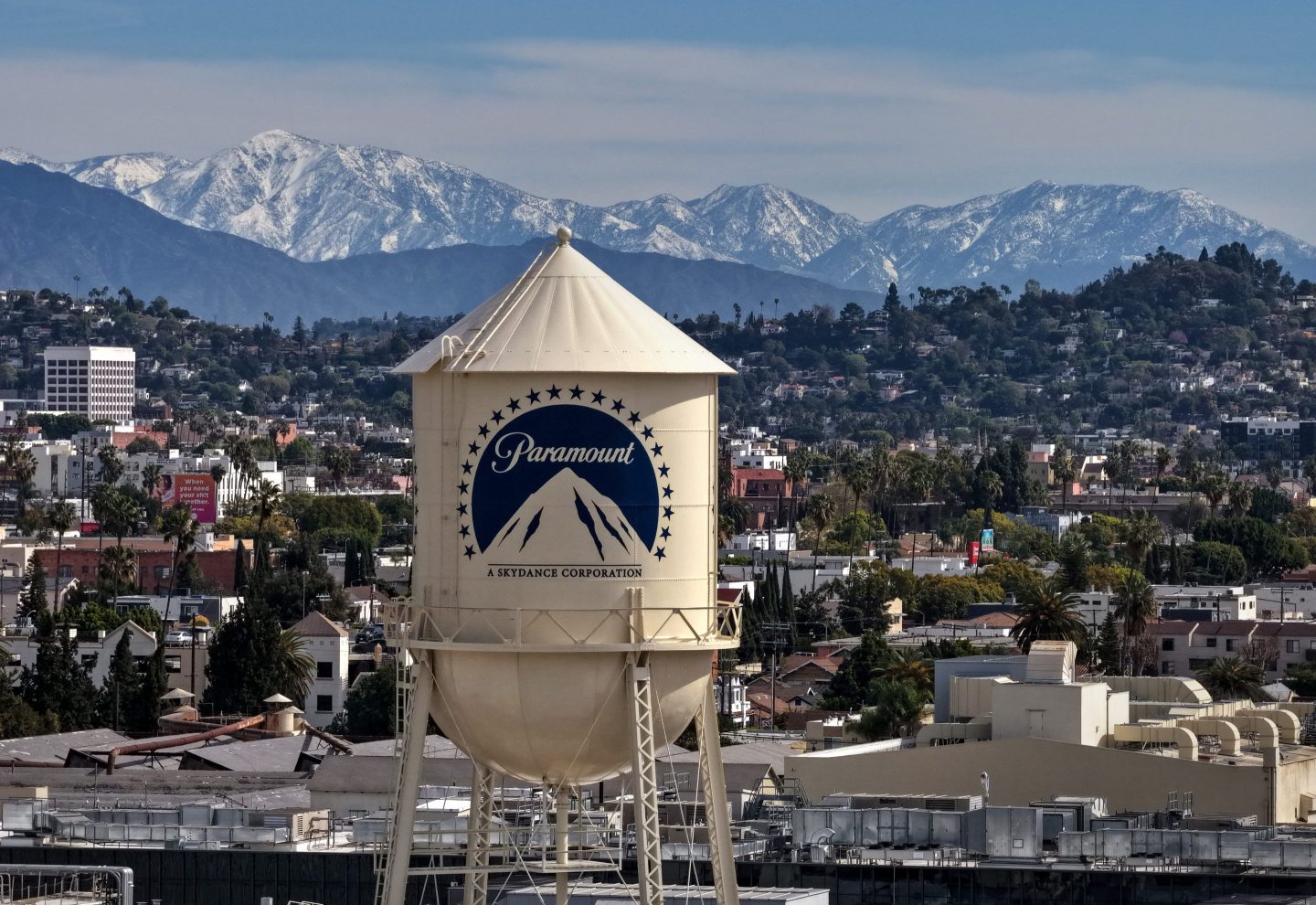
How Paramount’s theater commitments could boost local economies across the nation
By Ike BrannonJuly 2, 2026
2 hours ago
Top CD rates today, July 2, 2026: Lock in up to up to 4.40%
Personal FinanceCertificates of Deposit (CDs)
Top CD rates today, July 2, 2026: Lock in up to up to 4.40%
By Glen Luke FlanaganJuly 2, 2026
3 hours ago
Today’s top high-yield savings rates: Up to 5.00% on July 2, 2026
Personal FinanceSavings accounts
Today’s top high-yield savings rates: Up to 5.00% on July 2, 2026
By Glen Luke FlanaganJuly 2, 2026
3 hours ago

Most Popular

As Big Tech showers employees with perks to win the talent war, Nvidia built a nearly $5 trillion company by making people pay for their own lunch
Big Tech
As Big Tech showers employees with perks to win the talent war, Nvidia built a nearly $5 trillion company by making people pay for their own lunch
By Marco Quiroz-GutierrezJuly 1, 2026
1 day ago
MacKenzie Scott alone accounted for one-third of America's $19.2 billion in megagifts last year
Success
MacKenzie Scott alone accounted for one-third of America's $19.2 billion in megagifts last year
By Sydney LakeJune 25, 2026
7 days ago
Current price of oil as of July 1, 2026
Personal Finance
Current price of oil as of July 1, 2026
By Joseph HostetlerJuly 1, 2026
24 hours ago
The Supreme Court's birthright citizenship ruling hands the U.S. economy a $7.7 trillion win
Newsletters
The Supreme Court's birthright citizenship ruling hands the U.S. economy a $7.7 trillion win
By Diane BradyJuly 1, 2026
1 day ago
Philanthropy leader at Warren Buffett and Bill Gates’ Giving Pledge says children of billionaires are pushing them to give their wealth away faster
Success
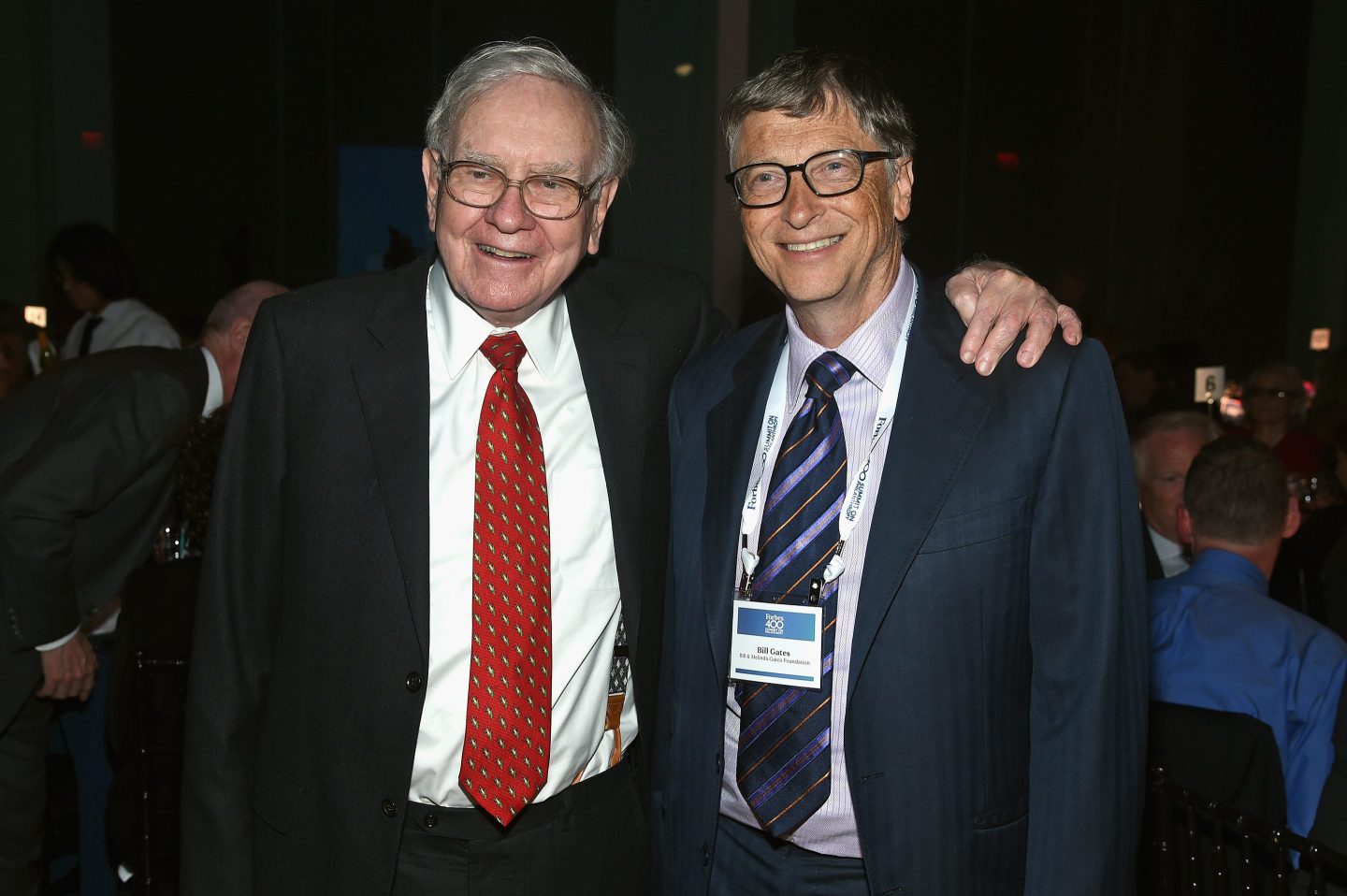
Philanthropy leader at Warren Buffett and Bill Gates’ Giving Pledge says children of billionaires are pushing them to give their wealth away faster
By Preston ForeJune 27, 2026
5 days ago
Elon Musk on MacKenzie Scott giving away $26 billion of her fortune: 'Sadly,' it makes the world a worse place
Success
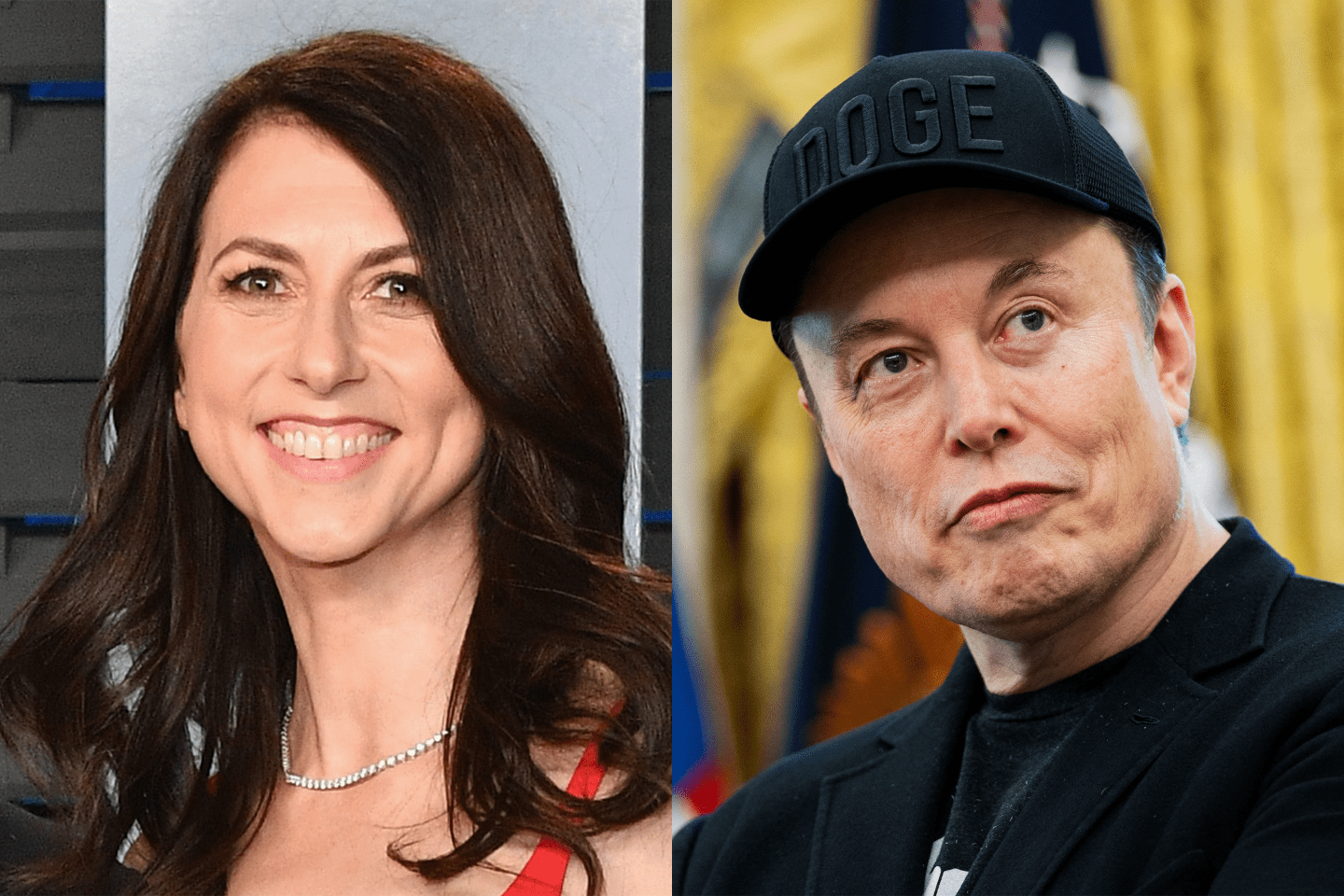
Elon Musk on MacKenzie Scott giving away $26 billion of her fortune: 'Sadly,' it makes the world a worse place
By Sydney LakeJune 29, 2026
3 days ago

© 2026 Fortune Media IP Limited. All Rights Reserved. Use of this site constitutes acceptance of our Terms of Use and Privacy Policy | CA Notice at Collection and Privacy Notice | Do Not Sell/Share My Personal Information
FORTUNE is a trademark of Fortune Media IP Limited, registered in the U.S. and other countries. FORTUNE may receive compensation for some links to products and services on this website. Offers may be subject to change without notice.