• Home
  • Latest
  • Fortune 500
  • Finance
  • Tech
  • Leadership
  • Lifestyle
  • Rankings
  • Multimedia
Economynational debt

In Trump’s year of cost-cutting and efficiency, national debt soars past $37 trillion

Eleanor Pringle
By
Eleanor Pringle
Eleanor Pringle
Senior Reporter, Economics and Markets
Down Arrow Button Icon
Eleanor Pringle
By
Eleanor Pringle
Eleanor Pringle
Senior Reporter, Economics and Markets
Down Arrow Button Icon
August 13, 2025, 11:04 AM ET
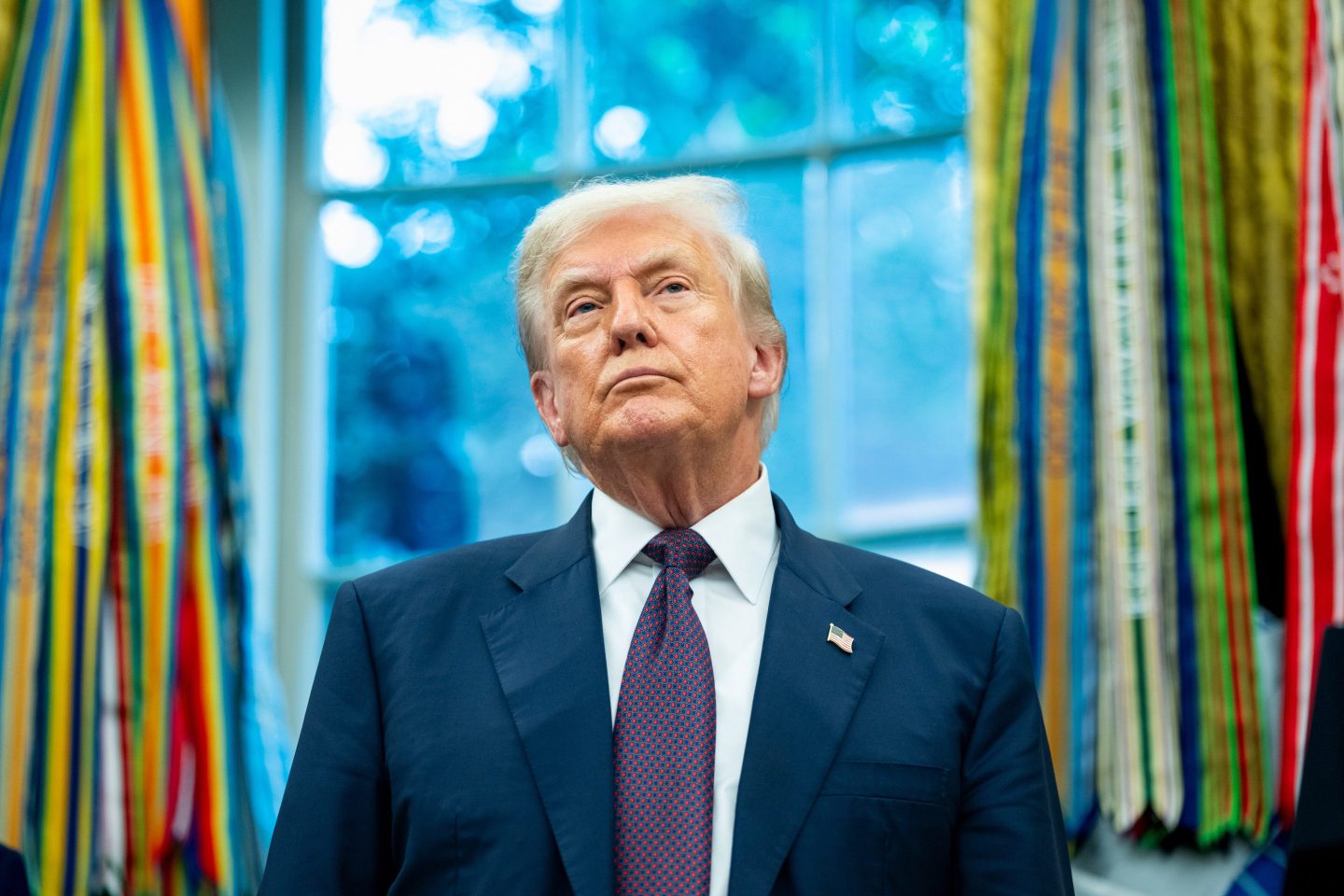
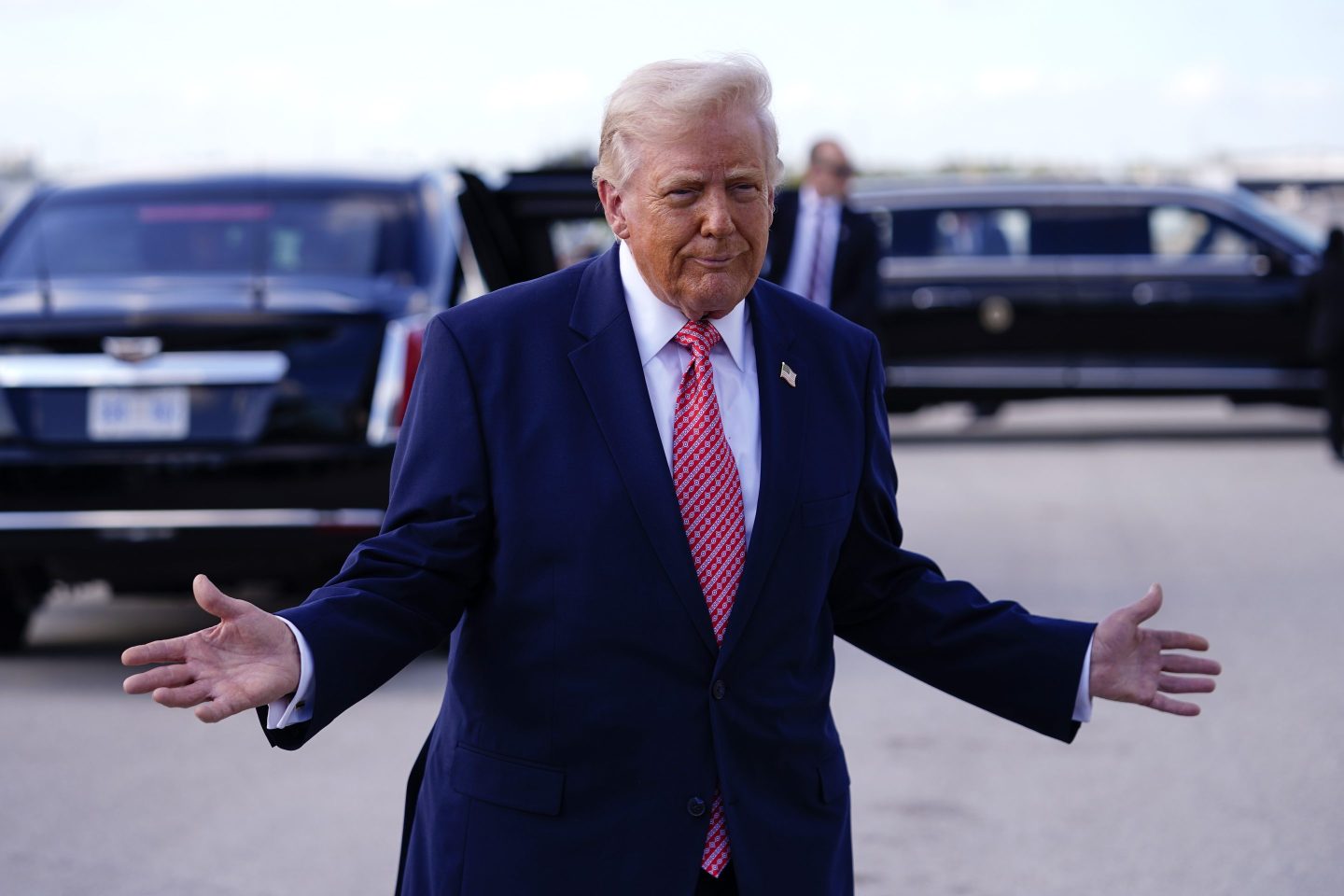
US President Donald Trump in the Oval Office of the White House in Washington, DC, US, on Wednesday, Aug. 6, 2025.
President Trump has many plans to address national debt—but economists are split on how successful they’ll be.Bonnie Cash—UPI/Bloomberg/Getty Images
  • U.S. national debt has topped $37 trillion, drawing warnings from economists and business leaders. President Trump’s plan to repay the debt centers on tariffs, cost-cutting, and growth programs. Critics argue the impact is likely to be minimal. Meanwhile, White House deputy press secretary Kush Desai told Fortune the debt-to-GDP ratio has fallen under Trump and will keep improving with pro-growth policies and record tariff revenues.

President Trump has got plenty of ideas about how he’ll address national debt: He’ll pay it down through tariffs, or offset some of the borrowing thanks to proceeds from his “golden visa” program.

Recommended Video

He’s also said he’ll rebalance the debt-to-GDP ratio by growing the economy, and would reduce the need for as much borrowing thanks to initiatives like the Department of Government Efficiency (DOGE).

And while no economist will expect the White House to turn around national debt overnight, they also might have hoped for some more robust policies on the issue.

This month, America’s national debt surpassed $37 trillion—a record milestone that the Committee for a Responsible Federal Budget (CRFB) had previously believed would be hit by 2030. But one pandemic later, the gargantuan spending the government undertook to steer the economy through the crisis is making its mark.

Uncle Sam is adding a trillion more dollars to the debt burden every five months, noted Michael A. Peterson, CEO of the Peter G. Peterson Foundation, an organization that works with policymakers, economists, and the public to advocate for a more sustainable fiscal outlook.

“During a time of economic growth, it is highly irresponsible to run deficits this large … At this pace, we will run through the recent $5 trillion debt limit increase—the largest in history—in just two years. We are no longer in a Great Recession or a global pandemic, but our fiscal policy keeps acting like we are,” Peterson said.

“As our debt continues to rise,” he noted, “at some point the financial markets will lose confidence in our ability to overcome the politics to solve this problem. International lenders are watching, and all three ratings agencies have now downgraded U.S. credit. The question is, How many more trillions will we add before we decide to stop? Despite today’s unfortunate milestone, it’s not too late to act. We should reform our budget before the damage is made even worse. Policymakers have many well-known options to stabilize our debt and put us on a stronger path for the next generation.”

White House deputy press secretary Kush Desai countered to Fortune: “America’s debt-to-GDP ratio has actually declined since President Trump took office—and as the administration’s pro-growth policies of tax cuts, rapid deregulation, more efficient government spending, and fair trade deals continue taking effect and America’s economic resurgence accelerates, that ratio will continue trending in the right direction.

“That’s on top of the record revenue that President Trump’s tariff policies are bringing in for the federal government.”

Peterson isn’t alone in his concern. Over the past few years, alarm bells are increasingly being rung by some of the most notable names in finance and economics. JPMorgan Chase CEO Jamie Dimon believes it is the “most predictable crisis” in history. Ray Dalio believes it will trigger an “economic heart attack,” and the usually neutral Jerome Powell says it’s past time for an “adult conversation” about the issue.

Trump’s national debt policies

Thus far, the White House’s cost-cutting and revenue-raising initiatives haven’t been without success. At the time of writing, DOGE’s savings calculator claims to have axed $202 billion from the government’s bottom line.

That figure equates to $1,254.66 in savings per taxpayer. However, given the fact that debt per capita, at the time of writing, sits at a little over $108,000 per person in America, the organization formerly headed by Tesla CEO Elon Musk still has a long way to go.

Likewise, President Trump’s tariffs have generated significant returns in the past few months. This week the CRFB reported tariff revenue into the U.S. has more than tripled from approximately $7 billion last year to approximately $25 billion in late July.

Such figures are not to be sniffed at (wherever you come down in the debate about whether American consumers or foreign counterparts will be paying the price), and revenues are expected to continue rising.

That said, $25 billion still equates to less than 0.07% of the national debt at the time of writing. If the U.S. continued to plow every penny of its current tariff revenue into national debt as it stands, it would still take nearly 120 years to pay off.

And of course, that figure and its respective interest payment is going up by the minute.

All of the above comes ahead of the issue of President Trump’s One Big Beautiful Bill Act (OBBBA), which the Congressional Budget Office estimates will add $3 trillion to the deficit between 2025 and 2034.

The White House counters that the act will rebalance the all-important debt-to-GDP ratio, which is the fundamental concern of economists. The ratio is key because it signals to foreign investors whether the growth and size of America’s economy is enough to balance its debts. If the ratio falls too out of balance, foreign buyers of American debt may fear they won’t receive their returns, or demand higher interest rates to offset the risk.

The government can take action on either side of the ratio to rebalance the books. It can either increase growth to bring down the disparity, or cut spending to reduce the debt.

The current ratio is at 121%, the St. Louis Fed reports (down from Q4 of 2024 at 122%), and the White House insists this will fall further to 94% because the OBBBA will generate economic activity. “President Trump is supersizing hardworking Americans’ paychecks and restoring fiscal sanity, helping solve our debt crisis for the long run,” the White House wrote in June.

The Fortune 500 Innovation Forum will convene Fortune 500 executives, U.S. policy officials, top founders, and thought leaders to help define what’s next for the American economy, Nov. 16-17 in Detroit. Apply here.
About the Author
Eleanor Pringle
By Eleanor PringleSenior Reporter, Economics and Markets
LinkedIn icon

Eleanor Pringle is an award-winning senior reporter at Fortune covering news, the economy, and personal finance. Eleanor previously worked as a business correspondent and news editor in regional news in the U.K. She completed her journalism training with the Press Association after earning a degree from the University of East Anglia.

See full bioRight Arrow Button Icon

Latest in Economy

Finance
Lorem ipsum dolor sit amet, consectetur adipiscing elit, sed do eiusmod tempor incididunt ut labore et dolore magna aliqua. Ut enim ad minim veniam
By Fortune Editors
October 20, 2025
Finance
Lorem ipsum dolor sit amet, consectetur adipiscing elit, sed do eiusmod tempor incididunt ut labore et dolore magna aliqua. Ut enim ad minim veniam
By Fortune Editors
October 20, 2025
Finance
Lorem ipsum dolor sit amet, consectetur adipiscing elit, sed do eiusmod tempor incididunt ut labore et dolore magna aliqua. Ut enim ad minim veniam
By Fortune Editors
October 20, 2025
Finance
Lorem ipsum dolor sit amet, consectetur adipiscing elit, sed do eiusmod tempor incididunt ut labore et dolore magna aliqua. Ut enim ad minim veniam
By Fortune Editors
October 20, 2025
Finance
Lorem ipsum dolor sit amet, consectetur adipiscing elit, sed do eiusmod tempor incididunt ut labore et dolore magna aliqua. Ut enim ad minim veniam
By Fortune Editors
October 20, 2025
Finance
Lorem ipsum dolor sit amet, consectetur adipiscing elit, sed do eiusmod tempor incididunt ut labore et dolore magna aliqua. Ut enim ad minim veniam
By Fortune Editors
October 20, 2025

Most Popular

Finance
Lorem ipsum dolor sit amet, consectetur adipiscing elit, sed do eiusmod tempor incididunt ut labore et dolore magna aliqua. Ut enim ad minim veniam
By Fortune Editors
October 20, 2025
Finance
Lorem ipsum dolor sit amet, consectetur adipiscing elit, sed do eiusmod tempor incididunt ut labore et dolore magna aliqua. Ut enim ad minim veniam
By Fortune Editors
October 20, 2025
Finance
Lorem ipsum dolor sit amet, consectetur adipiscing elit, sed do eiusmod tempor incididunt ut labore et dolore magna aliqua. Ut enim ad minim veniam
By Fortune Editors
October 20, 2025
Finance
Lorem ipsum dolor sit amet, consectetur adipiscing elit, sed do eiusmod tempor incididunt ut labore et dolore magna aliqua. Ut enim ad minim veniam
By Fortune Editors
October 20, 2025
Finance
Lorem ipsum dolor sit amet, consectetur adipiscing elit, sed do eiusmod tempor incididunt ut labore et dolore magna aliqua. Ut enim ad minim veniam
By Fortune Editors
October 20, 2025
Finance
Lorem ipsum dolor sit amet, consectetur adipiscing elit, sed do eiusmod tempor incididunt ut labore et dolore magna aliqua. Ut enim ad minim veniam
By Fortune Editors
October 20, 2025
Fortune Secondary Logo
Rankings
  • 100 Best Companies
  • Fortune 500
  • Global 500
  • Fortune 500 Europe
  • Most Powerful Women
  • Future 50
  • World’s Most Admired Companies
  • See All Rankings
Sections
  • Finance
  • Fortune Crypto
  • Features
  • Leadership
  • Health
  • Commentary
  • Success
  • Retail
  • Mpw
  • Tech
  • Lifestyle
  • CEO Initiative
  • Asia
  • Politics
  • Conferences
  • Europe
  • Newsletters
  • Personal Finance
  • Environment
  • Magazine
  • Education
Customer Support
  • Frequently Asked Questions
  • Customer Service Portal
  • Privacy Policy
  • Terms Of Use
  • Single Issues For Purchase
  • International Print
Commercial Services
  • Advertising
  • Fortune Brand Studio
  • Fortune Analytics
  • Fortune Conferences
  • Business Development
  • Group Subscriptions
About Us
  • About Us
  • Editorial Calendar
  • Press Center
  • Work At Fortune
  • Diversity And Inclusion
  • Terms And Conditions
  • Site Map
  • About Us
  • Editorial Calendar
  • Press Center
  • Work At Fortune
  • Diversity And Inclusion
  • Terms And Conditions
  • Site Map
  • Facebook icon
  • Twitter icon
  • LinkedIn icon
  • Instagram icon
  • Pinterest icon

Latest in Economy

Covid gave us hybrid work. The Iran War might give us a four-day week—and this time, experts say it could stick
SuccessFour day work week
Covid gave us hybrid work. The Iran War might give us a four-day week—and this time, experts say it could stick
By Orianna Rosa RoyleApril 1, 2026
43 minutes ago
trump
CommentaryEPA
The EPA just valued a human life at $0. That’s not just a moral crisis — it’s a market crisis
By Andrew BeharApril 1, 2026
59 minutes ago
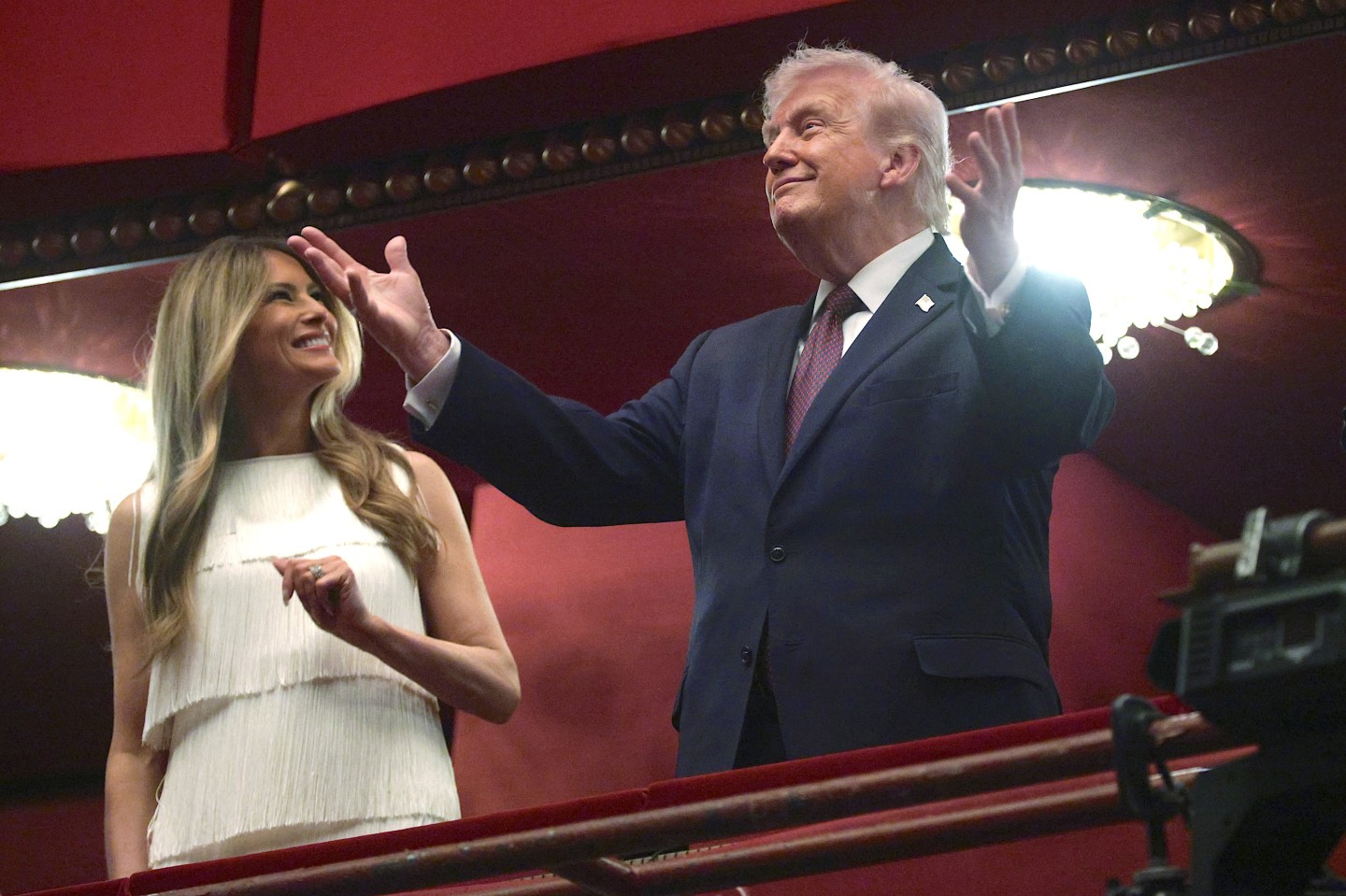
Photo: Donald and Melania Trump.
PoliticsMarkets
Trump has no good options in Iran—here are 5 of them ahead of his speech to the nation tonight
By Jim EdwardsApril 1, 2026
4 hours ago
The more women earn, the more housework they do: inside the paradox a Wharton economist calls ‘an existential problem for men’
SuccessLabor
The more women earn, the more housework they do: inside the paradox a Wharton economist calls ‘an existential problem for men’
By Catherina GioinoApril 1, 2026
5 hours ago
MUSCAT, OMAN - MARCH 22: The Albina Bulk carrier sits anchored on March 22, 2026 at Sultan Qaboos Port in Muscat, Oman.President Donald Trump had threatened to attack Iran's energy infrastructure if it did not end its de facto blockade of the Strait of Hormuz by just before midnight GMT of March 23. A subsequent statement from President Trump said the U.S. and Iran had held "very good and productive conversations regarding a complete and total resolution of our hostilities in the Middle East," and that he would postpone any attacks on Iranian energy infrastructure for five days. Maritime traffic through the strait, which conveys about 20% of the world's oil and gas, has mostly come to a halt after the joint U.S.-Israeli war with Iran that began on February 28.
EnergyIran
Trump has a labyrinth of bad options in the Strait of Hormuz. Here’s why some warn that walking away could transcend ‘our defeat in Vietnam’
By Jordan BlumMarch 31, 2026
15 hours ago
Wall Street just had its best day in nearly a year over a rumor
EconomyMarkets
Wall Street just had its best day in nearly a year over a rumor
By Eva RoytburgMarch 31, 2026
16 hours ago

Most Popular

Jerome Powell says the $39 trillion national debt is ‘not unsustainable,’ but warns the trajectory ‘will not end well’
Economy
Jerome Powell says the $39 trillion national debt is ‘not unsustainable,’ but warns the trajectory ‘will not end well’
By Fortune EditorsMarch 30, 2026
2 days ago
A man used AI to call 3,000 Irish bartenders to track the cost of Guinness. Now pubs are lowering their prices to compete
AI
A man used AI to call 3,000 Irish bartenders to track the cost of Guinness. Now pubs are lowering their prices to compete
By Fortune EditorsMarch 30, 2026
2 days ago
Markets cheer as Trump threatens to abandon Iran war, but Jamie Dimon sides with allies: ‘Win this thing and clean up the straits’
Energy
Markets cheer as Trump threatens to abandon Iran war, but Jamie Dimon sides with allies: ‘Win this thing and clean up the straits’
By Fortune EditorsMarch 31, 2026
23 hours ago
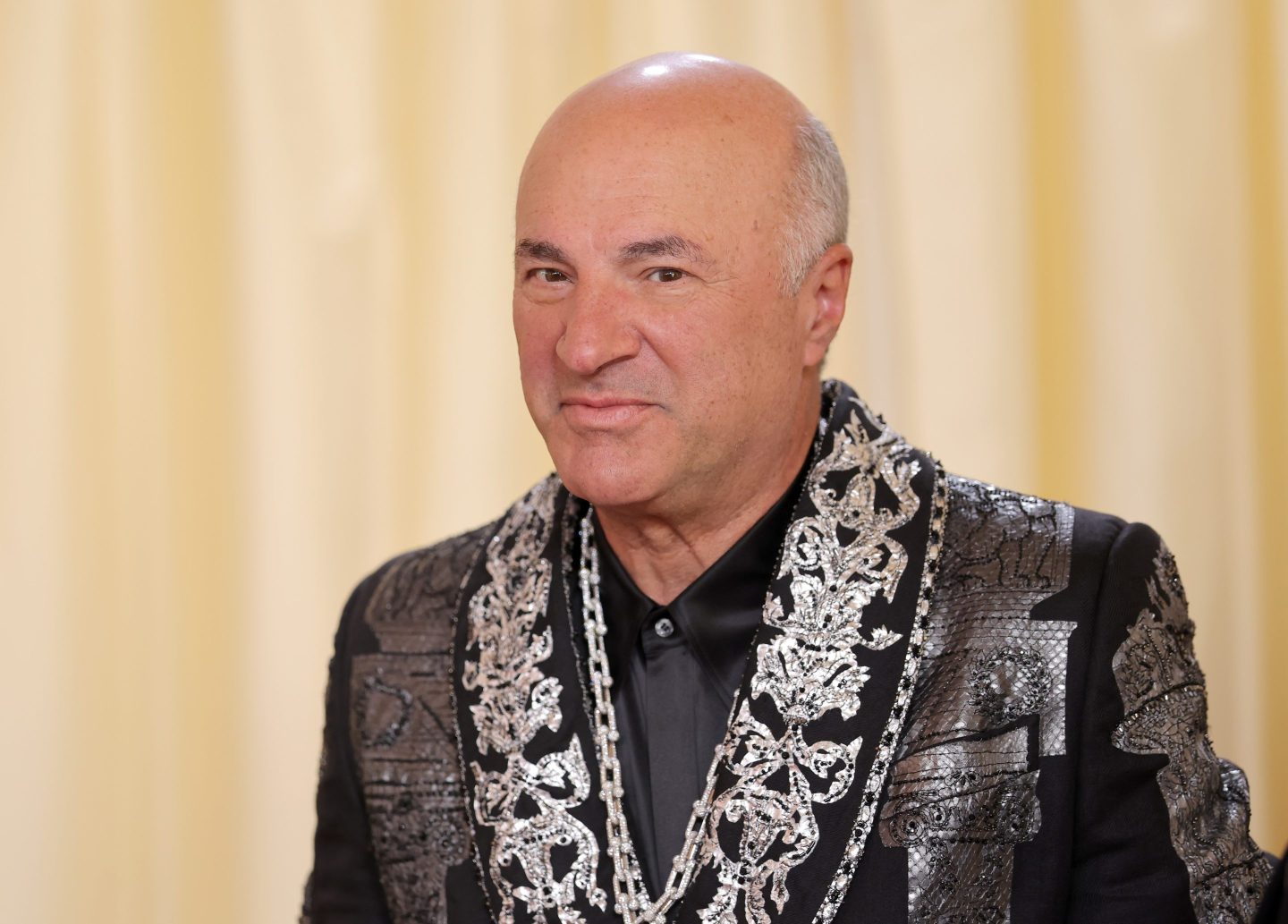
Kevin O'Leary says if you earn $68,000 a year and follow this rule, you'll retire a millionaire
Personal Finance
Kevin O'Leary says if you earn $68,000 a year and follow this rule, you'll retire a millionaire
By Fortune EditorsMarch 31, 2026
21 hours ago
The federal government shed 385,000 employees last year. Now the Trump administration is on a blitz to hire Gen Z workers
Politics
The federal government shed 385,000 employees last year. Now the Trump administration is on a blitz to hire Gen Z workers
By Fortune EditorsMarch 31, 2026
1 day ago
A CEO trying to reindustrialize America says blue-collar pay is headed for 'massive hyperinflation' and kids should skip college to become welders
Success
A CEO trying to reindustrialize America says blue-collar pay is headed for 'massive hyperinflation' and kids should skip college to become welders
By Fortune EditorsMarch 30, 2026
2 days ago

© 2026 Fortune Media IP Limited. All Rights Reserved. Use of this site constitutes acceptance of our Terms of Use and Privacy Policy | CA Notice at Collection and Privacy Notice | Do Not Sell/Share My Personal Information
FORTUNE is a trademark of Fortune Media IP Limited, registered in the U.S. and other countries. FORTUNE may receive compensation for some links to products and services on this website. Offers may be subject to change without notice.