• Home
  • Latest
  • Fortune 500
  • Finance
  • Tech
  • Leadership
  • Lifestyle
  • Rankings
  • Multimedia

Trendingnow

1

Despite having a $165 million net worth, Scarlett Johansson says work-life balance doesn’t exist—and the first step to success is admitting that

2

The Bezos family just donated $100 million to help achieve one of Mayor Zohran Mamdani’s top campaign promises

3

Current price of oil as of May 15, 2026

1

Despite having a $165 million net worth, Scarlett Johansson says work-life balance doesn’t exist—and the first step to success is admitting that

2

The Bezos family just donated $100 million to help achieve one of Mayor Zohran Mamdani’s top campaign promises

3

Current price of oil as of May 15, 2026
CommentaryColleges and Universities

Former Trump advisor: ‘Conservatives’ risk killing America’s golden goose by taxing university research

By
Tomas J. Philipson
Tomas J. Philipson
Down Arrow Button Icon
By
Tomas J. Philipson
Tomas J. Philipson
Down Arrow Button Icon
March 28, 2026, 7:15 AM ET
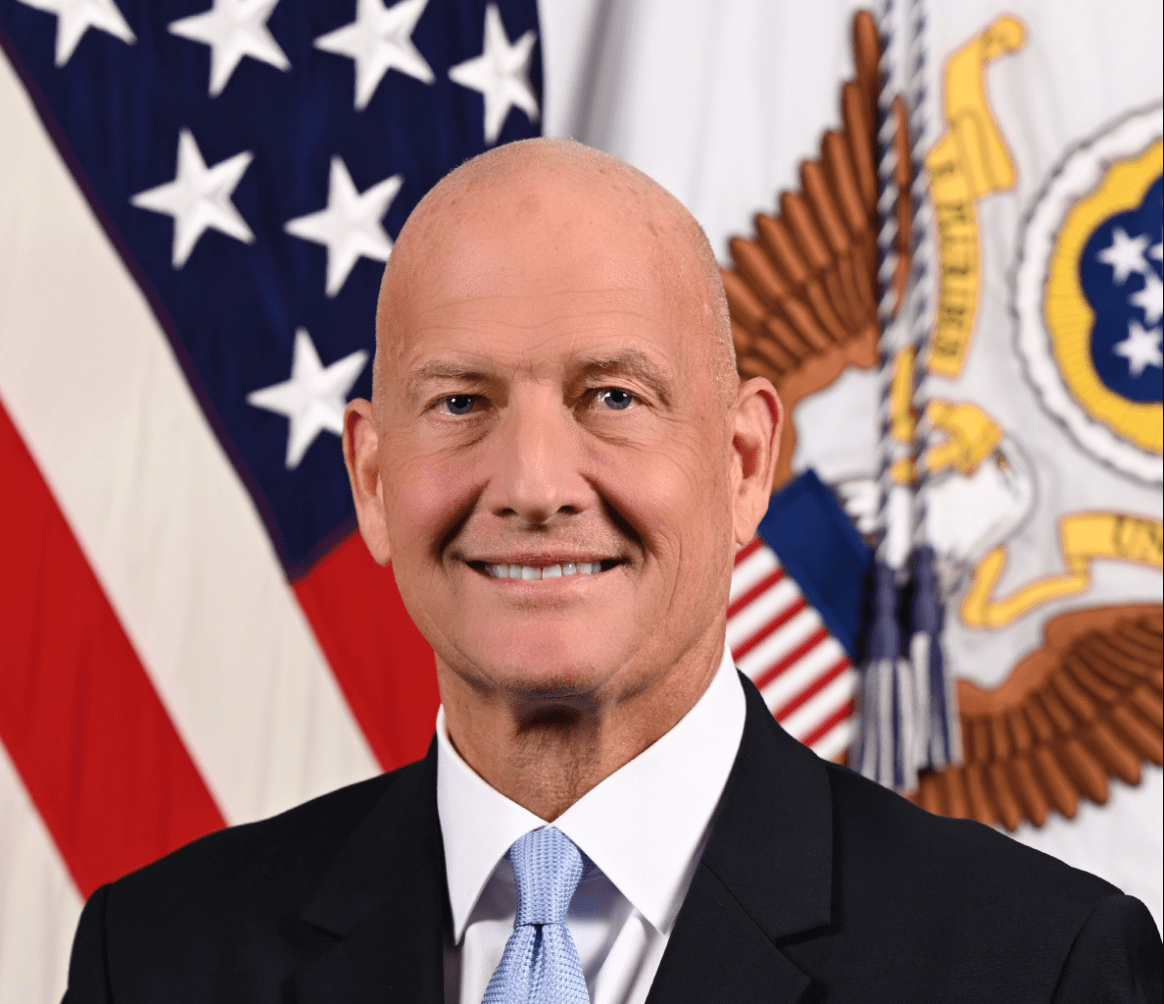
Tomas J. Philipson is an economist at the University of Chicago and served as a member and acting chairman of the White House's Council of Economic Advisers from 2017 to 2020.
tomas
Tomas J. Philipson is an economist at the University of Chicago and served as a member and acting chairman of the White House's Council of Economic Advisers from 2017 to 2020.courtesy of Tomas Philipson

Several so-called conservative think tanks and Department of Commerce officials have proposed taxing the income that universities earn from licensing their research discoveries supported by government grants. By effectively taxing research and development (R&D), the engine of   growth, the proposals threaten to discourage innovation in semiconductors, energy, medicines, and other critical technologies. In addition, the government is already getting ample rewards from these R&D subsidies through its many other taxes on the incomes of the innovations generated.

Recommended Video

R&D is essential to economic growth as innovation allows us to produce more with the same inputs. That’s why countries across the globe subsidize it including the U.S through tax exemptions and public research spending, including providing universities with research grants. The think tank proposals of this R&D tax would foolishly jeopardize this activity. The CATO Institute has suggested that the federal government should “demand a royalty” from universities that earn money from licensing patents that resulted from taxpayer-funded research. A more extreme proposal from the Brownstone Institute would repeal the Bayh-Dole licensing system altogether. They echo similar calls for R&D taxes from the Department of Commerce that has even surfaced taxing patents.

Universities are currently allowed to patent the discoveries that their researchers make with the help of these federal grants. Those  patents can then be licensed to private companies in exchange for royalties that promote further discoveries.

This “tech transfer” system — created by the landmark 1980 Bayh-Dole Act — was designed to encourage this licensing. Prior to that law, universities had little incentive to patent or license the discoveries their researchers made with federal funding, since the government controlled the intellectual property rights on those discoveries. In other words, taxpayers were pouring money into scientific research. University labs were making impressive discoveries. But those discoveries weren’t transformed into useful products for tax-payers.

Most university technology transfer offices, like the one I participated in at The University of Chicago, have relatively meager licensing revenues, which total just a few billion annually in aggregate. This is far less than their importance of them for tech transfer activities. As they are the beginning of the highly uncertain innovation chain, they capture only a small fraction of the value generated. Technology transfer supports entire innovation ecosystems — startups, incubators, venture funds, and research parks — that grow up around major research universities and attract private capital at scale. Last year alone, university-driven research parks produced roughly $33 billion in federal tax revenue — an order of magnitude more than universities earn from licensing patents.

Naturally, if you tax something, you get less of it. Many universities would invest less in technology transfer and indeed 95% of tech-transfer experts warn that the policy would force universities to scale back or abandon licensing efforts altogether.

My direct experience as a managing partner in a VC firm suggests that startups and venture firms would be particularly hit as their deal-sourcing often relies on tech transfer offices. They lack the resources to monitor discoveries emerging from thousands of research labs nationwide and rely on offices surfacing promising breakthroughs.

By any measure, transfer offices have had great success. Since 1996, university technology transfer has directly contributed nearly $2 trillion to U.S. gross industrial output and almost 20,000 companies have formed around university-licensed technologies. In 2024 alone, 950 startups launched to commercialize academic research.

Some of those firms go on to reshape entire industries. The US biotech industry, the envy of the world, is largely driven by university discoveries and companies like Genzyme and Biogen grew out of this process. Google emerged from Stanford research licensed under Bayh-Dole. If the new proposals prevented even one company of this scale from forming, the lost tax revenue would dwarf any revenue the new R&D tax could conceivably raise.

It also defies common sense for the government to collect taxes on its own subsidies–to directly subsidize R&D only to then tax it back. Ending this inefficient “tax-spend-tax” process is a general issue and one reason why it was useful for President Trump to cut taxes on Social Security. Why collect distortive taxes to give out benefits only to tax back those benefits?

Supporters of these circular proposals say that the government should be rewarded for funding R&D, just as an initial private-sector investor would. Besides missing that total government revenue would fall from the reduced economic growth it also misses that the government already gets rewarded more than any private investor. The companies that license university research pay corporate taxes. Their employees pay income taxes. And their investors pay capital gains taxes.
Meanwhile, university researchers pay taxes on the royalty income and any equity rewarded.

In other words, taxpayers are already earning massive royalties. At virtually every stage, the government collects a share of the total value created by the tech transfer process that’d make any venture capitalist green with envy.

If the government ever imposes these proposed taxes, it’d result in fewer startups, fewer jobs, and less and not more revenue flowing into the Treasury. Indeed, it’s hard to think of a more anti-growth proposal than taxing R&D.


Join us at the Fortune Workplace Innovation Summit May 19–20, 2026, in Atlanta. The next era of workplace innovation is here—and the old playbook is being rewritten. At this exclusive, high-energy event, the world’s most innovative leaders will convene to explore how AI, humanity, and strategy converge to redefine, again, the future of work. Register now.
About the Author
By Tomas J. Philipson
See full bioRight Arrow Button Icon

Latest in Commentary

Finance
Lorem ipsum dolor sit amet, consectetur adipiscing elit, sed do eiusmod tempor incididunt ut labore et dolore magna aliqua. Ut enim ad minim veniam
By Fortune Editors
October 20, 2025
Finance
Lorem ipsum dolor sit amet, consectetur adipiscing elit, sed do eiusmod tempor incididunt ut labore et dolore magna aliqua. Ut enim ad minim veniam
By Fortune Editors
October 20, 2025
Finance
Lorem ipsum dolor sit amet, consectetur adipiscing elit, sed do eiusmod tempor incididunt ut labore et dolore magna aliqua. Ut enim ad minim veniam
By Fortune Editors
October 20, 2025
Finance
Lorem ipsum dolor sit amet, consectetur adipiscing elit, sed do eiusmod tempor incididunt ut labore et dolore magna aliqua. Ut enim ad minim veniam
By Fortune Editors
October 20, 2025
Finance
Lorem ipsum dolor sit amet, consectetur adipiscing elit, sed do eiusmod tempor incididunt ut labore et dolore magna aliqua. Ut enim ad minim veniam
By Fortune Editors
October 20, 2025
Finance
Lorem ipsum dolor sit amet, consectetur adipiscing elit, sed do eiusmod tempor incididunt ut labore et dolore magna aliqua. Ut enim ad minim veniam
By Fortune Editors
October 20, 2025

Most Popular

Finance
Lorem ipsum dolor sit amet, consectetur adipiscing elit, sed do eiusmod tempor incididunt ut labore et dolore magna aliqua. Ut enim ad minim veniam
By Fortune Editors
October 20, 2025
Finance
Lorem ipsum dolor sit amet, consectetur adipiscing elit, sed do eiusmod tempor incididunt ut labore et dolore magna aliqua. Ut enim ad minim veniam
By Fortune Editors
October 20, 2025
Finance
Lorem ipsum dolor sit amet, consectetur adipiscing elit, sed do eiusmod tempor incididunt ut labore et dolore magna aliqua. Ut enim ad minim veniam
By Fortune Editors
October 20, 2025
Finance
Lorem ipsum dolor sit amet, consectetur adipiscing elit, sed do eiusmod tempor incididunt ut labore et dolore magna aliqua. Ut enim ad minim veniam
By Fortune Editors
October 20, 2025
Finance
Lorem ipsum dolor sit amet, consectetur adipiscing elit, sed do eiusmod tempor incididunt ut labore et dolore magna aliqua. Ut enim ad minim veniam
By Fortune Editors
October 20, 2025
Finance
Lorem ipsum dolor sit amet, consectetur adipiscing elit, sed do eiusmod tempor incididunt ut labore et dolore magna aliqua. Ut enim ad minim veniam
By Fortune Editors
October 20, 2025
Fortune Secondary Logo
Rankings
  • 100 Best Companies
  • Fortune 500
  • Global 500
  • Fortune 500 Europe
  • Most Powerful Women
  • World's Most Admired Companies
  • See All Rankings
  • Lists Calendar
Sections
  • Finance
  • Fortune Crypto
  • Features
  • Leadership
  • Health
  • Commentary
  • Success
  • Retail
  • Mpw
  • Tech
  • Lifestyle
  • CEO Initiative
  • Asia
  • Politics
  • Conferences
  • Europe
  • Newsletters
  • Personal Finance
  • Environment
  • Magazine
  • Education
Customer Support
  • Frequently Asked Questions
  • Customer Service Portal
  • Privacy Policy
  • Terms Of Use
  • Single Issues For Purchase
  • International Print
Commercial Services
  • Advertising
  • Fortune Brand Studio
  • Fortune Analytics
  • Fortune Conferences
  • Business Development
  • Group Subscriptions
About Us
  • About Us
  • Press Center
  • Work At Fortune
  • Terms And Conditions
  • Site Map
  • About Us
  • Press Center
  • Work At Fortune
  • Terms And Conditions
  • Site Map
  • Facebook icon
  • Twitter icon
  • LinkedIn icon
  • Instagram icon
  • Pinterest icon

Latest in Commentary

liberman
Commentarystart-ups
We watched social media concentrate. The same thing is happening in AI, only at a deeper layer
By David Liberman and Daniil LibermanMay 16, 2026
4 hours ago
olivier
CommentaryAnthropic
I’ve been studying Big Tech for a long time. What just happened with Anthropic and the Pentagon terrifies me
By Olivier SylvainMay 16, 2026
5 hours ago
lawyer
CommentaryLaw
Would you hire the lawyer who just got sanctioned for using AI?
By Alexandra SmythMay 16, 2026
7 hours ago
greg
Personal FinanceAviation
Mamdani’s New York is coming to tax your private jet. Here’s how to prepare
By Greg RaiffMay 16, 2026
8 hours ago
chase
CommentaryCities
San Francisco has $2 trillion in AI wealth and can’t fix its own city. That’s every city’s problem
By Chase GarbarinoMay 15, 2026
1 day ago
lori
Commentarymental health
I run Valvoline Instant Oil Change and work with young people every day. They’re in crisis—and we all have to try to help
By Lori FleesMay 15, 2026
1 day ago

Most Popular

Despite having a $165 million net worth, Scarlett Johansson says work-life balance doesn’t exist—and the first step to success is admitting that
Success
Despite having a $165 million net worth, Scarlett Johansson says work-life balance doesn’t exist—and the first step to success is admitting that
By Preston ForeMay 13, 2026
3 days ago
The Bezos family just donated $100 million to help achieve one of Mayor Zohran Mamdani’s top campaign promises
Politics
The Bezos family just donated $100 million to help achieve one of Mayor Zohran Mamdani’s top campaign promises
By Jake AngeloMay 12, 2026
4 days ago
Current price of oil as of May 15, 2026
Personal Finance
Current price of oil as of May 15, 2026
By Joseph HostetlerMay 15, 2026
1 day ago
Microsoft AI chief gives it 18 months—for all white-collar work to be automated by AI
AI
Microsoft AI chief gives it 18 months—for all white-collar work to be automated by AI
By Jake AngeloMay 16, 2026
5 hours ago
Debbie Gibson, Geezer Butler of Black Sabbath want you to adopt a beagle rescued from an experimental lab in Wisconsin
North America
Debbie Gibson, Geezer Butler of Black Sabbath want you to adopt a beagle rescued from an experimental lab in Wisconsin
By Scott Bauer and The Associated PressMay 13, 2026
3 days ago
Nearly 50,000 Lake Tahoe residents have to find a new power source after their energy source looks to redirect lines to data centers
Travel & Leisure
Nearly 50,000 Lake Tahoe residents have to find a new power source after their energy source looks to redirect lines to data centers
By Catherina GioinoMay 12, 2026
4 days ago

© 2026 Fortune Media IP Limited. All Rights Reserved. Use of this site constitutes acceptance of our Terms of Use and Privacy Policy | CA Notice at Collection and Privacy Notice | Do Not Sell/Share My Personal Information
FORTUNE is a trademark of Fortune Media IP Limited, registered in the U.S. and other countries. FORTUNE may receive compensation for some links to products and services on this website. Offers may be subject to change without notice.