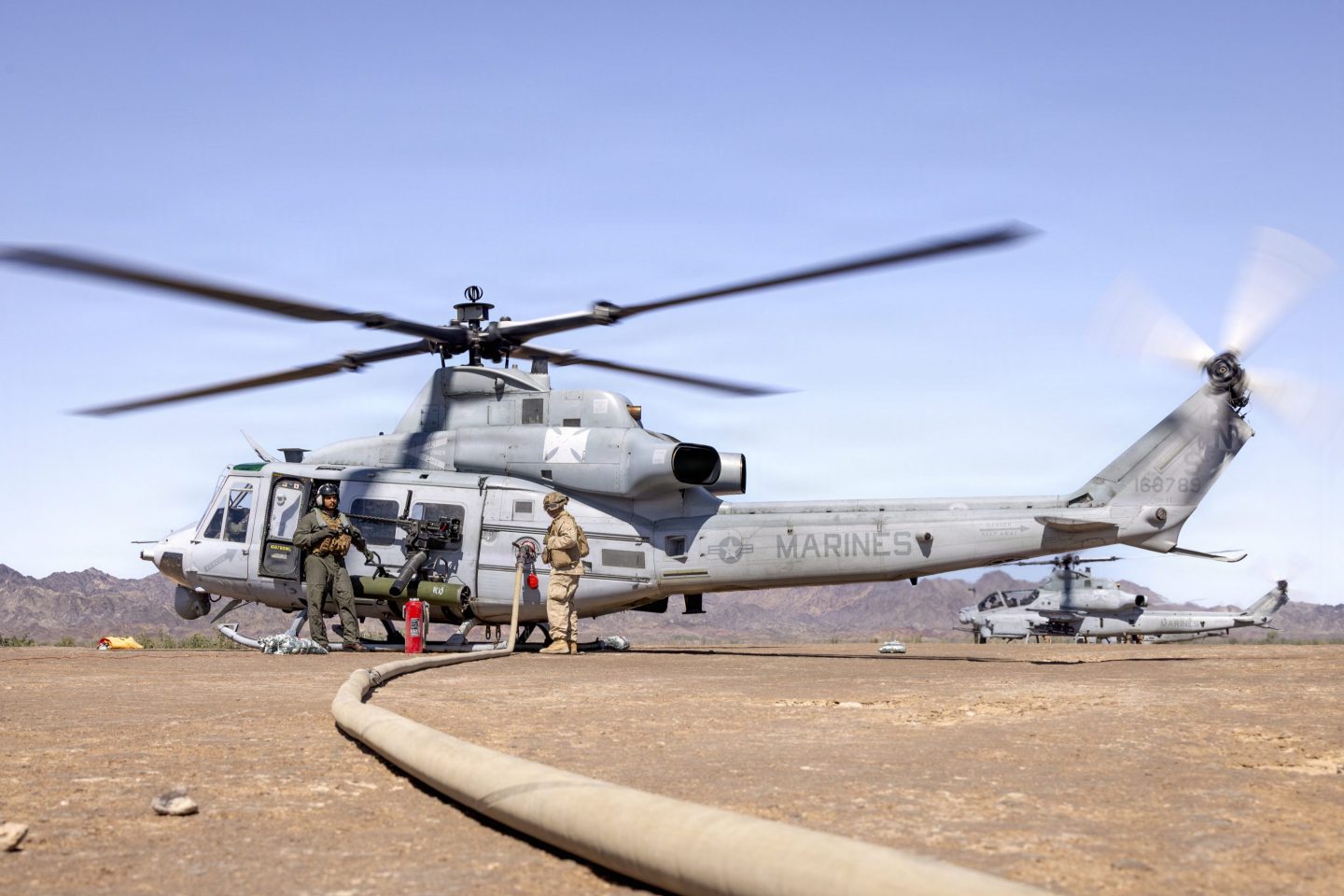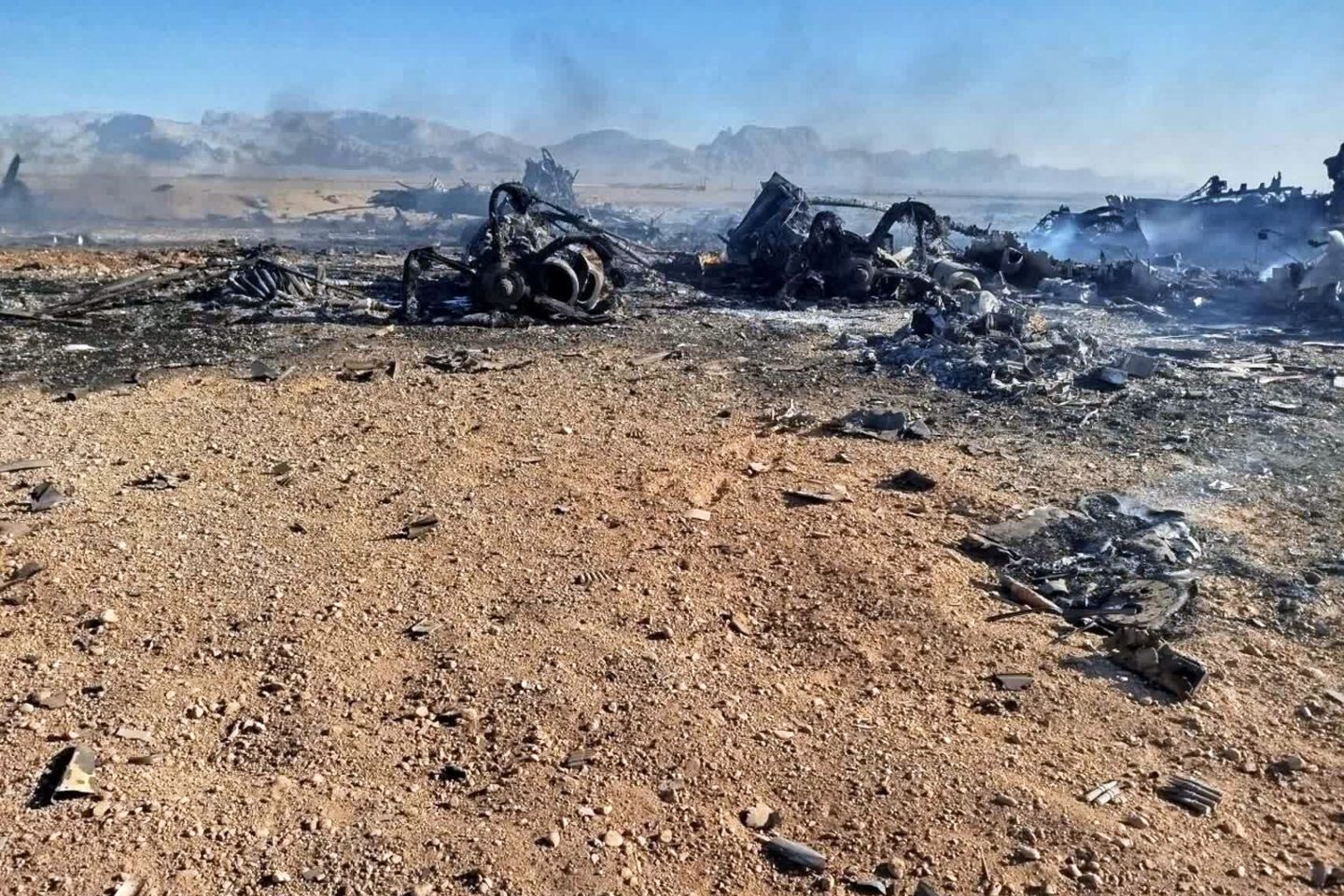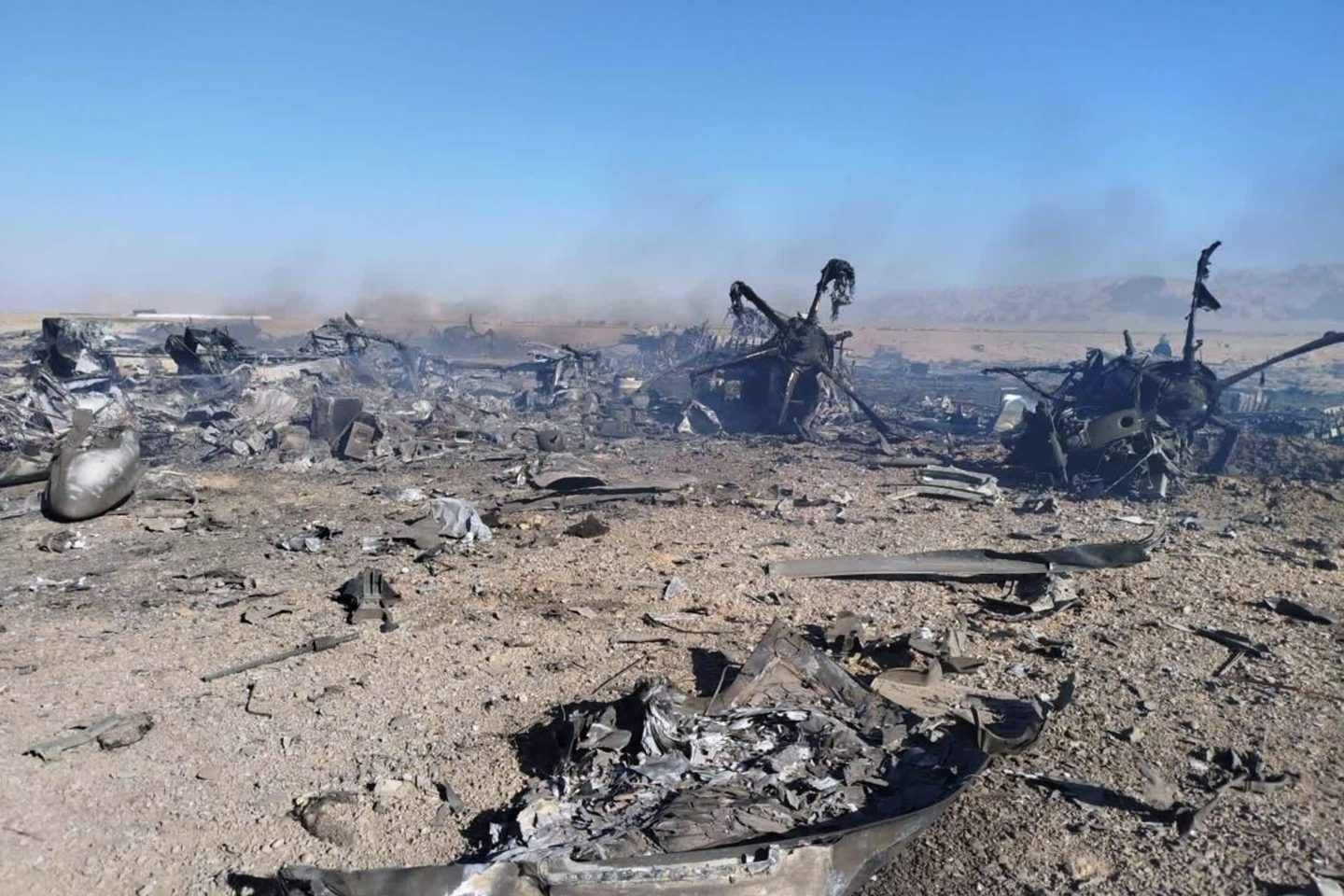
After a dramatic Easter weekend for the war in Iran—downed American fighter jets, a daring rescue behind enemy lines, and strikes on universities and petrochemical plants—traders hesitated at Monday’s opening bell.
Both the S&P and prices of crude were little changed at the open, and both ticked slightly up in the first hours of morning trading. The market, it seems, is twiddling its thumbs while waiting for the clock to run out. It even looks like a three-way standoff between Trump, the Iranians, and the markets as each waits for the other to blink.
Late Sunday evening, Axios reported that mediators from Pakistan, Egypt, and Turkey were making a last-ditch effort to broker a deal. A senior White House official told NBC News that a 45-day ceasefire was “one of many things being discussed,” but that President Trump had not signed off on the idea. Yet by Monday morning, Iranian foreign ministry spokesperson Esmail Baghaei called a proposal for a short-term ceasefire “illogical” and unacceptable, saying that agreeing to such terms without guarantees that they won’t be struck again is something “no rational person would do.”
It is unclear if Baghaei was referring exactly to that 45-day ceasefire plan. However, Gregory Brew, a senior oil analyst at Eurasia Group, called Iran’s reaction “unsurprising.”
“Iran has little incentive to give up the Strait [of Hormuz] for a temporary reprieve—especially with the U.S. moving more assets into the region,” Brew wrote on X.
Despite the noise over the ceasefire, one thing is clear: Both sides are running out of time. Over the weekend, Trump set his fourth deadline for Iran to reach a deal—Tuesday at 8 p.m. ET. The extension came alongside an expletive-laden threat to “open the F–kin’ Strait,” with Trump warning he would strike Iran’s power plants and bridges if no agreement is reached. Humanitarian groups have warned that targeting civilian infrastructure would constitute a war crime, a charge that Iran’s deputy foreign minister echoed, citing the Geneva Conventions.
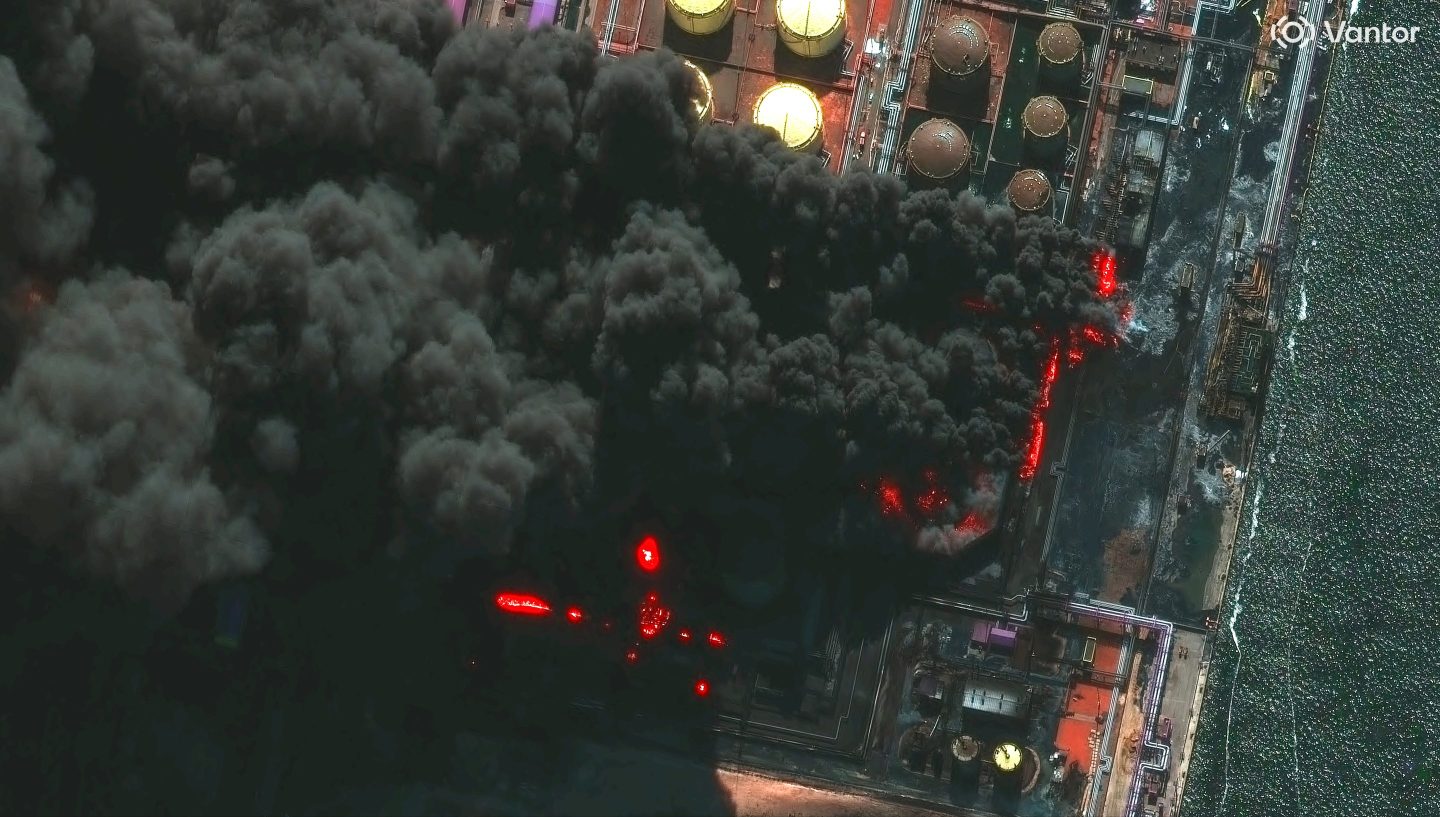
Meanwhile, the casualties keep climbing. Iranian state media reported that at least 25 people, including six children, were killed overnight as U.S.-Israeli strikes hit a Tehran university and two petrochemical plants. Israel said it struck the South Pars petrochemical facility in Asaluyeh, which its defense minister said is responsible for roughly 50% of Iran’s petrochemical production. On the other side, Iranian missiles killed four people in a residential neighborhood in Haifa, with an infant among the injured.
And every day the Strait of Hormuz stays effectively closed, the energy crisis deepens. U.S. crude is trading around $111 a barrel, roughly double where it started the year. Two Qatari LNG tankers attempted to exit the strait Monday but turned back, underscoring just how tense the situation is in the waterway. According to S&P Global Market Intelligence, just 35 ships transited the strait over Easter weekend—a surge compared with the negligible amounts crossing in the weeks since the war, but still a fraction of the 150-plus daily transits recorded before the war began on Feb. 28.
Veteran oil analyst Tom Kloza emphasized the uptick in transits doesn’t mean the crisis is easing: “I think you’re going to see some movement from people who are either willing to venture, willing to risk the cargoes, or perhaps have some assurances from various channels,” he told Fortune. But still, global supply is running well short of the roughly 104 million barrels per day the world consumes. “There’s still a hole in the vessel,” Kloza said. “You’re losing more oil than you’re building.”
Getting below $100 a barrel, he said, would require not just a ceasefire but a genuine resumption of flows; oil departing the strait and Saudi Arabia’s Yanbu port at something close to prewar volumes.
“That’s a long haul from now,” he said.
Until then, Kloza expects crude and product prices to keep grinding higher, punctuated by sharp swings on every headline. “Today looks like superficial scratches, whereas other days are like a vein has been busted,” he said. “We haven’t reached the level that inspires demand destruction yet.”
One news item that might thaw the standoff: Trump is scheduled to hold a press conference at 1 p.m. ET, ostensibly about the airman rescue. Markets will be listening for any hint of how negotiations are going.