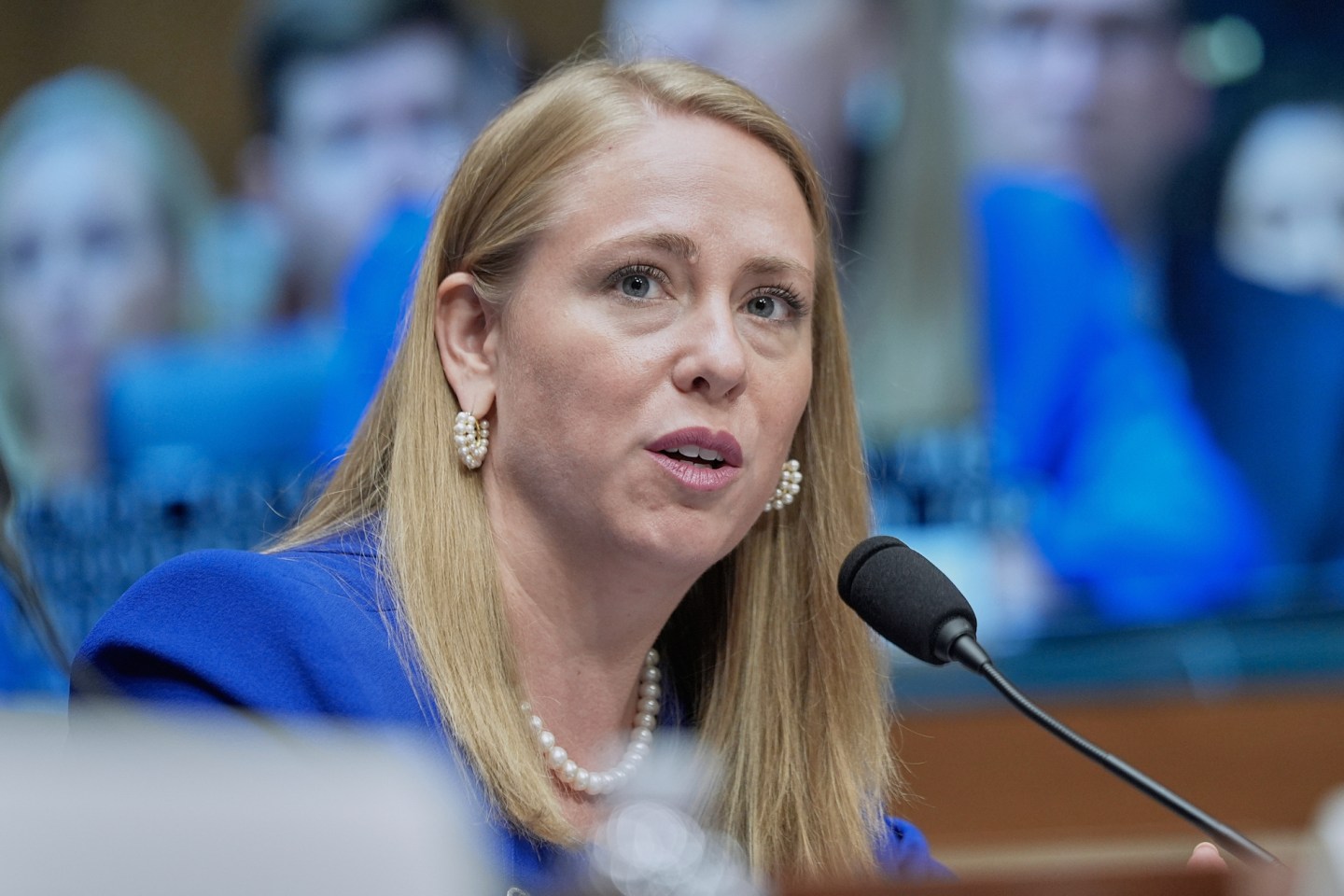
On April 22, Andrea Lucas, chair of the Equal Employment Opportunity Commission (EEOC), addressed a group of academics, legal experts, and community advocates at a conference at Harvard University.
The conversation immediately turned to the elephant in the room: the EEOC’s investigation into anti-Semitism at the University of Pennsylvania. As part of the investigation, the EEOC subpoenaed the university for the names and contacts of employees affiliated with Jewish groups at the university, a move that stirred controversy and raised safety concerns from students and faculty.
As she was not at liberty to speak about ongoing litigation, Lucas spoke in general terms and offered a simple explanation about why the EEOC collects data. Across the commission’s 60-year history, the agency has collected information, she said.
“Why?” she asked. “Because there is no other way to protect victims of harassment or discrimination unless you collect information about them.”
Less than a month later, the EEOC submitted a proposal to rescind the regulation requiring employers, unions, and state and local governments with more than 100 employees to report their racial and gender demographics, ending six decades of precedent. These rules also apply to federal contractors with more than 50 employees.
The move comes as the commission under Lucas has begun a crusade against diversity efforts and is searching for cases of discrimination against white men. In December, Lucas posted a video on social media calling on white men to report discrimination they have faced at work based on their race or sex. In the months since, the EEOC has launched investigations into Coca-Cola for hosting a two-day trip and networking event for female employees and Nike for race-restricted mentorship and leadership opportunities.
The proposal to end demographic reporting is consistent with Lucas’s broader effort to reframe civil rights enforcement away from systemic or unintentional discrimination and toward individual claims. If employers stop tracking workforce demographics, it becomes far harder to identify patterns—disproportionate layoffs of Black workers, pay gaps for women—that serve as the evidentiary foundation for class-action and systemic discrimination cases. Those are precisely the kinds of cases that have historically benefited minority workers.
By contrast, the discrimination claims Lucas has been actively soliciting—from white men alleging reverse discrimination—tend to be individual in nature and don’t require aggregate demographic data to prosecute. Eliminating the reporting requirement, then, doesn’t just reduce the EEOC’s investigative capacity equally across the board; it selectively weakens the tools used to pursue the cases Lucas appears least interested in bringing.
The EEOC did not respond to Fortune’s requests for comment.
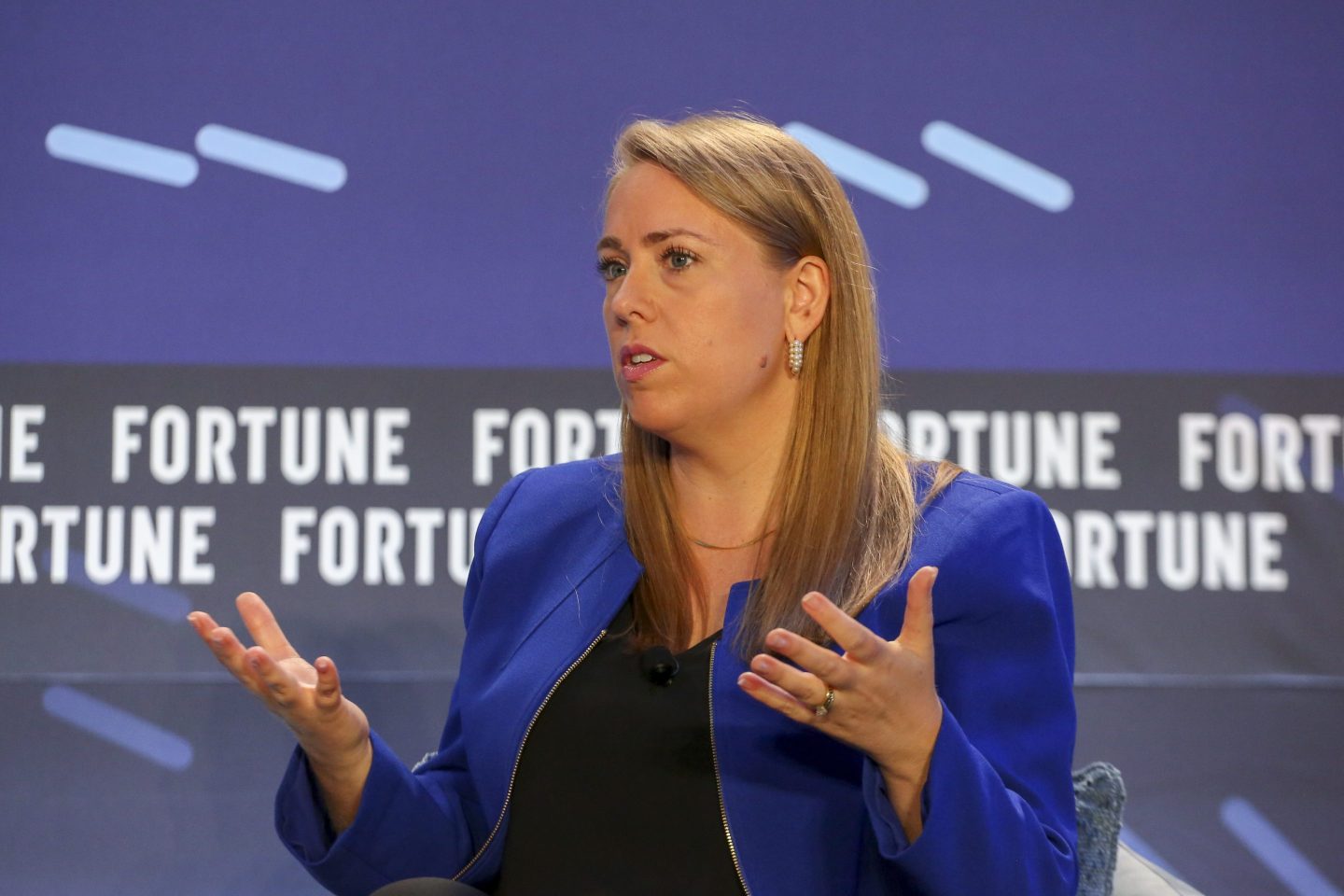
Last week at Fortune’s Workplace Innovation Summit, Lucas repeated a refrain she used to frame the EEOC’s work since she began leading the commission in 2025.
“We are the Equal Employment Opportunity Commission. We’re not the Equitable Outcomes Commission,” she said, arguing that Title VII protects any race or sex against discrimination, not specific groups.
The data the EEOC collects from employers is an important starting point when a claim is filed, Chai Feldblum, who served as an EEOC commissioner from 2009 to 2019, explained. She is president of EEO Leaders, a watchdog organization of former high-level EEOC and Department of Labor officials.
“In some of the very important, large-scale employment concerns, employment claims, it will reduce the efficacy of the investigation to not have that information already on file,” Feldblum said.
She added that when the commission begins an investigation, they can request data, such as in the University of Pennsylvania case, because Jewish identity data is not collected as part of traditional EEO-1 forms. But more problems could arise for investigators if the rescission is passed and employers stop collecting data for a period of time, she explained.
“This EEOC is not walking away from collecting data to investigate the claims they think are problematic right now,” Feldman said. “What they are doing with this proposed rescission is removing a mechanism by which employers can self-regulate by seeing what their issues are.”
When speaking at Harvard, Lucas appeared to agree on the importance of data collection.
“There is no other way for me to be able to get money to victims who have been harmed. And I believe in many cases have been grievously harmed unless I know something about someone’s affiliation with a religious organization,” Lucas said. “The same principle, of course, is true for any protected characteristic. I can’t protect Black workers if I don’t collect information about the Black workers who applied to a job or are employees right now who might be within class.”
“That’s the nature of civil rights enforcement.”