This is the web version of Fortune Gulf Brief. Sign up to get it delivered free to your inbox.
For almost 100 years, Fortune has provided the world’s most successful executives and companies with the intelligence they need to lead.
To fulfill our mission, our expert reporting team is on the ground globally, from the U.S. to Europe, Southeast Asia, and China. Fortune Magazine, Fortune.com, and our newsletters are best in class. Today, we are expanding our award-winning business coverage to one of the most vital and important regions in the world—the Middle East.
Our new weekly newsletter, Fortune Gulf Brief, will bring you the smartest coverage of the region, beset now by geopolitical volatility but still one of the most exciting and business-consequential regions in the world. It will be anchored by the brilliant Melissa Hancock, who will bring her deep expertise on global and regional business trends honed via a stellar career writing for the Middle East Economic Digest, Arabian Gulf Business Insight, and The Banker, part of the FT group. Gulf Brief will be edited by my colleague, Kamal Ahmed, our Executive Editorial Director.
Whether it is AI and the technological revolution, the energy transition, health, well-being, tourism, or culture, our new newsletter will bring you the investment trends and business opportunities that matter. We’ll also regularly interview and spotlight the most important GCC leaders you need to have on your radar, across tech, finance, energy, and government.
The Gulf region has undergone a rapid transformation over the past decade, from an economy predominantly driven by oil to one where non-oil sectors now contribute more than 78% of GDP. That growth has been fueled by a tremendous influx of talent and capital, boosted by ambitious government initiatives like Saudi Arabia’s Vision 2030, UAE 2031, and Oman Vision 2040.
Today, the Gulf is not only a regular source of innovation and dealmaking; it’s increasingly a connector between the East and West. The region has also become a hub for entrepreneurship, including for female founders. And it houses one of the world’s biggest and most profitable companies in Saudi Aramco. The present period of international conflict makes launching Fortune Gulf Brief not just compelling, but urgent. The war’s real-time developments affect the ability of every Fortune Global 500 executive to forecast accurately and lead prudently.
With firm foundations in Fortune’s editorial standards and powered by sharp reporting and expert analysis, Fortune Gulf Brief will deliver what global executives need: clear-eyed, authoritative intelligence on the deals, decisions, policies, and power shifts shaping one of the world’s most consequential regions, written for the people who need to act on it.
Did someone forward you this newsletter? Sign up for Fortune Gulf Brief here.
Gulf SWFs ramp up spending despite Iran war
Against the backdrop of the Iran war, Gulf sovereign wealth funds have stepped up dealmaking over the last few months–with the five biggest funds collectively investing nearly $26 billion at a higher deployment pace than over the previous five years.
A report just published by Global SWF noted that while capital has continued flowing into U.S. companies and funds, some of the key Gulf SWFs are showing an increased preference for investing in China and other emerging markets.
Today, Gulf SWFs no longer operate simply as capital providers but rather as dynamic allocators driving pivotal trends and alternative investments throughout the world.
But while they continue to invest heavily abroad, some are increasingly directing capital inwards and focusing more on domestic priorities.
Saudi’s Public Investment Fund, with almost $1 trillion in assets under management, is looking to double that figure by 2030 in order to fuel Vision 2030, the Kingdom's economic diversification plan.
In April, PIF announced it would withdraw its funding from LIV Golf at the end of the 2026 season.
Despite pouring over $5.3 billion into the breakaway circuit, the fund said the "substantial investment" is no longer consistent with its current investment priorities and macro dynamics.
Depending on how long the Iran war lasts, we may see more funds reviewing their investment strategies and rebalancing their portfolios in order to bolster their balance sheets and economies. —MH
Gulf eyes more overseas renewable projects
Gulf states' investments in overseas renewables is not a new phenomenon. But the Iran war–now in its third month–has sharpened the incentive logic and reinforced the narrative.
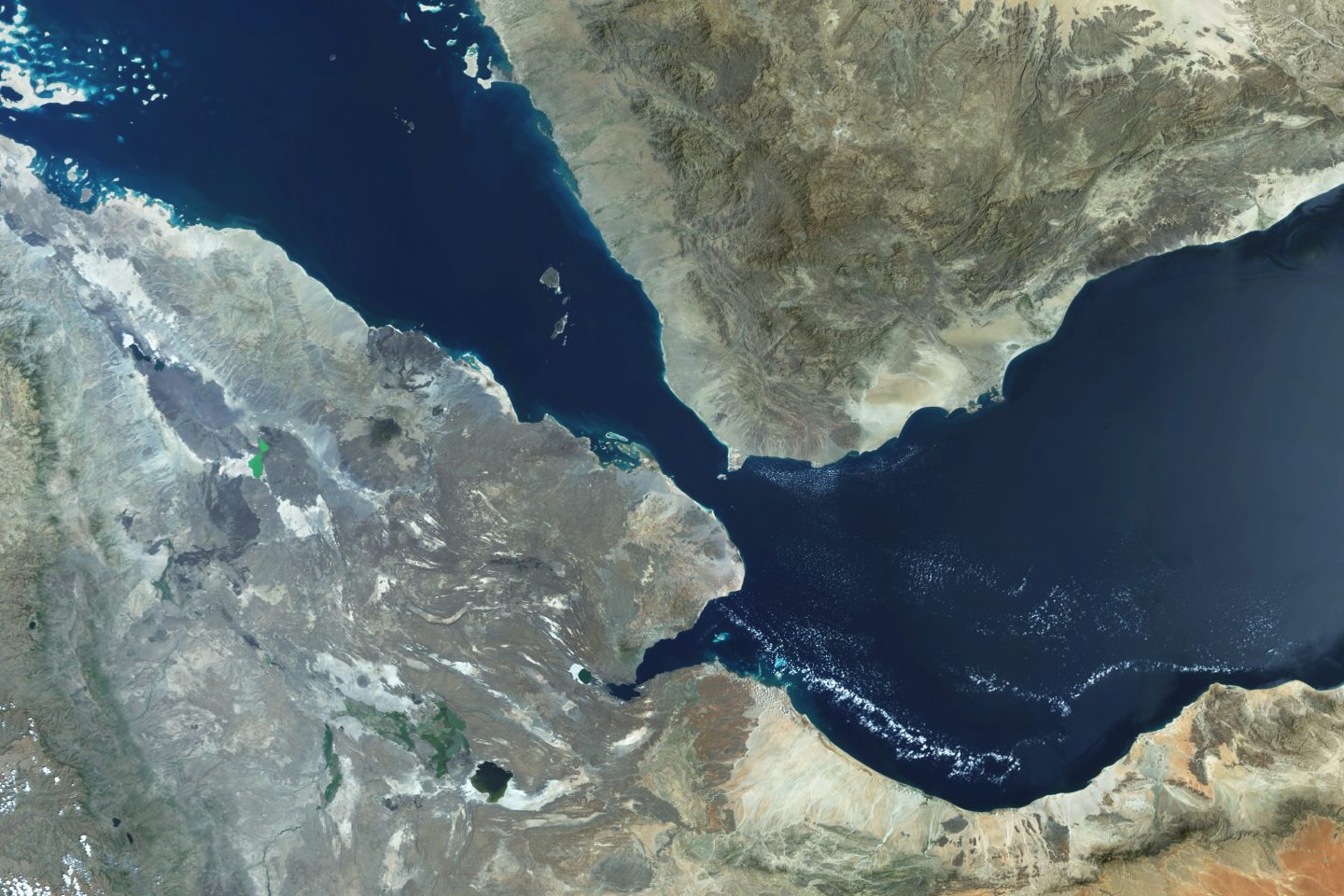
Overseas investment reflects portfolio diversification logic, technology access strategy, and diplomatic influence-building, all of which long predate the current energy crisis induced by Iran’s blockade of the Strait of Hormuz.
However, the blockade has added fresh urgency to such investment.
With Hormuz tanker traffic still restricted, cumulative oil supply losses from producers in the Middle East now exceed 1 billion barrels, with more than 14 mb/d of oil production shut in.
Amid the impasse, Gulf states are strengthening their medium to long-term strategic investment commitment to the energy transition, with UAE’s Masdar arguably the standout renewables player today.
Already active in more than 40 countries, it plans to deploy $30-35 bn in equity, green bonds and project finance this decade in order to attain its goal of reaching 100 GW capacity by 2030.—MH
Dubai property cools but averts a crash
Dubai’s property market has softened in the wake of the Iran war, with transaction volumes and values falling across all segments of the market.
Property prices have declined by between 10 and 15% on average. However, with residential property prices having surged by roughly 60% between 2022 and early 2025–a historic boom–many industry experts say a correction was due.
While the correction has been relatively modest so far, there are areas of concern. The off-plan secondary sales market is showing signs of stress, and the development pipeline–which remains substantial–could see a drop in demand, with foreign investor appetite key to maintaining growth.
While UAE developers are now better equipped to absorb shocks than in earlier market corrections due to front‑loaded payment structures and improved regulatory practices, Moody’s notes that a sharp slowdown or reversal in population inflows would exacerbate absorption risks at a time of rising completed supply.
In turn, this could materially pressure the credit profiles of real estate developers over the coming quarters.
Like most scenarios in the Gulf today, the outlook hinges on how long the Iran war continues.—MH