
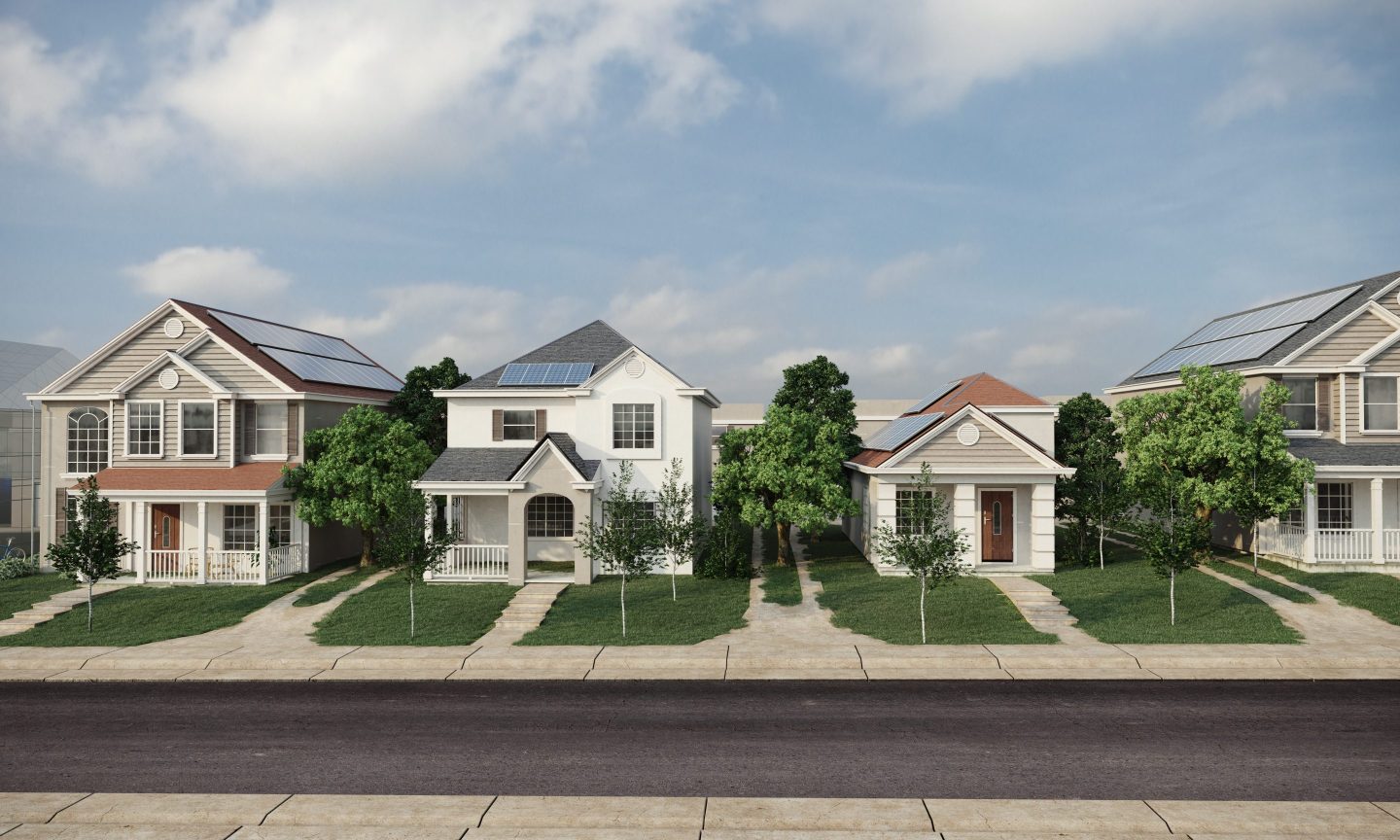
Dwelling coverage is the part of a homeowners insurance policy that pays to repair or rebuild your home’s physical structure after damage caused by a covered disaster. If your home is damaged by events such as a fire, windstorm, or a fallen tree, dwelling coverage can help protect you from significant out-of-pocket rebuilding costs.
Choosing the right dwelling coverage limit is just as important as having any coverage at all. Your policy should provide enough insurance to rebuild your home at current construction costs (not its market value) so you aren’t left paying a large portion of rebuilding expenses after a covered loss.
ADVERTISEMENT
What is dwelling coverage?
Dwelling coverage, also known as Coverage A, is the portion of a homeowners insurance policy that helps pay to repair or rebuild your home’s physical structure after damage caused by a covered event. It protects the house itself, attached structures, and permanently installed systems and fixtures.
Your dwelling coverage limit also helps determine the coverage limits for other parts of your homeowners insurance policy, including other structures coverage and loss of use (additional living expenses) coverage.
What does dwelling coverage cover?
In addition to the blanket protection against physical structure, attached structures, and eligible systems and fixtures, most policies cover any cause of damage that isn’t explicitly excluded in the terms. This is called an “open perils” basis.
Just note that coverage varies based on the specific insurer and policy. Claims are also subject to your deductible and coverage limits.
The home’s structure
Dwelling coverage primarily protects your home’s main structure—the foundation, walls, roof, ceilings, and other permanent structural components. If a covered event, such as a fire or a fallen tree, damages your home, your policy can help pay to repair or rebuild the damaged areas.
Attached structures
Your dwelling coverage will also protect structures that are attached directly to your home, but aren’t otherwise part of the home’s physical structure. For example, decks, porches, and garages would be covered under dwelling insurance when directly attached to the house.
However, coverage doesn’t extend to structures that aren’t attached to your home but are on your property, such as a fence or backyard shed, which are instead protected by the “other structures” portion of your home insurance.
Built-in systems and fixtures
In addition to your home’s physical structure, it also protects against systems and fixtures built directly into your home. These can include:
- Flooring
- Bathroom apparatuses
- Countertops
- Cabinets
- Hot water heaters
- Furnaces
- Sump pumps
Covered perils
Most homeowners will have an HO-3 policy, covering any hazards that aren’t explicitly excluded. Other types of homeowners insurance may operate under a “named peril” policy, meaning your dwelling coverage will only protect against specific listed hazards. While these named perils can vary between insurers, the most common covered perils for dwelling coverage typically include:
- Fire and smoke
- Lightning strikes
- Windstorms
- Hail
- Explosions
- Vandalism
- Theft
- Damage from the weight of snow, sleet or ice
- Falling objects, like trees
- Damage from an aircraft
- Damage from a motor vehicle
What isn’t covered?
Standard dwelling coverage doesn’t protect against every cause of damage. For example, you’ll often find exclusion such as:
- Earthquakes and other earth movement (including landslides, mudslides, and sinkholes)
- Flooding
- Neglect or lack of maintenance
- Normal wear and tear
- Nuclear hazards
You can often purchase separate flood insurance or add earthquake coverage through an endorsement, depending on your insurer and where you live.
How does dwelling coverage work?
If your home, attached structures, or permanently installed systems are damaged by a covered disaster, you can file a homeowners insurance claim. After reviewing your claim, your insurer may send an adjuster to inspect the damage and estimate repair or rebuilding costs.
If the claim is approved, your insurer pays covered repair or rebuilding expenses up to your dwelling coverage limit, minus your deductible.
How is dwelling coverage calculated?
Your dwelling coverage is calculated based on your home’s replacement cost, rather than its market value. Setting your dwelling coverage limits based on the market value may lead you to pay much more for coverage, as the market value reflects far more than your insurance considers in a dwelling claim.
Replacement cost vs market value
To be clear, replacement cost considers the actual labor and materials required to rebuild your dwelling to an equivalent quality. This can differ from the market value, which is the resale price of your home that factors in things like:
- Rebuilding costs
- The value of the land your home is on
- Proximity to schools
- The local housing market
- Local crime rates
Here’s a quick breakdown of replacement cost and market value differences at a glance.
Some insurers also offer extended replacement cost or guaranteed replacement cost coverage, which can provide additional protection if rebuilding costs exceed your dwelling coverage limit.

How much dwelling coverage do you need?
You should carry enough dwelling coverage to fully rebuild your home after a covered loss. Your coverage limit should reflect your home’s replacement cost—that is, the current cost of rebuilding it using comparable materials and labor—not its market value.
Carrying too little dwelling coverage could leave you paying part of the rebuilding costs yourself. Many insurers also require homeowners to insure their homes for at least 80% of their replacement cost to receive full reimbursement for covered partial losses under the policy’s coinsurance provision.
Factors that can help you determine your home’s rebuilding costs can include:
- Your home’s square footage
- Exterior construction materials (such as brick, stone, or siding)
- Your home’s architectural style
- Number of bedrooms and bathrooms
- Custom features, such as fireplaces or built-in cabinetry
- Local labor and construction costs
Dwelling coverage is also a factor in determining your coverage limits for other parts of your homeowners insurance. For example, other structures coverage is often set at 10% of your dwelling coverage limit, while loss of use (additional living expenses) coverage is commonly set at 20% to 30% of your dwelling coverage.
How much does dwelling coverage cost?
The average cost of dwelling coverage will depend on how much coverage you need. On average, homeowners insurance with $300,000 of dwelling coverage costs around $165 per month, but a policy with $500,000 in coverage costs around $250 per month. But remember, factors such as your home’s age, where you live, your claims history, and more can affect your total costs.
Dwelling coverage for homeowners at a glance
Below is the essential information you should know about dwelling coverage for homeowners insurance:
- Dwelling coverage is a portion of your homeowners insurance that pays for rebuilding and repairs of your home’s physical structure, attached structures, and built-in systems and fixtures.
- The most common home insurance policies are open-peril, meaning they cover everything except specified exclusions, but others may cover only specific hazards. Check with your insurer to understand what you’re covered against.
- You should consider getting enough dwelling coverage to cover the replacement cost of your home rather than its market value.
- The higher your dwelling coverage limits, the higher your premiums will typically be. However, other factors, such as where you live and your house’s age, can affect your rates.
How to save on dwelling coverage
If you’re looking to make getting dwelling coverage a bit more affordable, there are a few ways you can help reduce your premium costs:
- Shop around with different insurers for the most affordable rates.
- Bundle your homeowners insurance with other policies, such as auto insurance.
- Raise your homeowners insurance deductible (higher deductibles typically result in lower monthly payments).
- Make improvements to your home that reduce the risk of a claim, such as adding home security systems.
- Check the replacement value of your home annually to see if labor and material costs have changed, which may allow you to lower your coverage limits.
- Check with your insurer for other home insurance discounts you may qualify for.
The takeaway
Standard homeowners policies come with all-important dwelling coverage. This focuses on the bones of your home rather than your personal articles inside. If for a covered reason your house is damaged, this is the coverage that’ll kick in to help you rebuild.
For this reason, it’s extremely important that you opt for enough coverage to restore your home (and any attached structures and fixtures) when disaster strikes. You may otherwise face serious financial hardship to make up the difference between the cost of repairs and the money your insurance will shell out.
Frequently asked questions
Is dwelling coverage required?
Dwelling coverage, or any other homeowners coverage, isn’t required to own a home, but it may be worth the cost to protect you from expensive home repairs. Still, you may be required by your lender to obtain dwelling coverage as part of homeowners insurance if you take out a mortgage or are part of an HOA.
How often should you review your dwelling coverage?
You should generally review your dwelling coverage once per year, as changes in the cost of building materials and labor could require an increase in your limits if you need to make a claim. If you make any significant changes to your home, such as remodeling or home renovations, you should also consider reevaluating your dwelling coverage limits.
How much dwelling coverage do I need?
You should consider purchasing enough dwelling coverage to entirely cover your home’s replacement cost—including the expenses for rebuilding materials and labor in the event of a claim.
What is the difference between dwelling and personal property coverage?
Dwelling coverage protects your home’s physical structure, attached structures, and permanently installed systems after a covered loss. On the other hand, personal property coverage protects against damage and loss of personal belongings, such as furniture, electronics and clothing.
Who needs dwelling coverage?
Those who take out a mortgage or are part of an HOA will likely need to get dwelling coverage. However, any homeowner should consider purchasing dwelling coverage as part of their homeowners insurance.