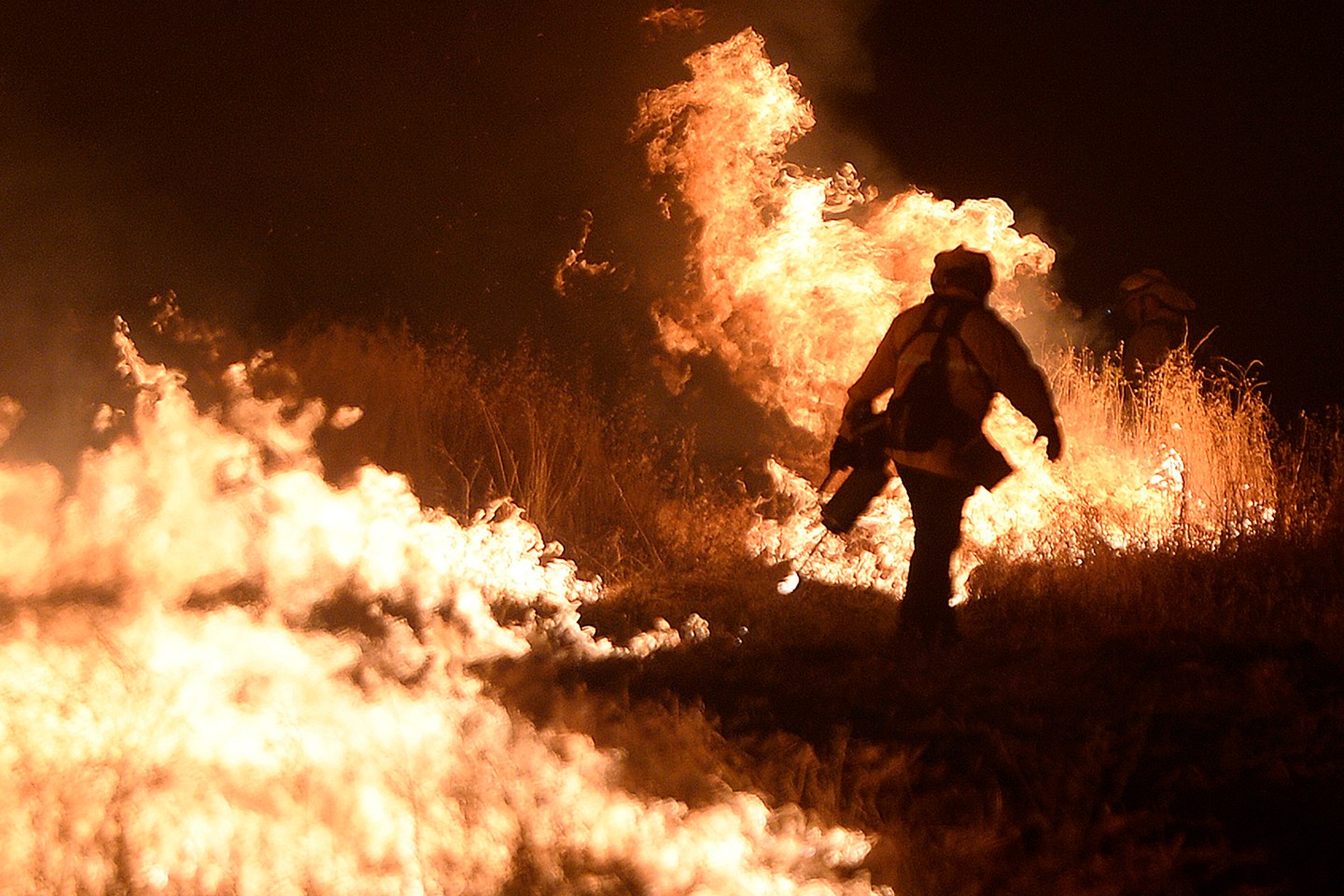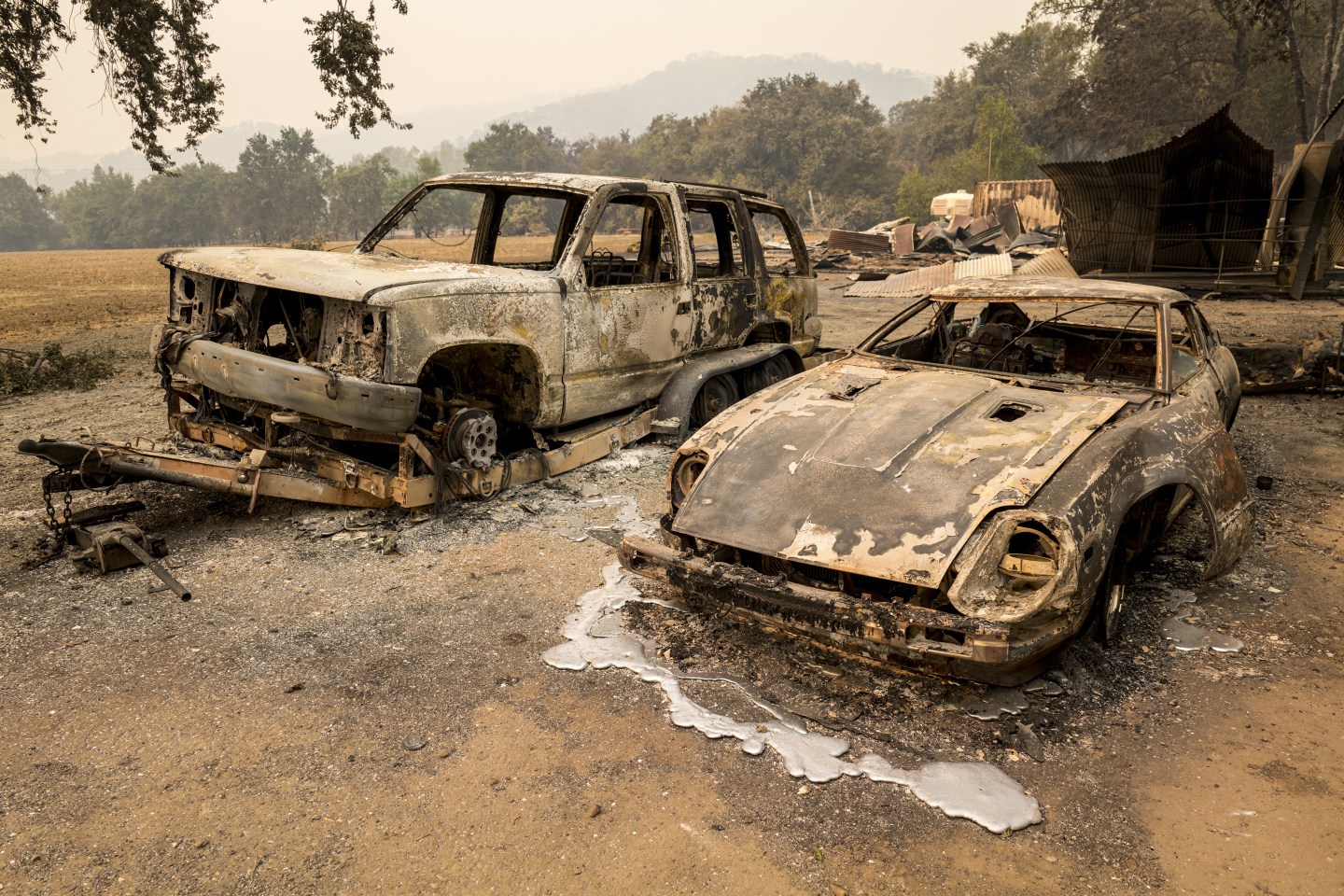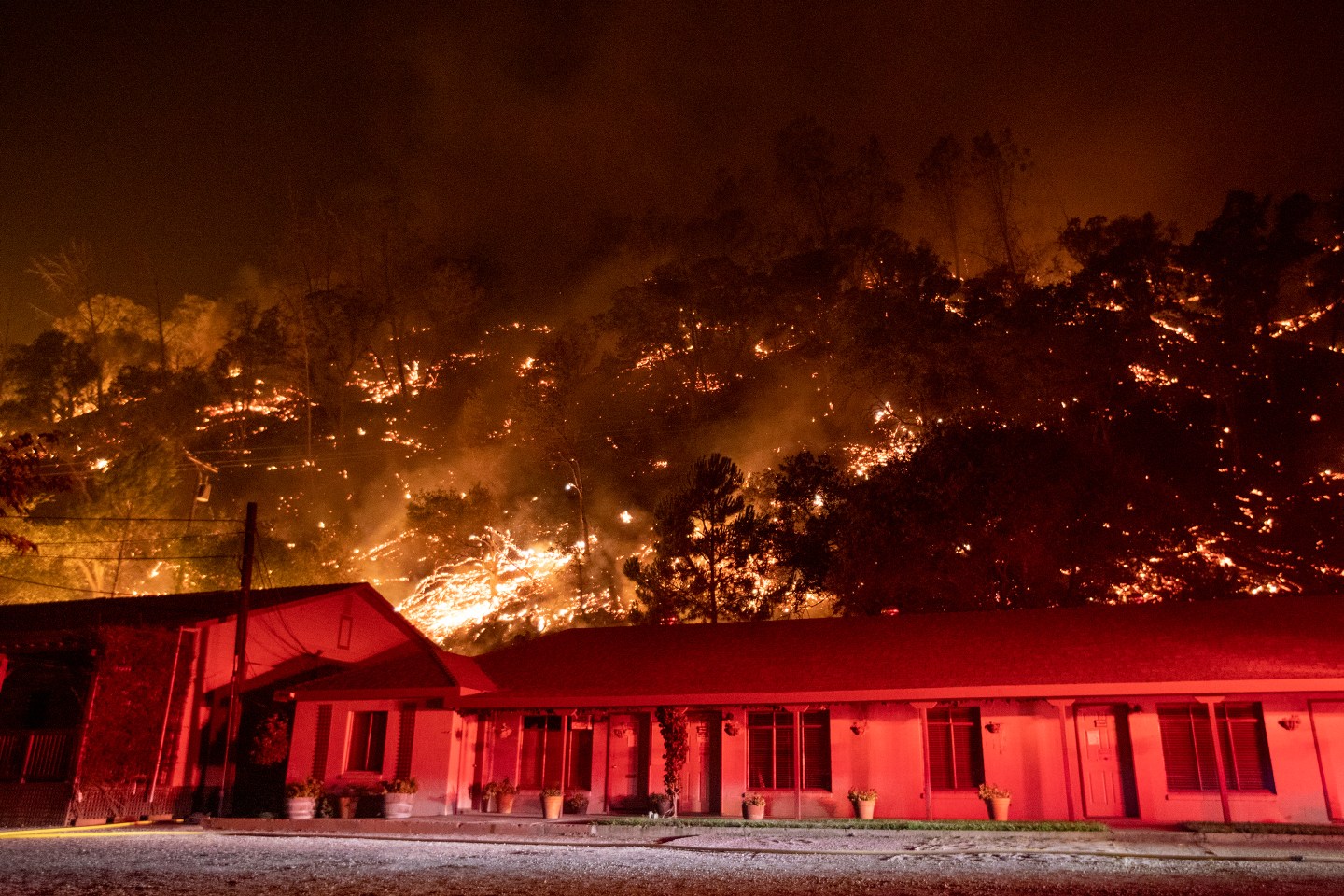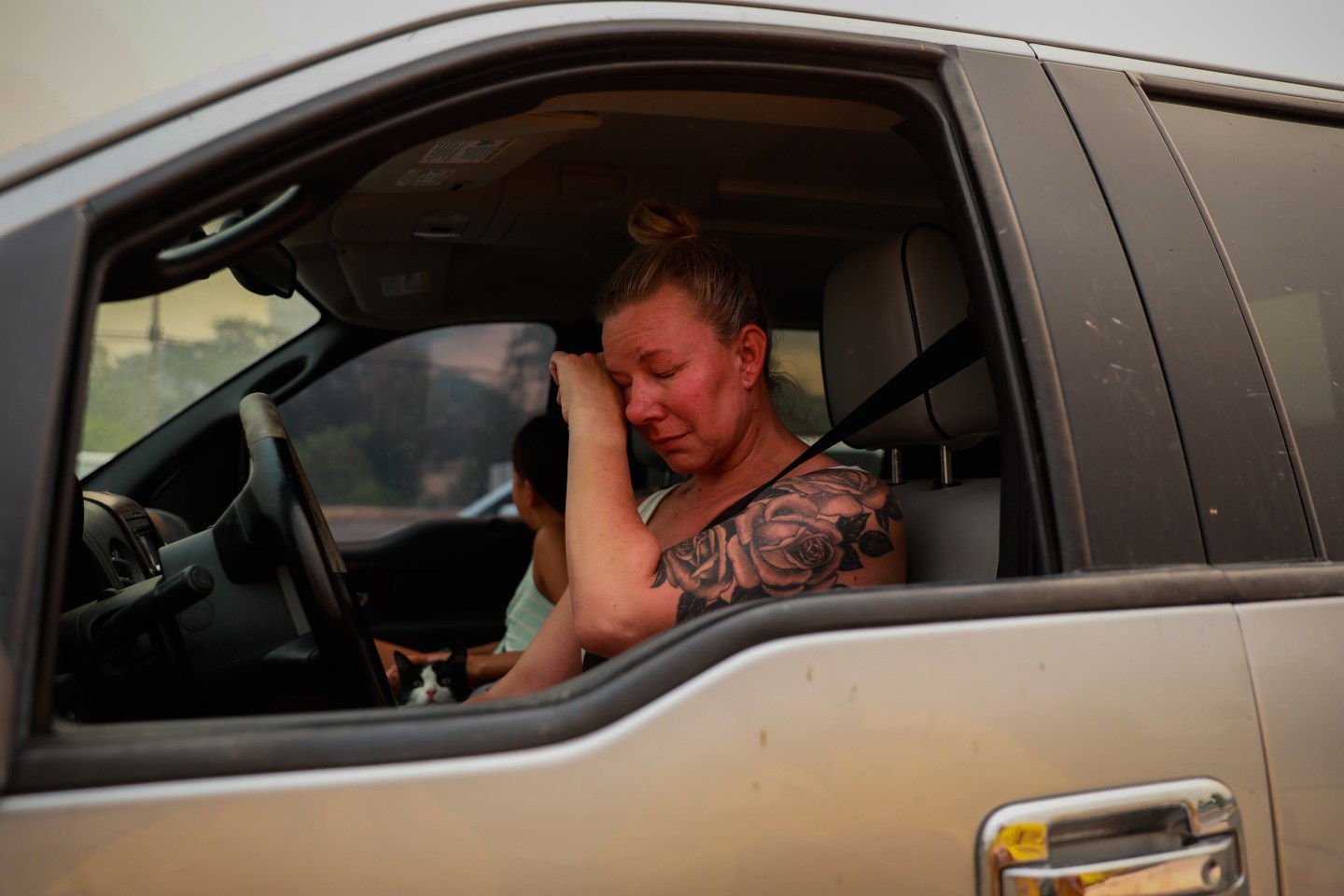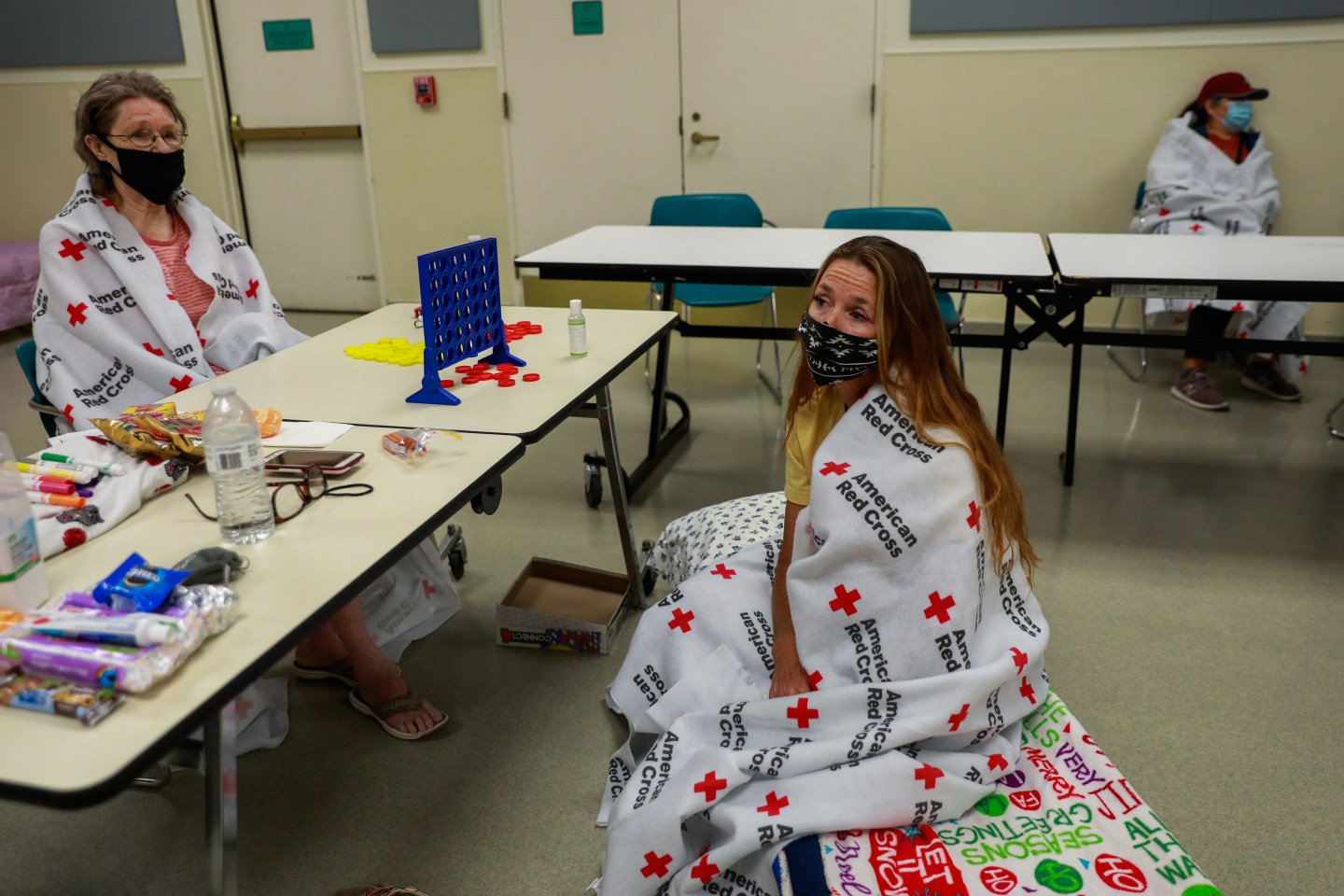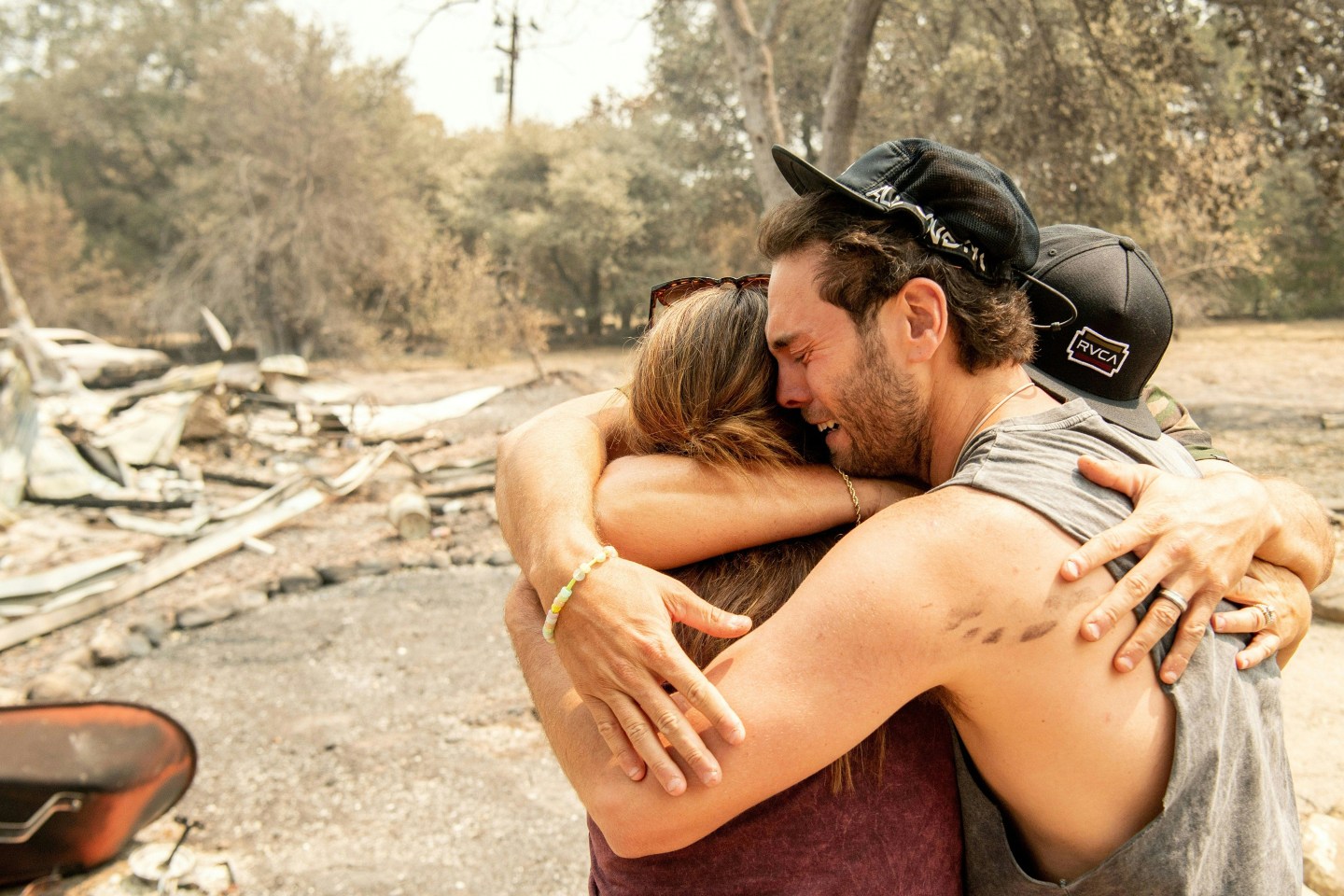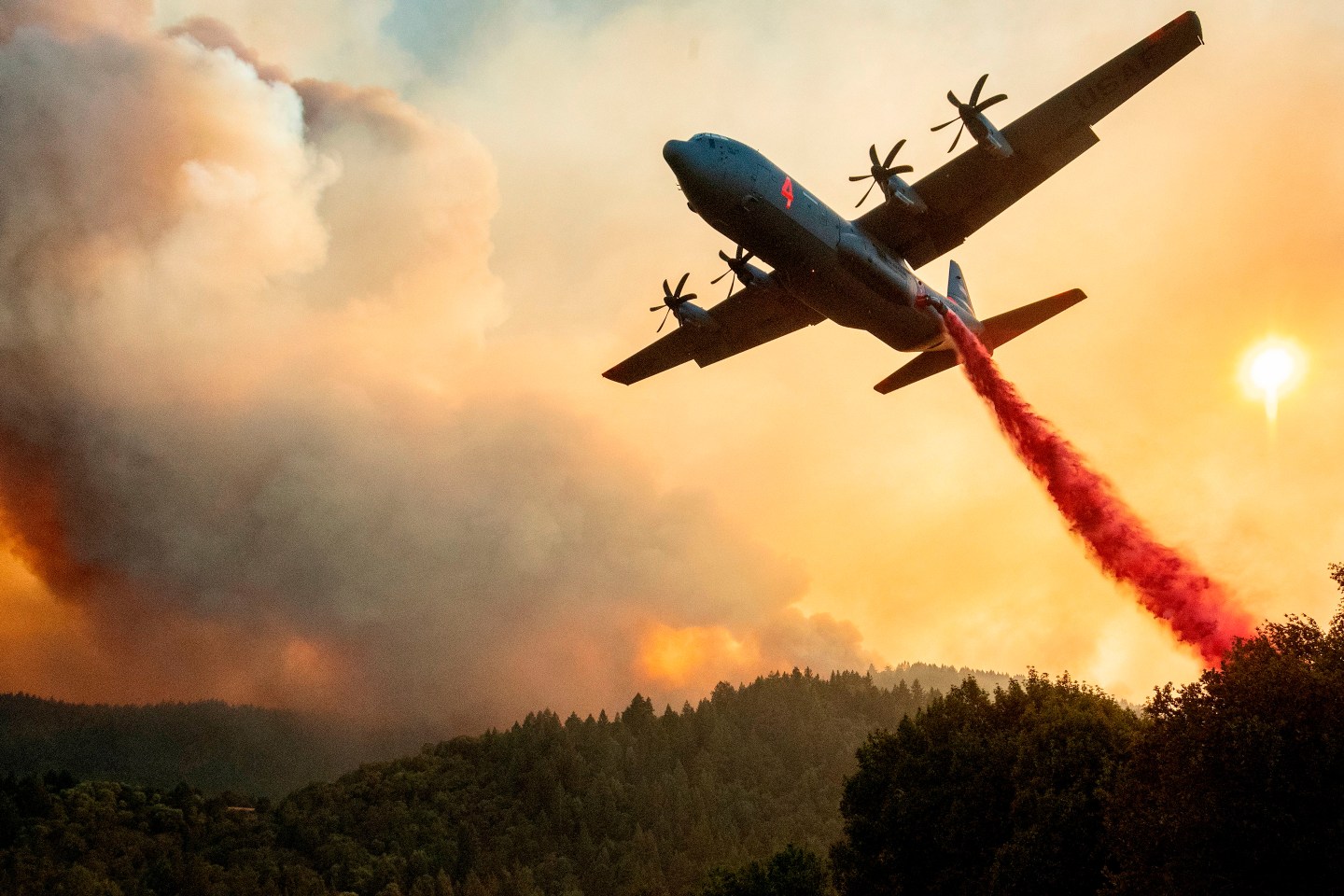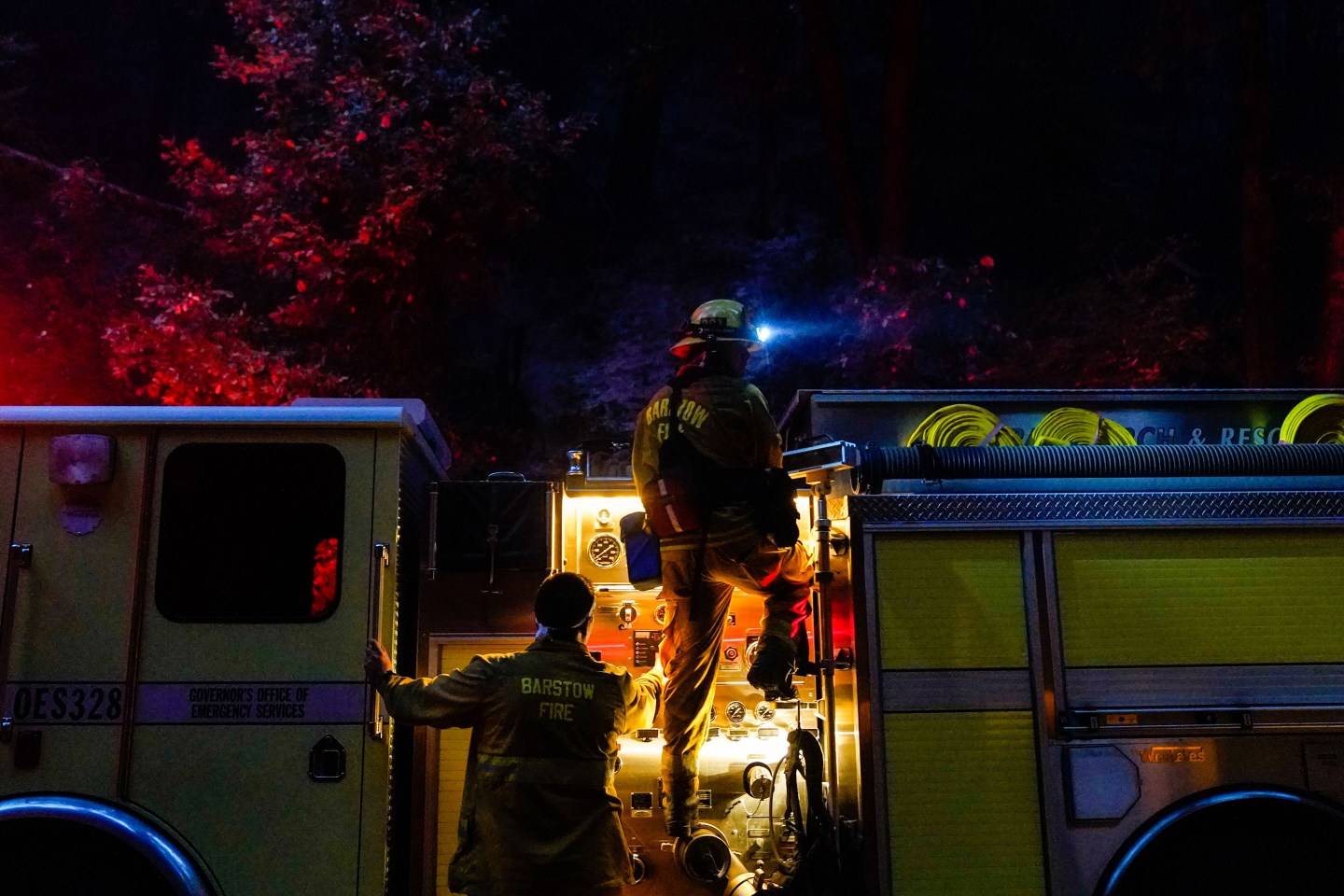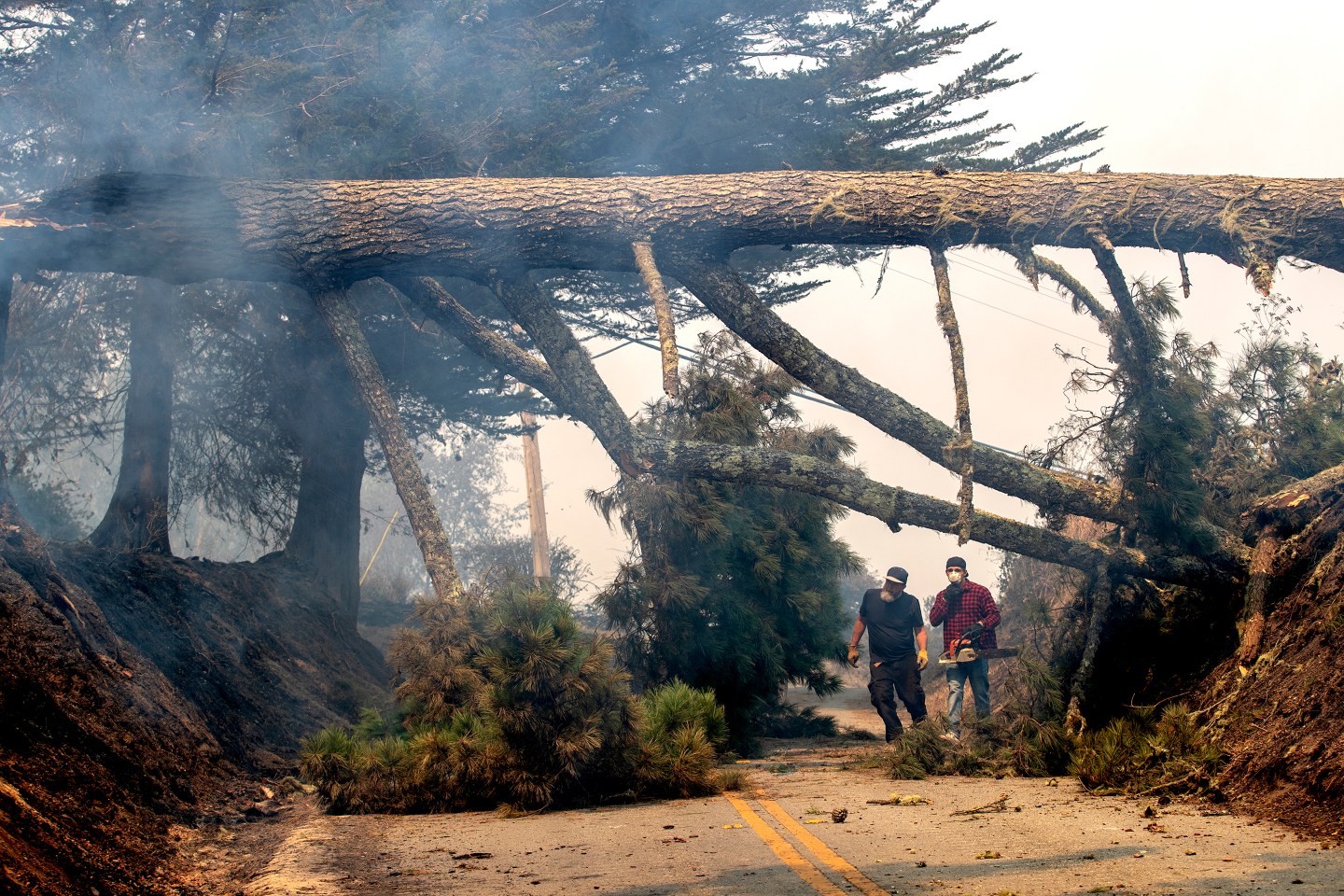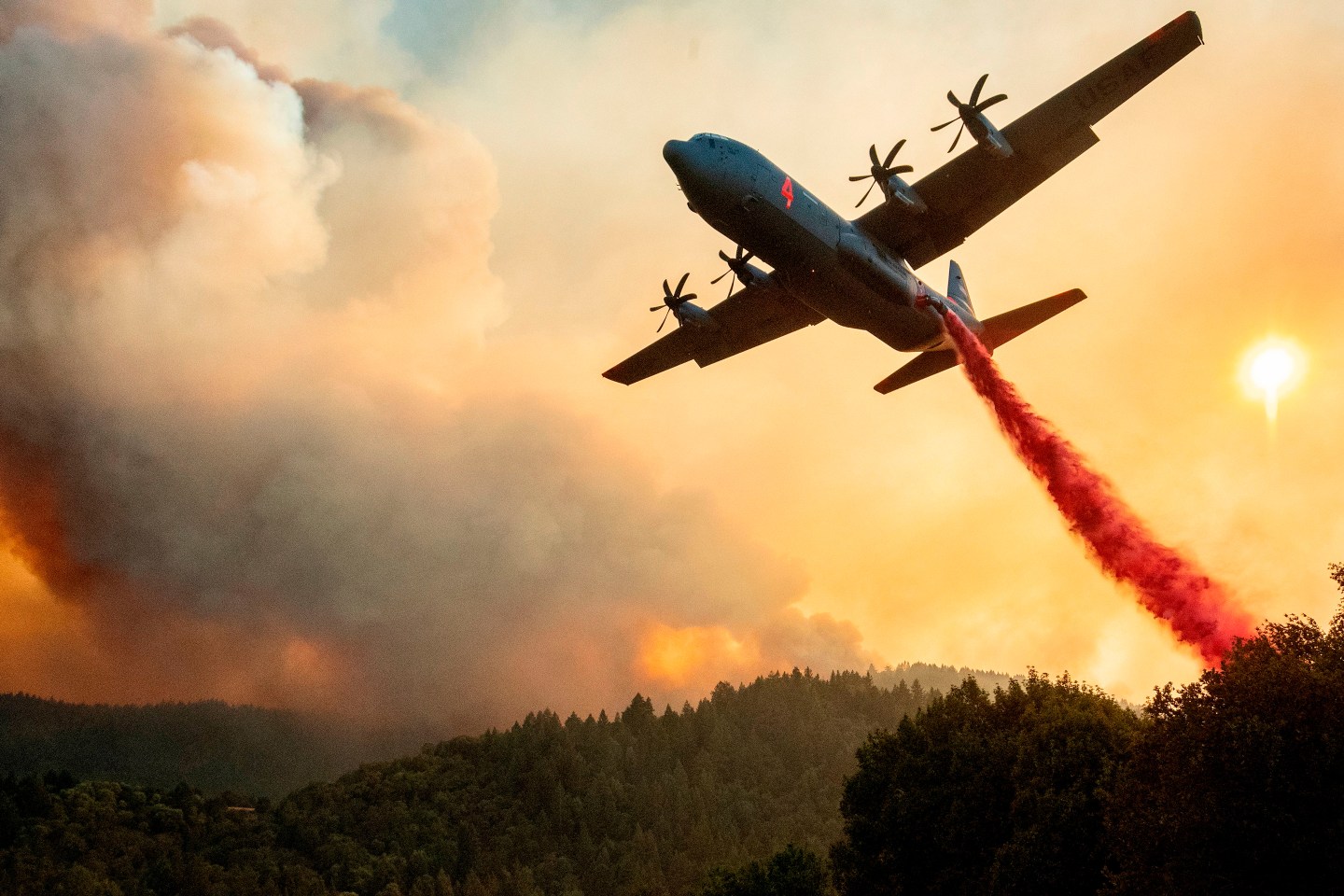
The coronavirus pandemic, a global economic downturn, protests against racism and police brutality—as if 2020 weren’t stressful enough, Mother Nature decided to turn up the heat.
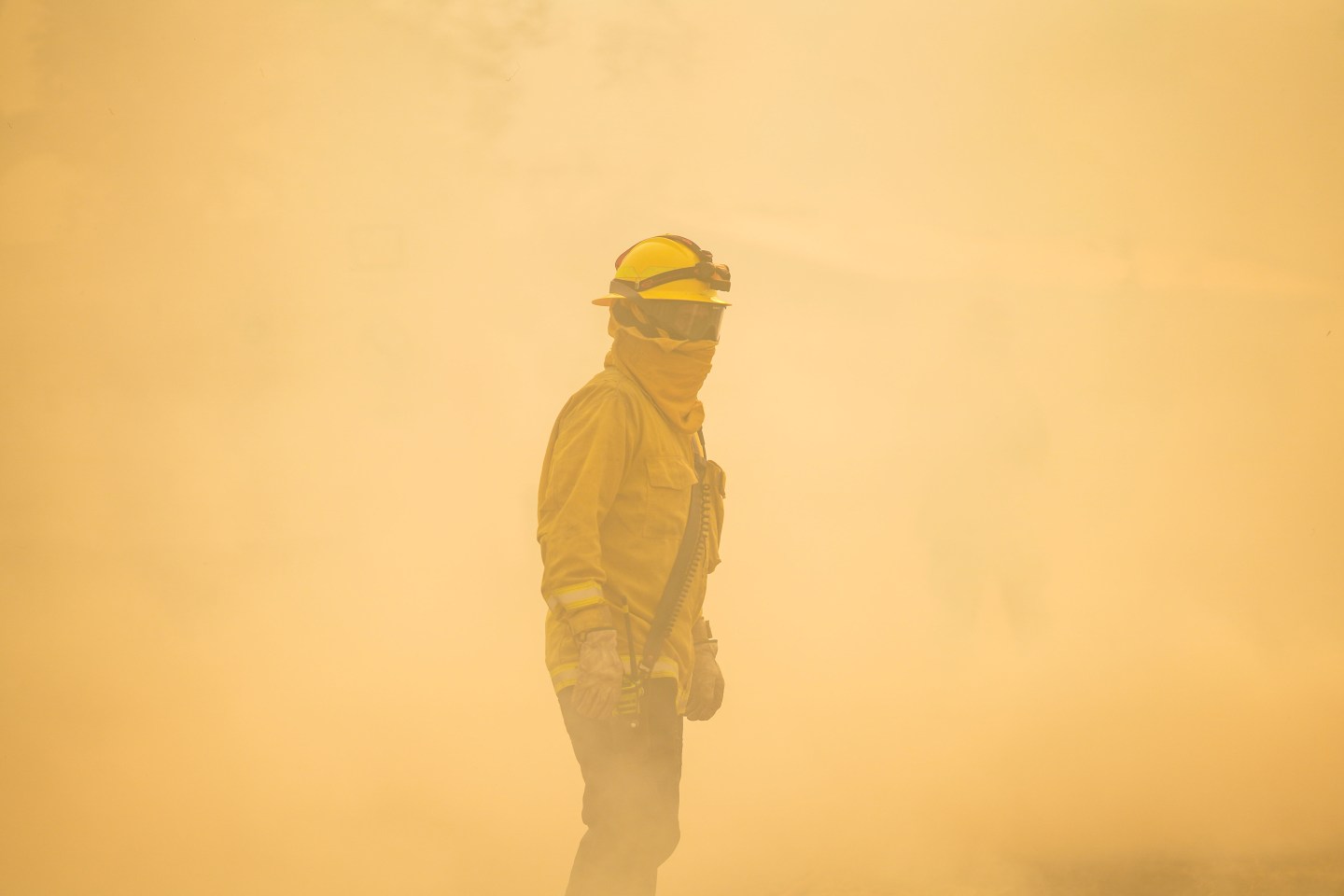
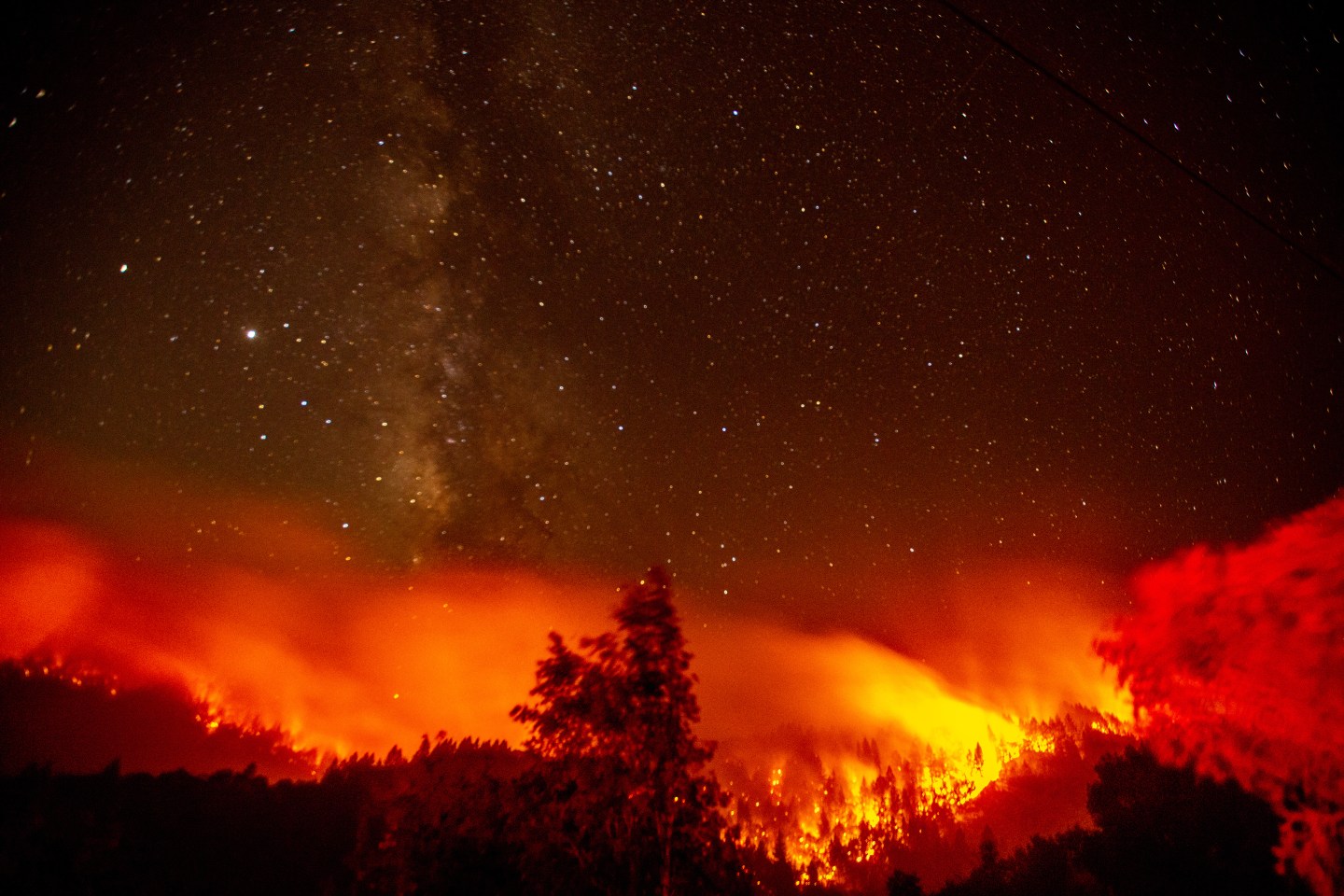
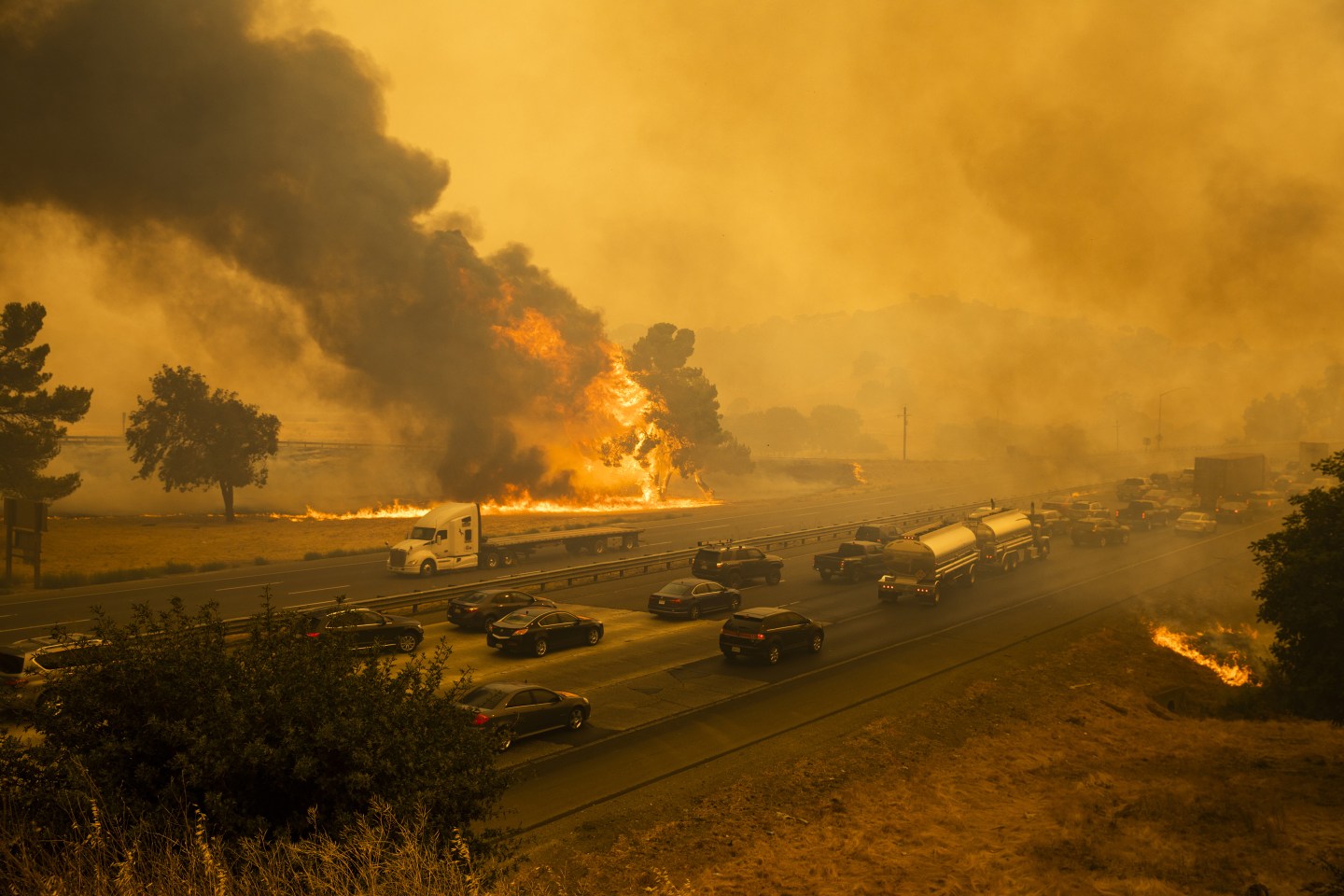
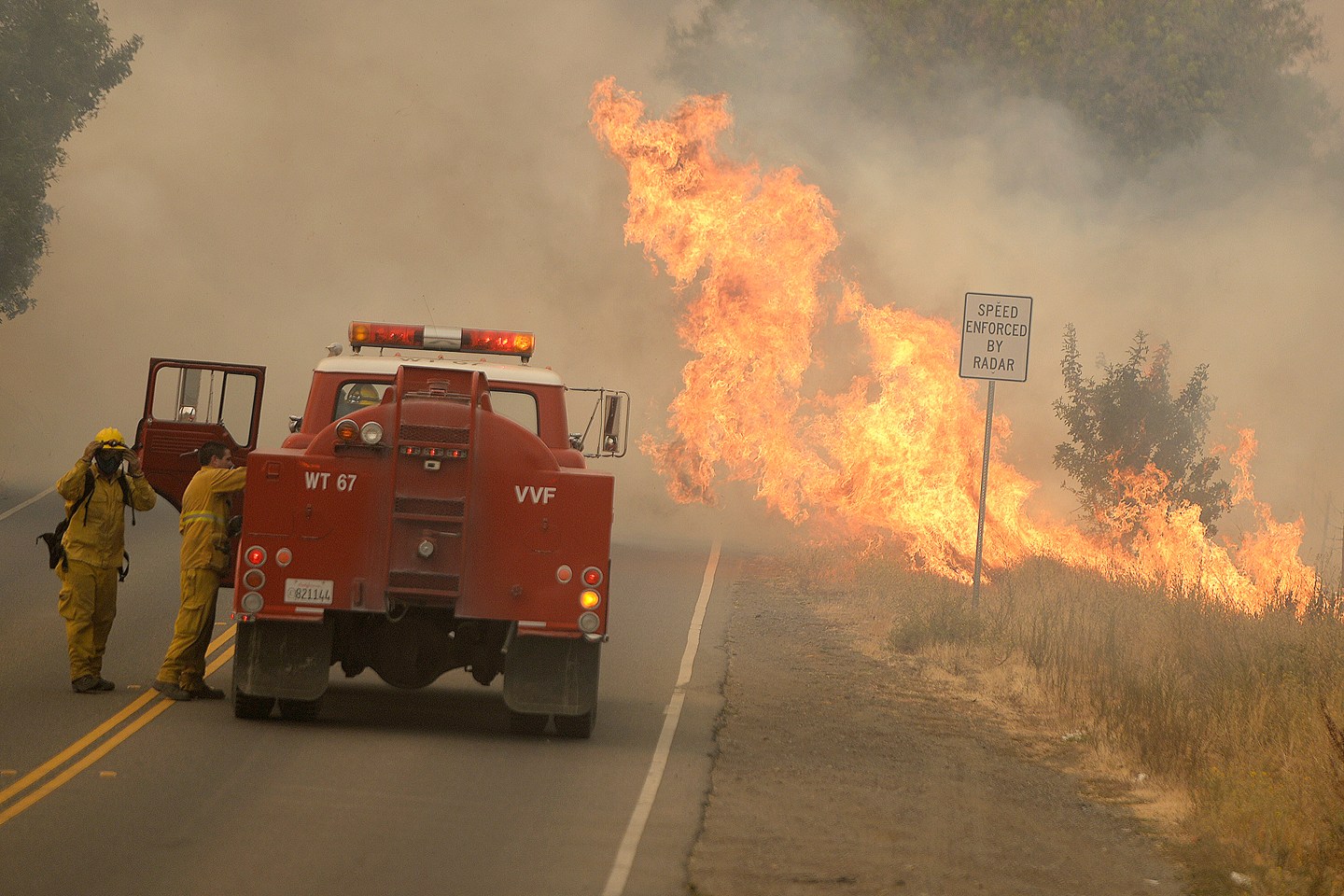
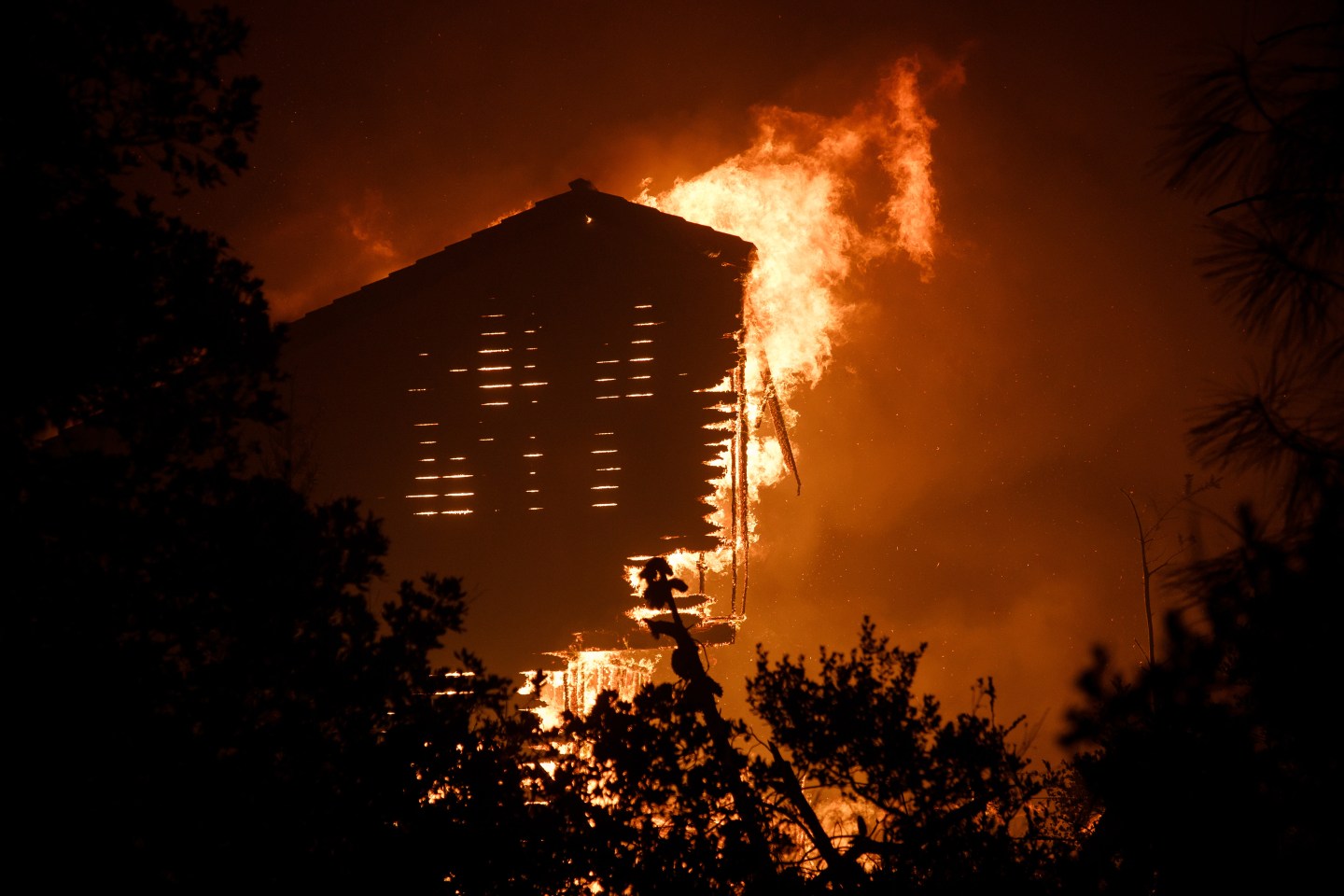
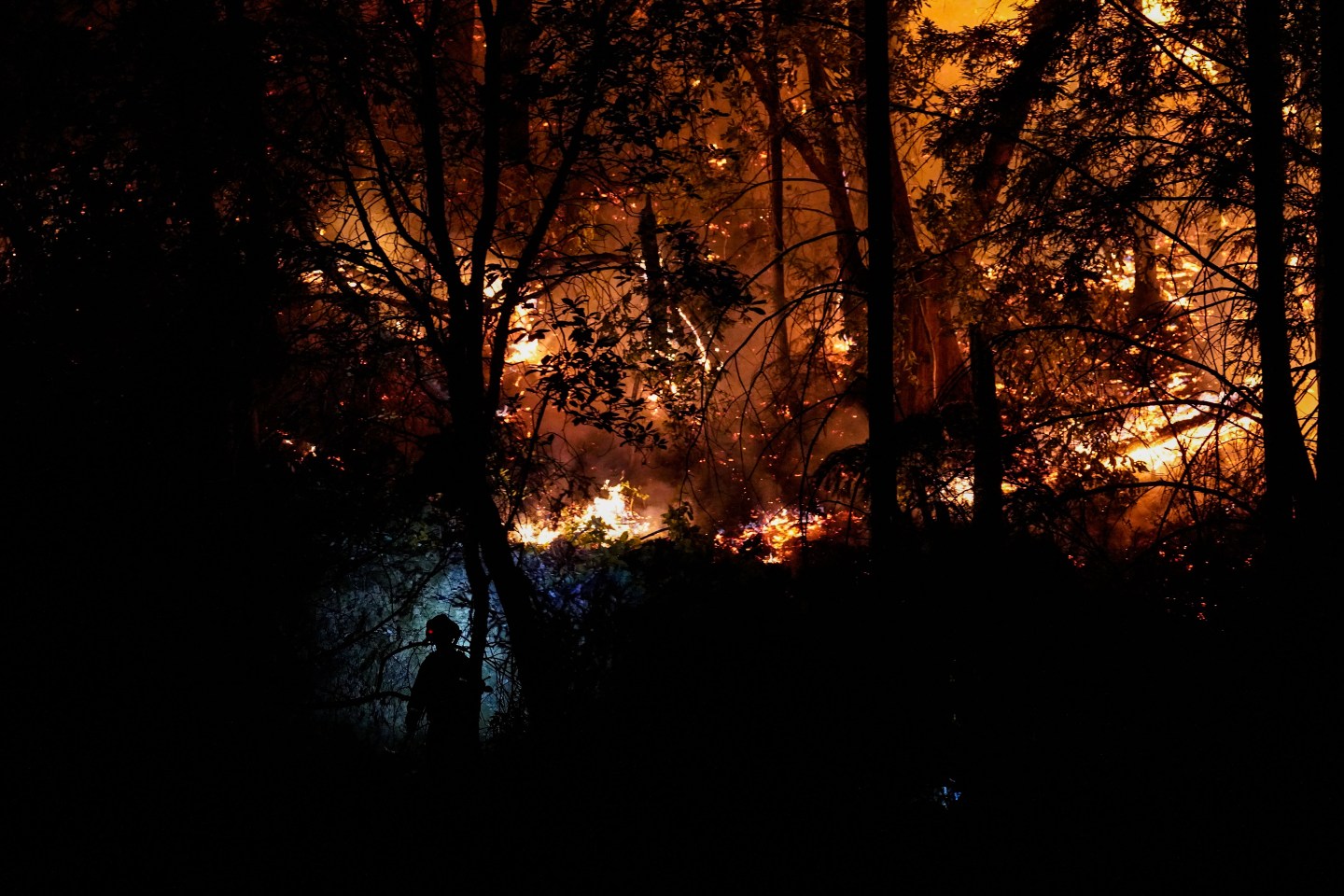
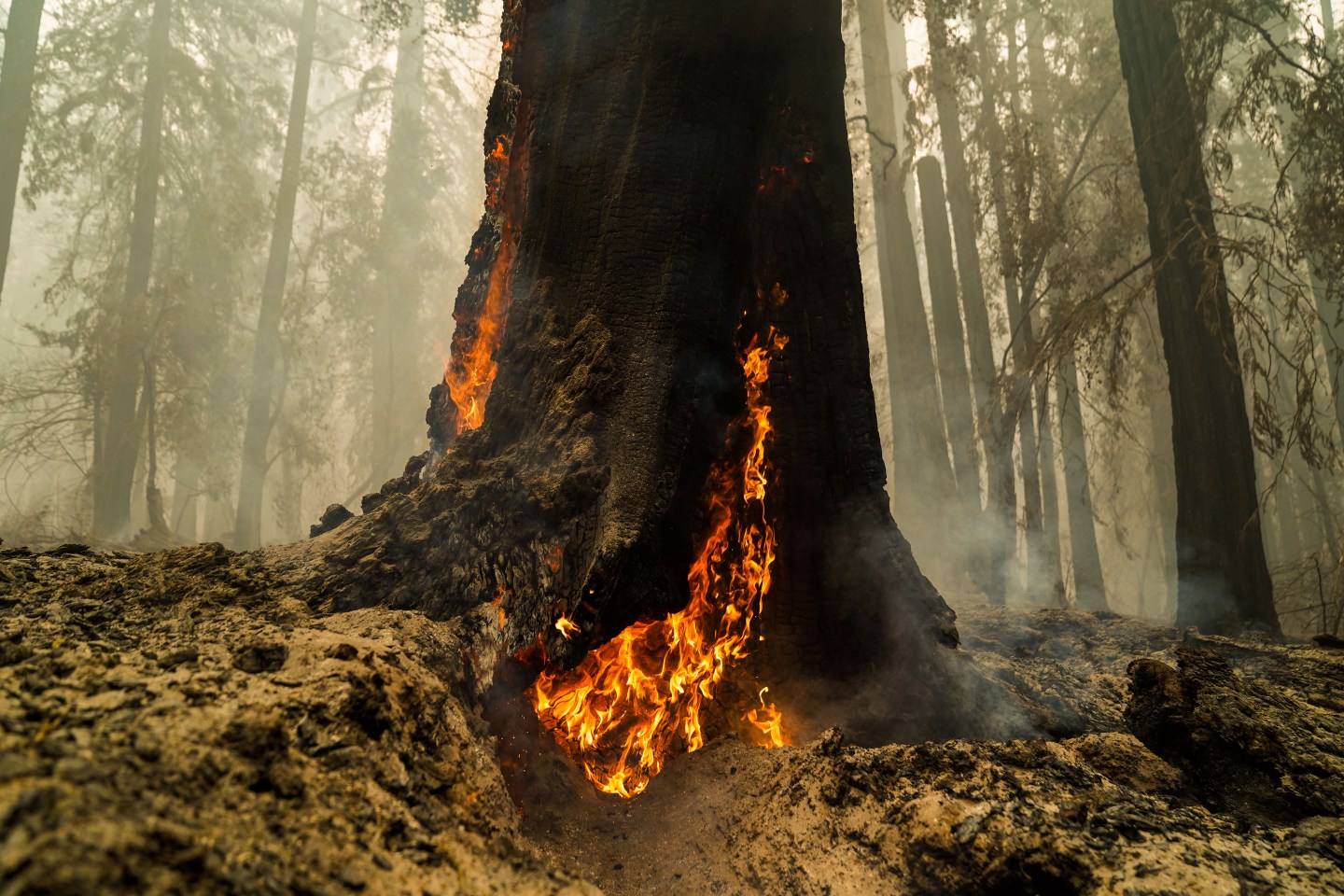
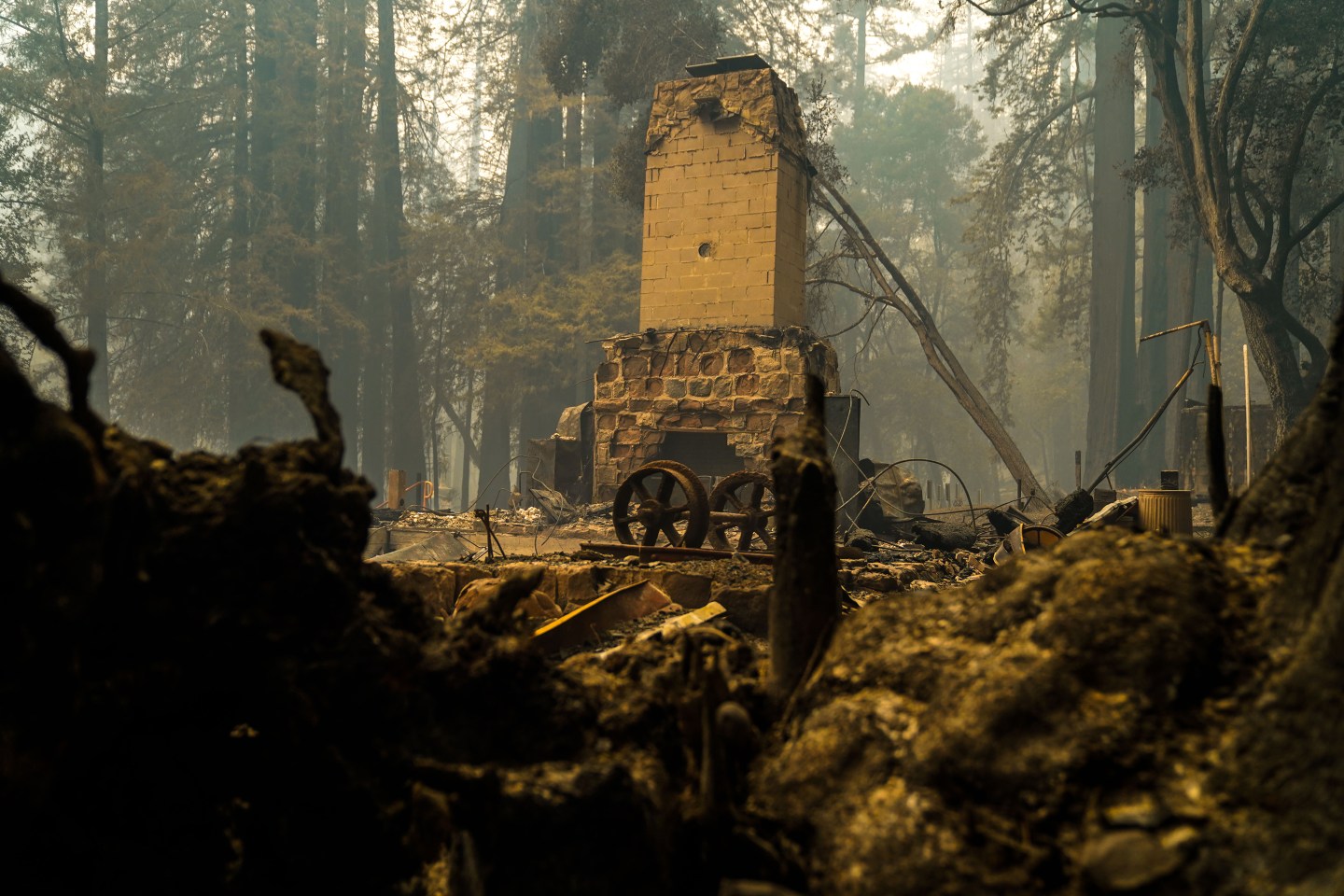
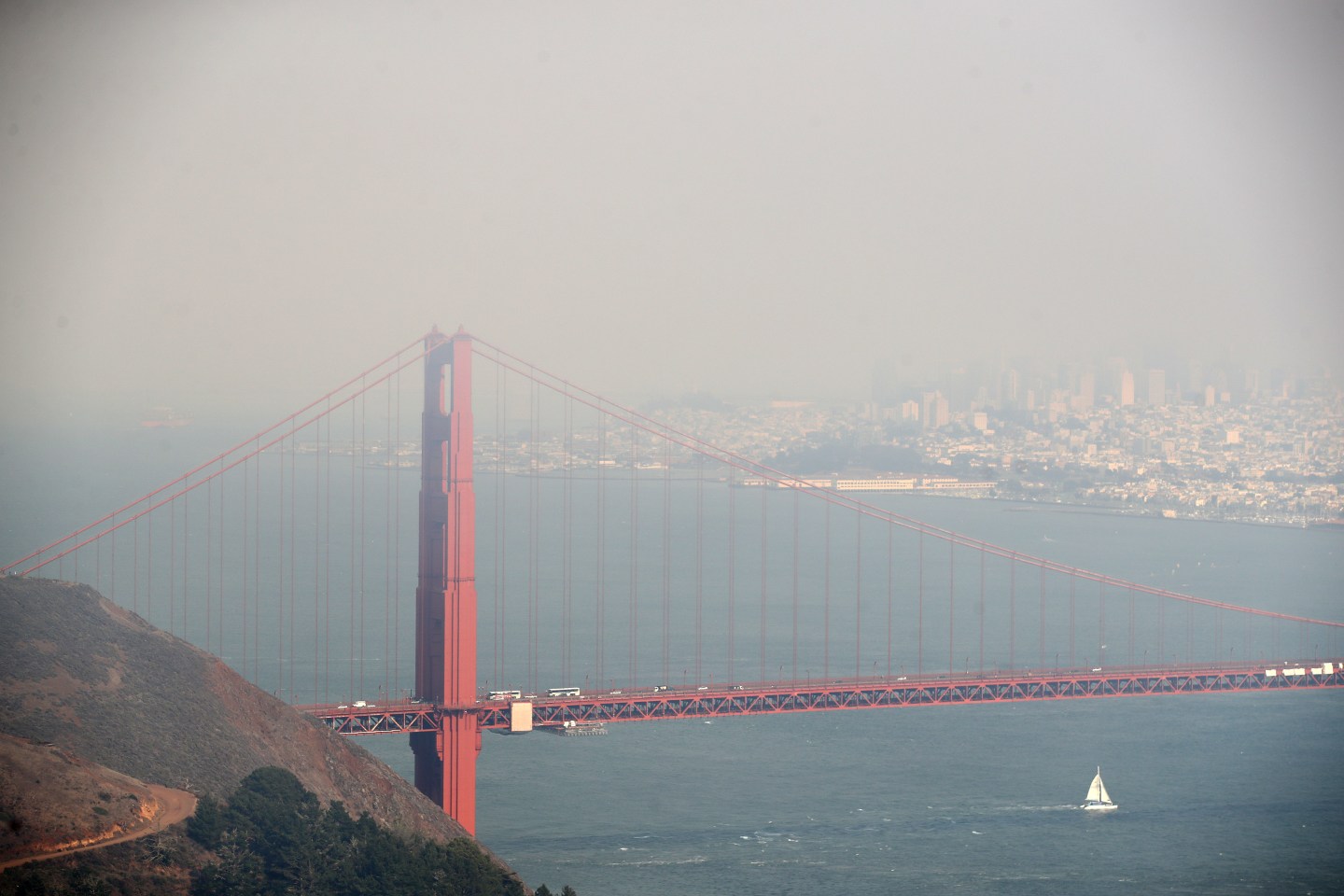
A new rash of wildfires ripped across Northern California this month, ravaging broad swaths of land adjacent to one of the most populous metropolitan areas—the San Francisco Bay Area—in the U.S. (For more detail, see the San Francisco Chronicle’s handy fire map here.) The resulting smoke, hazardous to breathe, blanketed the region.
Though the Golden State is no stranger to fire, the phenomenon has become more frequent—and by extension, more dangerous—than ever before. Cal Fire and the U.S. Forest Service estimated that last year’s fire season burned some 260,000 acres across nearly 8,000 fires in both northern and southern California. The year prior was even worse: 2018’s wildfire season was the deadliest and most destructive such season ever recorded in California, with 1.9 million acres burned.
This year’s fire season, which usually stretches from August to November, is only beginning—and the effects of the continued pandemic remain to be seen. (One thing we do know: There will be fewer firefighters this year because many prison inmates who work fire lines for wages and lighter sentences have come down with Covid-19.)
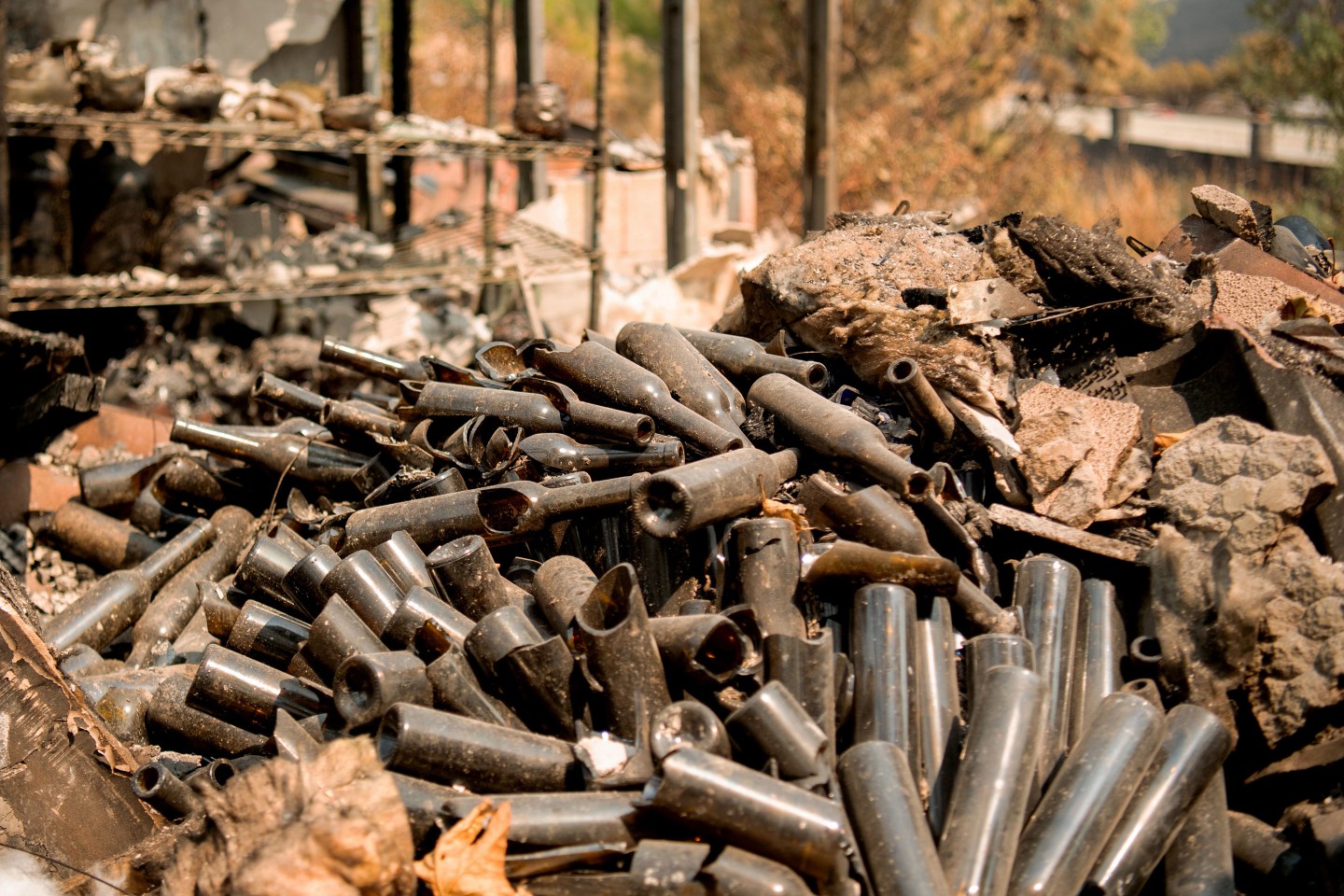
Still, early-season fires have already devastated towns across northern California, damaging homes and businesses and disrupting communities that have already been disrupted by pandemic stay-at-home measures.
Here’s a look at what has happened (so far):