For all the damage that microplastics are doing to the planet, it may be that only an impending threat to the human body will direct the kind of attention to the issue that it has long deserved.
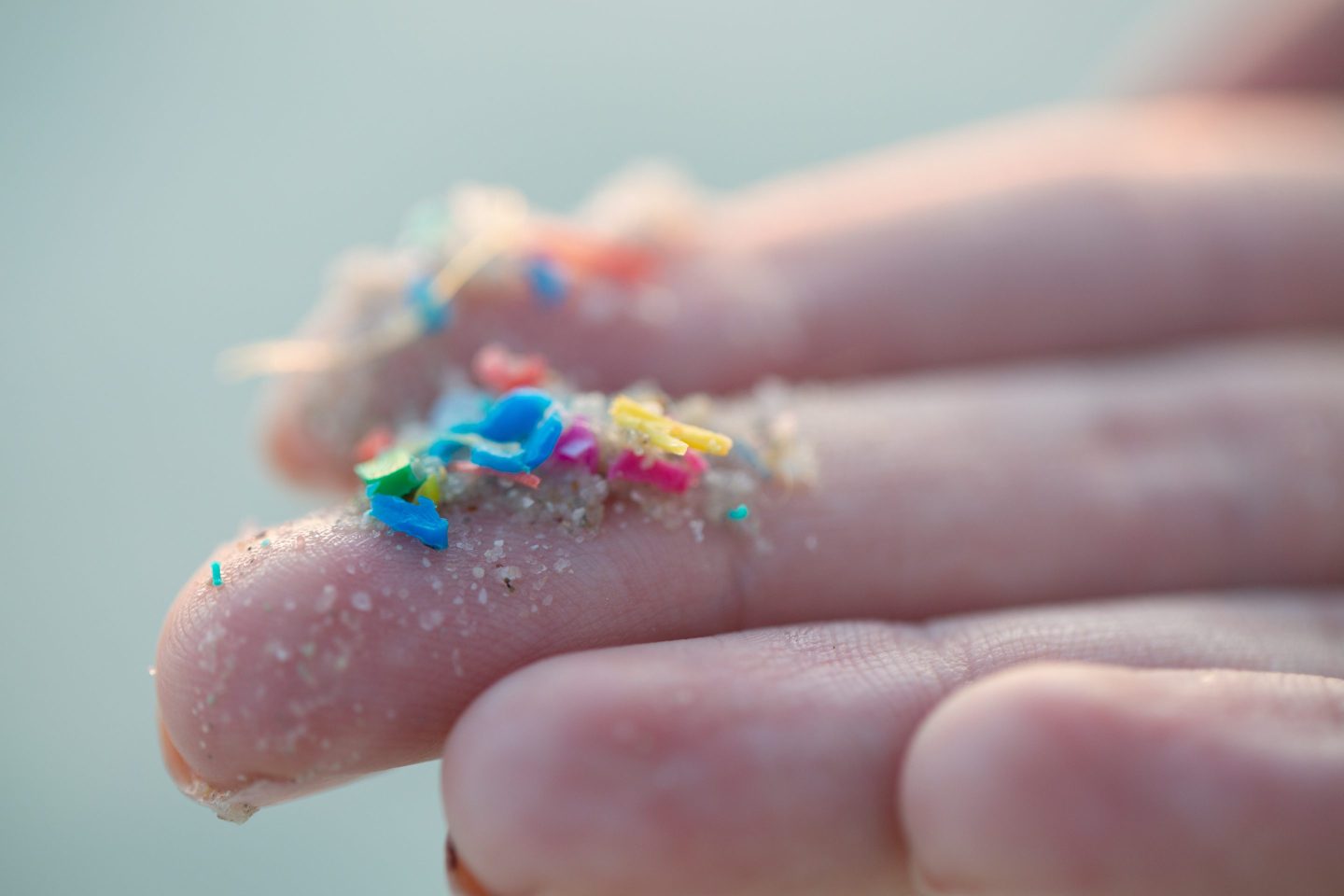
That moment, researchers say, is here. Several recent studies into microplastics, the voluminous and tiny (think 5mm or smaller) bits of material that can take hundreds of years to degrade, suggest that not only are they everywhere, but that they’re also making their way into our bloodstreams—with potentially hazardous results.
The research isn’t nearly complete, and the science is evolving. Still, a consensus is forming among those in the field: The threat of microplastics to some of our body functions is real, and it is growing.
“We humans have to decide what to do with the knowledge that we are a little bit plastic inside,” says Heather Leslie, an independent scientist who pioneered microplastics and human health research in Europe. While the extent of the potential damage is still unexplored territory, Leslie tells Fortune, “The evidence for inflammatory effects and metabolic changes in tissues where microplastics accumulate is building.”
A new report published in Nature Medicine hints at the scope of the issue. While the biological effects of microplastics have been researched for decades, most of it was focused on the environment, our oceans in particular. Only more recent studies have detected these materials’ presence in multiple organs of humans, including the blood, lungs, placenta, and feces, as well as in breast milk, testes, and semen.
In some respects, the results are not surprising. Plastic-based products and their detritus are everywhere on earth. Microplastics are in the food we eat, even raw fruits and vegetables, and have been found in both tap and bottled water. California recently became the first government entity in the world to test its drinking water for microplastics, while tests on more than 250 bottles of water purchased from nine countries found that 93% contained microplastics.
How do microplastics harm our health?
Since the inception of plastics in the decade after World War II, their production has accelerated at a dizzying pace to more than 430 million tons a year. Roughly two-thirds of that is designed for short-term use (things like water bottles and snack wrappers), yet the lifespan of plastics is incredibly long (450 to 1,000 years for some products), with the material continually degrading into tinier and tinier particles along the way.
What’s in these resulting microplastics and their invisible cousins, nanoplastics? According to recent research, the plastics industry comprises at least 16,000 chemicals in its various products, more than a quarter of which have been deemed hazardous to human health and the environment. Added chemicals can include highly toxic compounds like carcinogens, endocrine disrupters, and neurotoxicants, or chemicals with reproductive effects, such as BPAs, phthalates, bisphenols, and per- and polyfluoroalkyl substances (PFAS).
A series of studies has begun bearing out the human toll of all this. A stunning report in the New England Journal of Medicine in March found that among patients who were undergoing tests for carotid artery disease, those in whom microplastics were detected within the plaque lining their arteries were at a 4.5 times greater risk of experiencing a heart attack, stroke, or death from any cause at 34 months of follow-up than those without such findings.
“That’s a lot,” says Philip Demokritou, an expert on particulate matter. “We need more studies like this, and Europeans are ahead of us. Usually in the U.S. we wait until people start dropping dead to study.”
Researchers who focused on a link between microplastics and inflammatory bowel disease (IBD) detected 15 types of microplastics in human feces and found a higher concentration of microplastics in the stool of IBD patients than in healthy people. Microplastics have been documented in all parts of the human lung, though a direct link to human disease has not been established. A study found that infants may be exposed to higher levels of microplastics if they drink formula out of polypropylene bottles, highlighting what the authors say is an “urgent need” to determine what, if any, risk this may pose to infant health. And scientists who analyzed 62 placental tissue samples found polyethylene, a plastic used to make plastic bottles, in every sample.
By one estimate, health problems related to plastic chemicals cost the U.S. health care system $249 billion in 2018 alone. Infertility in both males and females, cancers, neurodevelopment disorders, cardiovascular and kidney disease all have been linked to the chemical additives that can be embedded in microplastics. And plastic production workers at textile facilities die of lung cancer and lung disease at higher rates.
The damage caused by microplastics to marine and aquatic organisms has been widely reported, but their threat to the human body has not been clearly identified. But evidence is being accumulated, and although the science on the topic is young, it is possible that the human brain is susceptible.
Two Turkish scientists, whose findings have not yet been published or peer reviewed, revealed in a new documentary titled Plastic People that they found microplastics inside the tissues of brain tumors. “Our study suggests the blood-brain barrier was impaired, allowing microplastics and other particles to pass through,” Sedat Gundogdu, one of the researchers, tells Fortune. Microparticles at “not high doses” in mice have been observed to both cross this barrier and induce behavioral changes after just three weeks of exposure.
Inhalation and ingestion are other pathways for microplastics to enter the body. They have been found in dust, cosmetics, seafood, beer, salt, rain, soil, and even in the air we breathe. “The water we drink, the food we eat is loaded. They’re loaded with microplastics,” says Demokritou.
In addition to their own harmful physical properties, microplastics have the ability to absorb chemical pollutants from other sources, such as PCBs from ocean water. Researcher Sherri A. Mason, in an interview with Spectrum News, dubbed them “little poison pills,” noting their ability to absorb chemicals already present in the waterway, ultimately accumulating toxins “up to a million times greater than what is in water.”
Once in our bodies, microplastics are recognized as foreign particles, says Martin Wagner, a biologist and environmental toxicologist at the Norwegian University of Science and Technology. They provoke an inflammatory immune system response designed to get rid of them, just as the body would fight bacteria—only the microplastics can’t be destroyed. “So they trigger chronic inflammation,” Wagner says. “That is one big component that, for me, is quite obvious.” Multiple diseases including diabetes, cardiovascular disease, cancer, and others are associated with chronic inflammation and are a leading cause of death.
Human cells exposed to microplastic particles in lab testing have shown evidence of cell damage and death, says Erica Cirino, author of the book Thicker Than Water: The Quest for Solutions to the Plastic Crisis. In addition, Cirino says, scientists “are racing to understand whether microplastics are linked to the rising incidence of cancers, especially cancers of the gastrointestinal system, particularly in younger people.”
Reducing microplastics exposure
It’s not clear at what precise levels in the body microplastics become dangerous, says Flemming Cassee, an inhalation toxicologist who advises policymakers in the Netherlands and the World Health Organization. “It’s really of interest to understand,” Cassee says. “Will these materials accumulate, including the substances from which we know what the adverse effects can be if you reach a certain amount in your body?”
As yet, those are crucial questions without definitive answers. To those who’ve been studying microplastics for years or decades, however, the emerging evidence more generally points one way—and it will continue in that direction unless more radical, big-picture action is undertaken.
Since 99% of all plastics are made from fossil fuels, Cirino says, only serious caps on plastic production, coupled with far more stringent regulation of the plastic and fossil fuel industries, is likely to make a difference. The Plastics Industry Association did not respond to Fortune’s request for comment.
“An eventual phaseout of plastic and fossil fuels is the only way to rein in plastic pollution,” Cirino says. “If your bathtub was overflowing, you wouldn’t just start mopping water off the floor. First, you’d turn off the tap.”
In late April, Wagner, a member of the Scientists’ Coalition for an Effective Plastics Treaty, attended the United Nations’ global plastics summit in Ottawa. The goal was to hammer out a legally binding treaty that would curb plastic pollution worldwide.
The summit’s attendees were not alone. According to Reuters, nearly 200 lobbyists for the fossil fuel and chemical industries also registered for the conference, a rise of nearly 40% from the previous UN gathering last November.
“There’s some progress,” Wagner tells Fortune. “But oil-producing countries have gathered in what we call low-ambition coalition to stall negotiations and water down the treaty.”
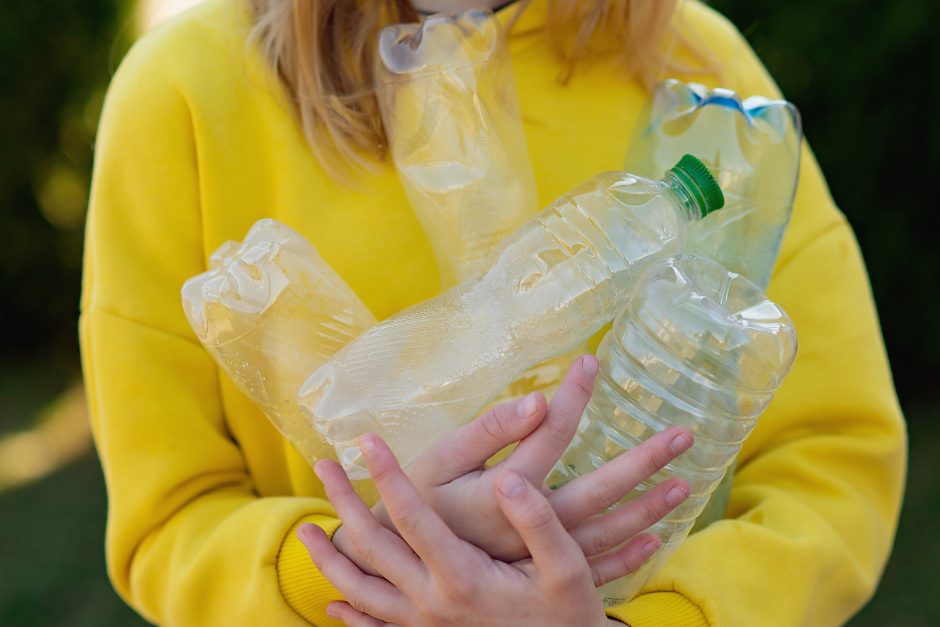
In the meantime, people may want to reduce their own exposure to microplastics to whatever extent they can. For the most part, experts say that involves smaller steps. Switching from plastic water bottles to bottles made of glass or steel is one such step, as is using only glass or ceramic containers to microwave food. (Heat causes plastic to release harmful chemicals.) Cleaning your house helps, too, says Wagner. “I know people don’t like it, but it really helps remove the dust, including all the micronanoplastics.” Some experts recommend slightly larger gestures: replacing carpet containing plastic-based fibers with wood flooring, or choosing clothing made only of natural fibers.
None of this is a new dynamic, of course. But the increasing accumulation of evidence that microplastics are inside humans—with all of the health issues that may imply—may serve to place a new sense of urgency on the topic. Says Wagner, “There’s hope. There’s always hope.”