The World Health Organization (WHO) is an agency that tends to be ignored during good times and talked about incessantly during bad times, and what we’re seeing during the current COVID-19 crisis certainly fits that bill.
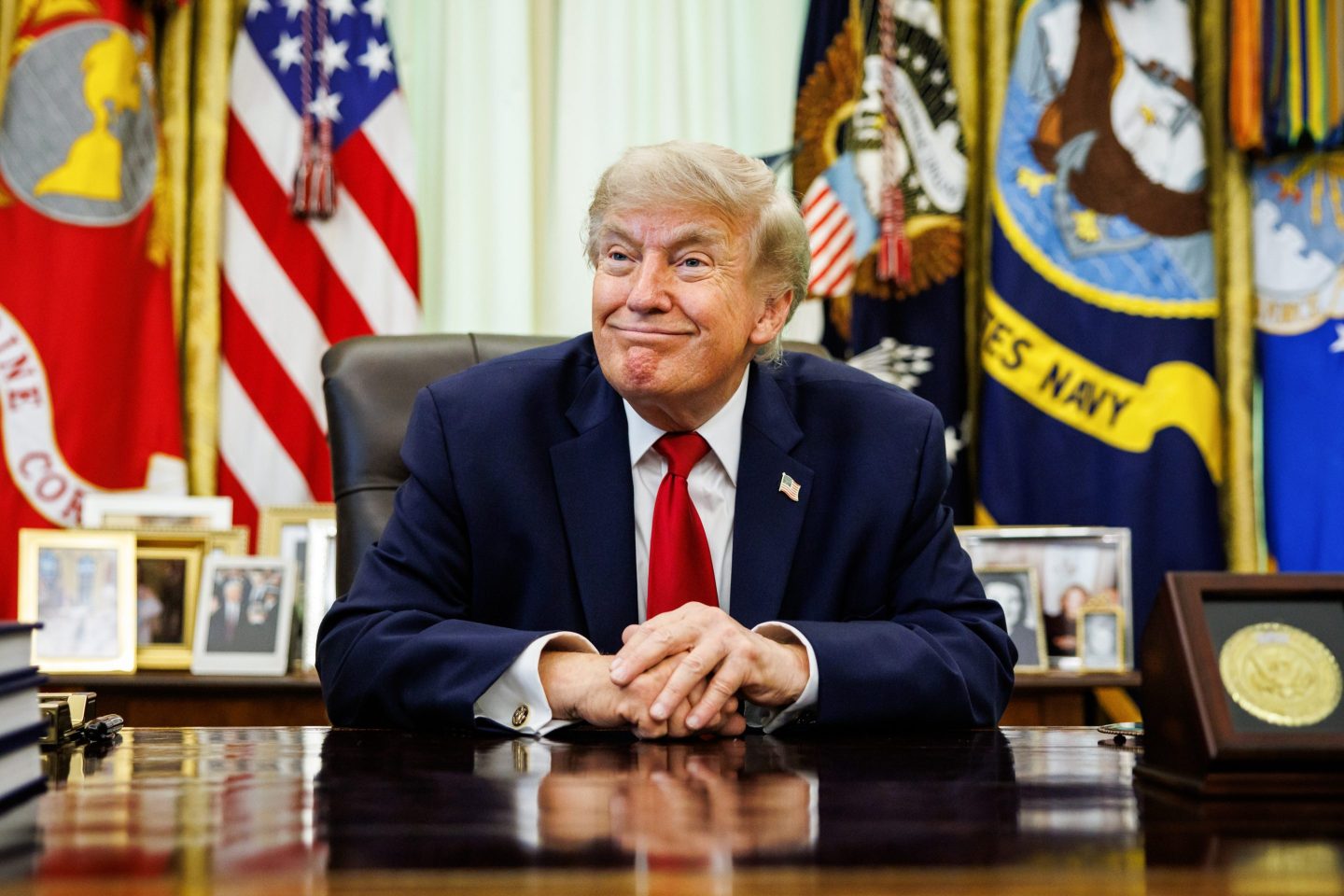
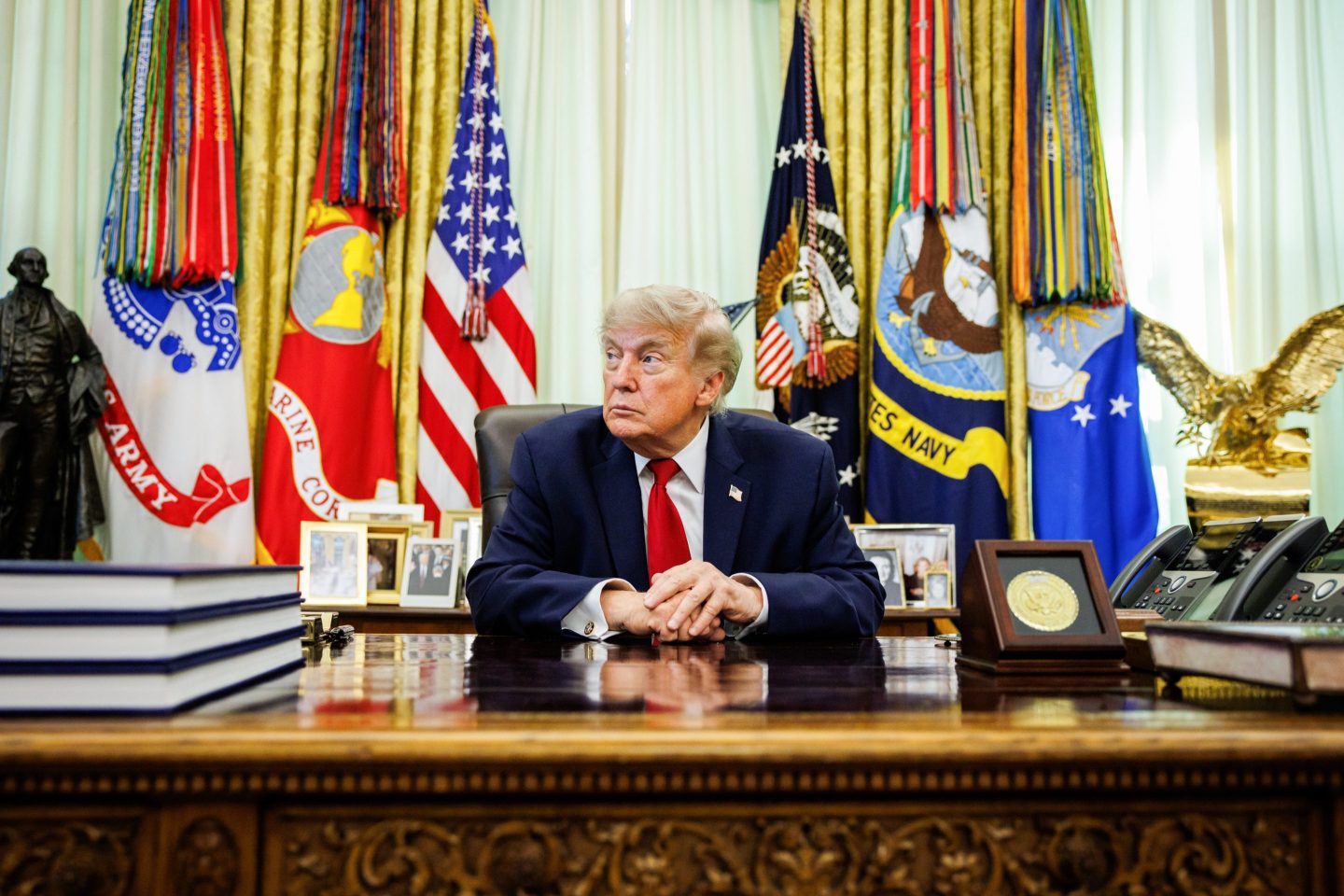
President Donald Trump recently threatened to defund the agency permanently, essentially calling it useless. But is he correct or just scapegoating? And how did this huge organization even originate?
Below is everything you need to know about the agency that issues guidance and help for disastrous pandemics and potential pandemics like Zika, Ebola, SARS, bird flu, swine flu, and others.
What does the WHO do?
The history of the WHO goes hand in hand with the post–World War II move to unite the globe and maintain security and peace internationally. Around the time the United Nations (UN) was founded, in 1945, the idea of funding a system to coordinate global health affairs like malaria, tuberculosis, and women and children’s well-being was proposed. By 1948, the UN had created the WHO, with the principal thought that health care is a human right—an issue still being debated across political stages in the United States.
Today, the WHO, still operating under the larger umbrella of the UN, has 194 member countries, 150 offices around the world, and a biannual budget of $4.84 billion.
Together these member states form the World Health Assembly, which is the guiding body of the organization. They set policy and supervise the budget. They also elect a director-general to a five-year term. Tedros Adhanom Ghebreyesus, a former minister of health in Ethiopia, is currently in charge of the program.
The updated mission of the organization is to “coordinate and direct” all health crises that go, or could potentially go, beyond any national border. The WHO uses its funding to provide technical support, set international health standards, and provide guidance, along with coordinating the international response to national health emergencies. Instead of just having doctors on the ground (like Doctors Without Borders, for example), the organization also deals with the political elements of handling a pandemic. It focuses on issuing guidance and tracking the spread of disease—and tends to operate at a managerial level.
The WHO operates on a voluntary level, and countries are under no obligation to allow the organization in or to follow its guidance, but member states tend to cooperate.
Okay, so who funds it?
The United States is currently by far the largest supplier of WHO funding. The U.S. contributed about $893 million during the two-year budget cycle spanning 2018 to 2019. The President has threatened to end that, but more on that later.
The next largest member-contributor is the United Kingdom, which pledged about $430 million. China pledged just over $75 million.
But there are two ways the WHO collects money: One is through “assessed contributions,” which are the dues member countries pay, and the other is through voluntary contributions, which is the major driver of funds. From 2018 through 2019, the United States pledged $237 million in assessed contributions and $656 million in voluntary contributions.
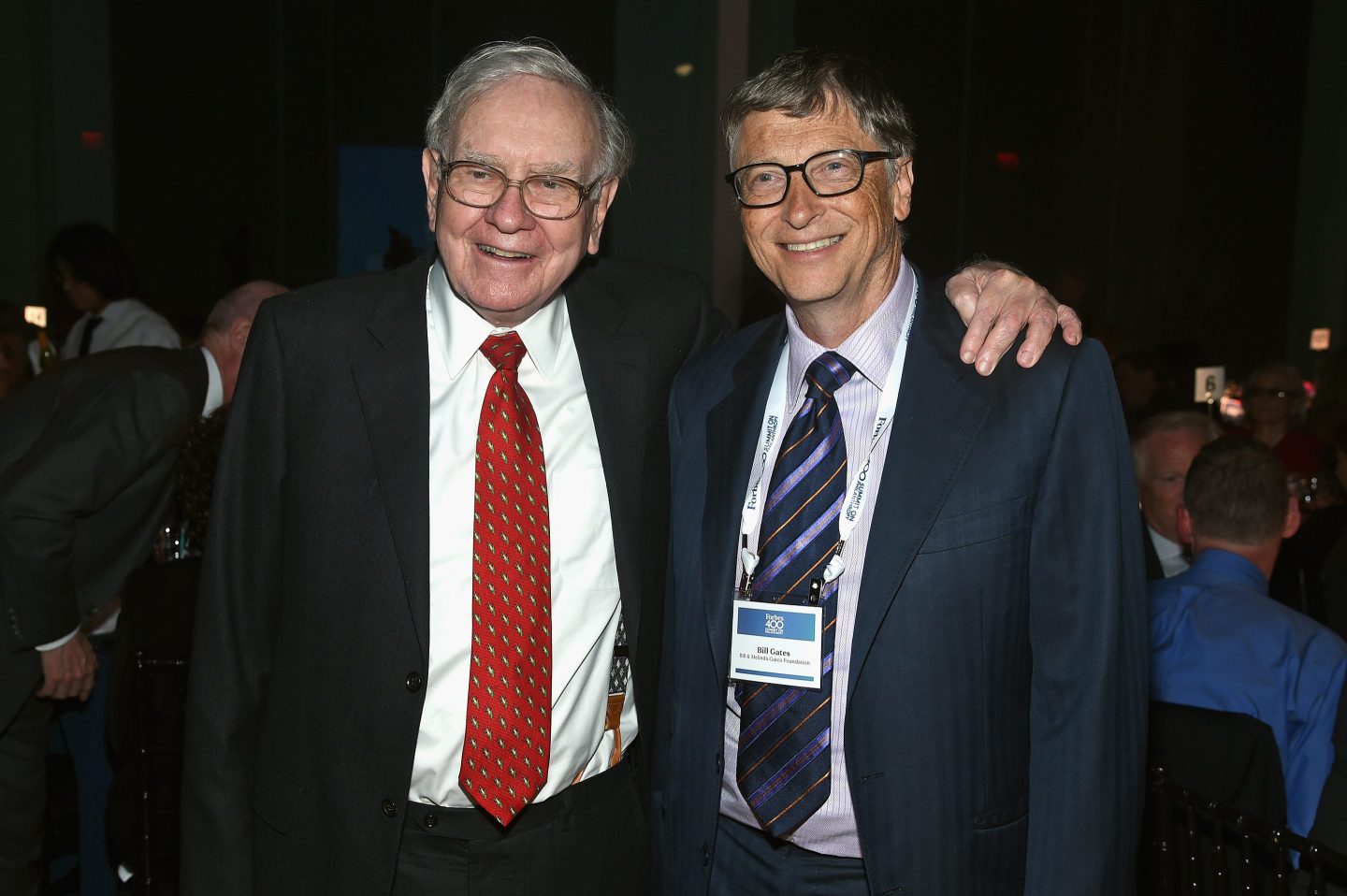
The second-largest funder of the WHO is the Bill & Melinda Gates Foundation, which granted the organization $531 million in voluntary payments over that same period. Much of the WHO’s funds come from charity organizations like Rotary International, which donated $143 million, and the National Philanthropic Trust, which pledged $108 million.
In its earlier years, most of the WHO’s funding came from assessed contributions, but as of late that has shifted to voluntary cash infusions. From 2018 through 2019, assessed contributions totaled $956.9 million—just 17% of revenue. Voluntary contributions, meanwhile, added up to $4.49 billion or 80% of revenue. “Other revenue” provided an additional $178.1 million.
The WHO has requested another $700 million from donors to help with the COVID-19 crisis and is expected to increase that ask shortly.
What role has the WHO played in solving past crises?
Since its founding, the WHO has played a critical role in partnering with countries to eradicate infectious ailments. Its successes, however, have come slowly.
In the late 1950s, the organization began a campaign with Russia to end smallpox, but by 1980, the vaccination for the illness was deemed no longer necessary. In the 1970s, the WHO moved to promote family planning and safe sex, as well as vaccinating children from preventable illnesses around the world. The organization set a goal of vaccinating all children against diphtheria, pertussis, tetanus, measles, poliomyelitis, and tuberculosis. The goal was very lofty, and so, some 40 years later, the WHO is still working on achieving it, but some progress is being made. According to 2018 data, the most recent available, 116 million children have completed vaccinations, up 30% since 2000.
In the 1980s the organization set its sights on preventing maternal mortality, and while it missed its initial goalposts, it now hopes to reduce the global maternal mortality rate to less than 70 per 100,000 births by 2030. Additionally, the WHO began its goal of eradicating polio, also yet to be achieved.
More recently, the WHO has focused largely on the HIV/AIDS crisis, particularly in Africa. They have established testing clinics, subsidized and provided treatments, and poured millions into awareness campaigns that focus on how the disease is spread.
“They do work around the world that no one else will do,” explains Protect Our Care chair Leslie Dach, who served as the global Ebola coordinator for the Department of Health and Human Services under the Obama administration. “They put doctors and public health resources on the ground and also strengthen the ability of countries’ own public health systems. They are in many ways the global response organization that we all rely on.”
Dach says that while the organization’s “forest for the trees” viewpoint means that it tends to get ignored for successes and blamed for failures, it was essential in procuring a quick vaccine that tempered what could have become an Ebola pandemic in 2014.
“On Ebola, they made significant contributions, particularly on speeding up the development of a vaccine and its ultimate deployment,” he notes. It’s the well-established localized infrastructure of the WHO that enables it to “perform a unique and critical role.”
“If we’ve learned anything from this car crash [the COVID-19 pandemic] it’s that these diseases pose a huge threat across the entire world, and the best thing we can do is contain them where they start,” Dach explains. “No one is saying that the organization is perfect, but it does an essential job.”
How is the WHO working to stop the spread of COVID-19?
All member countries are required to report any disease outbreaks of unknown origin that seem as if they may spread internationally. On Dec. 31, 2019, China declared an outbreak of what it called pneumonia cases in Wuhan, Hubei province. The organization alerted its incident management support team and tweeted about the incidences on Jan. 4, 2020. By Jan. 10, the WHO had set up and posted guidelines on how to stop the spread of the disease, warning that it was similar to SARS and MERS.
By the end of January, the WHO had labeled the disease a Public Health Emergency of International Concern. Since then, the organization has gathered vital information from all member countries and has published much on what it has found in that data. The agency has issued recommendations on how to reopen, when to wear masks, and testing protocol. It has also provided online training for health care workers.
Why is President Donald Trump threatening to defund the WHO?
In mid-April President Trump declared that he’d had enough of the WHO’s guidelines and would freeze its funding indefinitely, pending further review from his administration. He blamed the WHO for not investigating the disease quickly enough when it originated in China, leaving the U.S. unprepared.
Critics of Trump say the President’s actions were intended to deflect any blame. There have since been more than 85,000 confirmed deaths directly related to COVID-19 in the United States.
“Had the WHO done its job to get medical experts into China to objectively assess the situation on the ground and to call out China’s lack of transparency, the outbreak could have been contained at its source with very little death,” Trump said during a late-April press conference.
Democrats called the President out for “scapegoating.”
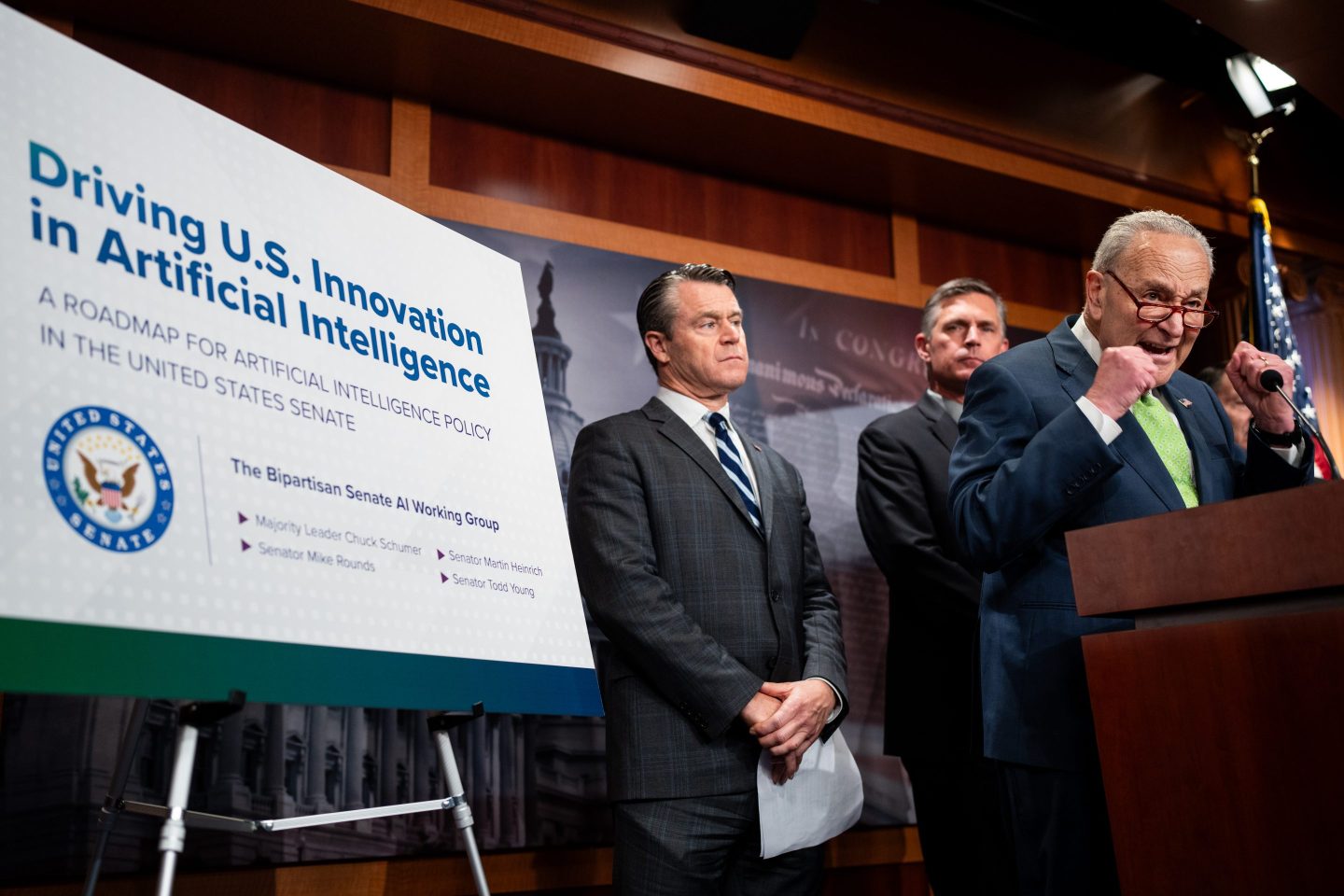
“Right now, there is a very coordinated effort amongst the White House and their allies to try to find scapegoats for the fatal mistakes that the President made during the early stages of this virus,” said Sen. Chris Murphy. “It is just wildly ironic that the President and his allies are now criticizing China or the WHO for being soft on China when it was in fact the President who was the chief apologist for China during the early stages of this crisis.”
Legal roadblocks also lie ahead. Democrats in Congress called the move illegal, saying that Trump couldn’t stop the payment of that assessed contribution. The President, however, still has the support of congressional Republicans, and any serious action taken against him would likely be blocked in the Republican-led Senate.
“President Trump is violating the same spending laws that brought about his impeachment,” said Evan Hollander, spokesman for the House Appropriations Committee. During the impeachment fight, the U.S. Government Accountability Office said that the President was in violation of the law by delaying funding that Congress had approved to go to Ukraine.
Countries like China and Japan have said they will step up their donations, but it is unlikely that they would be able to fill a void as large as the one left by U.S. funding. Still, Dach says, this decision could leave the U.S. at a disadvantage in slowing COVID-19’s spread.
“If you want WHO to do the most effective job it can, you want to be at the table, you want to be able to have a conversation with them,” he says. “During Ebola, because of our contribution, our opinions mattered, and it was to America’s benefit to be able to have its voice change the behavior of WHO. They spent their money more wisely, and they spent it in places and ways we thought were the most important. Now we’re just taking that off the table.”
It’s unclear if the President intends to pull voluntary funding or to leave the World Health Assembly altogether. The former would mean that the U.S. would retain its role as a governing body, but the latter would mean the country no longer had any say in the future of the organization. It would also no longer be obligated to report any information or health statistics to the group.
Even the WHO’s biggest advocates admit that the organization isn’t perfect, but they say that things would be much worse without its help.
“During an unprecedented and hugely complex public health crisis like this, there are bound to be challenges,” wrote over 1,000 health care experts, companies, and charities in a recent letter to President Trump, urging him to continue with funding.
“After WHO and the global community turn the tide against COVID-19, WHO has signaled an eagerness to assess where mistakes occurred and how best to strengthen the institution and global public health response capacities of all countries in the future,” they continued. But, they added, “it is without question…that WHO efforts have been vital to flattening the curve, slowing the virus’s spread, and ultimately saving lives in the U.S. and around the world.”
A recent analysis by the Kaiser Family Foundation found that many of the organization’s challenges stem from its growing scope of responsibility coupled with a stagnant budget that largely relies on voluntary donations often earmarked for specific issues. The WHO must also grapple with the dual mandate of being both a “technical agency with health expertise and a political body where states debate and negotiate on sometimes divisive health issues,” the report found. That, along with a large, decentralized, and bureaucratic structure, often leads to slow, indecisive actions by the agency.
Still, says Dach, “the time to work to make them better is after the crisis. It’s not a good idea to drop the thing into the ocean and forget about it.”