• Home
  • Latest
  • Fortune 500
  • Finance
  • Tech
  • Leadership
  • Lifestyle
  • Rankings
  • Multimedia

Exclusive

An hour in the Oval Office with President Trump Fortune Editor-in-Chief: Alyson Shontell sat down with President Trump in the Oval Office for an hour. Tariffs, Intel, AI, Boeing, Iran—and the question every CEO eventually has to answer: who's next?

An hour in the Oval Office with President Trump Fortune Editor-in-Chief: Alyson Shontell sat down with President Trump in the Oval Office for an hour. Tariffs, Intel, AI, Boeing, Iran—and the question every CEO eventually has to answer: who's next?

An hour in the Oval Office with President Trump Fortune Editor-in-Chief: Alyson Shontell sat down with President Trump in the Oval Office for an hour. Tariffs, Intel, AI, Boeing, Iran—and the question every CEO eventually has to answer: who's next?

An hour in the Oval Office with President Trump Fortune Editor-in-Chief: Alyson Shontell sat down with President Trump in the Oval Office for an hour. Tariffs, Intel, AI, Boeing, Iran—and the question every CEO eventually has to answer: who's next?

An hour in the Oval Office with President Trump Fortune Editor-in-Chief: Alyson Shontell sat down with President Trump in the Oval Office for an hour. Tariffs, Intel, AI, Boeing, Iran—and the question every CEO eventually has to answer: who's next?

An hour in the Oval Office with President Trump Fortune Editor-in-Chief: Alyson Shontell sat down with President Trump in the Oval Office for an hour. Tariffs, Intel, AI, Boeing, Iran—and the question every CEO eventually has to answer: who's next?

An hour in the Oval Office with President Trump Fortune Editor-in-Chief: Alyson Shontell sat down with President Trump in the Oval Office for an hour. Tariffs, Intel, AI, Boeing, Iran—and the question every CEO eventually has to answer: who's next?

An hour in the Oval Office with President Trump Fortune Editor-in-Chief: Alyson Shontell sat down with President Trump in the Oval Office for an hour. Tariffs, Intel, AI, Boeing, Iran—and the question every CEO eventually has to answer: who's next?

An hour in the Oval Office with President Trump Fortune Editor-in-Chief: Alyson Shontell sat down with President Trump in the Oval Office for an hour. Tariffs, Intel, AI, Boeing, Iran—and the question every CEO eventually has to answer: who's next?

An hour in the Oval Office with President Trump Fortune Editor-in-Chief: Alyson Shontell sat down with President Trump in the Oval Office for an hour. Tariffs, Intel, AI, Boeing, Iran—and the question every CEO eventually has to answer: who's next?

CommentaryInflation

Don’t let them tell you inflation is good for the poor. It’s not

By
Gustavo Flores-Macias
Down Arrow Button Icon
By
Gustavo Flores-Macias
Down Arrow Button Icon
November 16, 2021, 6:16 AM ET
U.S. consumer prices are rising at a rate not seen since 1990, but not everyone is old enough to remember what high inflation really looks like.
U.S. consumer prices are rising at a rate not seen since 1990, but not everyone is old enough to remember what high inflation really looks like.Bloomberg/Getty Images

In October, U.S. inflation reached 6.2%—a 30-year high. Unless the Federal Reserve and the Biden administration change their current approach, the consequences of these inflation levels are likely to be most severe for the most disadvantaged sectors of society—the poor, women, and underrepresented minorities.

Authorities were rightly worried about a major economic contraction resulting from the pandemic, which is why the Fed and the government adopted monetary policies and fiscal policies aimed at stimulating the U.S. economy. The worry until recently was not that prices would rise, but that they would fall too much, as with Japan’s deflation. Free-falling prices are a concern because they lead to lower spending as consumers wait for better prices in the future.

Out of this inertia and worried about interrupting economic recovery prematurely, the Fed has dismissed concerns about rising inflation, pointing instead to its transitory nature. This is in line with a chorus of opinions exalting the benefits of inflation. As a former managing director of Blackrock put it, “Many Americans, particularly the less wealthy, actually stand to benefit from higher levels of inflation.” The intuition is that wages have risen steadily during the pandemic and inflation erodes the value of household debt, improving the purchasing power of salaried workers and reducing their debt burden.

With annual inflation below 5% in the past three decades, about half of the total U.S. population has no experience with high inflation. The median age is 38. People who have not lived through inflation find it difficult to concretely grasp its consequences. Although the rosy picture exalting the benefits of inflation might initially resonate with those concerned about poverty and inequality, the reality is more complex.

There are three important problems with letting inflation run high.

First, inflation has important distributional consequences, disproportionately hurting the least affluent sectors more than the wealthy. Although inflation erodes everyone’s purchasing power, the wealthy tend to own assets better able to weather inflationary periods. The price of real estate assets, for example, tends to appreciate with the general price increases in society, and rental income can be adjusted to keep up with the rising cost of living, providing property owners some protection against inflation. The wealthy also tend to have access to hedging mechanisms against inflation, such as shifting assets abroad, trading currency, or purchasing gold and cryptocurrencies.

Conversely, the working class depends on wages and salaries staying above inflation, which is difficult to obtain in practice once an inflationary spiral takes hold. Indeed, rising inflation has already eroded the early pandemic wage gains of American workers, and real worker compensation is now lower than its pre-pandemic trend.

Second, as inflation rises, so does the cost of reining it in. And as inflation expectations become entrenched, a greater effort is required to put a lid on it. That’s what happened in the Latin American experience during the ’80s and ’90s. Agreements between business groups and labor unions pledging to maintain price and wage levels failed repeatedly because nobody believed others would comply. In the U.S., a New York Federal Reserve survey points to expected inflation at 5.7% a year from now—the highest since data collection began in 2013.

In inflationary cycles, governments then have to adopt more stringent measures, which also tend to affect disadvantaged groups disproportionately. Steeper interest rate hikes and reductions in fiscal spending result in a harsher slowdown of economic activity, with layoffs and a higher cost of borrowing affecting more of those living paycheck to paycheck. 

Third, inflation is not merely an economic phenomenon. It also leads to pervasive political and social consequences. High inflation generates generalized uncertainty and anxiety about one’s own future. Higher prices at the grocery store or the gas pump, as well as higher rent and heating bills become everyday reminders of this uncertain future, especially among the poor who are least able to protect themselves against unforeseen events.

Since all politics is local and people feel these effects directly in their pockets, it is not surprising that inflation is notorious for hurting political incumbents. Research consistently points to inflation as a key consideration affecting voting decisions, with incumbents paying a price for their inability to rein it in. In the U.S. about six in 10 respondents already call the state of the economy poor.   

Because of its harmful consequences for the disadvantaged, the high costs of reining it in once it is high, and the social and political costs it generates, inflation must be addressed before it becomes more of a problem. Both the Biden administration and the Fed have a shared responsibility to act.

If the Biden administration will inject much-needed resources into the economy for infrastructure, environmental, and social spending, it must do so judiciously. In turn, the Fed must be swift in tightening monetary policy before inflation gets out of control. By the time we have certainty that inflation is not temporary, it will have been too late for its smooth management, and those who have the least will be stuck with the bill.

Gustavo Flores-Macías is associate vice provost for international affairs at Cornell University.

More must-read commentary published by Fortune:

  • The good news about the Great Resignation
  • COP26’s focus on methane is right—but don’t scapegoat animal agriculture on the altar of climate change
  • Startups should have a voice in the climate conversation
  • Don’t let them tell you inflation is good for the poor. It’s not
  • China’s crackdown aims to reorient its tech sector—but it will come at a cost

Subscribe to Fortune Daily to get essential business stories delivered straight to your inbox each morning.
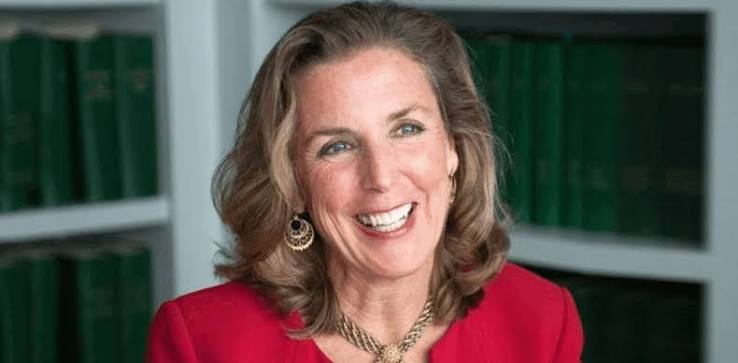

About the Author
By Gustavo Flores-Macias
See full bioRight Arrow Button Icon

Latest in Commentary

Finance
Lorem ipsum dolor sit amet, consectetur adipiscing elit, sed do eiusmod tempor incididunt ut labore et dolore magna aliqua. Ut enim ad minim veniam
By Fortune Editors
October 20, 2025
Finance
Lorem ipsum dolor sit amet, consectetur adipiscing elit, sed do eiusmod tempor incididunt ut labore et dolore magna aliqua. Ut enim ad minim veniam
By Fortune Editors
October 20, 2025
Finance
Lorem ipsum dolor sit amet, consectetur adipiscing elit, sed do eiusmod tempor incididunt ut labore et dolore magna aliqua. Ut enim ad minim veniam
By Fortune Editors
October 20, 2025
Finance
Lorem ipsum dolor sit amet, consectetur adipiscing elit, sed do eiusmod tempor incididunt ut labore et dolore magna aliqua. Ut enim ad minim veniam
By Fortune Editors
October 20, 2025
Finance
Lorem ipsum dolor sit amet, consectetur adipiscing elit, sed do eiusmod tempor incididunt ut labore et dolore magna aliqua. Ut enim ad minim veniam
By Fortune Editors
October 20, 2025
Finance
Lorem ipsum dolor sit amet, consectetur adipiscing elit, sed do eiusmod tempor incididunt ut labore et dolore magna aliqua. Ut enim ad minim veniam
By Fortune Editors
October 20, 2025

Most Popular

Finance
Lorem ipsum dolor sit amet, consectetur adipiscing elit, sed do eiusmod tempor incididunt ut labore et dolore magna aliqua. Ut enim ad minim veniam
By Fortune Editors
October 20, 2025
Finance
Lorem ipsum dolor sit amet, consectetur adipiscing elit, sed do eiusmod tempor incididunt ut labore et dolore magna aliqua. Ut enim ad minim veniam
By Fortune Editors
October 20, 2025
Finance
Lorem ipsum dolor sit amet, consectetur adipiscing elit, sed do eiusmod tempor incididunt ut labore et dolore magna aliqua. Ut enim ad minim veniam
By Fortune Editors
October 20, 2025
Finance
Lorem ipsum dolor sit amet, consectetur adipiscing elit, sed do eiusmod tempor incididunt ut labore et dolore magna aliqua. Ut enim ad minim veniam
By Fortune Editors
October 20, 2025
Finance
Lorem ipsum dolor sit amet, consectetur adipiscing elit, sed do eiusmod tempor incididunt ut labore et dolore magna aliqua. Ut enim ad minim veniam
By Fortune Editors
October 20, 2025
Finance
Lorem ipsum dolor sit amet, consectetur adipiscing elit, sed do eiusmod tempor incididunt ut labore et dolore magna aliqua. Ut enim ad minim veniam
By Fortune Editors
October 20, 2025
Fortune Secondary Logo
Rankings
  • 100 Best Companies
  • Fortune 500
  • Global 500
  • Fortune 500 Europe
  • Most Powerful Women
  • World's Most Admired Companies
  • See All Rankings
  • Lists Calendar
Sections
  • Finance
  • Fortune Crypto
  • Features
  • Leadership
  • Health
  • Commentary
  • Success
  • Retail
  • Mpw
  • Tech
  • Lifestyle
  • CEO Initiative
  • Asia
  • Politics
  • Conferences
  • Europe
  • Newsletters
  • Personal Finance
  • Environment
  • Magazine
  • Education
Customer Support
  • Frequently Asked Questions
  • Customer Service Portal
  • Privacy Policy
  • Terms Of Use
  • Single Issues For Purchase
  • International Print
Commercial Services
  • Advertising
  • Fortune Brand Studio
  • Fortune Analytics
  • Fortune Conferences
  • Business Development
  • Group Subscriptions
About Us
  • About Us
  • Press Center
  • Work At Fortune
  • Terms And Conditions
  • Site Map
  • About Us
  • Press Center
  • Work At Fortune
  • Terms And Conditions
  • Site Map
  • Facebook icon
  • Twitter icon
  • LinkedIn icon
  • Instagram icon
  • Pinterest icon

Latest in Commentary

altman
CommentarySam Altman
Musk vs. Altman: AI safety cannot be one man’s job
By Stavros GadinisMay 18, 2026
6 hours ago
charlie
CommentarySoftware
Anaplan CEO: AI isn’t eating software. It’s sorting it
By Charlie GottdienerMay 18, 2026
16 hours ago
shyam
CommentaryHealth
World Economic Forum: women’s health gets only 20% of R&D funding. We must seize this $1 trillion opportunity
By Shyam BishenMay 18, 2026
24 hours ago
murdochs
CommentaryMedia
OpenAI paid $100 million for a talk show. James Murdoch is eyeing an even bigger deal. The hot new asset class is humanity
By Lin CherryMay 17, 2026
2 days ago
dennis
CommentaryAI agents
Freshworks CEO: why agile enterprises are winning the AI race — and what they did differently
By Dennis WoodsideMay 17, 2026
2 days ago
Mary Moreland-Abbott Executive Vice President of Human Resources.
CommentaryRetirement
Gen X is the most indebted generation in America. Their employers can fix that
By Mary MorelandMay 17, 2026
2 days ago

Most Popular

The Bezos family just donated $100 million to help achieve one of Mayor Zohran Mamdani’s top campaign promises
Politics
The Bezos family just donated $100 million to help achieve one of Mayor Zohran Mamdani’s top campaign promises
By Jake AngeloMay 12, 2026
6 days ago
Microsoft AI chief gives it 18 months—for all white-collar work to be automated by AI
AI
Microsoft AI chief gives it 18 months—for all white-collar work to be automated by AI
By Jake AngeloMay 16, 2026
3 days ago
The top foreign holders of U.S. debt may soon dump Treasury bonds and bring their money back home, potentially spiking borrowing costs
Economy
The top foreign holders of U.S. debt may soon dump Treasury bonds and bring their money back home, potentially spiking borrowing costs
By Jason MaMay 17, 2026
1 day ago
While Trump insisted the Iran war would end ‘soon,’ an account in his name was buying millions in oil, defense and gold
Economy
While Trump insisted the Iran war would end ‘soon,’ an account in his name was buying millions in oil, defense and gold
By Eva RoytburgMay 18, 2026
9 hours ago
EXCLUSIVE: An hour in the Oval Office with the CEO-in-Chief, President Trump
Politics
EXCLUSIVE: An hour in the Oval Office with the CEO-in-Chief, President Trump
By Alyson ShontellMay 18, 2026
21 hours ago
Current price of oil as of May 18, 2026
Personal Finance
Current price of oil as of May 18, 2026
By Joseph HostetlerMay 18, 2026
15 hours ago

© 2026 Fortune Media IP Limited. All Rights Reserved. Use of this site constitutes acceptance of our Terms of Use and Privacy Policy | CA Notice at Collection and Privacy Notice | Do Not Sell/Share My Personal Information
FORTUNE is a trademark of Fortune Media IP Limited, registered in the U.S. and other countries. FORTUNE may receive compensation for some links to products and services on this website. Offers may be subject to change without notice.