• Home
  • Latest
  • Fortune 500
  • Finance
  • Tech
  • Leadership
  • Lifestyle
  • Rankings
  • Multimedia

Trendingnow

1

Egg companies made $1.22 billion in profit off a $6 carton — now they’re buying their way out of a price-fixing case with 53 million donated eggs

2

Meet the Zillennials: The luckiest micro-generation in the workforce, born between 1993 and 1998

3

As Big Tech showers employees with perks to win the talent war, Nvidia built a nearly $5 trillion company by making people pay for their own lunch

1

Egg companies made $1.22 billion in profit off a $6 carton — now they’re buying their way out of a price-fixing case with 53 million donated eggs

2

Meet the Zillennials: The luckiest micro-generation in the workforce, born between 1993 and 1998

3

As Big Tech showers employees with perks to win the talent war, Nvidia built a nearly $5 trillion company by making people pay for their own lunch
CommentarySoftware

I argued with the father of open source for 2 years. Now the AI fight is the same — only bigger

By
David Siegel
David Siegel
Down Arrow Button Icon
By
David Siegel
David Siegel
Down Arrow Button Icon
July 3, 2026, 8:30 AM ET
ds
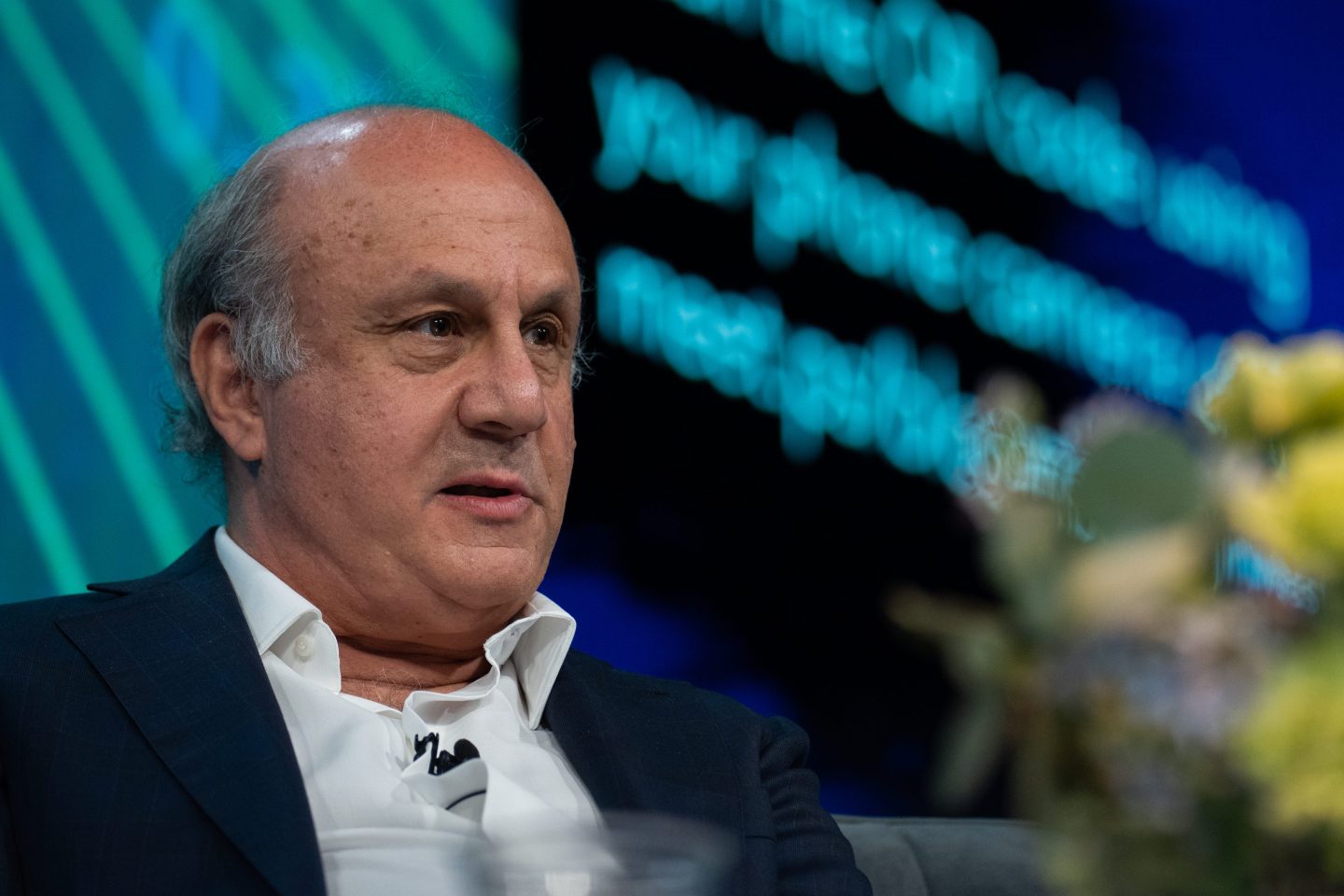
David Siegel, co-founder and co-chairman of Two Sigma, speaks during the Bloomberg Invest event in New York, US, on Wednesday, June 7, 2023. Jeenah Moon/Bloomberg via Getty Images
Add Fortune on Google for similar content.

In the 1980s, I had the chance to spend several years arguing about free and open software, what we now call open source, with the founder of the movement, Richard Stallman. My office at the MIT AI Lab was next door to his. Stallman’s position was that the source code to software should be free for everyone to use, learn from, and improve. Software encapsulates knowledge, he argued, and no one should lock something so fundamental away. To hide software inside a company was to hide knowledge itself.

Recommended Video

At first I took the conventional view of the time. Software would only advance, I insisted, if companies kept proprietary control over their code. We agreed on the bigger picture—that computers would become a central accelerator of human progress—but disagreed sharply on how to get there. What I missed was that software was not just a commercial asset; it was a body of knowledge, and bodies of knowledge grow stronger when they are shared. After about two years of on-and-off debate, Stallman convinced me I was wrong.

Over the following years, Stallman turned that conviction into a movement. He argued that people should be able to study the software they used, change it, improve it, and share it with others. That became the free software movement, and it later helped form the foundation for what the world now calls open source.

He wrote GCC, the translation program that to this day takes the world’s code and turns it into the machine language computers actually run. Its success came not only from Stallman’s own work but from the thousands who contributed to it. The same spirit produced GNU/Linux, the operating system that now powers most of the internet. The modern world runs on open source, powered by the principles of open development.

Plenty of arguments were made at the time for why all of this was a terrible idea. At the top of the list was security: to keep computers safe, the thinking went, you had to hide their software. There is a certain logic to “security through obscurity,” but the counterargument turned out to be stronger: transparency lets a worldwide community of developers find and fix problems, while obscurity only hopes no one looks hard. Openness won that argument decisively.  

This openness also accelerated the tech industry in a less obvious way. A vibrant open source community spread the knowledge of how to build, serving as the definitive textbook from which a generation of engineers learned. Conversely, a locked-down system teaches almost no one. How can we train the next generation of innovators if every state-of-the-art system is hidden from view?

The decades since have produced an extraordinary run of technological progress, powered by a delicate ecosystem—private companies, universities and tens of thousands of volunteers all contributing to a shared base of open software. Some of the world’s most successful companies are built on it, earning their profits on services layered atop an open core. Proprietary software has its place. My point is narrower and harder to dispute: open source has been load-bearing, and we should be careful before we let it erode.

Because that is what is now happening. AI is software, and AI is increasingly closed. The frontier models—the most advanced, cutting-edge AI systems— are closed completely and the trend is accelerating. Viable open alternatives are few and far between. And this is happening while the science is still young: today’s models are remarkable but unfinished, and the methods behind them are far from settled. Closing the field down now, with the deepest breakthroughs still ahead, is exactly when shared knowledge matters most.

This matters far beyond the software industry. Stallman’s instincts were shaped by university science, where research is published openly for the world to build on. The advancement of society depends on exactly that kind of sharing. If most future science comes to rely on AI, then locking AI inside a few companies risks locking down much of scientific progress along with it.

Think about what a library is: a commons where anyone can walk in and draw on the whole inheritance of human knowledge, free of charge. We would find it intolerable if a few companies bought up every library, decided which books we were allowed to read, and quietly rewrote the ones we could. Yet AI is fast becoming the library of the future—and a closed, controlled AI is exactly that: a library you may enter only on the owner’s terms.

There is a deeper problem hiding inside that one. When a handful of companies decide what a model can and cannot do, or quietly shape how it reaches its answers, then anyone who depends on it can no longer fully understand the results it produces. The same trap awaits the doctor leaning on a model for a diagnosis, the engineer trusting it with a design, the judge consulting it on a decision, and the ordinary person asking it what to believe.

One might object that this hardly matters, since the model can simply explain itself. But an explanation is not an audit. A model’s stated reasons are a plausible story assembled after the fact, not a faithful record of the computation that produced the answer. Ask it the same question next year and you may get a different answer, with no way to know whether the world changed or the vendor did. Whoever depends on such a system isn’t reasoning from a tool they comprehend; they are trusting an oracle they are not allowed to examine.

A standard objection is that AI is simply too dangerous to leave in the open. It’s an argument worth taking seriously, because it isn’t entirely crazy—it deserved a real answer. Critics argue that releasing the underlying AI is not like publishing a research paper: a paper describes a capability, while the software itself is the capability. That asymmetry is real.

But the conclusion doesn’t follow. We could say the same of science itself—who knows what a published result might enable in the wrong hands?—yet we don’t respond by classifying physics. We monitor, we set rules, and we keep the foundation open. Closed models are not safe by virtue of being closed; they leak, they get jailbroken, and their concentration creates its own danger—a few firms deciding what the rest of us are permitted to build. The honest question is not whether open models carry risk but whether they add meaningful risk beyond what is already available.

A key distinction is worth making carefully. There are two kinds of code behind any model: the code that runs it, and the code that built it. Being able to run a model is genuinely useful. But for almost everything I have argued here, what matters most is being able to see how it was built: the code that made it and the data it learned from. That transparency is vanishing fastest.

The models celebrated as open today — from China’s leading labs and some American companies — do release the code to run them. What they hold back is the code that built them and the data their models learned from. So what you really get is a vast pile of numbers that somehow produces intelligence, with little account of how it came to be: magic numbers you can run but cannot explain. And even this much is a courtesy, not a commitment: the companies releasing these models make no promise to keep doing so for their most capable systems tomorrow.

Even this much is a courtesy, not a commitment. An openness that can be switched off at will is not a foundation; it is a favor. We should want both the open models themselves, so anyone can use and build on these systems, and the open source, so anyone can see how they were made.

None of this is an argument against the companies building AI. I’m glad they exist. They simply should not be the only option. Private AI in America needs no defending while open source AI has no such champion and is the easiest thing to forget.

The path forward is not complicated, though it isn’t free. Yes, frontier models keep getting bigger and more expensive — that arms race may well stay with the giants. But open source AI does not have to match their scale to be useful. Much of what the world needs probably does not require the absolute frontier. And where keeping a credible open option does demand serious compute, that is precisely the kind of public good worth paying for. What’s missing is not a path but will. The government, the private sector, and nonprofits should invest heavily in free and open source AI —the way they once invested in open software: public compute grants for open research, corporate and philanthropic support for universities and nonprofits doing the work, and a simple rule that AI built with public money is open by default. We have run this experiment before. We know how it turns out. Let’s not unlearn it.

The opinions expressed in Fortune.com commentary pieces are solely the views of their authors and do not necessarily reflect the opinions and beliefs of Fortune.

About the Author
By David Siegel
See full bioRight Arrow Button Icon
Add Fortune on Google for similar content.

Latest in Commentary

Finance
Lorem ipsum dolor sit amet, consectetur adipiscing elit, sed do eiusmod tempor incididunt ut labore et dolore magna aliqua. Ut enim ad minim veniam
By Fortune Editors
October 20, 2025
Finance
Lorem ipsum dolor sit amet, consectetur adipiscing elit, sed do eiusmod tempor incididunt ut labore et dolore magna aliqua. Ut enim ad minim veniam
By Fortune Editors
October 20, 2025
Finance
Lorem ipsum dolor sit amet, consectetur adipiscing elit, sed do eiusmod tempor incididunt ut labore et dolore magna aliqua. Ut enim ad minim veniam
By Fortune Editors
October 20, 2025
Finance
Lorem ipsum dolor sit amet, consectetur adipiscing elit, sed do eiusmod tempor incididunt ut labore et dolore magna aliqua. Ut enim ad minim veniam
By Fortune Editors
October 20, 2025
Finance
Lorem ipsum dolor sit amet, consectetur adipiscing elit, sed do eiusmod tempor incididunt ut labore et dolore magna aliqua. Ut enim ad minim veniam
By Fortune Editors
October 20, 2025
Finance
Lorem ipsum dolor sit amet, consectetur adipiscing elit, sed do eiusmod tempor incididunt ut labore et dolore magna aliqua. Ut enim ad minim veniam
By Fortune Editors
October 20, 2025

Most Popular

Finance
Lorem ipsum dolor sit amet, consectetur adipiscing elit, sed do eiusmod tempor incididunt ut labore et dolore magna aliqua. Ut enim ad minim veniam
By Fortune Editors
October 20, 2025
Finance
Lorem ipsum dolor sit amet, consectetur adipiscing elit, sed do eiusmod tempor incididunt ut labore et dolore magna aliqua. Ut enim ad minim veniam
By Fortune Editors
October 20, 2025
Finance
Lorem ipsum dolor sit amet, consectetur adipiscing elit, sed do eiusmod tempor incididunt ut labore et dolore magna aliqua. Ut enim ad minim veniam
By Fortune Editors
October 20, 2025
Finance
Lorem ipsum dolor sit amet, consectetur adipiscing elit, sed do eiusmod tempor incididunt ut labore et dolore magna aliqua. Ut enim ad minim veniam
By Fortune Editors
October 20, 2025
Finance
Lorem ipsum dolor sit amet, consectetur adipiscing elit, sed do eiusmod tempor incididunt ut labore et dolore magna aliqua. Ut enim ad minim veniam
By Fortune Editors
October 20, 2025
Finance
Lorem ipsum dolor sit amet, consectetur adipiscing elit, sed do eiusmod tempor incididunt ut labore et dolore magna aliqua. Ut enim ad minim veniam
By Fortune Editors
October 20, 2025
Fortune Secondary Logo
Rankings
  • 100 Best Companies
  • Fortune 500
  • Global 500
  • Fortune 500 Europe
  • Most Powerful Women
  • World's Most Admired Companies
  • See All Rankings
  • Lists Calendar
Sections
  • Finance
  • Fortune Crypto
  • Features
  • Leadership
  • Health
  • Commentary
  • Success
  • Retail
  • Mpw
  • Tech
  • Lifestyle
  • CEO Initiative
  • Asia
  • Politics
  • Conferences
  • Europe
  • Newsletters
  • Personal Finance
  • Environment
  • Magazine
  • Education
Customer Support
  • Frequently Asked Questions
  • Customer Service Portal
  • Privacy Policy
  • Terms Of Use
  • Single Issues For Purchase
  • International Print
Commercial Services
  • Advertising
  • Fortune Brand Studio
  • Fortune Analytics
  • Fortune Conferences
  • Business Development
  • Group Subscriptions
About Us
  • About Us
  • Press Center
  • Work At Fortune
  • Terms And Conditions
  • Site Map
  • About Us
  • Press Center
  • Work At Fortune
  • Terms And Conditions
  • Site Map
  • Facebook icon
  • Twitter icon
  • LinkedIn icon
  • Instagram icon
  • Pinterest icon

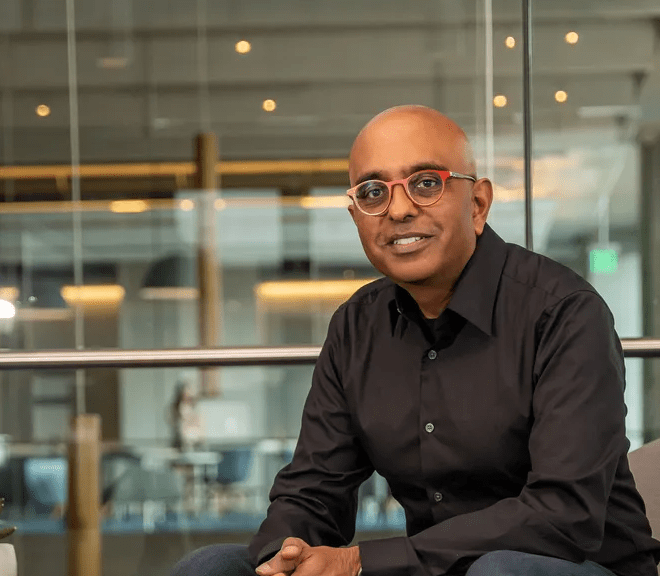
David Siegel is a computer scientist, entrepreneur, and philanthropist. He co-founded Two Sigma, a financial sciences company, with the belief that innovative technology and data science could help discover value in the world’s data.
David’s philanthropic efforts underscore his conviction that education, science, and technology are the keys to a better world. In keeping with this vision, he founded Siegel Family Endowment in 2011 to support organizations and leaders that will understand and shape the impact of technology on society.

He is a member of the Executive Committee of the MIT Corporation and is Chairman of the Board of Overseers at Cornell Tech. David also serves as Vice-Chair of the Scratch Foundation, an organization he co-founded in 2014 to support Scratch, a programming language and online community for children. In addition, he is a board member of NYC FIRST, FIRST National, Khan Academy, and Stanford’s Center on Philanthropy and Civil Society.


Latest in Commentary

ds
CommentarySoftware
I argued with the father of open source for 2 years. Now the AI fight is the same — only bigger
By David SiegelJuly 3, 2026
1 hour ago
ashok
Commentary250 Years of Innovation
The greatest startup in history: What we can learn from America’s founders at today’s AI frontier
By Ashok N. SrivastavaJuly 3, 2026
1 hour ago
2
Commentary250 Years of Innovation
America’s secret weapon isn’t just innovation — It’s the freedom to fail
By Keith KrachJuly 3, 2026
3 hours ago
rn
CommentaryCryptocurrency
Former Iran director at NSC: Crypto legislation is a ticket to sanctions evasion
By Richard NephewJuly 2, 2026
23 hours ago
m
Commentary250 Years of Innovation
McKinsey chairs: Building a more resilient industrial base may require $2 trillion in investment
By Eric Kutcher and Shubham SinghalJuly 2, 2026
23 hours ago
em
Commentary250 Years of Innovation
America’s 250th birthday has Elon Musk and a record IPO. Its 15th had Alexander Hamilton — and a stock market bubble
By Owen LamontJuly 2, 2026
1 day ago

Most Popular

Egg companies made $1.22 billion in profit off a $6 carton — now they’re buying their way out of a price-fixing case with 53 million donated eggs
Law
Egg companies made $1.22 billion in profit off a $6 carton — now they’re buying their way out of a price-fixing case with 53 million donated eggs
By Wyatte Grantham-Philips and The Associated PressJuly 2, 2026
19 hours ago
Meet the Zillennials: The luckiest micro-generation in the workforce, born between 1993 and 1998
AI
Meet the Zillennials: The luckiest micro-generation in the workforce, born between 1993 and 1998
By Nick LichtenbergJuly 3, 2026
7 hours ago
As Big Tech showers employees with perks to win the talent war, Nvidia built a nearly $5 trillion company by making people pay for their own lunch
Big Tech
As Big Tech showers employees with perks to win the talent war, Nvidia built a nearly $5 trillion company by making people pay for their own lunch
By Marco Quiroz-GutierrezJuly 1, 2026
2 days ago
Economists have found an answer to slowing cognitive decline: Avoid retiring early, study finds
Economy
Economists have found an answer to slowing cognitive decline: Avoid retiring early, study finds
By Sasha RogelbergJuly 2, 2026
21 hours ago
Mark Zuckerberg feeds his cows macadamia nuts and beer to create the 'highest-quality beef in the world' on his $300 million estate in Hawaii
Success
Mark Zuckerberg feeds his cows macadamia nuts and beer to create the 'highest-quality beef in the world' on his $300 million estate in Hawaii
By Sasha RogelbergJuly 2, 2026
21 hours ago
Current price of oil as of July 2, 2026
Personal Finance
Current price of oil as of July 2, 2026
By Joseph HostetlerJuly 2, 2026
24 hours ago

© 2026 Fortune Media IP Limited. All Rights Reserved. Use of this site constitutes acceptance of our Terms of Use and Privacy Policy | CA Notice at Collection and Privacy Notice | Do Not Sell/Share My Personal Information
FORTUNE is a trademark of Fortune Media IP Limited, registered in the U.S. and other countries. FORTUNE may receive compensation for some links to products and services on this website. Offers may be subject to change without notice.