• Home
  • Latest
  • Fortune 500
  • Finance
  • Tech
  • Leadership
  • Lifestyle
  • Rankings
  • Multimedia

Trendingnow

1

Egg companies made $1.22 billion in profit off a $6 carton — now they’re buying their way out of a price-fixing case with 53 million donated eggs

2

Meet the Zillennials: The luckiest micro-generation in the workforce, born between 1993 and 1998

3

Economists have found an answer to slowing cognitive decline: Avoid retiring early, study finds

1

Egg companies made $1.22 billion in profit off a $6 carton — now they’re buying their way out of a price-fixing case with 53 million donated eggs

2

Meet the Zillennials: The luckiest micro-generation in the workforce, born between 1993 and 1998

3

Economists have found an answer to slowing cognitive decline: Avoid retiring early, study finds
CommentaryHealth

The pandemic gave digital health companies a historic opportunity to rebuild health care. We can’t afford to squander it

By
Yonatan Adiri
Yonatan Adiri
Down Arrow Button Icon
By
Yonatan Adiri
Yonatan Adiri
Down Arrow Button Icon
December 12, 2022, 1:20 PM ET
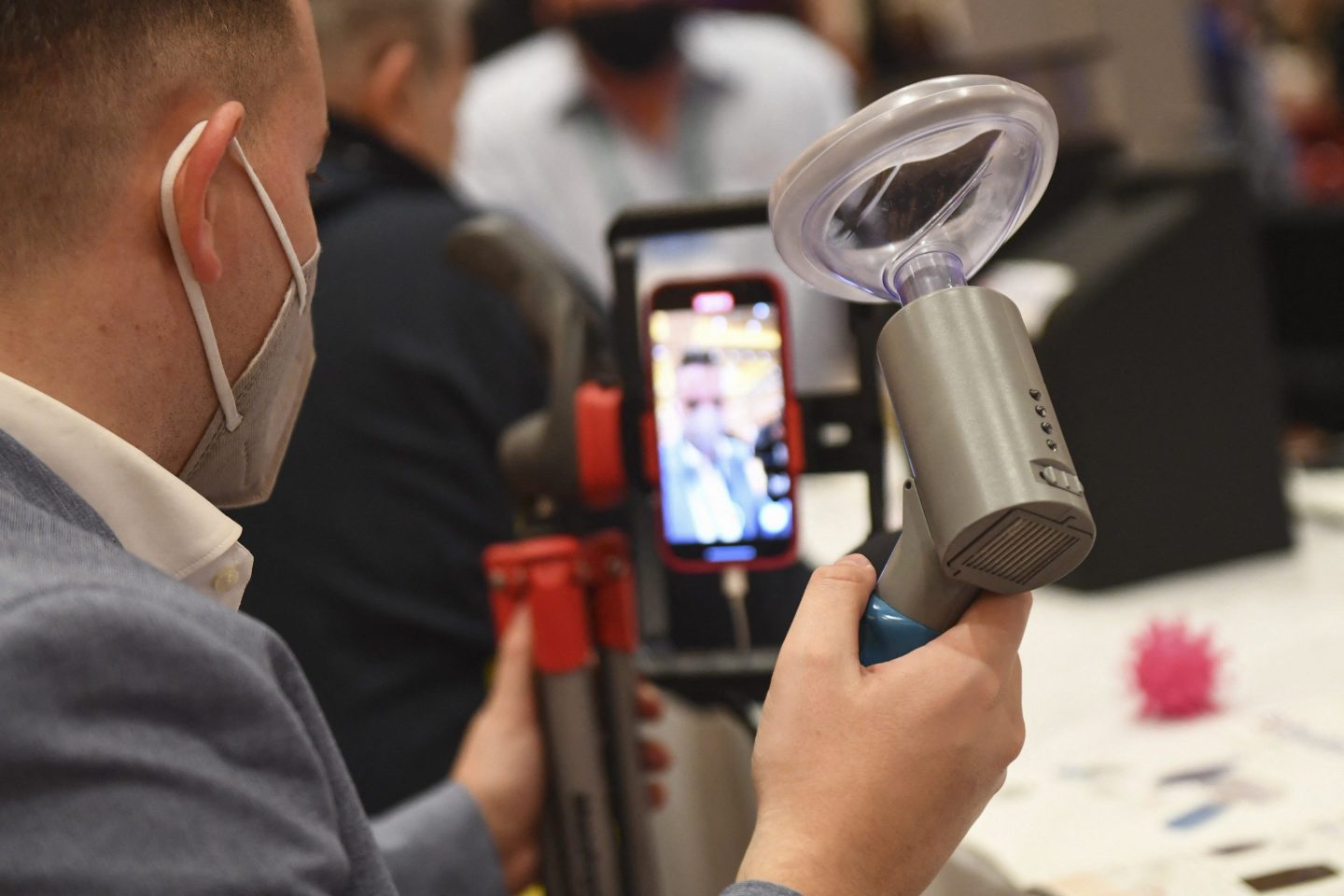
A trade show attendee with a handheld Covid-19 detection breath analyzer in Las Vegas
Health-tech investments peaked in the wake of the pandemic and subsequently dropped in 2022.PATRICK T. FALLON - AFP - Getty Images
Add Fortune on Google for similar content.

Amid the horror of a global pandemic, it happened: Digital health exploded. The urgency of the COVID crisis provided a once-in-a-century opportunity to jump-start innovation in preventive care. However, if we are not careful, this opportunity will slip through our hands.

Policymakers enabled access to telehealth and advanced the incorporation of artificial intelligence (A.I.) in medical devices. Governments spent billions to make home COVID testing accessible. The U.S. alone dedicated $47.8 billion to implement a national at-home COVID testing strategy, including improvements in data sharing and diagnostics—roughly $143 per person. Health administrators rose to the occasion and introduced cost-saving digital improvements that accelerated home care and improved the detection of chronic diseases, the leading drivers of death and costs in the U.S.

It was a rare “Marshall Plan moment” to rebuild health care in a more affordable, efficient, and humane way. Yet our industry risks squandering this opportunity if we don’t change our discourse and stop overselling what our technology can do. Tech entrepreneurs, who claim that the post-COVID era is the time to be “disrupters” by blowing up the system as we know it and replacing it with something entirely different, are doing a great disservice to health care.

Adopting the Silicon Valley culture of “move fast and break things” in health care will have a cost we cannot bear. It will impact patients’ health and safety, risk hospitals’ resilience, and compromise the regulators’ trust.

The sentencing of Elizabeth Holmes to 11 years in prison is a grim reminder of the devastating consequences the “disruption” hype can have for health care.

We can’t afford to go back. Nearly one in four Americans skip medical care because of the cost. Health expenditure accounts for 20% of the U.S. GDP and is expected to keep growing. Persistent inflation will only aggravate the problem. The current situation is unsustainable.

Paradoxically, the very promises of the digital health boom are now undermining its future. Many publicly traded companies, which were recently valued in the billions, are now trading for cents on the dollar. They overpromised and underdelivered, wasted billions that were earmarked to improve patient care, and jeopardized the already fragile trust of regulators and investors.

Media hype compounded the problem as journalists trumpeted the fairy tale of health-tech unicorns and private companies with “game-changing” products to transform the health care system as we know it.

We have been here before. Some might remember the early predictions that A.I. would replace doctors. In 2014, IBM announced that its Watson system would revolutionize cancer care. Under the hood, its A.I. had trouble even distinguishing between different forms of cancer. In 2016, A.I. pioneer Geoffrey Hinton proclaimed that radiologists would be obsolete in a few years. In both cases, the work is still preliminary, and experts say it will be years before such solutions come to pass.

If exaggeration is bad for trust, outright deception is fatal. At the height of the Theranos hype in 2014, Elizabeth Holmes falsely claimed that her company, valued at $10 billion, could run hundreds of tests on a single drop of blood. At the time, investors urged me to make my own startup “more like Theranos.” Just two years later, they asked me to prove we were nothing like Theranos!

The damage caused to the industry was immeasurable. Shocked and disappointed, venture capital firms opted for “safer” sectors. Regulators halted approvals. Years of investment were lost over one Stanford graduate’s crimes.

In the wake of COVID, massive government investments and new regulation initiatives made 2021 a record-breaking year for digital health, with private financial rounds reaching nearly $30 billion in the U.S. alone. However, 2022 saw a precipitous drop in funding and valuations. Blaming the economic downturn is not a sufficient explanation when, in fact, digital health suffered more than other tech sectors.

When done right and built around clinical-grade innovation and alongside medical protocols of verification, digital health is deflationary and can be more resilient to market trends. The next crop of companies must be built to last. To do that, we must cultivate an honest conversation about what innovation can and cannot achieve. Otherwise, we’ll wake up five years from now to hundreds of billions spent with no real value or clinical impact to show for it.

Instead of talking about disruption, we need to talk about collaboration. Instead of promising a panacea, we need to produce innovation that supports sustainable, systemic progress, especially on mass-population health problems. Above all, we must listen: Let the expertise of physicians and health administrators and the needs of patients drive our decision-making instead of getting ahead of ourselves.

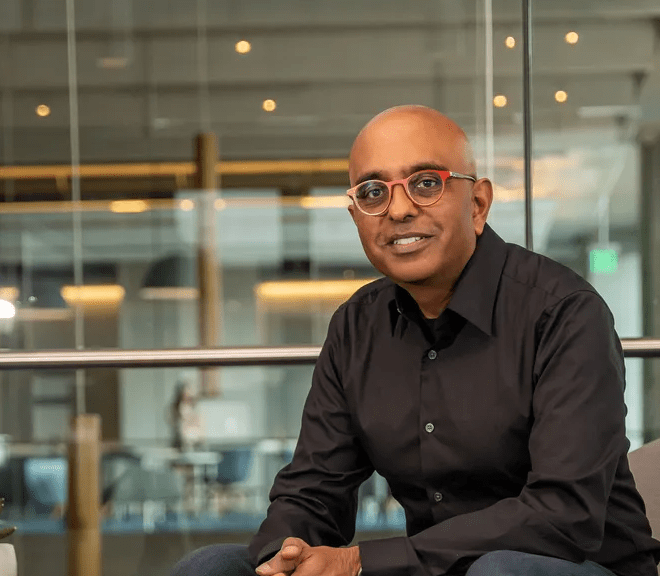
Yonatan Adiri is the founder and CEO of Healthy.io. In July, the company received clearance from the FDA for its smartphone-powered at-home kidney test.

The opinions expressed in Fortune.com commentary pieces are solely the views of their authors and do not necessarily reflect the opinions and beliefs of Fortune.

More must-read commentary published by Fortune:

  • Elon Musk knows what he’s doing. Here’s the real value he sees in Twitter
  • Americans think wages should rise to match inflation–and they’re right. It’s time to dispel the wage-price spiral myth
  • Will the U.S. and Europe slide into recession in 2023? Here’s how to look out when economic outlooks don’t
  • Biden crowned world energy czar as diplomacy triumphs over Putin’s tantrums

Our new weekly Impact Report newsletter examines how ESG news and trends are shaping the roles and responsibilities of today's executives. Subscribe here.
About the Author
By Yonatan Adiri
See full bioRight Arrow Button Icon
Add Fortune on Google for similar content.

Latest in Commentary

Finance
Lorem ipsum dolor sit amet, consectetur adipiscing elit, sed do eiusmod tempor incididunt ut labore et dolore magna aliqua. Ut enim ad minim veniam
By Fortune Editors
October 20, 2025
Finance
Lorem ipsum dolor sit amet, consectetur adipiscing elit, sed do eiusmod tempor incididunt ut labore et dolore magna aliqua. Ut enim ad minim veniam
By Fortune Editors
October 20, 2025
Finance
Lorem ipsum dolor sit amet, consectetur adipiscing elit, sed do eiusmod tempor incididunt ut labore et dolore magna aliqua. Ut enim ad minim veniam
By Fortune Editors
October 20, 2025
Finance
Lorem ipsum dolor sit amet, consectetur adipiscing elit, sed do eiusmod tempor incididunt ut labore et dolore magna aliqua. Ut enim ad minim veniam
By Fortune Editors
October 20, 2025
Finance
Lorem ipsum dolor sit amet, consectetur adipiscing elit, sed do eiusmod tempor incididunt ut labore et dolore magna aliqua. Ut enim ad minim veniam
By Fortune Editors
October 20, 2025
Finance
Lorem ipsum dolor sit amet, consectetur adipiscing elit, sed do eiusmod tempor incididunt ut labore et dolore magna aliqua. Ut enim ad minim veniam
By Fortune Editors
October 20, 2025

Most Popular

Finance
Lorem ipsum dolor sit amet, consectetur adipiscing elit, sed do eiusmod tempor incididunt ut labore et dolore magna aliqua. Ut enim ad minim veniam
By Fortune Editors
October 20, 2025
Finance
Lorem ipsum dolor sit amet, consectetur adipiscing elit, sed do eiusmod tempor incididunt ut labore et dolore magna aliqua. Ut enim ad minim veniam
By Fortune Editors
October 20, 2025
Finance
Lorem ipsum dolor sit amet, consectetur adipiscing elit, sed do eiusmod tempor incididunt ut labore et dolore magna aliqua. Ut enim ad minim veniam
By Fortune Editors
October 20, 2025
Finance
Lorem ipsum dolor sit amet, consectetur adipiscing elit, sed do eiusmod tempor incididunt ut labore et dolore magna aliqua. Ut enim ad minim veniam
By Fortune Editors
October 20, 2025
Finance
Lorem ipsum dolor sit amet, consectetur adipiscing elit, sed do eiusmod tempor incididunt ut labore et dolore magna aliqua. Ut enim ad minim veniam
By Fortune Editors
October 20, 2025
Finance
Lorem ipsum dolor sit amet, consectetur adipiscing elit, sed do eiusmod tempor incididunt ut labore et dolore magna aliqua. Ut enim ad minim veniam
By Fortune Editors
October 20, 2025
Fortune Secondary Logo
Rankings
  • 100 Best Companies
  • Fortune 500
  • Global 500
  • Fortune 500 Europe
  • Most Powerful Women
  • World's Most Admired Companies
  • See All Rankings
  • Lists Calendar
Sections
  • Finance
  • Fortune Crypto
  • Features
  • Leadership
  • Health
  • Commentary
  • Success
  • Retail
  • Mpw
  • Tech
  • Lifestyle
  • CEO Initiative
  • Asia
  • Politics
  • Conferences
  • Europe
  • Newsletters
  • Personal Finance
  • Environment
  • Magazine
  • Education
Customer Support
  • Frequently Asked Questions
  • Customer Service Portal
  • Privacy Policy
  • Terms Of Use
  • Single Issues For Purchase
  • International Print
Commercial Services
  • Advertising
  • Fortune Brand Studio
  • Fortune Analytics
  • Fortune Conferences
  • Business Development
  • Group Subscriptions
About Us
  • About Us
  • Press Center
  • Work At Fortune
  • Terms And Conditions
  • Site Map
  • About Us
  • Press Center
  • Work At Fortune
  • Terms And Conditions
  • Site Map
  • Facebook icon
  • Twitter icon
  • LinkedIn icon
  • Instagram icon
  • Pinterest icon

Latest in Commentary

ds
CommentarySoftware
I argued with the father of open source for 2 years. Now the AI fight is the same — only bigger
By David SiegelJuly 3, 2026
12 hours ago
ashok
Commentary250 Years of Innovation
The greatest startup in history: What we can learn from America’s founders at today’s AI frontier
By Ashok N. SrivastavaJuly 3, 2026
12 hours ago
2
Commentary250 Years of Innovation
America’s secret weapon isn’t just innovation — It’s the freedom to fail
By Keith KrachJuly 3, 2026
14 hours ago
rn
CommentaryCryptocurrency
Former Iran director at NSC: Crypto legislation is a ticket to sanctions evasion
By Richard NephewJuly 2, 2026
1 day ago
m
Commentary250 Years of Innovation
McKinsey chairs: Building a more resilient industrial base may require $2 trillion in investment
By Eric Kutcher and Shubham SinghalJuly 2, 2026
1 day ago
em
Commentary250 Years of Innovation
America’s 250th birthday has Elon Musk and a record IPO. Its 15th had Alexander Hamilton — and a stock market bubble
By Owen LamontJuly 2, 2026
2 days ago

Most Popular

Egg companies made $1.22 billion in profit off a $6 carton — now they’re buying their way out of a price-fixing case with 53 million donated eggs
Law
Egg companies made $1.22 billion in profit off a $6 carton — now they’re buying their way out of a price-fixing case with 53 million donated eggs
By Wyatte Grantham-Philips and The Associated PressJuly 2, 2026
1 day ago
Meet the Zillennials: The luckiest micro-generation in the workforce, born between 1993 and 1998
AI
Meet the Zillennials: The luckiest micro-generation in the workforce, born between 1993 and 1998
By Nick LichtenbergJuly 3, 2026
17 hours ago
Economists have found an answer to slowing cognitive decline: Avoid retiring early, study finds
Economy
Economists have found an answer to slowing cognitive decline: Avoid retiring early, study finds
By Sasha RogelbergJuly 2, 2026
1 day ago
On Wall Street, analysts increasingly don’t believe the U.S. government’s 'misleading' job numbers
Economy
On Wall Street, analysts increasingly don’t believe the U.S. government’s 'misleading' job numbers
By Jim EdwardsJuly 3, 2026
13 hours ago
Mark Zuckerberg feeds his cows macadamia nuts and beer to create the 'highest-quality beef in the world' on his $300 million estate in Hawaii
Success
Mark Zuckerberg feeds his cows macadamia nuts and beer to create the 'highest-quality beef in the world' on his $300 million estate in Hawaii
By Sasha RogelbergJuly 2, 2026
1 day ago
Current price of oil as of July 2, 2026
Personal Finance
Current price of oil as of July 2, 2026
By Joseph HostetlerJuly 2, 2026
1 day ago

© 2026 Fortune Media IP Limited. All Rights Reserved. Use of this site constitutes acceptance of our Terms of Use and Privacy Policy | CA Notice at Collection and Privacy Notice | Do Not Sell/Share My Personal Information
FORTUNE is a trademark of Fortune Media IP Limited, registered in the U.S. and other countries. FORTUNE may receive compensation for some links to products and services on this website. Offers may be subject to change without notice.