• Home
  • Latest
  • Fortune 500
  • Finance
  • Tech
  • Leadership
  • Lifestyle
  • Rankings
  • Multimedia

Trendingnow

1

MacKenzie Scott alone accounted for one-third of America's $19.2 billion in megagifts last year

2

Philanthropy leader at Warren Buffett and Bill Gates’ Giving Pledge says children of billionaires are pushing them to give their wealth away faster

3

Elon Musk on MacKenzie Scott giving away $26 billion of her fortune: 'Sadly,' it makes the world a worse place

1

MacKenzie Scott alone accounted for one-third of America's $19.2 billion in megagifts last year

2

Philanthropy leader at Warren Buffett and Bill Gates’ Giving Pledge says children of billionaires are pushing them to give their wealth away faster

3

Elon Musk on MacKenzie Scott giving away $26 billion of her fortune: 'Sadly,' it makes the world a worse place
LawColleges and Universities

How Jeffrey Epstein exploited colleges’ ‘tremendous drive to acquire money’

By
Brian Herman
Brian Herman
and
The Conversation
The Conversation
Down Arrow Button Icon
By
Brian Herman
Brian Herman
and
The Conversation
The Conversation
Down Arrow Button Icon
February 20, 2026, 2:20 PM ET
epstein
This photograph taken in Le-Perreux-sur-Marne, outside Paris on February 9, 2026 shows undated pictures provided by the US Department of Justice on January 30, 2026 as part of the Jeffrey Epstein files. US authorities on January 30, 2026, released the latest cache of files related to the investigation into the late conviceted sex offender Jeffrey Epstein. The files contained references to numerous high-profile figures. Martin BUREAU / AFP via Getty Images
Add Fortune on Google for similar content.

Yale University, Columbia University and the University of California, Los Angeles are among the schools that have recently placed professors on leave, seen faculty resign or made other changes over faculty members’ ties to Jeffrey Epstein.

Recommended Video

The University of Arizona, for example, canceled a science conference scheduled for April 2026, following the news that several speakers and organizers were named in the Epstein files. Astrobiologist Stuart Hameroff, for example, wrote on the social platform X on Feb. 6, 2026, that he “obtained one-time funding” for a conference from Epstein.

Bard College’s president, Leon Botstein, is among other academic leaders and researchers who have said that they met with Epstein for fundraising purposes – though, as The New York Times reports, Epstein rarely delivered on the money he promised for research and other purposes.

“There is a tremendous drive to acquire money to support the work of faculty and staff. The pressure has always been there – but you can still approach that in an ethically and morally acceptable way,” said Brian Herman, a former vice president for research at the University of Minnesota, in an interview that has been edited for length and clarity.

Amy Lieberman, the education editor at The Conversation U.S., spoke with Herman to understand how philanthropy for colleges and universities works, and what standards and safeguards are in place to help ensure that this money is given in an ethical manner.

How is research at universities typically funded?

Funding to support university research comes from a variety of different sources.

Most university research funding – approximately 53%-55% of that support – comes from the federal government, like the National Institutes of Health and the National Science Foundation.

About 8% of total funding comes from a number of private foundations and nonprofits, like the American Cancer Society.

Universities can also request that state and federal legislators allocate funding in their yearly appropriations bills for research. This involves negotiations between universities and their state and federal legislators. State and local agencies provide about 5% of total university research funding.

Universities themselves fund between 25%-26% of research, and businesses give 6%.

Other sources of funding, including individual donors, account for about 3% of the money that funds university research.

These individuals might be alumni of the university, have another kind of connection to the school or are personally interested in a specific area of expertise of the university. Or, they could be grateful patients who had medical issues solved by the university’s medical school.

How do universities connect with private donors?

Universities typically have fundraising offices that oversee relationships with donors.

Donor and university partnerships involve significant negotiations about how the money will be invested. Universities typically will work with faculty members with expertise in the area of research a donor wants to support and put together a research proposal. The prospective donor then reviews the plan and decides whether they want to support the research.

After universities receive and invest a donation, they give donors a progress report on the investment.

Private donors give money to the university, and not to an individual faculty member. This allows proper accounting and controls on how the money is used, to make sure they support the intended research and adhere to university policies.

How do universities screen donors for conflicts of interest, for example?

All universities have compliance offices that set up a compendium of policies that guide how they accept private funding.

The schools try to make sure there is no financial conflict of interest for the donor, researcher or institution – or a conflict of interest between people performing the research and those providing the funding.

There is practically always a need to strike a balance between managing potential conflicts appropriately and being able to obtain the resources necessary for a university to conduct its work.

Do universities typically screen for donors who have committed a crime?

Most universities screen potential donors.

The larger the dollar amount in question, the more substantive the screening is. Many universities have policies on this issue. It is likely that universities will strengthen these policies based on recent events related to the Epstein case. They will want to become more stringent with screening to make sure that their donors are not morally compromised.

For example, universities can conduct background checks on potential donors.

But if the donation is small, it is possible that a university would not conduct a background check. So, a faculty member could seek $5,000 for a conference and approach a donor individually and not involve the rest of the university in the donation.

How could the Epstein case influence how universities screen donors?

I expect that universities will enact more policies and procedures that guard against a situation like what we are seeing in the Epstein files. Universities may require more substantive checks on all donations independent of size and source. They are also likely to carry out more training of faculty, staff and administrators on how to secure individual donor support.

If universities have not already done so, I think they should instruct faculty members not to directly contact a donor or legislator on behalf of the university. They should also increase the penalties for university employees who do not comply with this policy.

In some cases, researchers may have an idea that is not aligned strategically with how the university is raising philanthropic funds. They may go looking for their own money. This doesn’t happen a lot, but it does happen, and universities will have to become more vigilant about these types of situations.

In reality, money is necessary to do most everything at universities, including paying faculty and staff, purchasing research supplies and even keeping the lights on in the research labs. Money is also a metric that is used as a measure of success and the ranking of a university – meaning, getting more money can lead to a higher ranking.

University leaders are facing natural pressure to raise money. There is a tremendous drive to acquire money to support the work of faculty and staff. This can create significant pressure to acquire funding – but this must always be done in an ethically and morally appropriate way.

Brian Herman, Vice President for Research, University of Minnesota

This article is republished from The Conversation under a Creative Commons license. Read the original article.


The Conversation
The Fortune 500 Innovation Forum will convene Fortune 500 executives, U.S. policy officials, top founders, and thought leaders to help define what’s next for the American economy, Nov. 16-17 in Detroit. Apply here.
About the Authors
By Brian Herman
See full bioRight Arrow Button Icon
By The Conversation
See full bioRight Arrow Button Icon
Add Fortune on Google for similar content.

Latest in Law

Finance
Lorem ipsum dolor sit amet, consectetur adipiscing elit, sed do eiusmod tempor incididunt ut labore et dolore magna aliqua. Ut enim ad minim veniam
By Fortune Editors
October 20, 2025
Finance
Lorem ipsum dolor sit amet, consectetur adipiscing elit, sed do eiusmod tempor incididunt ut labore et dolore magna aliqua. Ut enim ad minim veniam
By Fortune Editors
October 20, 2025
Finance
Lorem ipsum dolor sit amet, consectetur adipiscing elit, sed do eiusmod tempor incididunt ut labore et dolore magna aliqua. Ut enim ad minim veniam
By Fortune Editors
October 20, 2025
Finance
Lorem ipsum dolor sit amet, consectetur adipiscing elit, sed do eiusmod tempor incididunt ut labore et dolore magna aliqua. Ut enim ad minim veniam
By Fortune Editors
October 20, 2025
Finance
Lorem ipsum dolor sit amet, consectetur adipiscing elit, sed do eiusmod tempor incididunt ut labore et dolore magna aliqua. Ut enim ad minim veniam
By Fortune Editors
October 20, 2025
Finance
Lorem ipsum dolor sit amet, consectetur adipiscing elit, sed do eiusmod tempor incididunt ut labore et dolore magna aliqua. Ut enim ad minim veniam
By Fortune Editors
October 20, 2025

Most Popular

Finance
Lorem ipsum dolor sit amet, consectetur adipiscing elit, sed do eiusmod tempor incididunt ut labore et dolore magna aliqua. Ut enim ad minim veniam
By Fortune Editors
October 20, 2025
Finance
Lorem ipsum dolor sit amet, consectetur adipiscing elit, sed do eiusmod tempor incididunt ut labore et dolore magna aliqua. Ut enim ad minim veniam
By Fortune Editors
October 20, 2025
Finance
Lorem ipsum dolor sit amet, consectetur adipiscing elit, sed do eiusmod tempor incididunt ut labore et dolore magna aliqua. Ut enim ad minim veniam
By Fortune Editors
October 20, 2025
Finance
Lorem ipsum dolor sit amet, consectetur adipiscing elit, sed do eiusmod tempor incididunt ut labore et dolore magna aliqua. Ut enim ad minim veniam
By Fortune Editors
October 20, 2025
Finance
Lorem ipsum dolor sit amet, consectetur adipiscing elit, sed do eiusmod tempor incididunt ut labore et dolore magna aliqua. Ut enim ad minim veniam
By Fortune Editors
October 20, 2025
Finance
Lorem ipsum dolor sit amet, consectetur adipiscing elit, sed do eiusmod tempor incididunt ut labore et dolore magna aliqua. Ut enim ad minim veniam
By Fortune Editors
October 20, 2025
Fortune Secondary Logo
Rankings
  • 100 Best Companies
  • Fortune 500
  • Global 500
  • Fortune 500 Europe
  • Most Powerful Women
  • World's Most Admired Companies
  • See All Rankings
  • Lists Calendar
Sections
  • Finance
  • Fortune Crypto
  • Features
  • Leadership
  • Health
  • Commentary
  • Success
  • Retail
  • Mpw
  • Tech
  • Lifestyle
  • CEO Initiative
  • Asia
  • Politics
  • Conferences
  • Europe
  • Newsletters
  • Personal Finance
  • Environment
  • Magazine
  • Education
Customer Support
  • Frequently Asked Questions
  • Customer Service Portal
  • Privacy Policy
  • Terms Of Use
  • Single Issues For Purchase
  • International Print
Commercial Services
  • Advertising
  • Fortune Brand Studio
  • Fortune Analytics
  • Fortune Conferences
  • Business Development
  • Group Subscriptions
About Us
  • About Us
  • Press Center
  • Work At Fortune
  • Terms And Conditions
  • Site Map
  • About Us
  • Press Center
  • Work At Fortune
  • Terms And Conditions
  • Site Map
  • Facebook icon
  • Twitter icon
  • LinkedIn icon
  • Instagram icon
  • Pinterest icon

Latest in Law

Image of colored bar charts with one being pushed up.
NewslettersEye on AI
AI is minting billion-dollar companies faster than before
By Beatrice NolanJune 30, 2026
24 hours ago
ark
Politicsarkansas
Arkansas defies federal court to launch SNAP candy-and-soda ban Wednesday
By Travis Loller and The Associated PressJune 30, 2026
1 day ago
US President Donald Trump arrives to speak during a Rose Garden Club dinner with American farmers at the White House in Washington, DC, on June 25, 2026.
EconomyBig Oil
Trump takes his inflation battle to gas retailers after his plot against the Fed runs aground—sets target for $2.50 a gallon
By Eleanor PringleJune 30, 2026
1 day ago
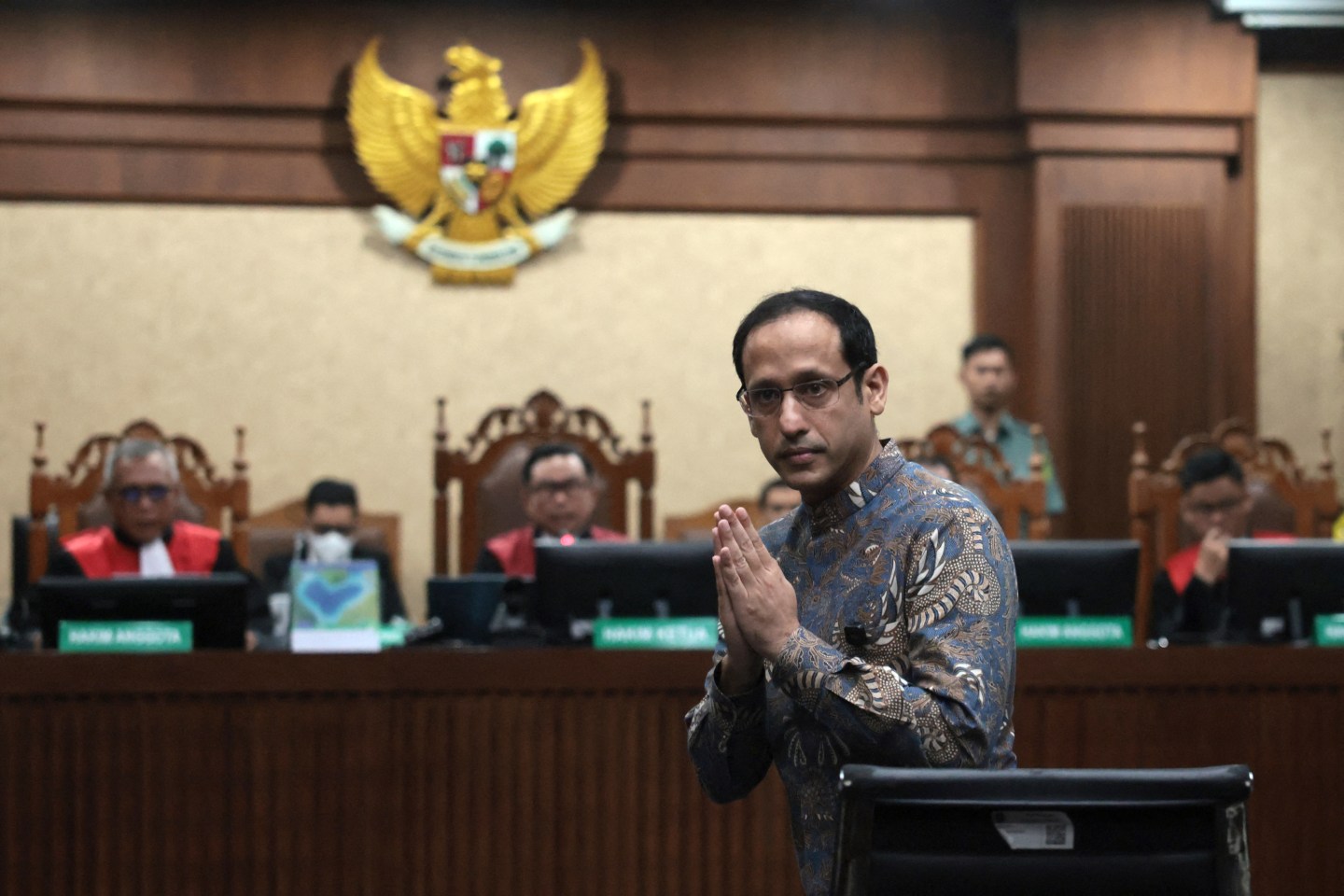
Gojek founder Makarim found guilty in Indonesia Chromebooks case
AsiaIndonesia
Gojek founder Makarim found guilty in Indonesia Chromebooks case
By Chandra Asmara and BloombergJune 30, 2026
1 day ago
alan
LawSupreme Court
Supreme Court to Alan Dershowitz: take a hike with your $300 million defamation suit against CNN
By Lindsay Whitehurst and The Associated PressJune 29, 2026
2 days ago
acb
PoliticsSupreme Court
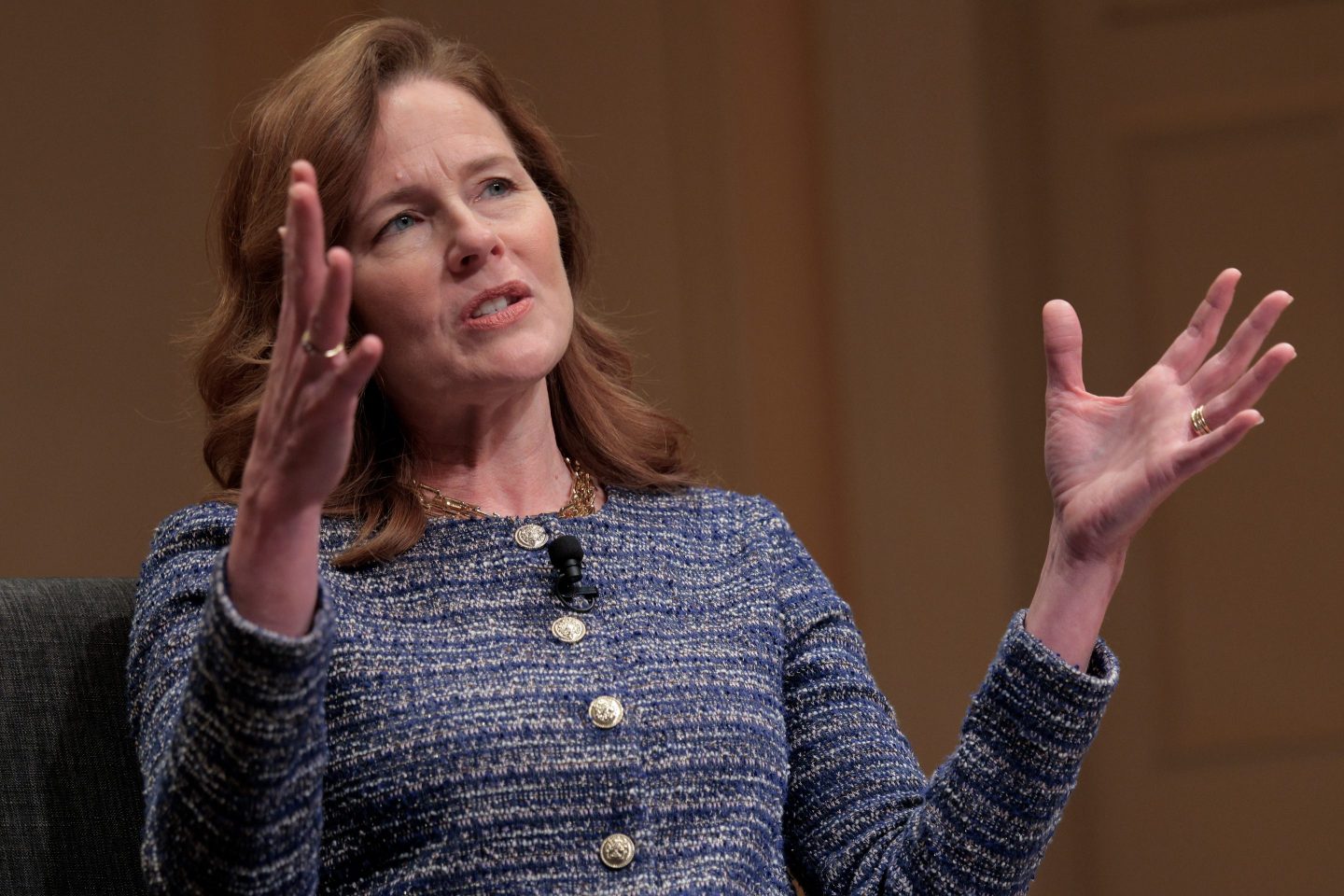
One of Trump’s Supreme Court appointees just saved the late mail ballots he hates so much
By Mark Sherman and The Associated PressJune 29, 2026
2 days ago

Most Popular

MacKenzie Scott alone accounted for one-third of America's $19.2 billion in megagifts last year
Success
MacKenzie Scott alone accounted for one-third of America's $19.2 billion in megagifts last year
By Sydney LakeJune 25, 2026
6 days ago
Philanthropy leader at Warren Buffett and Bill Gates’ Giving Pledge says children of billionaires are pushing them to give their wealth away faster
Success
Philanthropy leader at Warren Buffett and Bill Gates’ Giving Pledge says children of billionaires are pushing them to give their wealth away faster
By Preston ForeJune 27, 2026
4 days ago
Elon Musk on MacKenzie Scott giving away $26 billion of her fortune: 'Sadly,' it makes the world a worse place
Success
Elon Musk on MacKenzie Scott giving away $26 billion of her fortune: 'Sadly,' it makes the world a worse place
By Sydney LakeJune 29, 2026
2 days ago
As Big Tech showers employees with perks to win the talent war, Nvidia built a nearly $5 trillion company by making people pay for their own lunch
Big Tech
As Big Tech showers employees with perks to win the talent war, Nvidia built a nearly $5 trillion company by making people pay for their own lunch
By Marco Quiroz-GutierrezJuly 1, 2026
10 hours ago
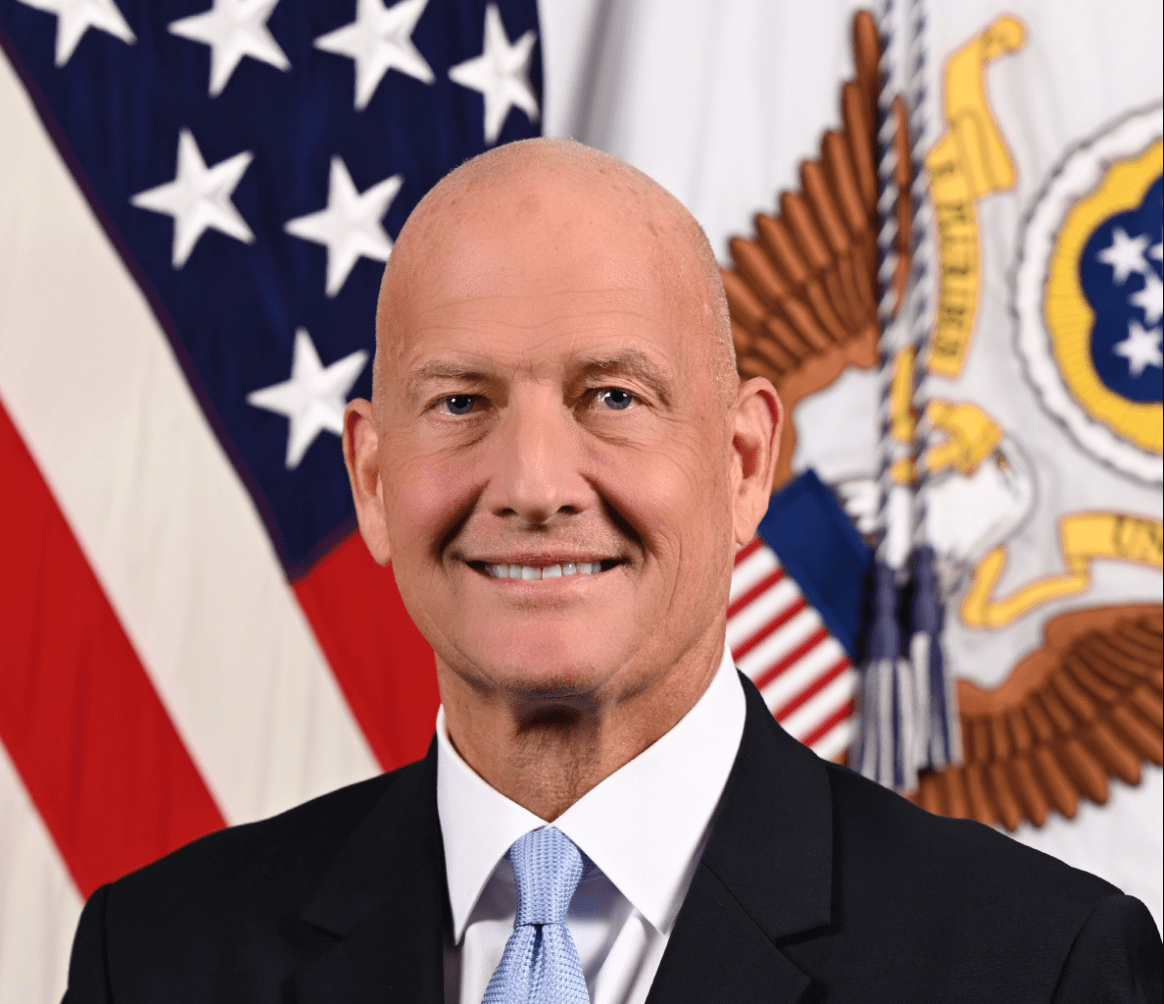
The U.S. Army is opening military bases to private billions — here's why that changes everything for the next 250 years
Commentary
The U.S. Army is opening military bases to private billions — here's why that changes everything for the next 250 years
By Marc AndersenJune 30, 2026
1 day ago
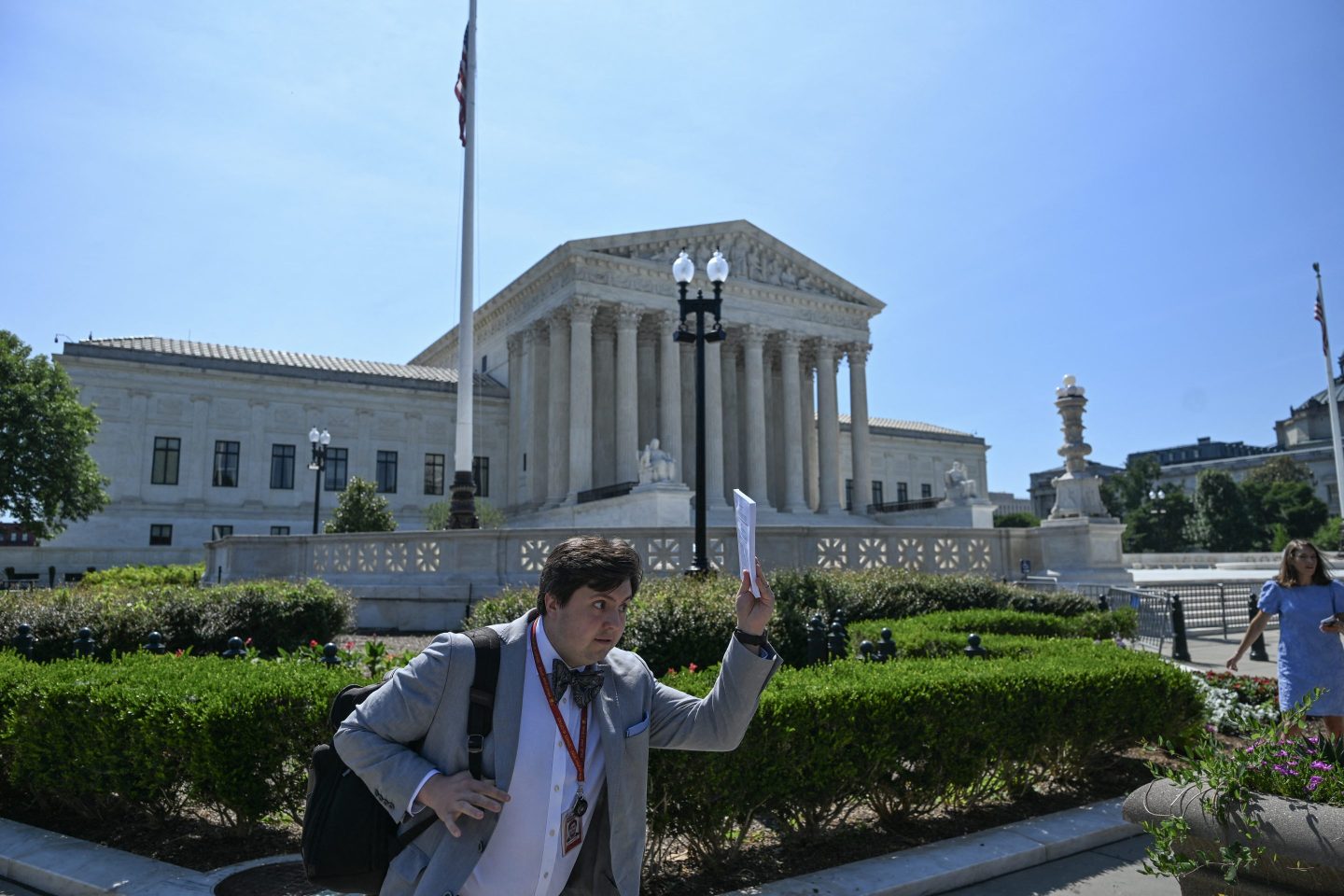
The Supreme Court's birthright citizenship ruling hands the U.S. economy a $7.7 trillion win
Newsletters
The Supreme Court's birthright citizenship ruling hands the U.S. economy a $7.7 trillion win
By Diane BradyJuly 1, 2026
8 hours ago

© 2026 Fortune Media IP Limited. All Rights Reserved. Use of this site constitutes acceptance of our Terms of Use and Privacy Policy | CA Notice at Collection and Privacy Notice | Do Not Sell/Share My Personal Information
FORTUNE is a trademark of Fortune Media IP Limited, registered in the U.S. and other countries. FORTUNE may receive compensation for some links to products and services on this website. Offers may be subject to change without notice.