Gen Z’s relationship with higher education has never been more fraught. Soaring tuition costs and a brutal entry-level job market have left many young people questioning whether getting a degree was worth it at all.
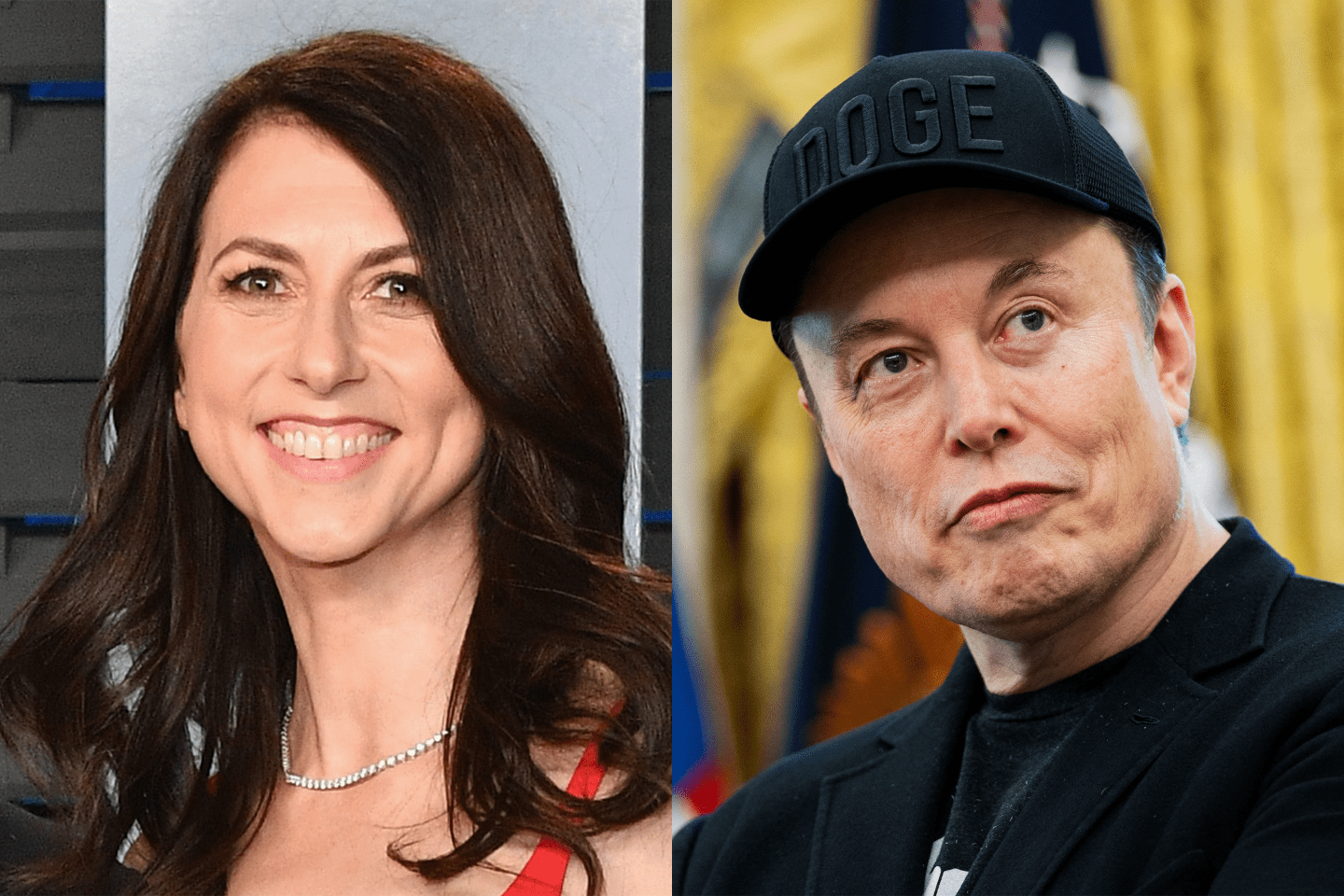
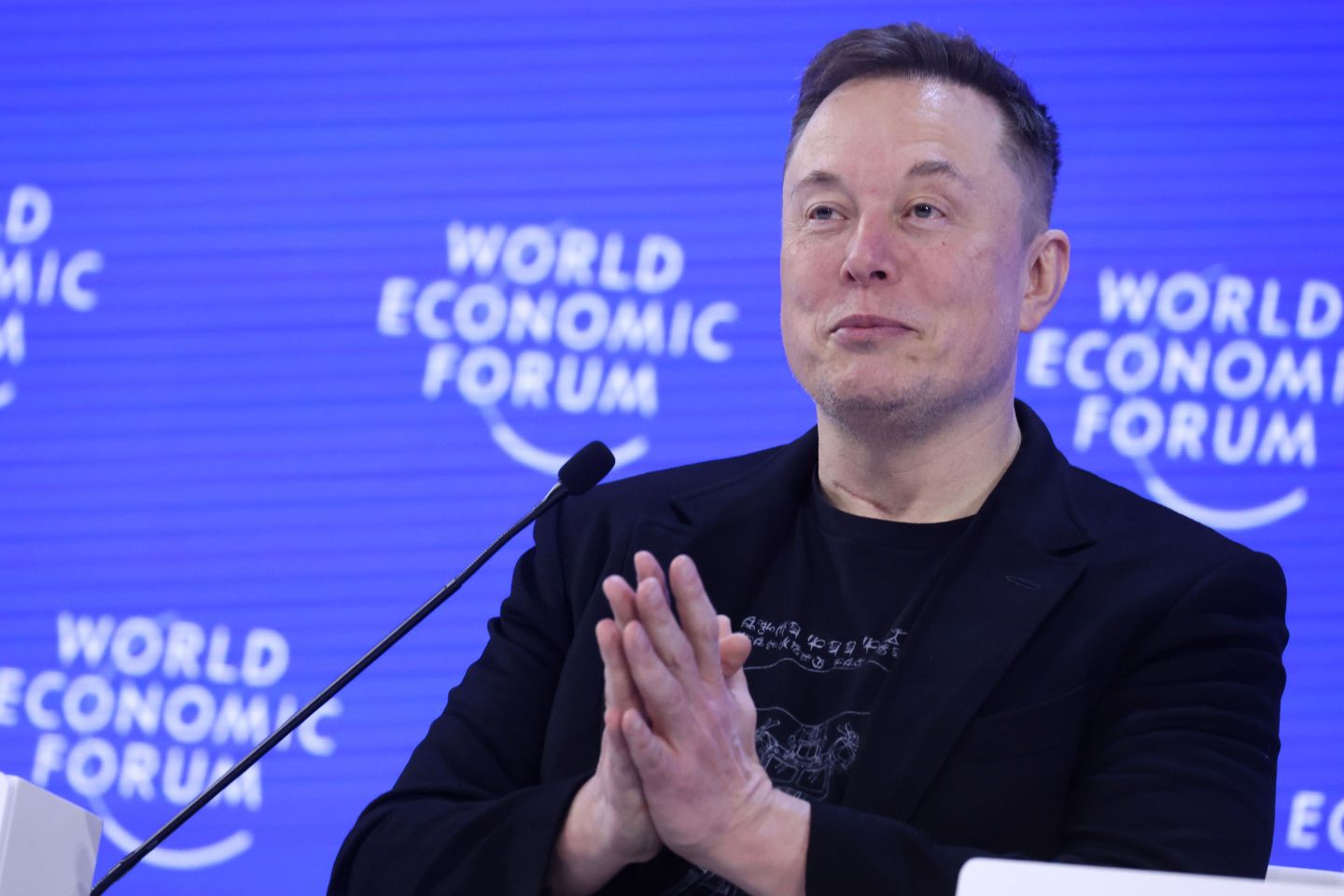
But Valerie Capers Workman, who served as vice president of people at Tesla, has a sharply different message for the graduating class of 2026: Don’t buy the noise. This comes even as her former boss, Elon Musk, is part of the chorus of powerful voices casting doubt on college.
“Do not let anyone, not a tech founder, not a headline, not a podcast host, convince you that your education was a waste,” Workman said last week at the Defining the Future conference at California State University, San Bernardino. “It was not. It is more valuable today than it has ever been.”
The skills a degree develops—the ability to reason, question, and lead with humanity—are precisely what artificial intelligence cannot replicate, she argued.
And counterintuitively, it’s liberal arts fields like history, English, and the arts that, she says, are becoming more relevant in the AI era, not less, despite long being dismissed as financially impractical.
“In the age of AI, these disciplines are not ‘soft skills,’” Workman, who currently serves as the chief human resources officer at Empower Pharmacy, added. “They are the source code for the emotional intelligence, ethical reasoning, cultural fluency, and critical thinking that machines will never have.”
How to use your degree to land a job in today’s AI world, according to Tesla’s former head of HR
Workman’s optimism about degrees comes at a time when landing a job right out of college has become significantly harder.
Job postings on Handshake—an early careers platform where Workman also formerly held a C-suite role—declined more than 16% year over year as of August 2025, while the average number of applications per posting rose 26%. For the class of 2026, who will soon begin walking across the stage, more than 60% are pessimistic about their career prospects, with AI’s disruption of the job market a central frustration.
Workman’s advice to graduates—regardless of their degree or desired profession—isn’t to lean on their diploma alone. It’s to pair it with something their predecessors never had to learn: AI fluency.
“You do not get to sit this one out,” she said. “You do not get to say, ‘I am not a tech person.’ That identity is retired. If you plan to work, lead, build, or earn in this economy, you must become fluent in artificial intelligence the way your parents’ generation had to become fluent in email and the internet, the way your grandparents’ generation had to become fluent in the personal computer.”
She offered two concentrated ways to get started. First, learn prompt engineering—and treat it seriously: “Treat it like a second language,” Workman said. “The people who can instruct AI clearly, specifically, and strategically will outearn and outperform everyone else in the room.”
Second, master the art of asking great questions: “The graduates who win this decade will not be the ones with the best answers. They will be the ones with the best questions.”
Fortune reached out to Workman for further comment.
Tech leaders like Mark Zuckerberg, Alex Karp, and Elon Musk aren’t sold higher education is worth it
While Workman joins a growing number of business leaders who remain bullish on higher education, many of the loudest voices in tech are not.
Mark Zuckerberg—who famously dropped out of Harvard University after launching Facebook from his dorm room—has expressed his concern that colleges are failing to equip students for today’s workforce.
“I’m not sure that college is preparing people for the jobs that they need to have today. I think that there’s a big issue on that, and all the student debt issues are … really big,” he said last year on Theo Von’s podcast.
Palantir CEO Alex Karp, who has three degrees of his own, has been particularly scathing, criticizing higher education for both the debt it saddles students with and what he calls ideological “indoctrination.”
“Everything you learned at your school and college about how the world works is intellectually incorrect,” Karp told CNBC in 2025.
Elon Musk—Workman’s former boss—has echoed that concern.
“I think college is basically for fun and to prove that you can do your chores, but they’re not for learning,” Musk said at the Satellite 2020 conference, adding that requiring a degree for employment is “absurd.”
At Tesla, the main requirement for landing a job is “exceptional ability,” Musk said, who received a bachelor’s from the University of Pennsylvania in 1997.
But despite the anti-college rhetoric from Silicon Valley, there hasn’t been a mass exodus from higher education. Total postsecondary enrollment in the United States grew 1.0% in fall 2025, according to the National Student Clearinghouse Research Center—suggesting that many Gen Z are still betting on degrees.