The months-long standoff over the Strait of Hormuz has reached a potentially decisive moment with the U.S. military engaged in combat in the contested waterway to help commercial ships exit the Persian Gulf.
Central Command chief Admiral Brad Cooper said Monday that U.S. forces destroyed six Iranian small boats and intercepted Iranian cruise missiles and drones.
He added that the naval blockade on Iranian ships remains in effect and “strongly advised” Iranian forces to stay away from the U.S. military as guides ships through the strait.
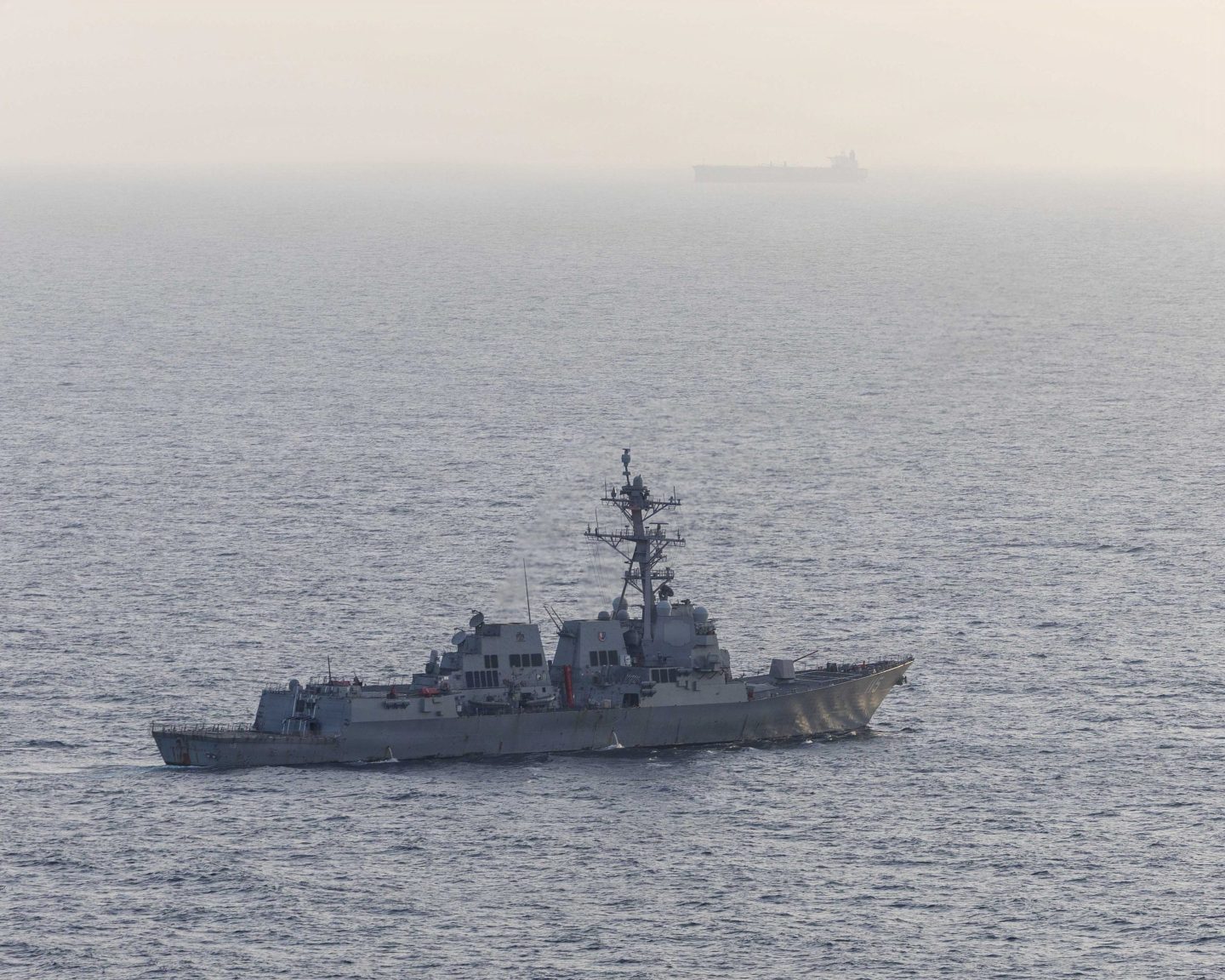
Central Command also said two Navy destroyers are currently operating in the Gulf after transiting the strait, adding that two U.S.-flagged merchant vessels are safely under way.
“American forces are actively assisting efforts to restore transit for commercial shipping,” it announced in a post on X.
That came a day after President Donald Trump announced Project Freedom, a U.S. effort to guide ships from “neutral and innocent” countries out of the Strait of Hormuz, warning that any interference will “have to be dealt with forcefully.”
U.S. stock indexes sold off as fighting erupted again in the Middle East with the United Arab Emirates also reporting renewed attacks from Iran. U.S. oil futures jumped 3.5% to $105.55 per barrel, and Brent crude surged 5.7% to $114.35.
Earlier on Monday, Iranian state media claimed that Iran’s Islamic Revolutionary Guard Corps hit a U.S. warship with two missiles. But Central Command said no U.S. Navy ships were struck.
Iran also said it told the U.S. Navy to stay out of the Strait of Hormuz and fired a warning shot at a warship to prevent its entry.
Sources told Axios there’s currently no plan for full-fledged naval escorts, though U.S. warships and aircraft are nearby to support Project Freedom.
The rules of engagement for U.S. forces in the region have also changed to allow strikes on immediate threats against ships crossing the strait, such as IRGC fast-attack boats or Iranian missile batteries, the report said.
“The president wants action. He doesn’t want to sit still. He wants pressure. He wants a deal,” a senior U.S. official told Axios.
The effective closure of the Strait of Hormuz has been Iran’s top source of leverage since the U.S. and Israel launched their war in late February. With one-fifth of the world’s oil and liquid natural gas unable to reach customers, the global economy has suffered its worst energy crisis ever.
Adm. Cooper said that the Navy used underwater drones to clear a path for ships through the strait, adding that Monday’s transit of the U.S.-flagged vessels should set an example for others that have been stuck in the Gulf for months.
Eventually, the U.S. plans to clear a two-way route that’s safe for ships to enter the Gulf, according to Cooper. In the meantime, others are en route to take advantage of the new exit, he said.
Still, most shipping companies are reluctant to follow along until fighting has ceased. That means energy flows will not get back to normal anytime soon.
But until now, the IRGC had maintained a tight grip over the Strait of Hormuz, demanding tolls from ships that seek to transit and threatening to attack if its conditions aren’t met.
On Sunday, a cargo ship near the Strait of Hormuz said it was attacked by multiple small boats, marking the first such incident since April 22. While there was no immediate claim of responsibility, the IRGC is known to use small fast-attack boats to assert control over the strait.
At the same time, the U.S. military continues to enforce a naval blockade on Iran to keep its oil exports bottled up and add economic pressure.
The Navy has already tested the waters in the strait, by very visibly sending two destroyers through the chokepoint last month despite warnings from the IRGC.
That was also when Navy warships started conducting anti-mine operations in the Strait of Hormuz, though it could take weeks or months to completely eliminate the threats.
Before then, U.S. warships avoided the strait as Navy officials previously have described it as an Iranian “kill box” filled with numerous threats, including anti-ship missiles, drones, fast-attack boats, and mines.