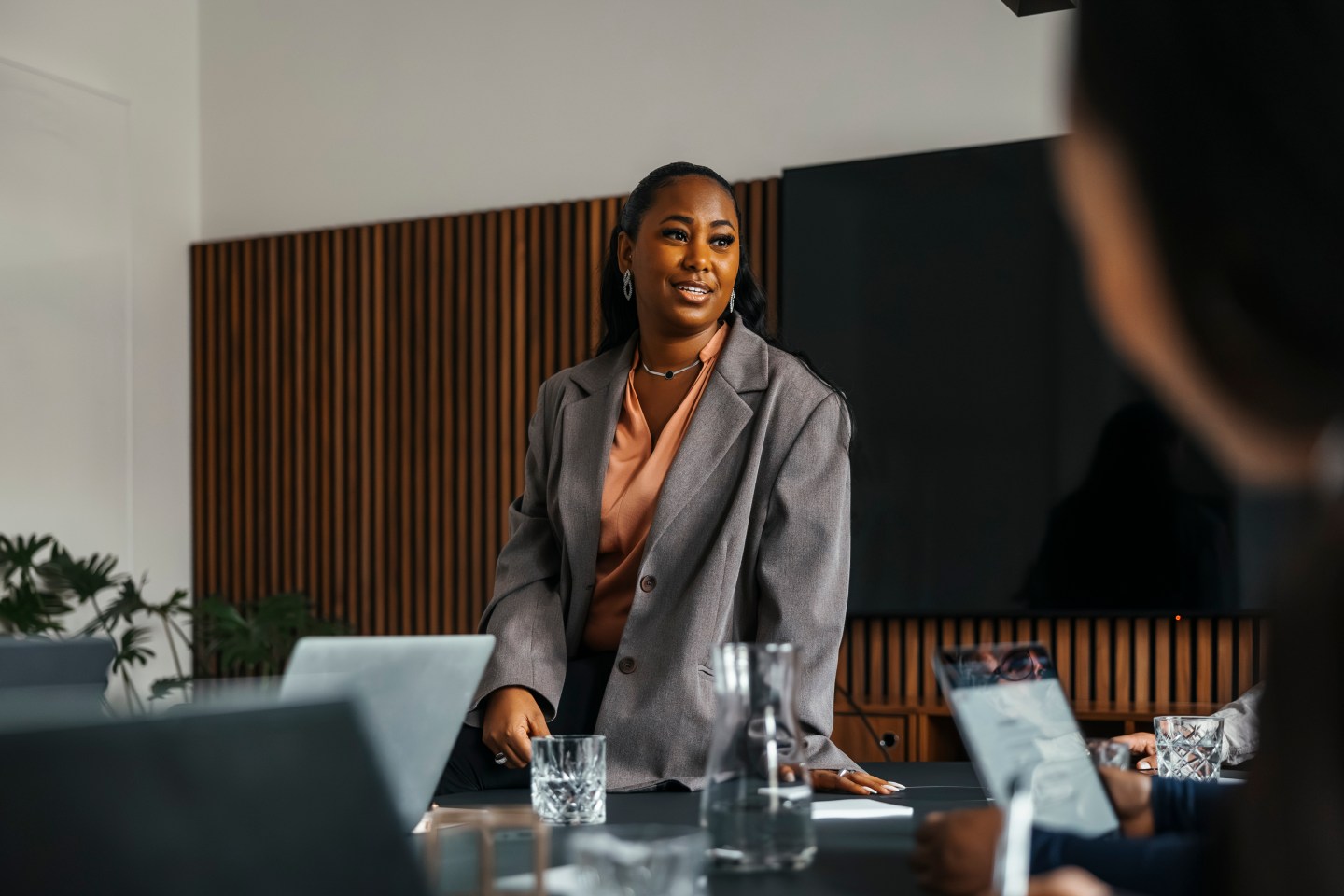
Women’s representation on U.S. corporate boards of directors crossed 30% for the first time in 2024. But two years later, amid an anti-DEI wave, that progress has reversed. In the first quarter of 2026, women’s board representation fell under 30% for the first time since achieving that milestone.
That’s according to new data from 50/50 Women on Boards. Across the Russell 3000, women held 29.9% of 26,077 total board seats at 2,843 companies in the first three months of this year; the all-time high was 30.4% in the first quarter of 2025 (right as the anti-DEI push began). The organization calls this stat a “warning sign” of, potentially, worse to come. During this most recent quarter, women gained 138 seats and lost 83, while men gained 404 and lost 218. Still, most seats women gained came from board expansion—not replacing existing directors. Board seats held by women of color declined from 7.4% to 7.3%.
None of this is that surprising—we can look around and see the impact that anti-DEI agendas, and fear of them, have. What’s most insightful is a finding from 50/50 Women on Boards about the intersection of diverse C-suites with diverse boards.
Companies that had female CEOs had boards on which women held 41% of seats—much higher than the 29.9% overall stat. If a company had women as CEO and board chair and with additional board leadership roles, that stat rose even higher to 46.7%. The share of women of color represented on these boards shot up even higher—to 13%.
Another stat that confirms: female CEOs drive impact, through the biggest challenges, for their business results and more.
P.S. While my colleague Sydney Lake was covering some of the best commencement speeches of graduation season in the newsletter last week, I was giving one of my own. My alma mater, Georgetown University, invited me to speak to the class of 2026 about how my time in college journalism prepared me for my career today—including much of what I’ve done at Fortune, as chronicled in this newsletter. You can watch my speech here!
Emma Hinchliffe
emma.hinchliffe@fortune.com
The Most Powerful Women Daily newsletter is Fortune’s daily briefing for and about the women leading the business world. Subscribe here.
ALSO IN THE HEADLINES
Harvey Weinstein's latest trial ends in a mistrial. A jury was unable to reach a verdict for the second time in a New York case over Weinstein's alleged assault of Jessica Mann in 2020. Meanwhile, Weinstein remains incarcerated.
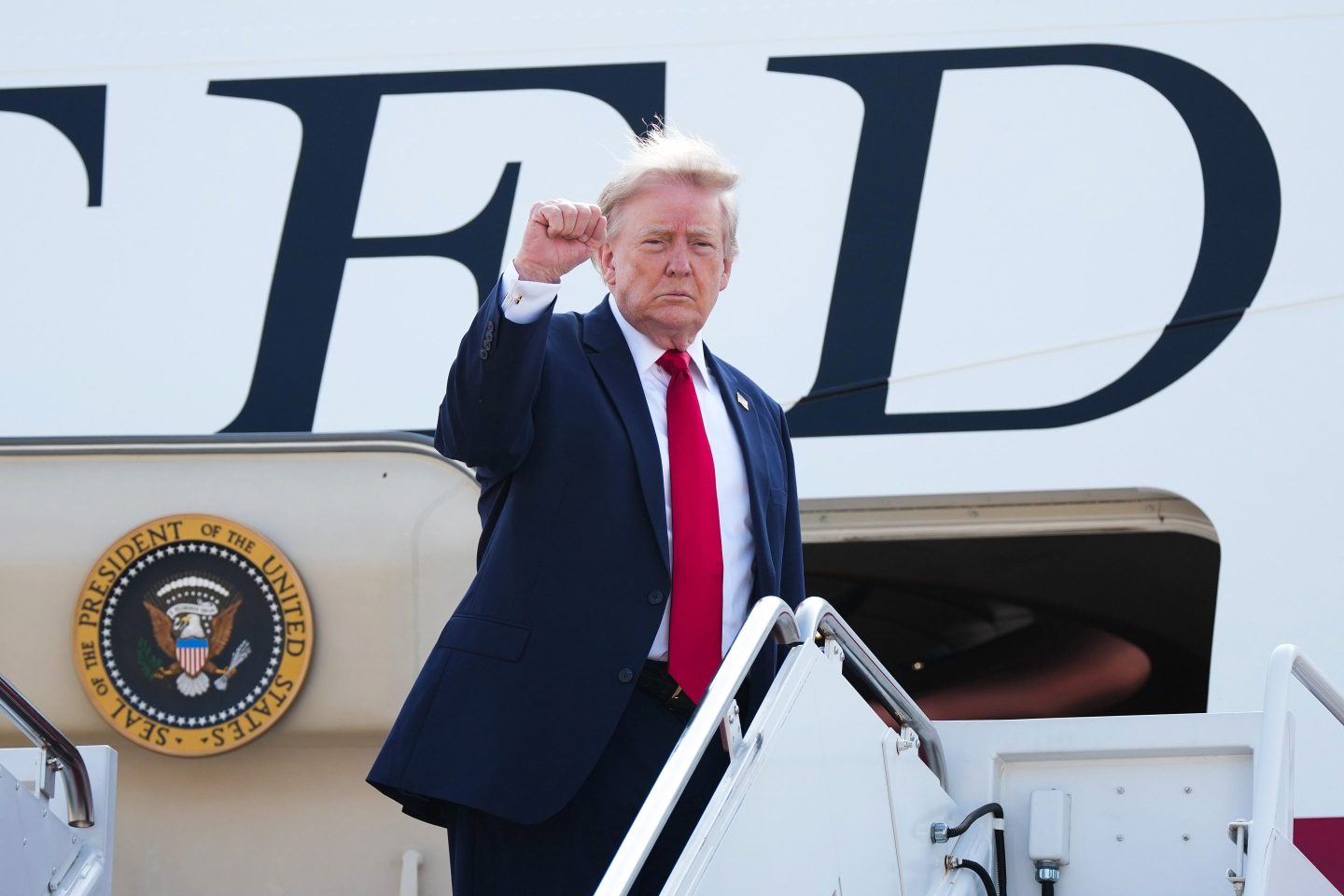
Fortune's EIC sat down with President Trump in the Oval Office. Their conversation took place just before Trump left for China, with Citigroup CEO Jane Fraser among the group of business leaders who joined him.
Victoria's Secret's activist fight heats up. BBRC founder Brett Blundy is working to push out two board directors. But Victoria's Secret, under CEO Hillary Super, is fighting back. The VS board questioned Blundy's "decisions to hire executives with a history of serious allegations of sexual harassment or other misconduct, and the reported and alleged instances of harassment and highly inappropriate employee policies” at portfolio companies under his oversight, per RetailDive. Victoria's Secret has to be especially vigilant about sexual harassment given its history as part of former parent company L Brands, allegations of harassment there, and past ties to Jeffrey Epstein.
Susan Wojcicki's family wants to understand why she died. They are launching the Susan Wojcicki Foundation to fund efforts to diagnose lung cancer earlier, especially for nonsmokers like the former YouTube CEO, and change recommendations about who should be screened.
ON MY RADAR
The revolt against the girlbosses has finally come NYT
Caitlin Clark is healthy again. She's taking back her spot atop the WNBA The Athletic
MAGA women are leading a #MeToo 2.0 in Washington NYT
PARTING WORDS
"The easy decisions are easy to make, the right decisions are hard to make. I think of that every time I’m faced with something that’s hard."
— Cindy McCain on the leadership advice she took from her late husband, Sen. John McCain