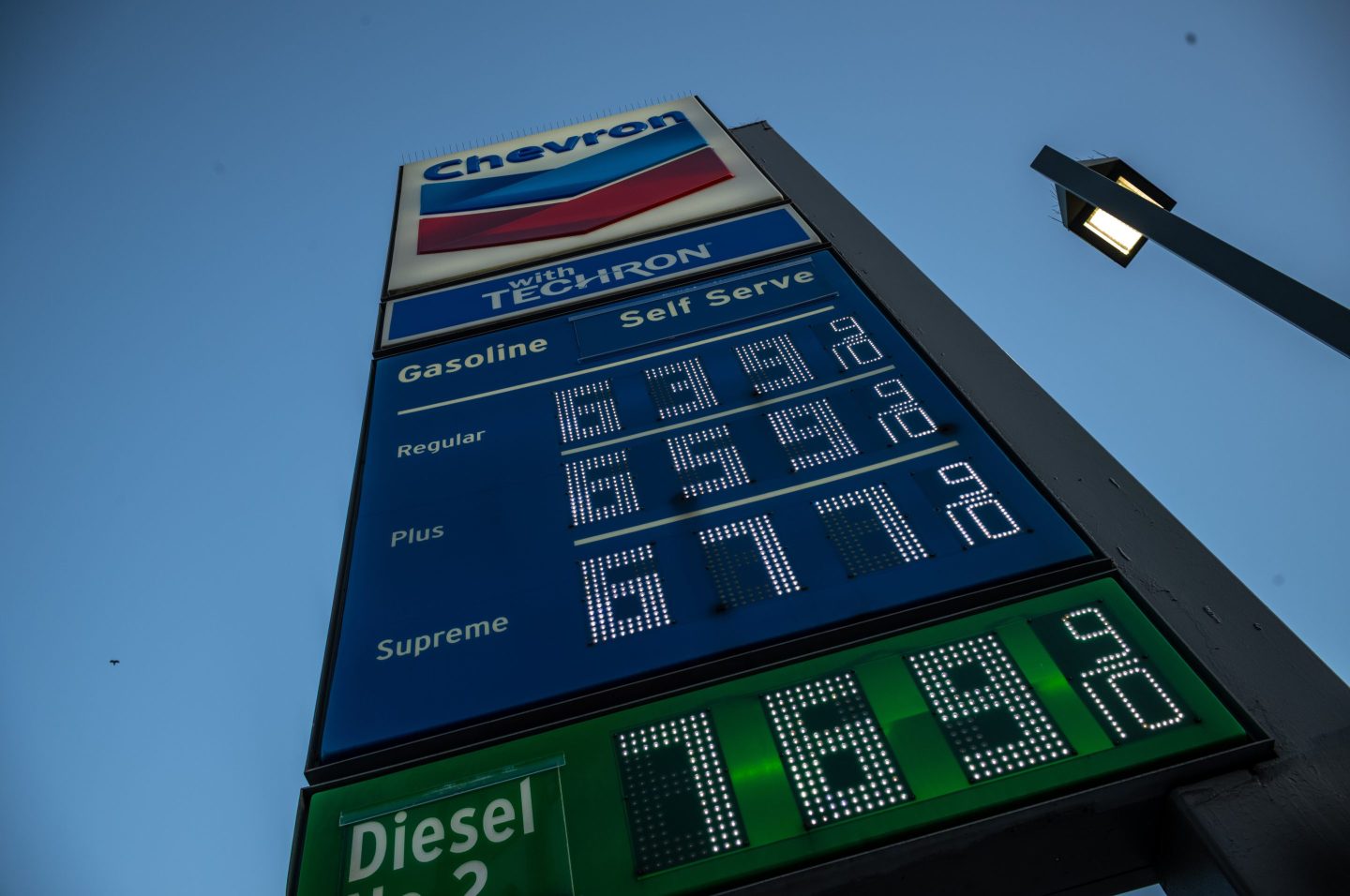
This week marked a discouraging milestone for American motorists. The average gas price is now on the wrong side of the $4 mark in every state in the country, an increase that coincides with the start of the busy summer driving season, which kicks off on Memorial Day weekend.
GasBuddy, which tracks fuel pricing, said prices this summer could average $4.80 per gallon from Memorial Day through Labor Day, with the possibility of all-time highs if the Strait of Hormuz remains closed for a significant portion of the summer. The national average could easily exceed $5 later this summer if the war is still going.
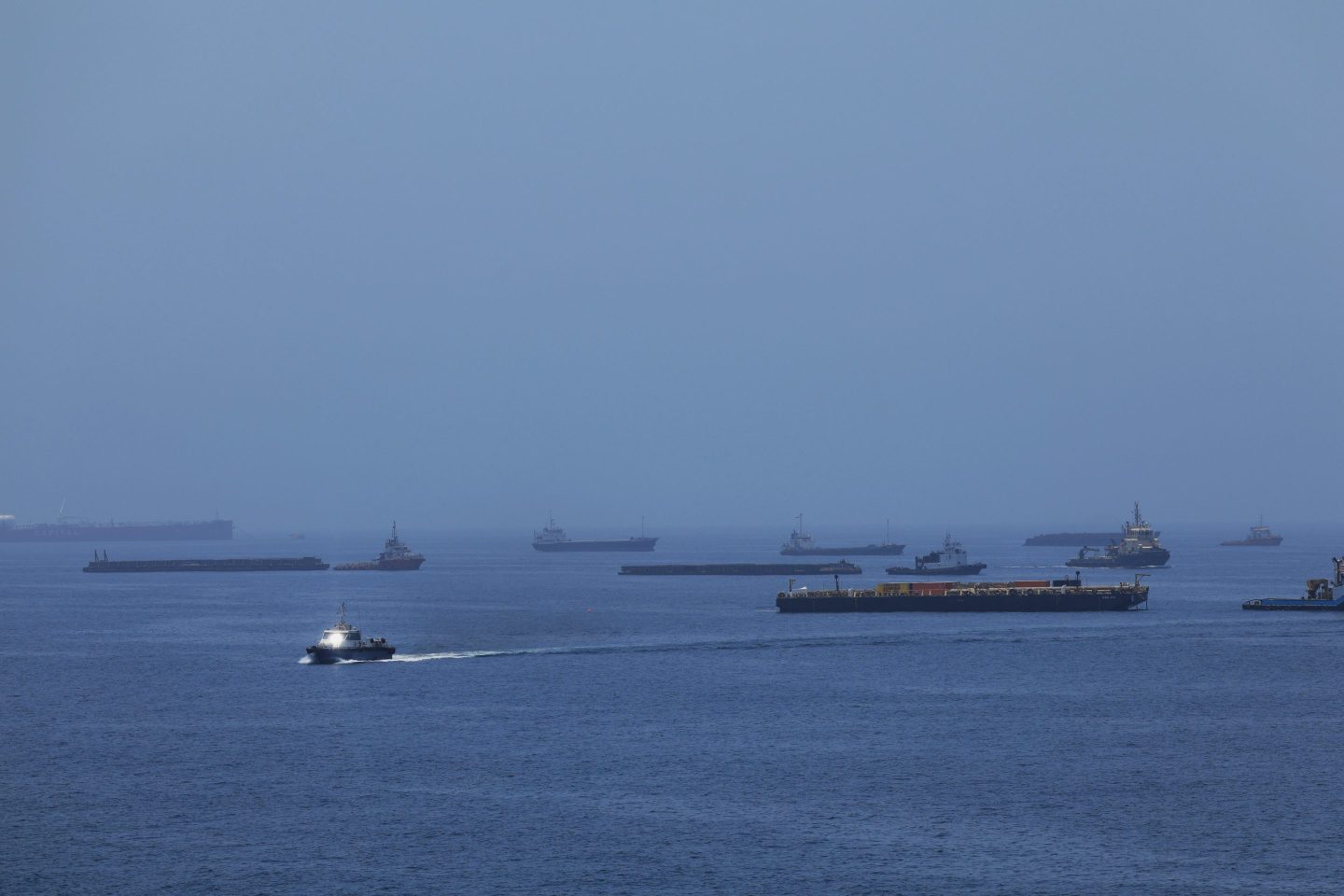
Prices have spiked since early March because of the war in Iran and the effective closure of the strait, through which 20% of global crude oil volumes typically flow. Prices are the highest since 2022, when Russia invaded Ukraine, but that year costs also fell sharply by the end of the summer—a development that appears unlikely to be repeated in 2026.
Georgia and Mississippi were the cheapest states on average at $4.01 for a gallon of regular unleaded on May 20, while California unsurprisingly is the highest at $6.15—the only state above the dreaded $6 threshold, according to AAA. The national average was $4.56 per gallon, up 45% from $3.14 a year ago.
“Americans are going to pay billions more to get where they’re going this summer and, even after the strait reopens, it could take a year or more for gas prices to fully recover,” said Patrick De Haan, head of petroleum analysis at GasBuddy. “Some states are already suspending gas taxes to ease the pain, and federal discussions are underway. Every bit of relief matters.”
The number of Americans who plan to take road trips this summer has plunged nearly 70% compared to last year because of the gasoline cost surge, GasBuddy said. About 56% of Americans still plan to take at least one road trip.
In addition to the largest energy supply shock ever, fuel prices typically rise going into the summer because of increased demand and the extra costs of additives required to keep gasoline from evaporating in the summer heat.
President Donald Trump told reporters Wednesday that the administration is in the “final stages” of negotiations with Iran, according to a pool report. But there’s little tangible evidence of an emerging peace deal and Trump has frequently made bullish statements on a possible deal. A day prior, Trump said he called off planned attacks on Iran because of progressing talks.
California—the fourth-largest economy in the world—deals with the highest prices because of stricter environmental and fuel standards, and because it essentially operates as an island sandwiched between the Pacific Ocean and mountainous terrain. That makes it difficult and expensive to build oil and fuel pipelines.
In something of a perfect storm for California motorists, the Iran war coincides with the recent shuttering of the Phillips 66 Los Angeles refinery and the April closure of Valero Energy’s Benicia refinery near San Francisco. The two complexes accounted for nearly 20% of California’s oil-refining capacity.
The bottom line is California must import a lot of its oil, gasoline, diesel, and jet fuel from Asia—a region that is itself currently struggling with shortages because of its reliance on Middle Eastern supplies.
The other states averaging gasoline costs above $5 per gallon are Alaska, Hawaii, Illinois, Nevada, Oregon, and Washington, according to AAA.