Good morning. Lean and mean today, like Uber’s new AI budget.
Today’s tech news below. —Andrew Nusca
Want to send thoughts or suggestions to Fortune Tech? Drop a line here.
SpaceX will officially acquire Cursor for $60 billion
Just as the prophecy foretold—or maybe just as the paperwork disclosed—SpaceX will officially, finally, buy Anysphere, the parent company of the AI coding agent Cursor, for $60 billion in stock.
The deal comes mere days after SpaceX’s market debut at $135 per share; it’s now trading at more than $200 per share, valuing the company at $2.64 trillion and placing it among the five most valuable American corporations.
The goal, as it was when the companies tentatively agreed to merge in late April, was to give SpaceX (which, since February, is the combined SpaceX and xAI) a robust coding agent to compete with rivals Anthropic (and its Claude Code), OpenAI (Codex), Microsoft (Github Copilot), and Google (Jules).
“For the past few months, SpaceXAI has been jointly training a model with Cursor, which will be released in Cursor and Grok Build soon,” SpaceX said in a statement. "We look forward to working closely with the Cursor team to advance our frontier AI capabilities.”
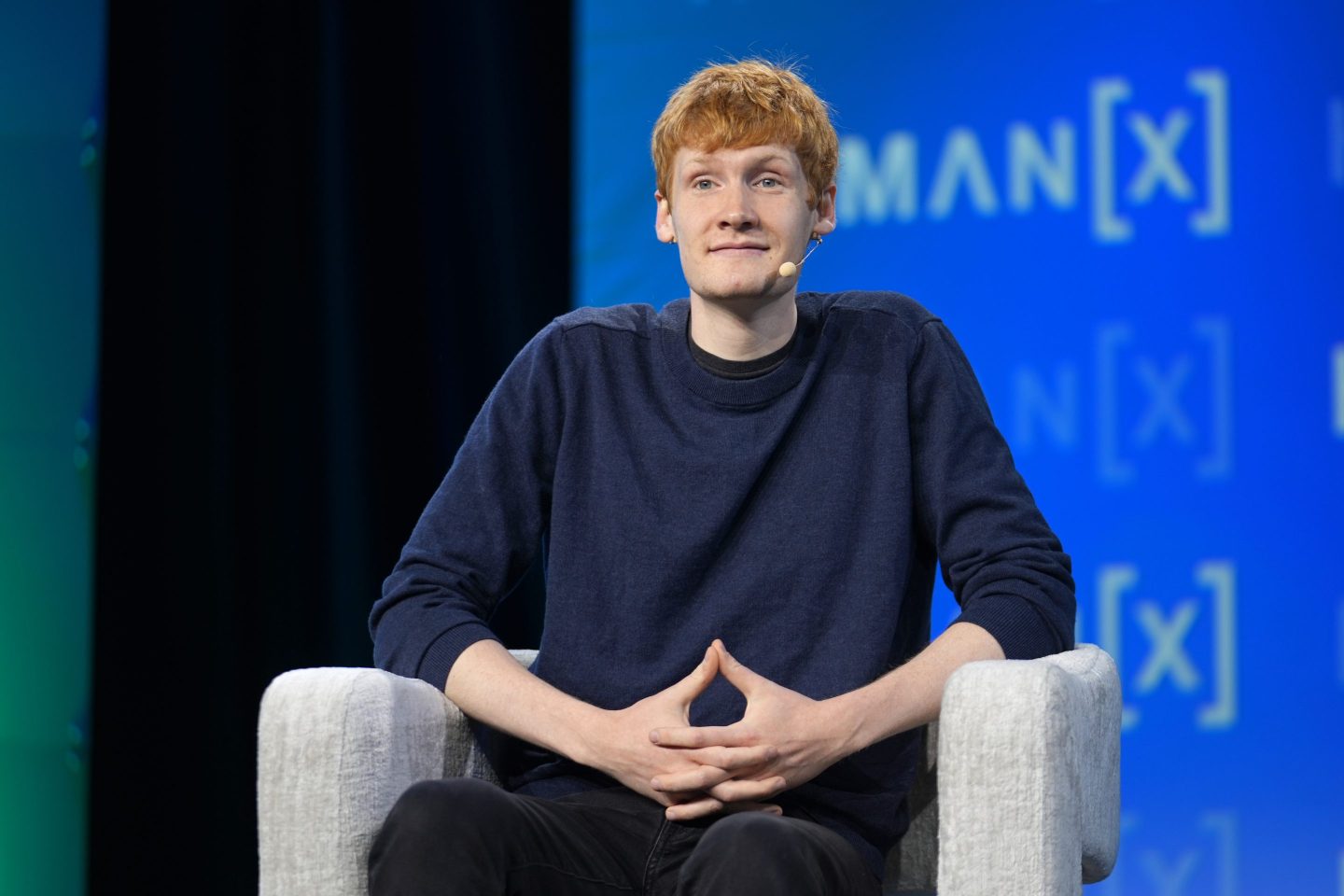
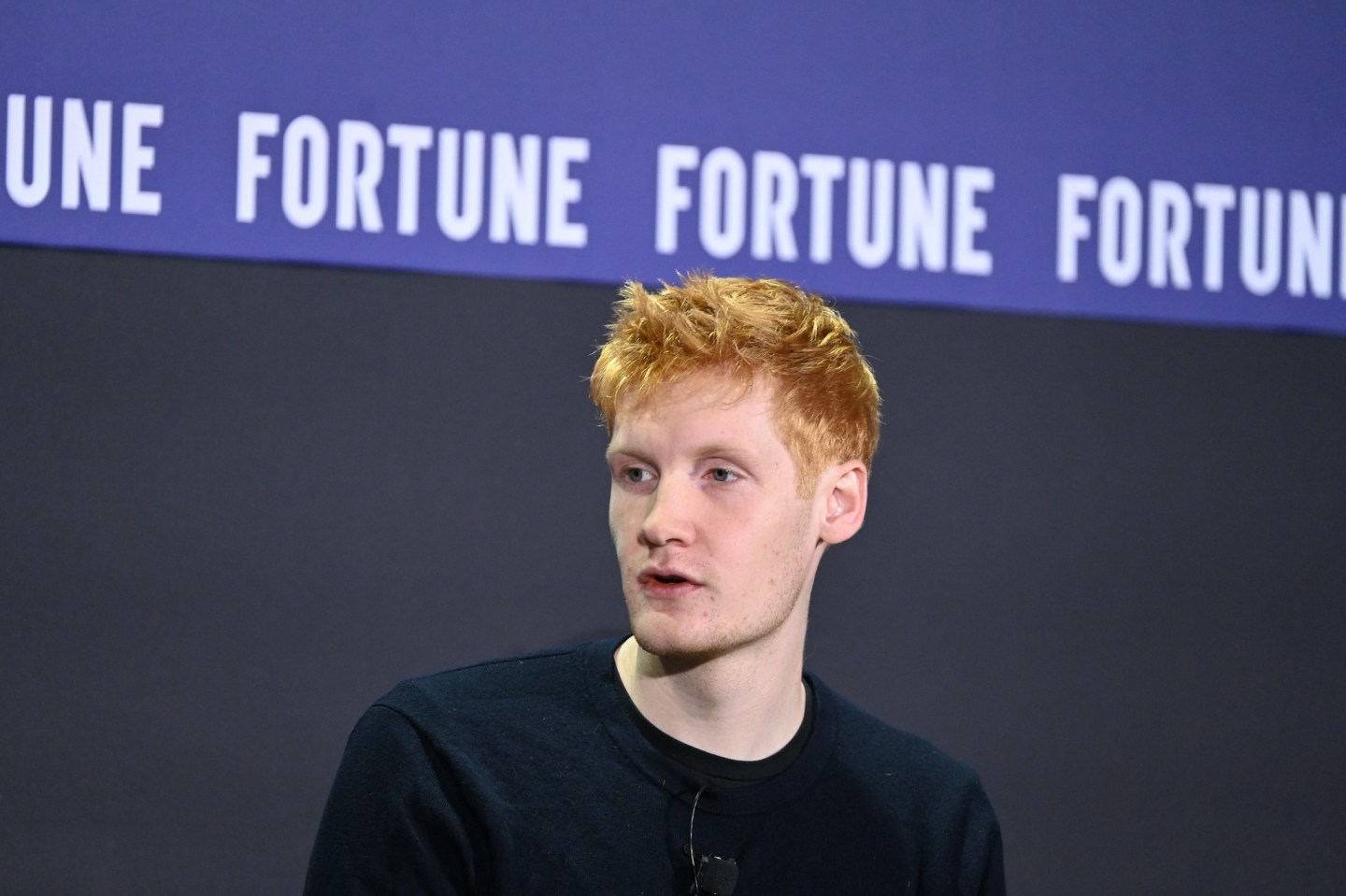
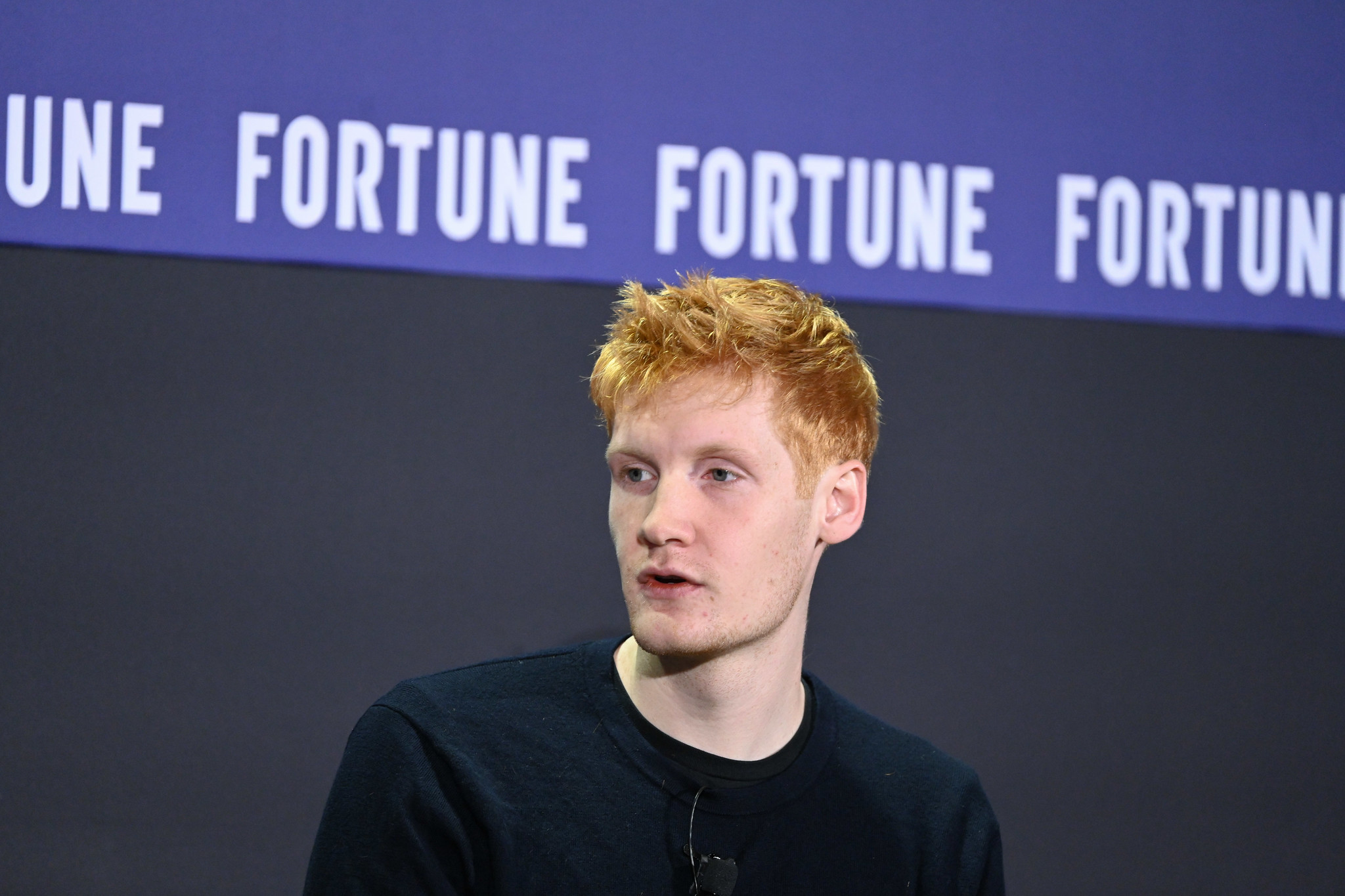
Celebrating back at Cursor HQ in San Francisco is CEO Michael Truell and his cofounders Sualeh Asif, Arvid Lunnemark, and Aman Sanger; all retained individual 4.5% stakes in the company, making them each paper multibillionaires in their mid-20s.
At Fortune’s Brainstorm AI gathering late last year, Truell told the audience that the company is well-positioned to influence enterprise AI adoption more broadly.
"Some of what's working in our space, in the AI coding space, I think will start to work for other areas of knowledge work,” he said. “And that's in particular being able to delegate full tasks to the AI and having the AI really be able to work with the same tools that humans can work with and not just go and gather information, but then also make changes and actually take action for you." —AN
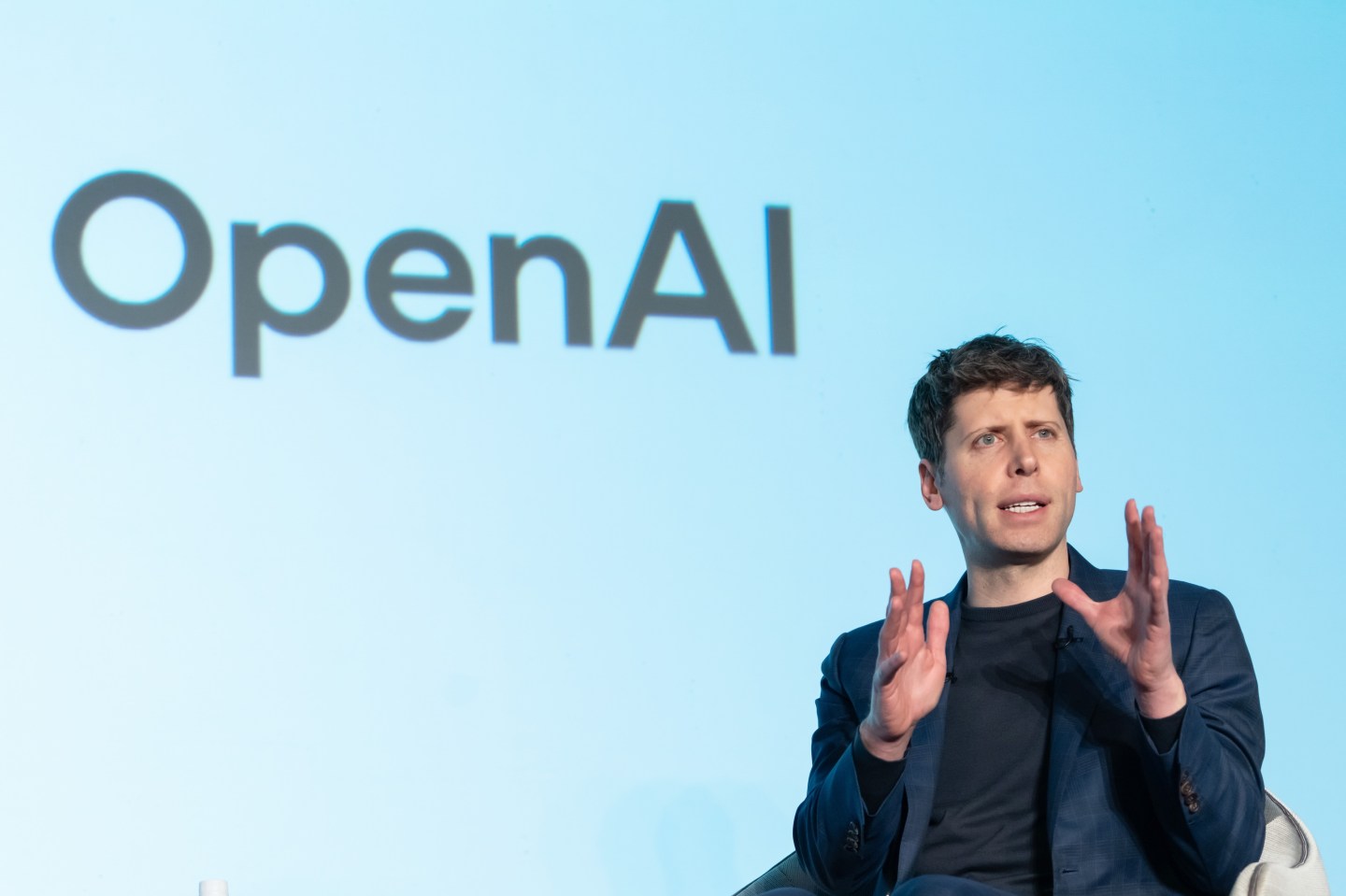
OpenAI logs $21 billion in losses against $13 billion in revenue
OpenAI’s financial statements show steepening losses at the company, according to copies obtained by blogger Ed Zitron and the Financial Times.
OpenAI filed with the SEC for an IPO expected later this year, so the numbers give us a taste of what its Form S-1 might say.
Here’s what its 2025 numbers look like compared to 2024: Revenue was $13.07 billion, up from $3.7 billion. Cost of revenue was $7.5 billion, up from $2.65 billion. R&D totaled $19.18 billion, up from $7.81 billion. Sales and marketing was $5.73 billion, up from $1.11 billion. General and administrative was $1.57 billion, up from $907 million.
Total costs and expenses in 2025 were $34 billion, up from $12.48 billion. And crucially, loss from operations was $20.92 billion, up from $8.78 billion.
In short, the company’s losses far outstrip its sales.
On the bright side, losses as a percentage of sales are in decline. In 2024, OpenAI spent $2.37 to generate every $1 in revenue. In 2025, that ratio declined to $1.60 in expenses for every dollar it took in.
Is there a path to profitability? Maybe. OpenAI’s two biggest expenses are R&D and marketing. Budget cuts there, coupled with an ability to raise prices or win new sources of revenue, could see the company move into the black over time.
Still: Cutting R&D would be the most difficult part of that, given that AI companies can only hold onto their customers by generating the best-performing models. —Jim Edwards
White House won’t allow G7 nations to regain access to Anthropic’s Mythos 5
As the Trump administration maintains its export ban on Anthropic’s new Mythos 5 and Fable 5 AI models for national security concerns, it is reportedly unwilling to make a “carve-out” for allies.
New reports say the White House won’t allow G7 member countries to regain access to Anthropic’s latest AI models despite a request from U.K. Prime Minister Keir Starmer to make an exception for British nationals and companies. (So much for that “special relationship.”)
The administration’s export ban bars the use of the models by anybody outside the U.S. or foreign nationals. Given the scale of that restriction for a piece of globally available software, which would include some of Anthropic’s own employees, the San Francisco AI company opted to simply pull access to the tools worldwide.
In a way, the White House channeled Anthropic’s pragmatism upon receiving Starmer’s request, believing a carve-out would be “completely illogical,” an official told the New York Post.
In the meantime, true resolution awaits. The Trump administration and Anthropic continue to negotiate about the terms on which access to the models could be restored. —AN
More tech
—Apple AirPods with cameras for AI are reportedly coming in 2027 alongside 20th anniversary iPhones.
—Google launches Android 17 and Wear OS 7, first on Pixel devices.
—Snap debuts new Specs, its first “fully standalone” augmented reality glasses, that will ship in the fall for nearly $2,200.
—Z.ai, the Chinese firm formerly called Zhipu, launches its GLM-5.2 model that it says excels at agentic and coding tasks and so-called “long horizon” capabilities.
—U.S. Justice Department requests that the court dismiss an NAACP lawsuit over xAI’s gas turbines, which alleges Clean Air Act violations that adversely affect nearby Black communities.
—Meta’s Threads reaches 500 million monthly active users, nearly the level of rival X but a fraction of the size of its corporate siblings.
—France’s intelligence agency drops Palantir in favor of Paris-area favorite ChapsVision.