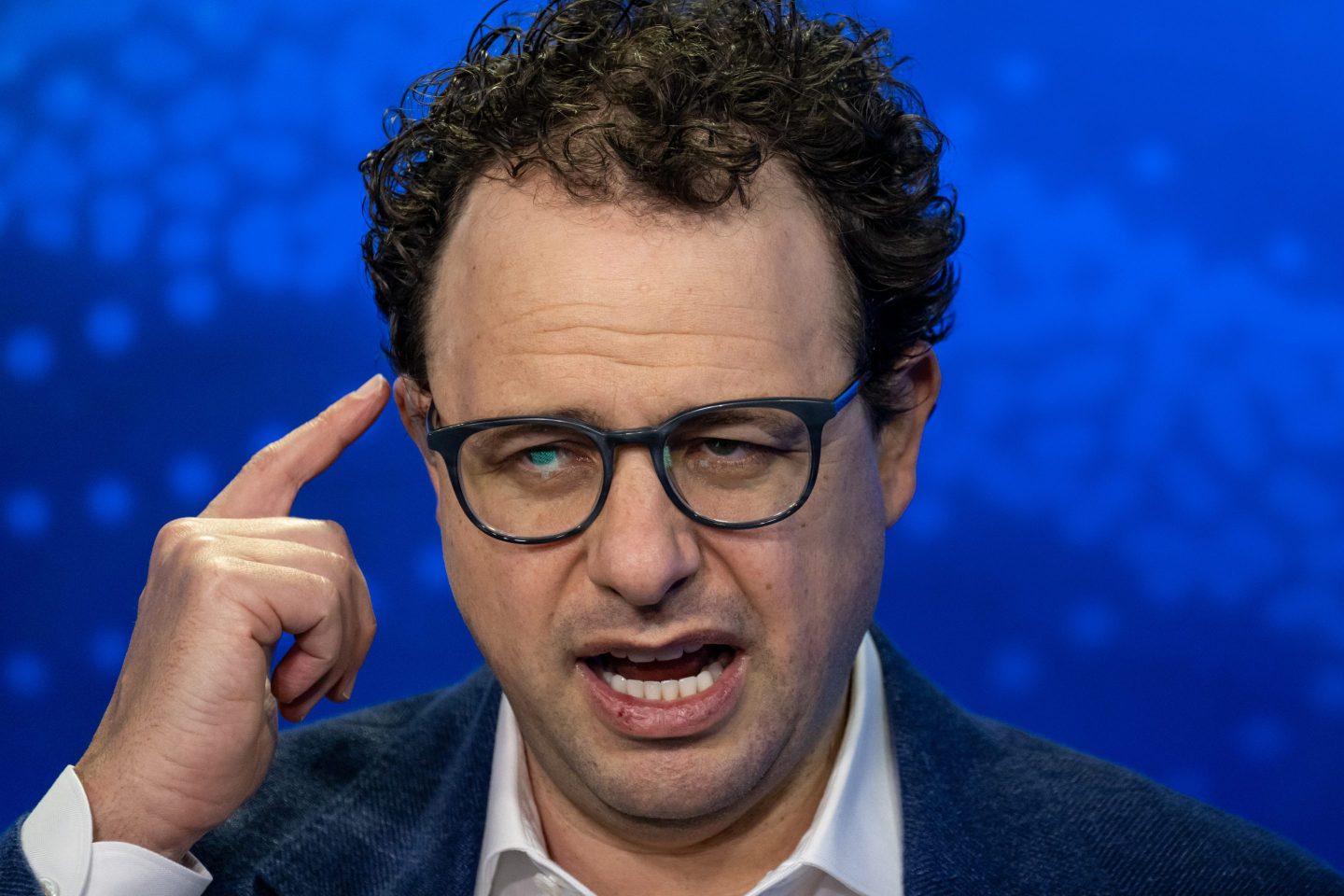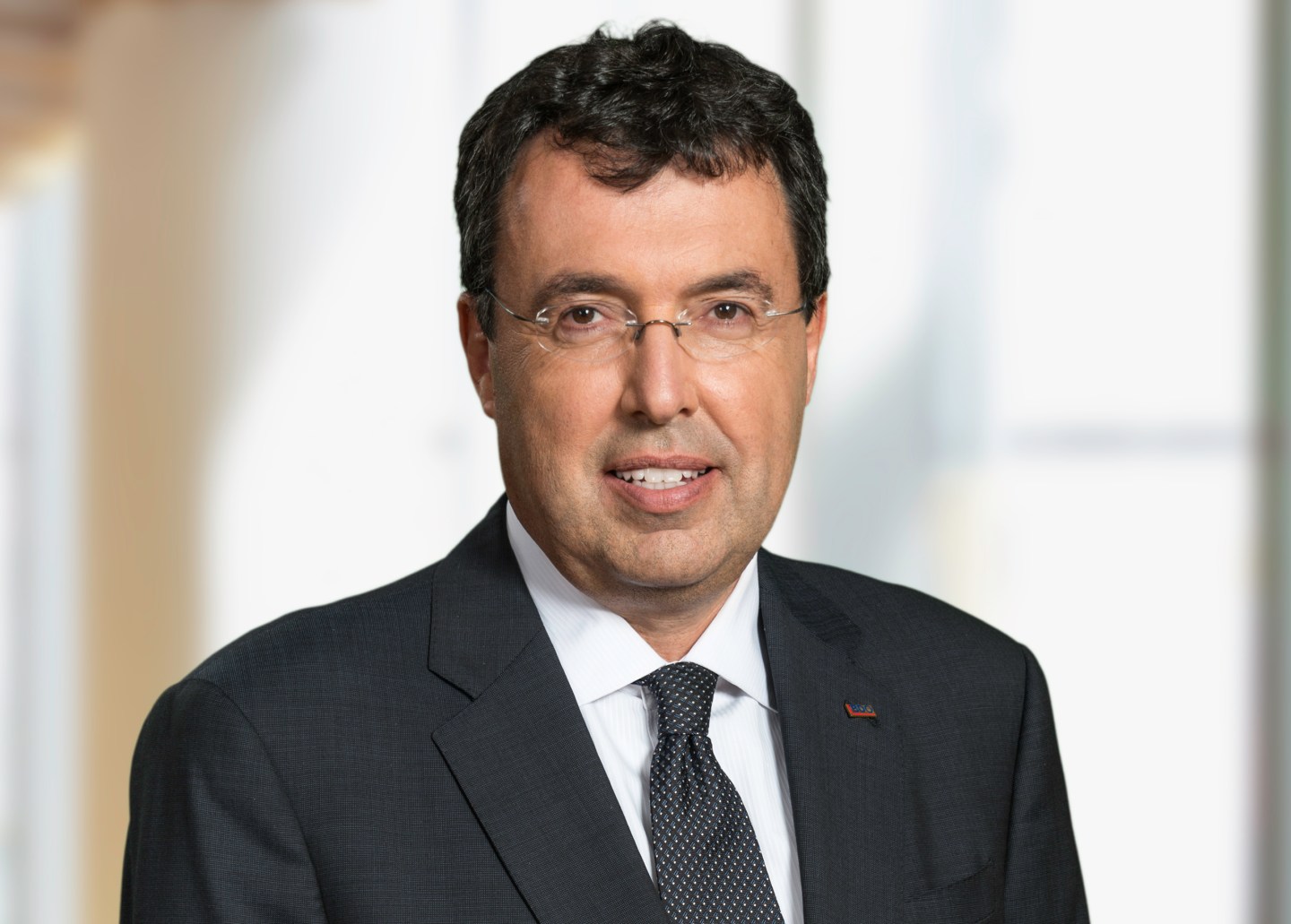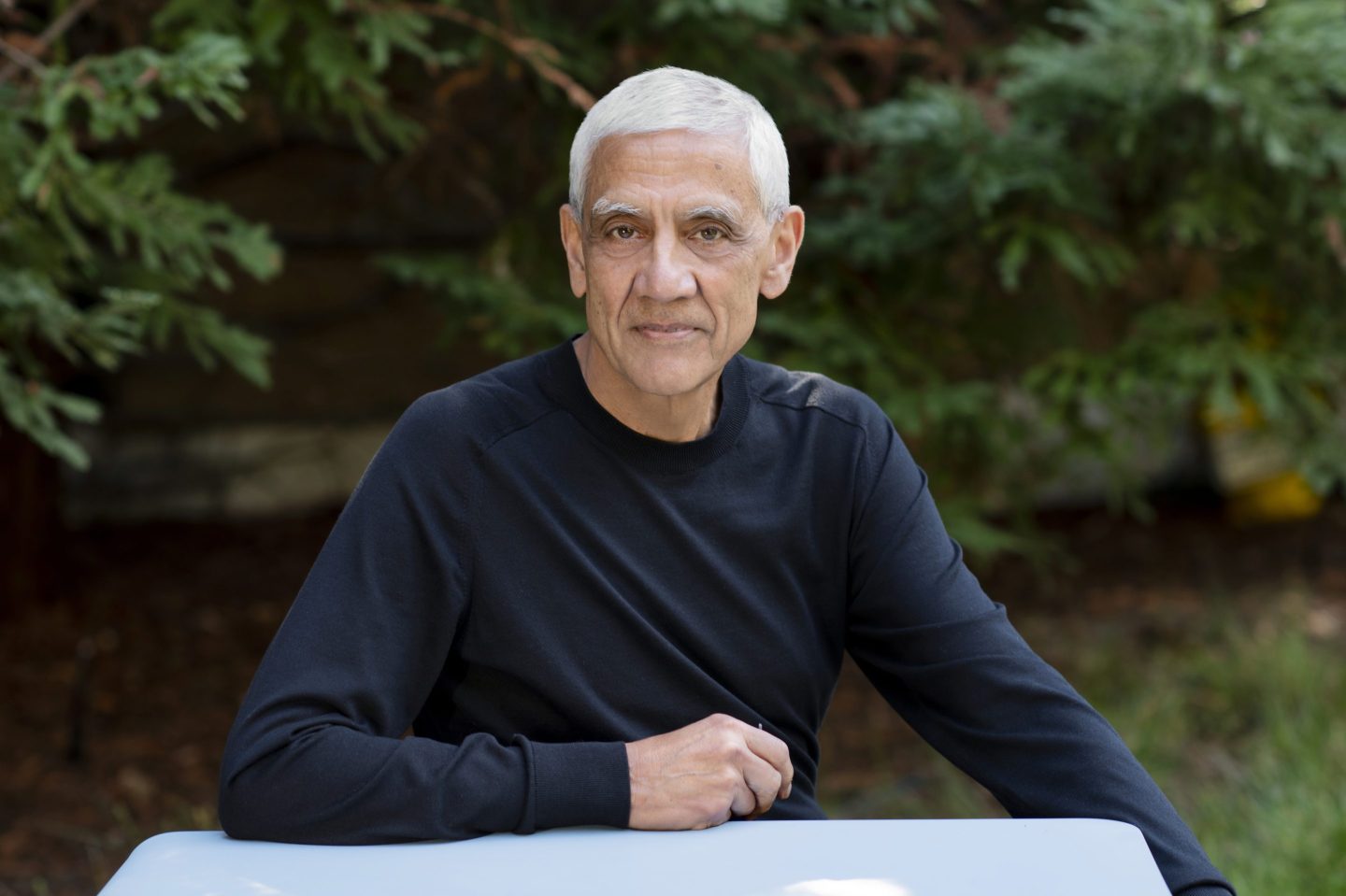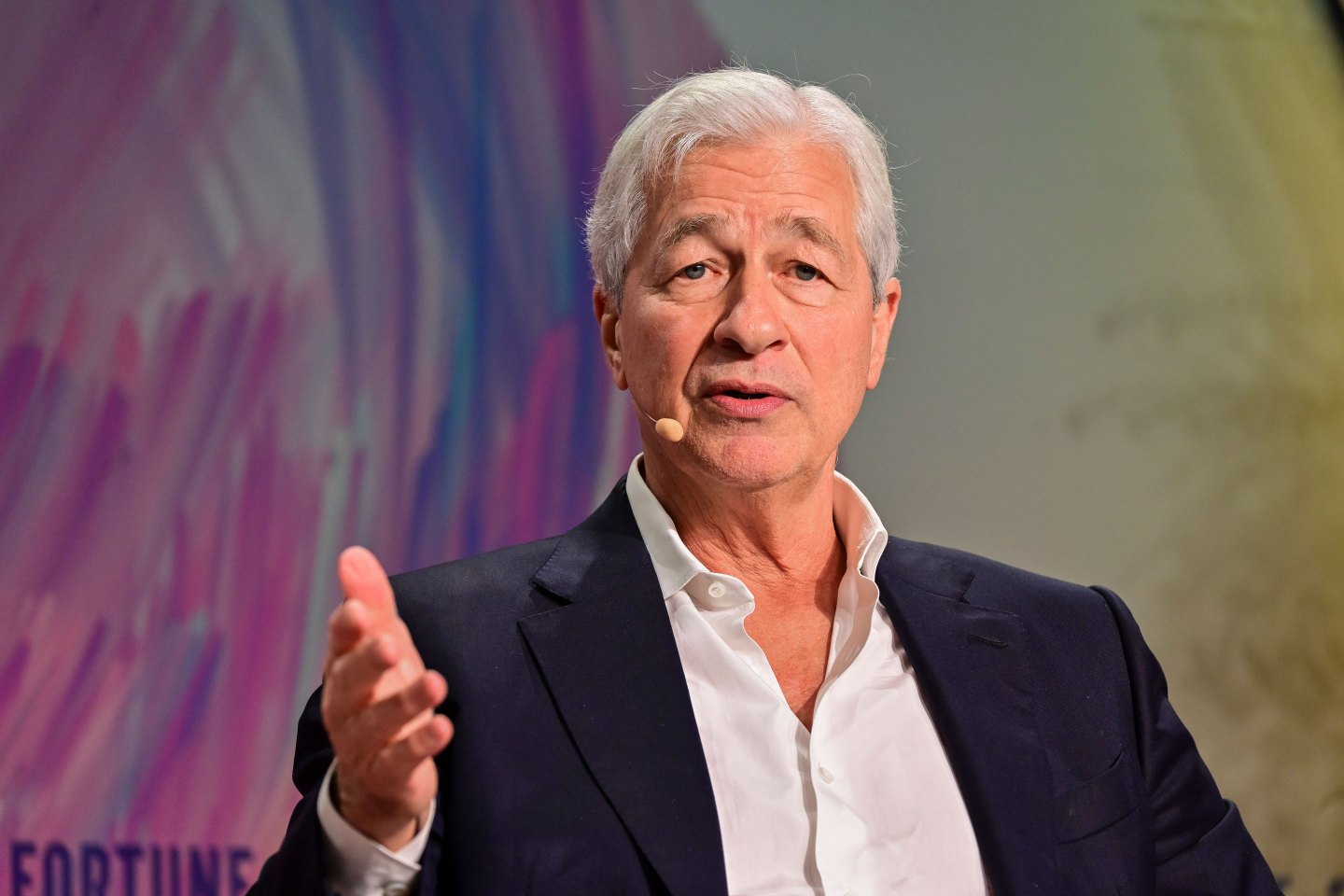
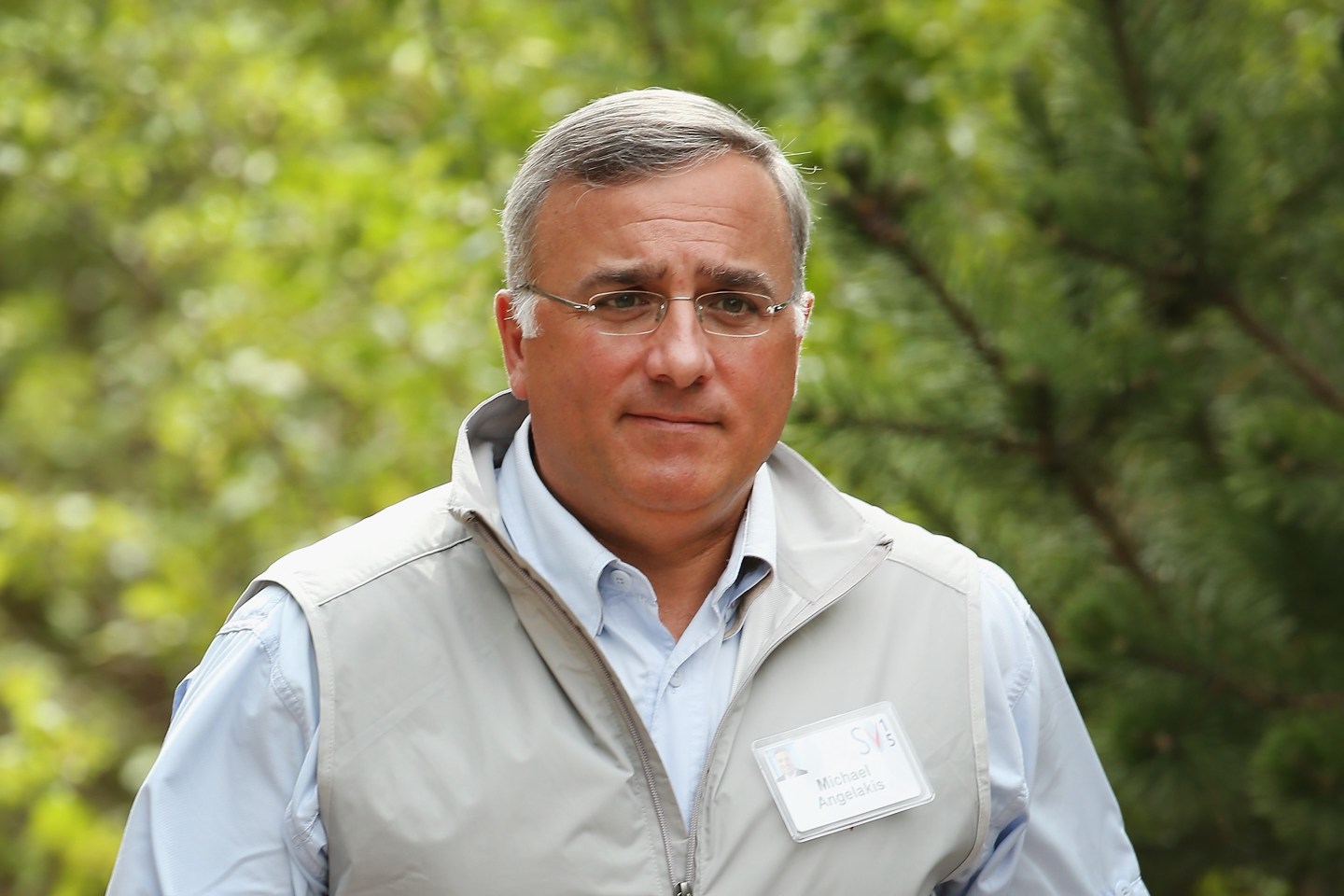
Good morning. Comcast Corporation announced on Monday that it plans to separate its media and technology businesses into two independent, publicly traded companies through a tax-free spin-off of NBCUniversal and Sky. Comcast’s former CFO is returning to take a top seat.
Mike Cavanagh, co-CEO of Comcast (No. 37 on the Fortune 500), will become CEO of NBCUniversal. Former vice chairman and finance chief Michael Angelakis will return as CEO of Comcast. Longtime leader Brian L. Roberts, who currently serves as Comcast’s chairman and co-CEO, will remain actively involved in both companies, working in partnership with the CEOs, according to the announcement. The board and management team said that growing competition in the telecom and media industries has increased the need for strategic flexibility, and the transaction is expected to close in mid-2027.
Angelakis joined Comcast in 2007 and stepped down as CFO in 2015 to launch Atairos, a strategic investment company formed in partnership with Comcast, where he became chairman and CEO. Atairos remains focused on long-term investments in growth companies.
Angelakis is Comcast’s “widely admired former CFO,” Roberts said in a statement. His “deep knowledge of the business and passion for technology,” combined with the Comcast management team, will serve the company as it continues to take bold actions to stay competitive, he added.
In the CFO role, Angelakis helped lead Comcast’s acquisition and integration of NBCUniversal from 2011 to 2013. He will return as a strategic advisor to help guide the planned spin-off of NBCUniversal and Sky into a separate media company before stepping into the CEO role at Comcast.
Finance chiefs are becoming increasingly central to corporate strategy, and boards are noticing. In 2025, CFO-to-CEO promotions in the Fortune 500 and S&P 500 reached their highest level in a decade—10.26%, up from 6.5% in 2015—according to Crist Kolder Associates’ Volatility Report.
Warner Bros. Discovery (No. 126) offers another example. The company announced last year that it would split into two standalone businesses, with CFO Gunnar Wiedenfels becoming CEO of Discovery Global. David Zaslav, president and CEO of Warner Bros. Discovery, will lead the separate Warner Bros. company, which includes the studios and streaming businesses.
Comcast Cable is a leading U.S. cable internet provider under the Xfinity brand, while NBCUniversal includes the NBC television network and Universal Pictures film studio. In January, Comcast completed the spin-off of its cable networks—including USA, CNBC, MSNBC, Oxygen, E!, Syfy and Golf Channel—into an independent, publicly traded company named Versant Media Group.
Morningstar maintains its $41 per share fair value estimate, based on its cash flow forecast for each business. “Roberts denied that this split is intended to facilitate additional transactions,” Equity Director Michael Hodel wrote in an investor note. “That claim doesn’t make sense to us.”
Angelakis said in the announcement that Comcast’s assets, customer relationships, and track record of innovation provide a “powerful foundation for the future.” He plans to “execute aggressively” and invest for growth while pursuing new opportunities to create value, he said.
Sheryl Estrada
sheryl.estrada@fortune.com
Leaderboard
Andrew Langford was appointed CFO of symplr, a provider of enterprise healthcare operations software, effective immediately. Langford succeeds Tom Fink, who has served as interim CFO since early 2026. Previously, Langford was an EVP at Zelis, a healthcare technology company, where he oversaw financial strategy, treasury, enterprise pricing and operational planning. Before Zelis, he spent nearly a decade at Global Payments, Inc. in a series of progressively senior finance leadership roles.
Valeriy Kim was promoted to CFO of Freedom Holding Corp. (Nasdaq: FRHC), a diversified financial services conglomerate. Kim succeeds Evgeny Ler, who has served as the company's CFO since 2015. Ler is expected to serve as a special advisor to CEO Timur Turlov, focusing on financing and M&A activities. Kim most recently served as VP of finance of Freedom Holding Corp. and CEO at Freedom Holding Operations LLP, a subsidiary. Kim previously served as CFO of Freedom Finance Global PLC, also a company subsidiary, from 2020-2024.
Big Deal
Global M&A is on track for its second-highest year ever in 2026, according to Bain & Company’s midyear report. Deal value is up 41% year over year to $2.4 trillion in the first five months, and megadeals are driving a broad-based resurgence across sectors and regions.
But Bain warns that acquirers now face an AI “winner’s paradox”: they must execute ambitious, often $10 billion-plus strategic transactions while simultaneously delivering complex AI transformations, especially as AI’s impact extends well beyond the tech sector.
The report highlights Europe as a hot spot for large strategic deals, notes a rising mix of stock-plus-cash financing, and shows that megadeals typically take years to fully integrate—raising the stakes for leaders trying to capture synergies and modernize workflows at the same time. Bain argues that winning companies will treat integration as a critical moment to accelerate AI ambitions, use AI to identify and validate cost synergies faster, and ground their M&A playbooks in six core questions on AI’s role in deal theses, value creation, transformation, leadership, and integration management.
Going deeper
Can AI models be persuaded? A piece in Wharton’s business journal explores new research from Wharton’s Generative AI Labs suggesting that safeguards designed to prevent misuse may be vulnerable to the same psychological tactics that influence people.
The researchers tested models from three leading AI labs—OpenAI’s GPT-5 Mini, Anthropic’s Claude Haiku 4.5, and Google’s Gemini 3 Flash—by having 126,000 “conversations” with them. They found that well-known persuasion tactics such as “authority” and “social proof,” whereby people defer to experts or follow the crowd, could cajole models into overriding their own defenses, leading them to comply with dubious requests they should reject, including asks to help synthesize controlled substances such as opioids.
Overheard
“It’s an accountability driver. It doesn’t solve problems for you, but it tells you your problems.”
—Patrick Sheehan, VP of value-based care at intelligent health devices company Withings, said this of wearables that measure users’ health data during the Fortune Brainstorm Tech conference in Aspen this month. Sheehan argued that the real challenge is what to do with all that data now that people have detailed information about themselves—and, more importantly, identifying the exact behaviors they need to change. “The wearable paired with the action or an intervention is solving a problem,” Sheehan said.