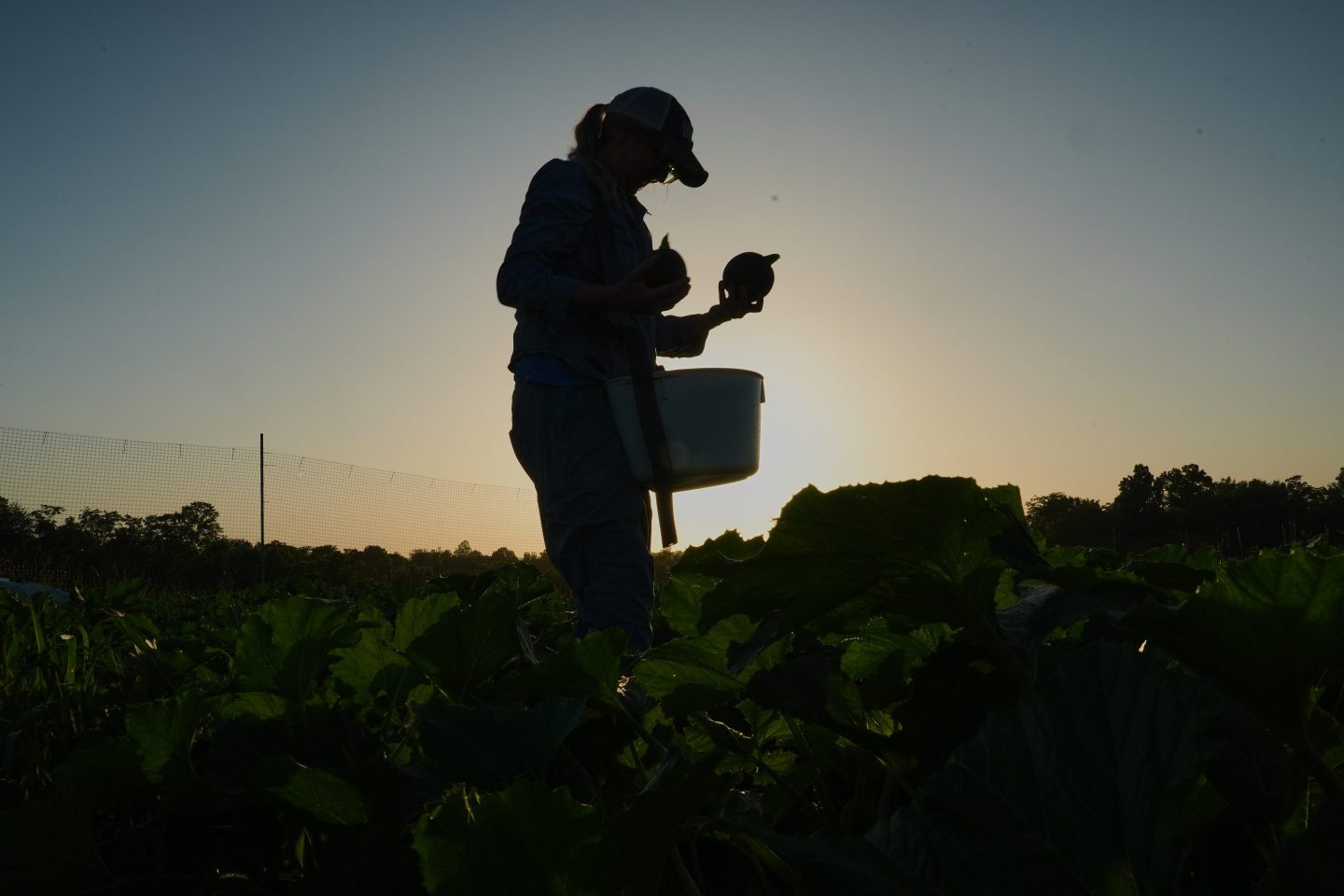
Perched on California’s Monterey Bay, Santa Cruz is known for its surfing, beaches and boardwalk. Less idyllic is its vulnerability to drought, which puts the beach town on the frontlines of a growing water crisis facing communities around the world as climate change intensifies.
As the area gets hotter and drier, Santa Cruz could see median household water bills nearly double to as much as $120 a month from $64 by 2050, according to new research published in Nature Sustainability on Wednesday.
These price increases reflect the need to build new infrastructure to expand the local water supply.
Water costs in the US have already been rising faster than overall consumer prices. Unlike conventional forecasts of water rate increases, which tend to extrapolate from historical trends, the study focuses on the costs driven by climate change alone.
“In hotspots in the US where cities face similar vulnerability from water stress, water bills might go up even more than current projections,” says Sarah Fletcher, assistant professor of civil and environmental engineering at Stanford University and a co-author of the paper.
Extreme weather events are playing a role in driving up everyday costs from grocery prices to insurance rates, sparking concerns among central bankers, policymakers and corporate executives about how to manage climate-induced inflation.
The authors of the study honed in on affordability at the household level, Fletcher says. Their model included where the city’s water comes from, how the local utility finances new infrastructure and sets rates and how rising rates might change how households use water.
The research team focused on Santa Cruz because it’s especially vulnerable to drought. Unlike other California cities that import water, its supply comes from local rainfall, and the city’s lone reservoir can store only about a year’s worth of its needs.
The city has also already taken measures to reduce its water usage, such as restricting lawn watering and shifting to water-efficient appliances, limiting how much it can implement cheaper adaptation options that cut back on user demand.
That leaves it with largely expensive long-term infrastructure investments to expand water supply, like building a desalination plant to convert sea water into drinking supplies, or recycling wastewater, Fletcher says. Those costs would translate into higher bills for customers, the study found, assuming no government support.
Santa Cruz did not immediately return a request for comment about the study. In a water management plan released in June, it outlined various projects focused on water supply, including to store treated surface water in an aquifer and pipeline connections with nearby water districts to transfer supply between systems during dry periods.
Some 20% of Santa Cruz households already pay more for water than they should based on an Environmental Protection Agency standard for water affordability, the study found, and that share could rise to 35% in hot, dry conditions in which more infrastructure is needed. The burden will be highest for low-income households with less room in their budgets to cushion such increases, Fletcher says.