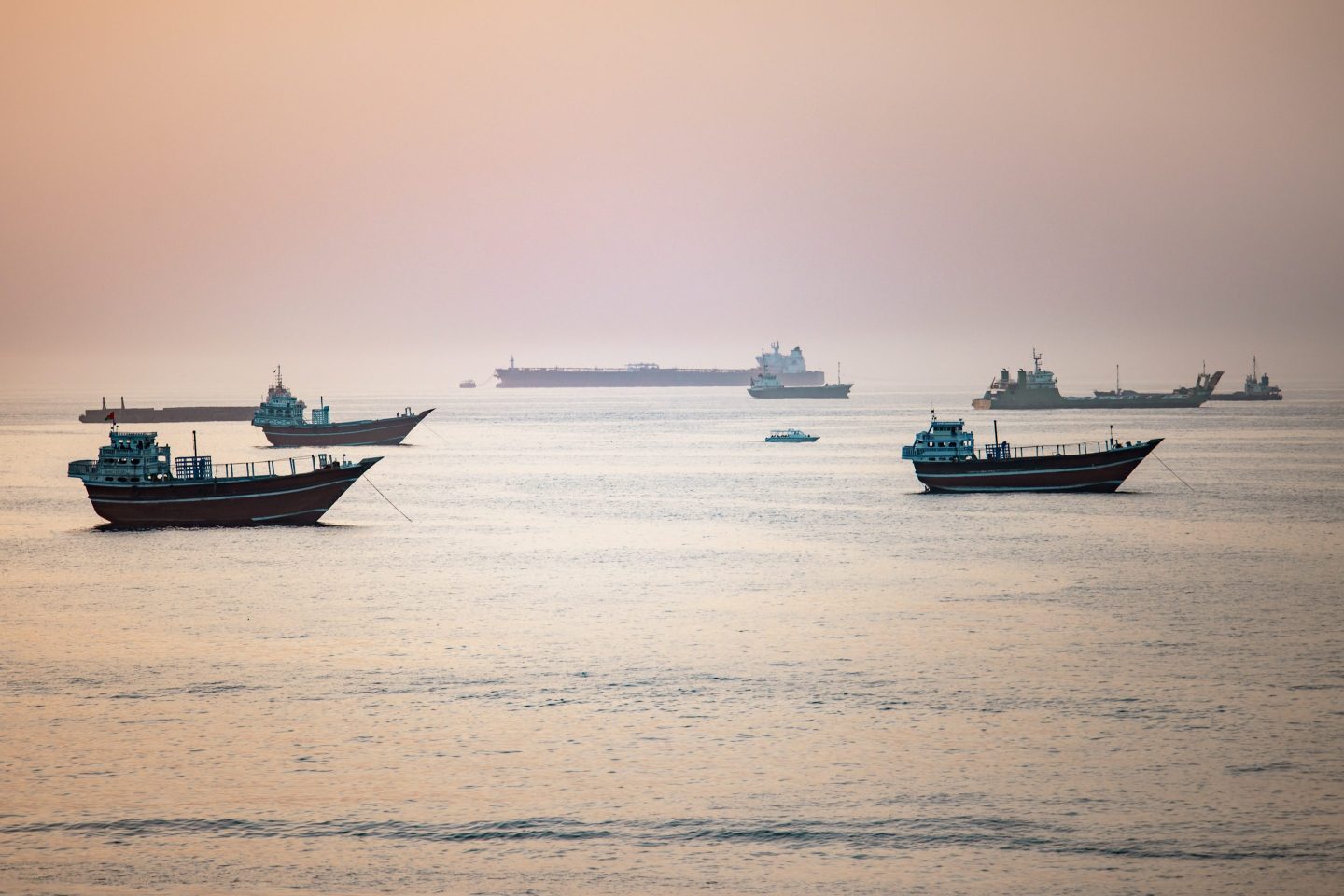
The battle for the Strait of Hormuz is heating up as the U.S. and Iran exchange bigger and bigger blows to control the critical energy chokepoint.
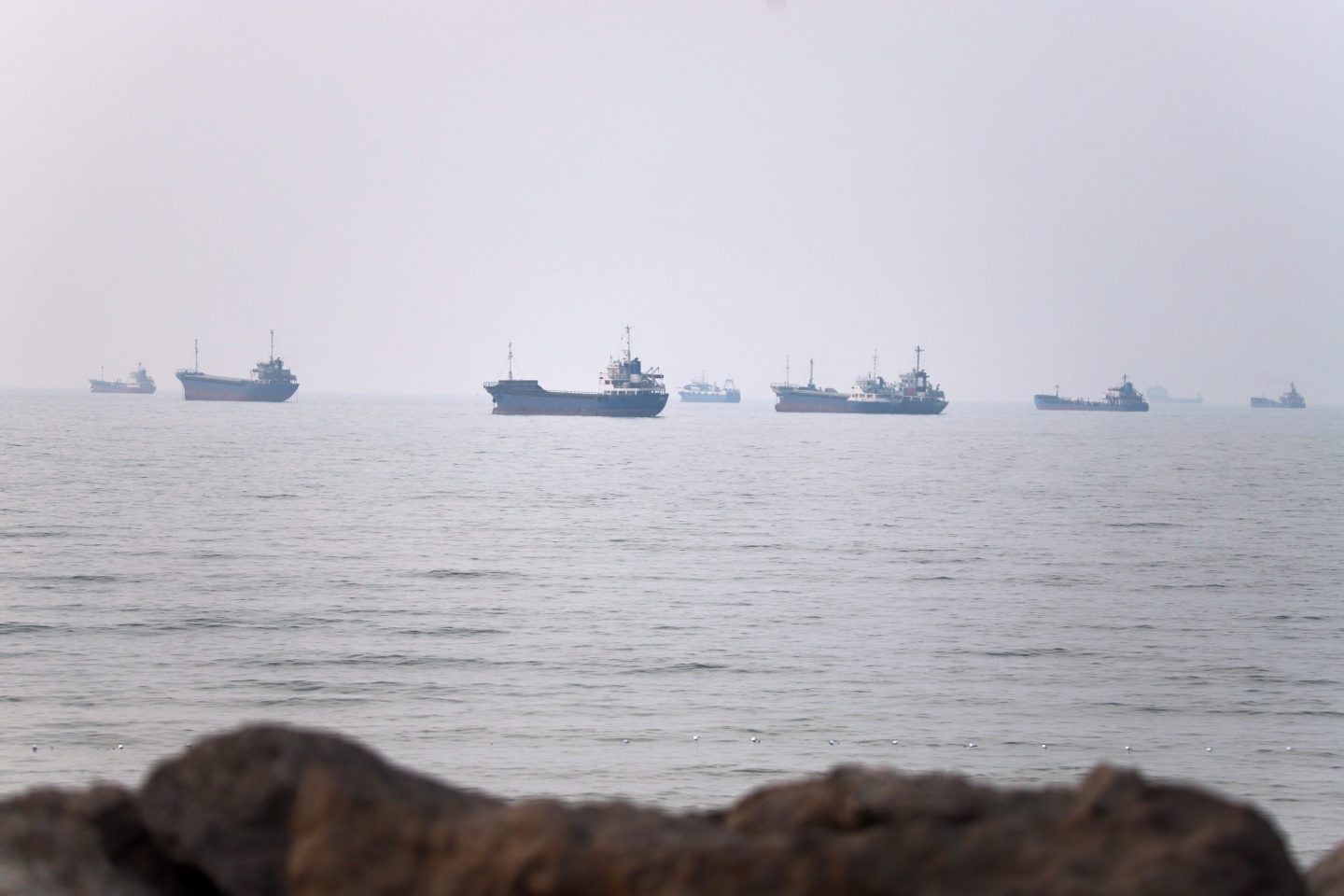
The past week has seen three rounds of strikes by the U.S. military, which is responding to Iranian attacks on commercial ships and defending a route that follows the Omani coast.
According to Central Command, U.S. forces hit a total of 300 targets “to degrade Iran’s ability to attack civilian mariners and commercial vessels freely transiting the strait.”
The biggest round came late Saturday, when about 140 Iranian military targets were struck, including missile and drone sites, naval capabilities, ammunition storage facilities, communication networks, and coastal surveillance locations, Central Command said.
A fourth wave came on Sunday as the U.S. conducted a “few strikes” on Iranian missile and air-defense systems as well as small boats around the strait, sources told the Financial Times.
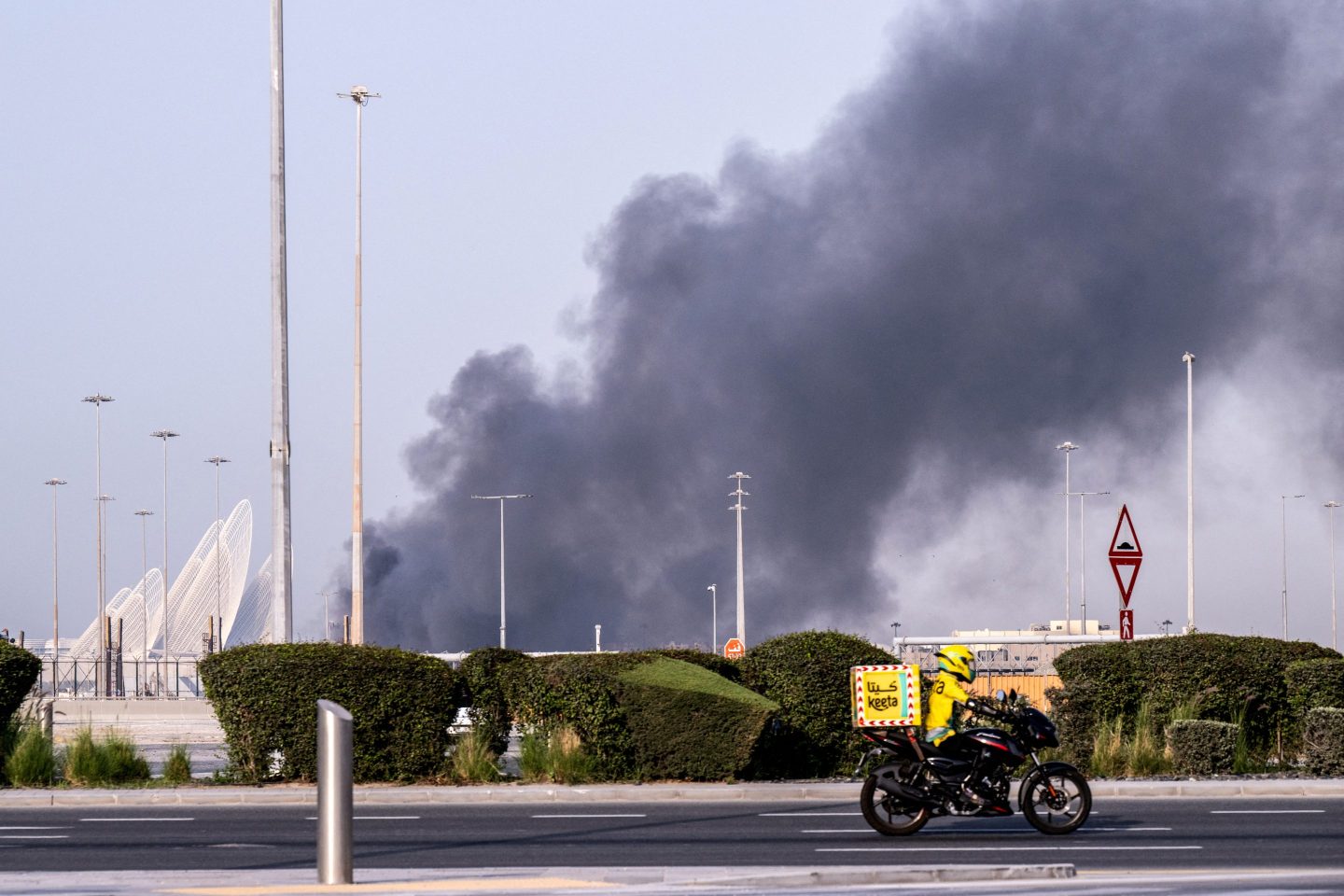
Meanwhile, Iran has attacked Gulf Arab neighbors, including Bahrain, Kuwait, Qatar, Jordan and Oman, marking the most extensive fighting since April.
Despite declarations from Tehran that the Strait of Hormuz is closed again, the U.S. insisted that’s not true.
“U.S. forces are positioned and prepared to ensure that freedom of navigation remains available despite unwarranted Iranian aggression, harassment, threats, and arbitrary declarations. Iran does not control the strait. Traffic is flowing,” Central Command said on Sunday.
Since early May, U.S. forces have helped more than 800 commercial vessels and 400 million barrels of crude oil transit the strait.
At the same time, Iran has argued that the memorandum of understanding signed with the U.S. last month gives it authority to regulate ship traffic and has attacked ships that are not using a regime-backed corridor that runs along the Iranian coast.
The standoff has fueled increasingly violent skirmishes as Iran seeks to preserve its main source of leverage, namely the ability to effectively shut down Hormuz traffic.
Indeed, ship-tracking data indicated that crossings along the U.S.-defended route along Oman’s coast have dropped since Iran’s latest attacks.
And while Iran has been unable to defend against retaliatory airstrikes, the U.S. has not been able to reopen the strait via military force, protect all ships from Iranian attacks, nor deter Tehran from launching more drones and missiles.
For Sal Mercogliano, a Campbell University professor who specializes in military and maritime history, the recent fighting is an ominous sign, blaming ambiguity and flaws in the MOU.
“I have a feeling that this could go poop very fast, and that’s the fear once you unleash the dogs of war,” he said on a YouTube post on Sunday.
Mercogliano also called the ceasefire deal a “facade” that could lead to more escalation. He pointed out that the so-called “tanker war” in the 1980s that saw the U.S. Navy defend commercial vessels from Iran set off a chain reaction of involvement in the Middle East for decades, culminating in this year’s Iran war.
“And it’s been a facade for quite a while,” he added. “And one of the things I fear is that we’re finding ourselves in this undeclared naval war. And an undeclared naval war can escalate.”
With neither side backing down, hopes for fully restoring free navigation have dimmed, and mediators are now looking to simply split the difference.
Oman reportedly drafted a proposal to manage traffic in the strait through two separately controlled routes: a southern corridor through Omani territorial waters and a northern corridor through Iranian waters.
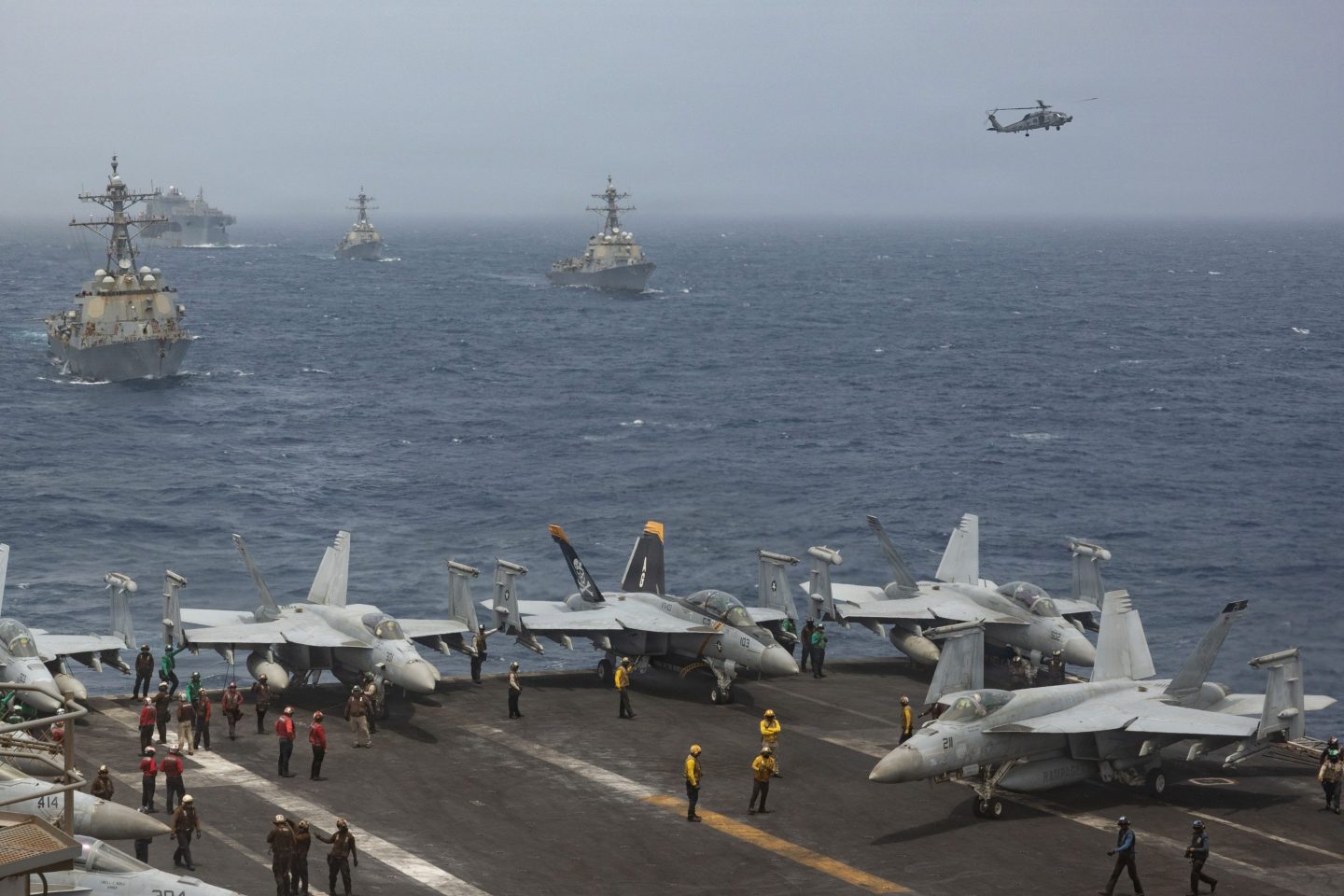
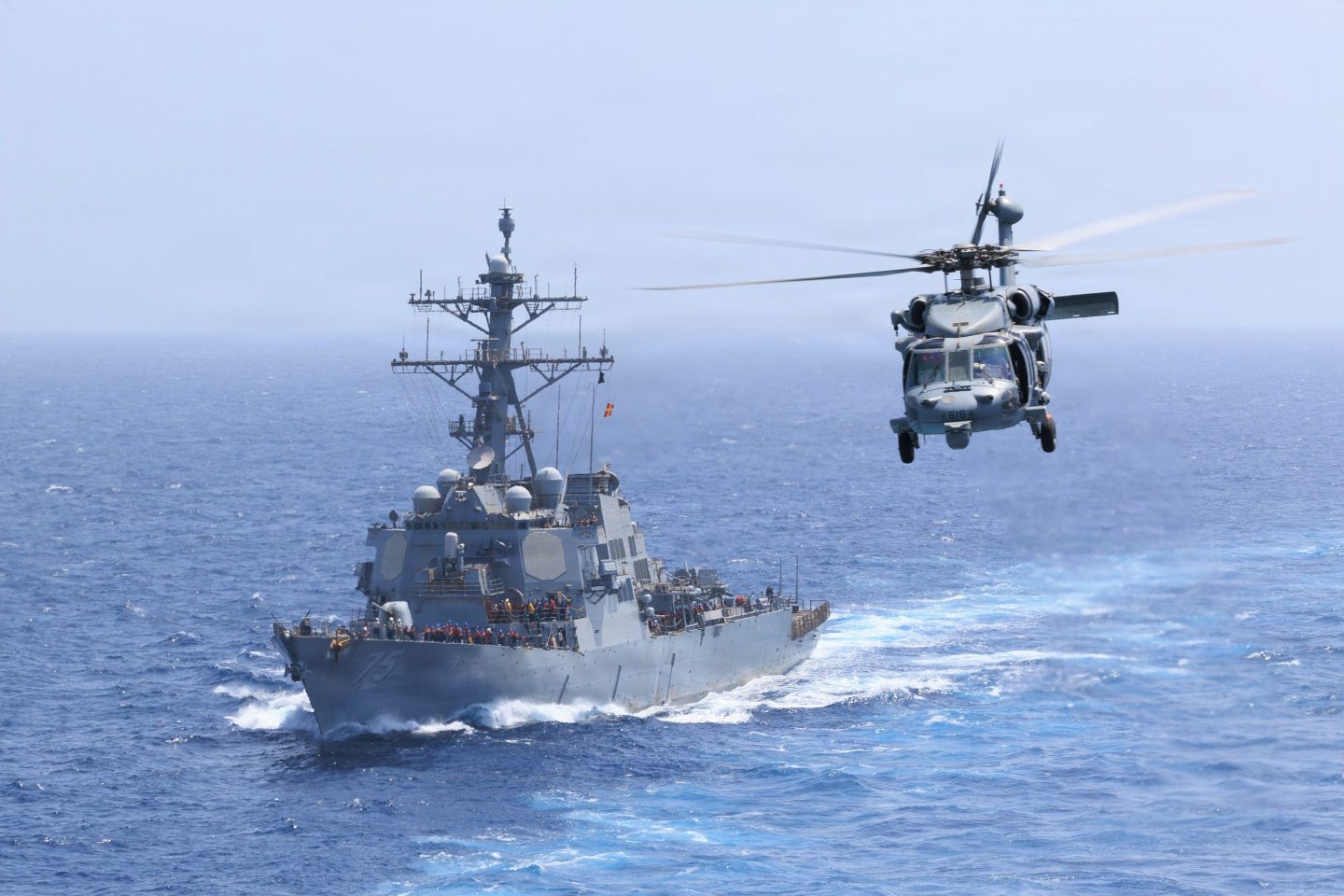
For now, the U.S. is maintaining a significant military presence. Central Command said this week that 20 Navy warships are patrolling waters across the Middle East.
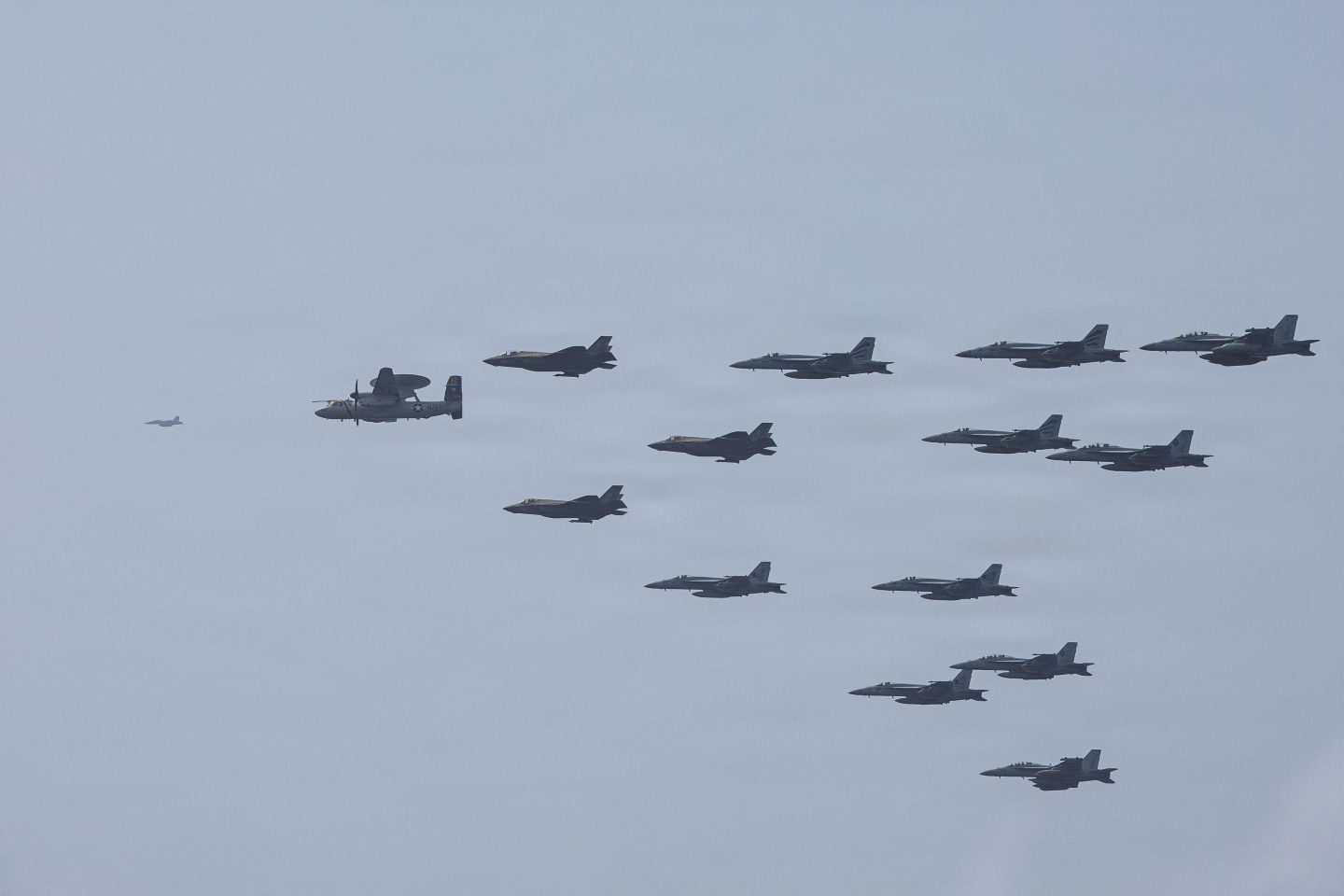
It also made a point of demonstrating its ability to operate freely in the area, saying warships and aircraft transited the Arabian Sea in close formation last month.
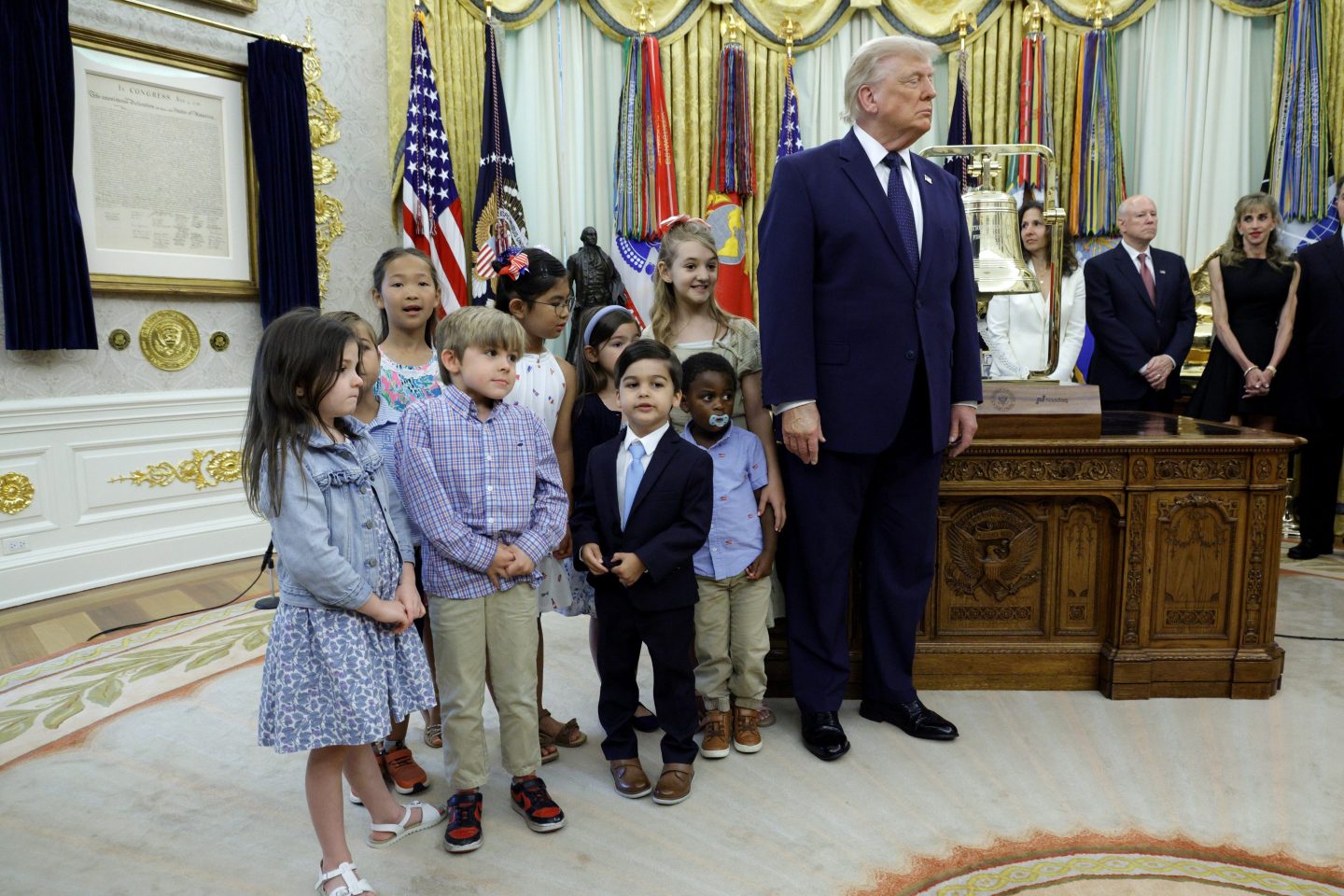
For his part, President Donald Trump has indicated reluctance to restart all-out war but recently said he would consider reimposing the naval blockade, which redirected 139 ships and disabled nine when it was in place from mid-April to mid-June.
Stopping the flow of ships with Iranian oil cut off a top source of revenue for the regime and further hobbled an economy that was already reeling before the war started.
In fact, the blockade was so effective the first time around that top Iranian officials told Iran’s supreme leader that it was crushing the economy.
President Masoud Pezeshkian warned economic conditions were dire, the U.S. naval blockade was crippling, and that he would resign if a ceasefire deal wasn’t approved, senior Iranian officials told the New York Times.
The head of Iran’s central bank separately said the country faced a severe budget crisis, was unable to sell oil via alternative trade routes at necessary volumes, and would run out of critical food and medical supplies by late August if the blockade wasn’t lifted, the report added.