
When you’re used to working hard, you may sometimes find yourself feeling overwhelmed and worn out. And while that can be caused by a number of factors—which is why it’s always a good idea to check with a healthcare provider rather than self-diagnose—some people may realize they have a nutrient deficiency or that they could use some immune support.
Zinc is a popular supplement used for overall wellness, with companies claiming it can help with a variety of issues, ranging from immune support to muscle recovery and sleep. We looked at a range of zinc supplements on the market and found several impressive options, each with its own advantages. Here are Fortune’s picks for the best zinc supplements, along with our testing team’s feedback on each.
Why Trust Fortune
Our team of expert testers has tried hundreds of the most popular supplements on the market today, using our comprehensive supplement testing methodology to find the best products for all folks.
Best Zinc Supplements of 2026
- Best Zinc Supplement Overall: Transparent Labs ZMO
- Best Value Zinc Supplement: Nutricost Zinc
- Best Zinc Picolinate Supplement: Sports Research Zinc Picolinate
- Best Zinc Supplement for Immunity: Needed Immune Support
Best Zinc Supplements Comparison Table
Best Zinc Supplement Overall: Transparent Labs ZMO
Transparent Labs ZMO
Zinc per Serving
% Daily Value per Serving
Third-Party Testing
Serving Size
Our thoughts: Contains 100 percent of the RDV for zinc
Who it’s for: Those who may be deficient in zinc or magnesium, and athletes
What makes it different: Some options have much higher doses of zinc, while this one offers a full day’s worth
- Third-party tested
- Provides 100% RDV of zinc
- Good value
- Contains oyster, so may not be suitable for those with a shellfish allergy
- Free shipping minimum is $99
- Efficacy likely depends on whether you’re actually deficient in those nutrients
Our Thoughts on Transparent Labs ZMO
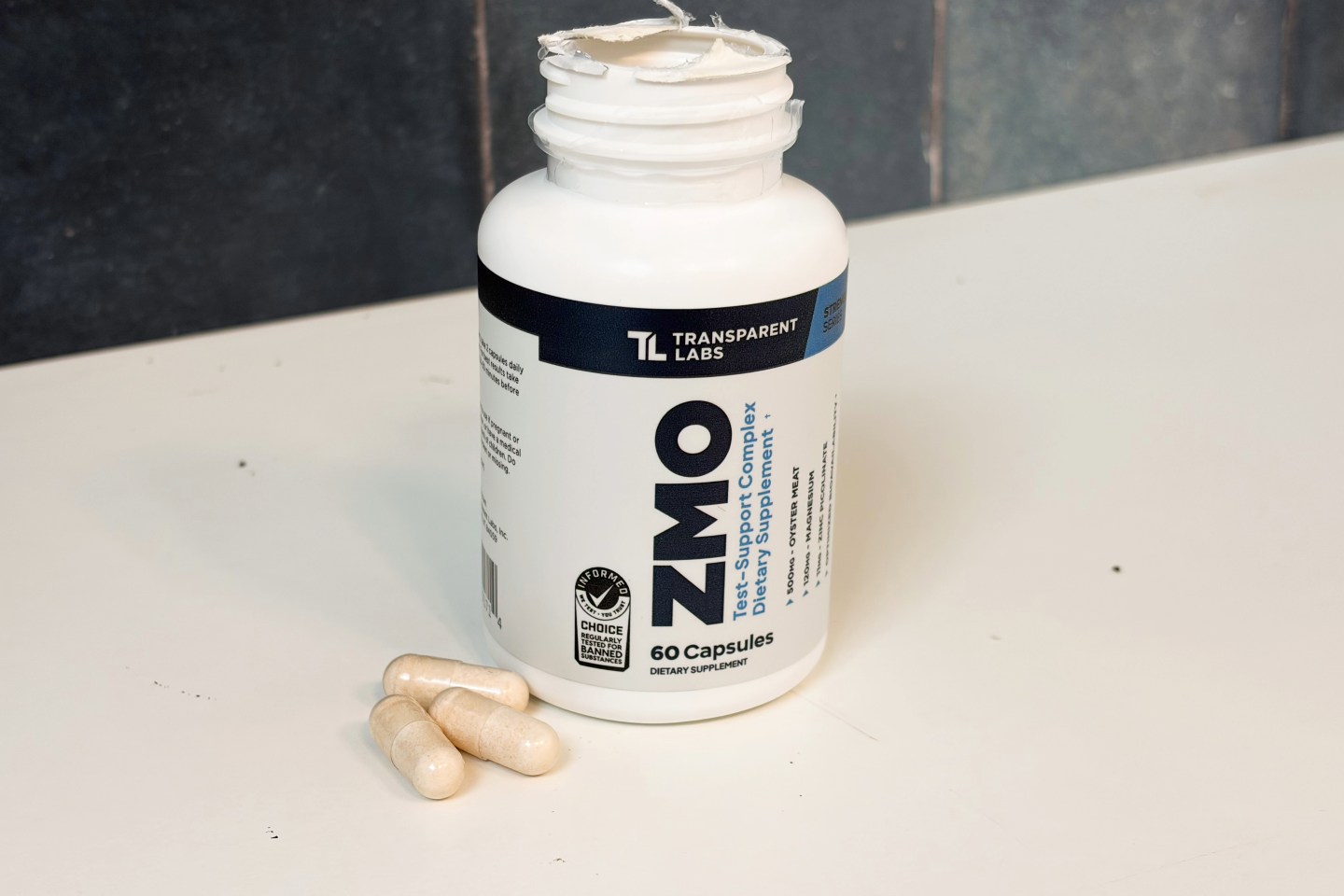
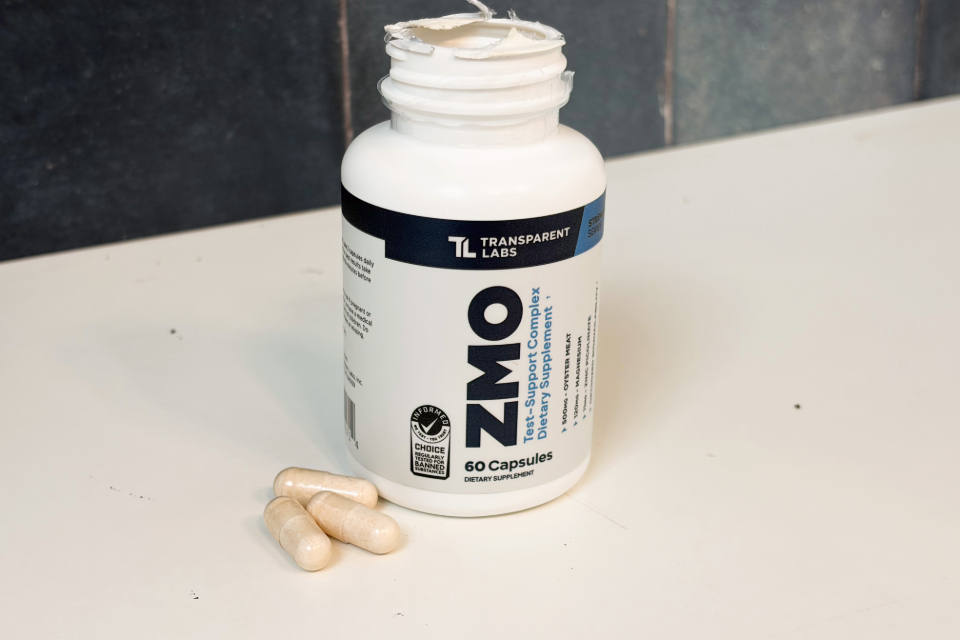
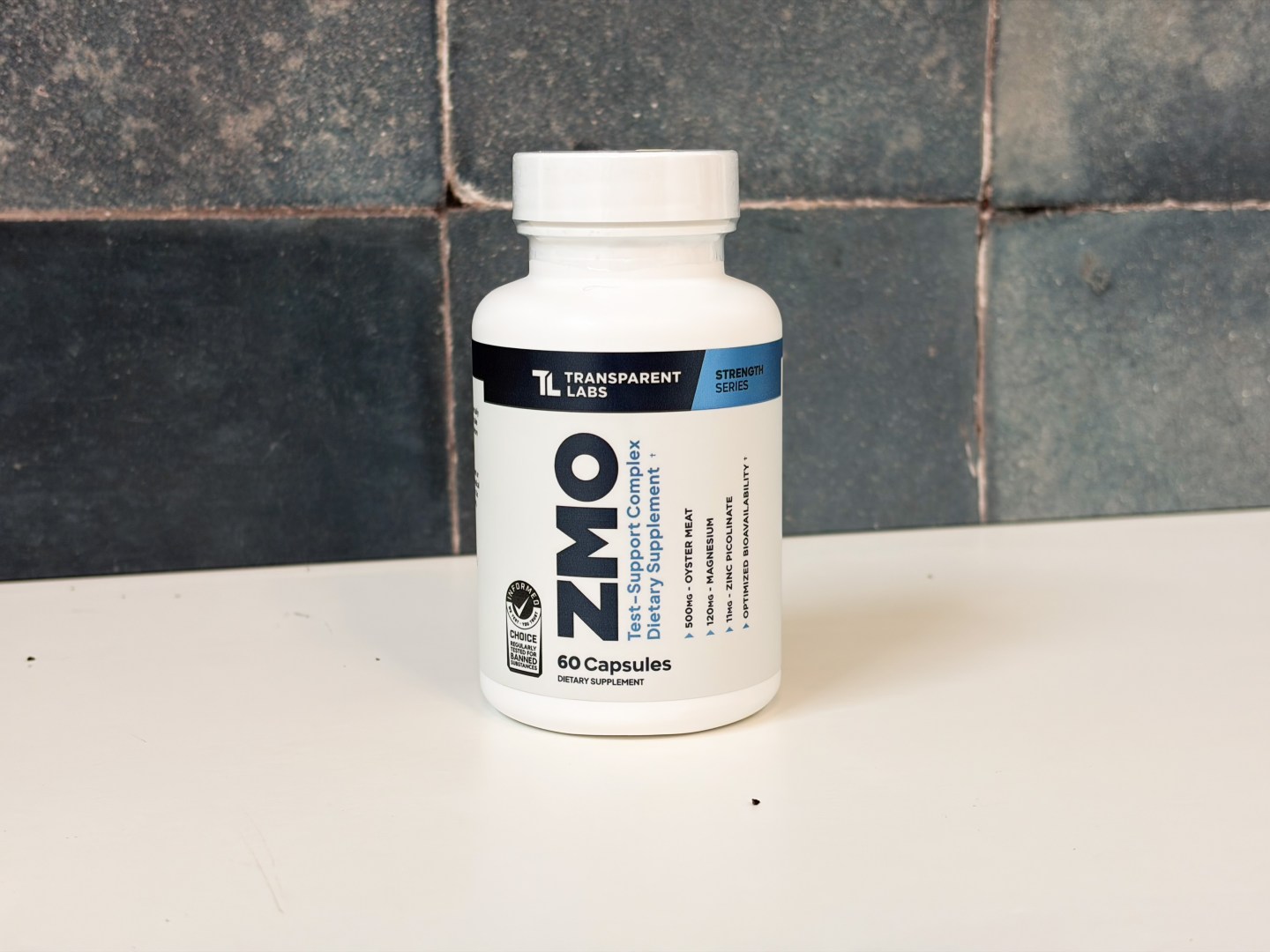
Transparent Labs ZMO—which stands for zinc, magnesium, and oyster—is marketed as “a bioavailable blend” of zinc picolinate, magnesium bisglycinate, and oyster meat powder that’s designed to promote muscle recovery, sleep, and overall wellness. Transparent Labs ZMO also purportedly supports testosterone, and the product doesn’t contain any artificial sweeteners, colors, or preservatives. The company also says it’s designed specifically for athletes, bodybuilders, and gym-goers.
Pete, a member of our testing team who’s also a certified nutrition coach, tried Transparent Labs ZMO. Here’s what he said about the experience.
Our tester first noticed that the label is well designed, and noted, “You can clearly see the Informed Choice logo, which demonstrates third-party testing.” The label included the supplement facts and directions, which were to take two capsules daily with 12 ounces of water—and for best results, to take them on an empty stomach about 30 to 60 minutes before going to sleep. Pete rated the instructions a 5 out of 5.
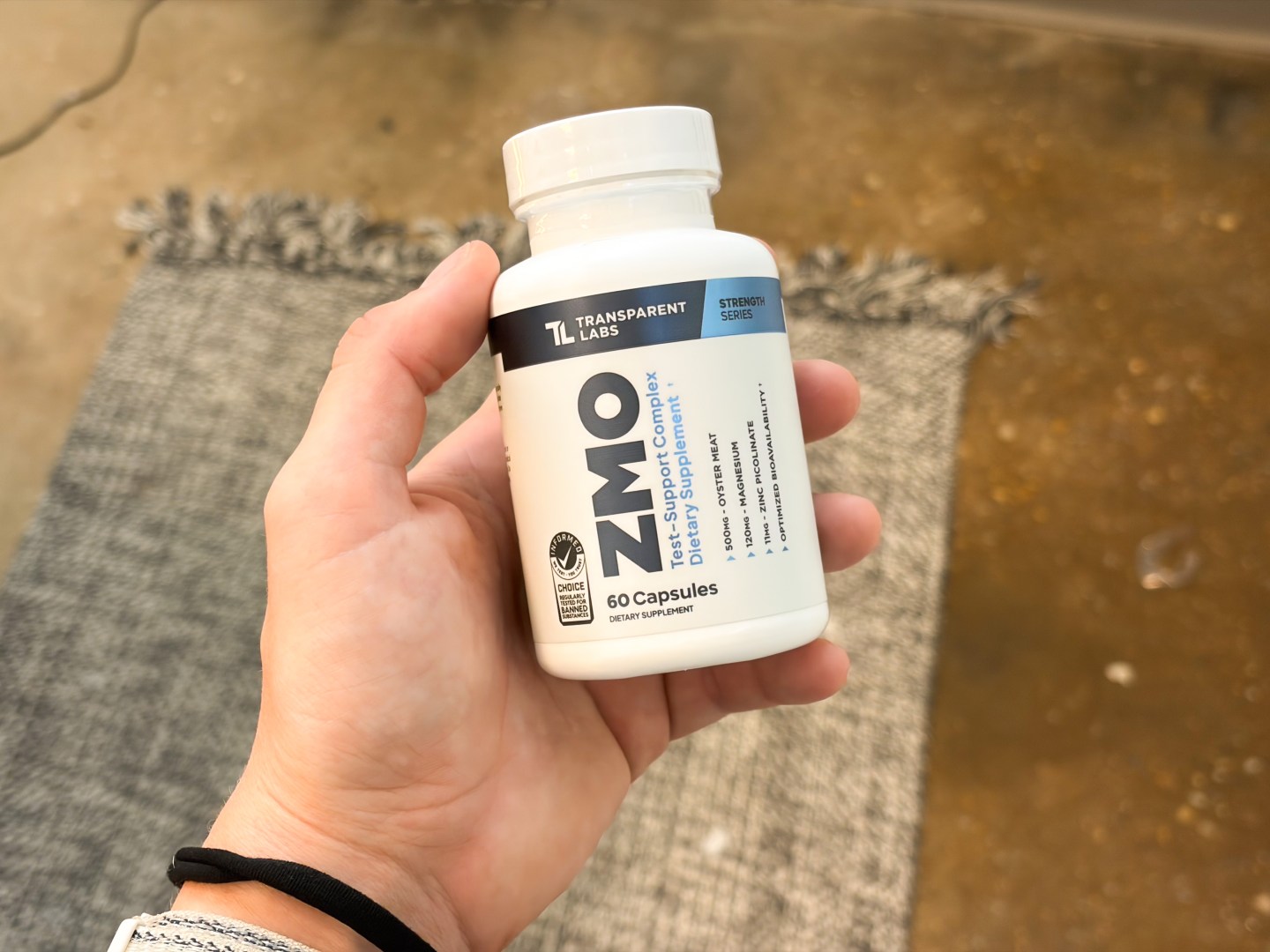
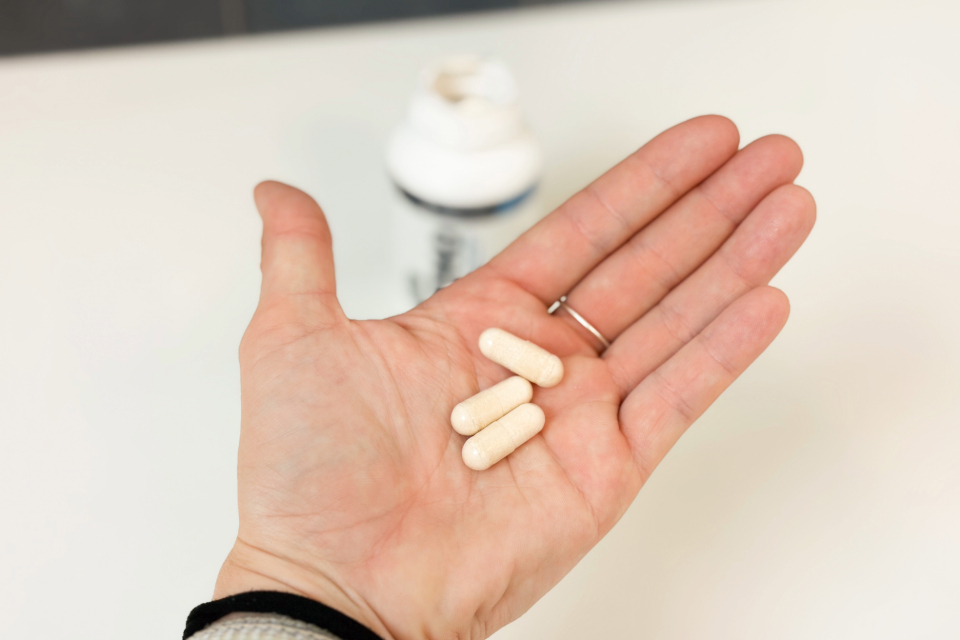
Pete observed, “The capsules are standard size,” and said the two-capsule serving was easy to swallow. He rated the product a 3 out of 5 for swallowability, indicating an average experience. The capsules were also tasteless, according to Pete, who rated the product another 3 out of 5.
“I didn’t notice any immediate effects from using this product,” said Pete, explaining, “You would need to take this consistently over time and do blood work to see measurable results.” He did note that he didn’t experience any side effects or digestive issues, and concluded, “Transparent Labs ZMO is basically an upgraded version of your typical ZMA supplement. The ingredient list includes zinc and magnesium, and Transparent Labs uses high-quality forms your body can actually absorb. The formula also includes oyster meat powder, which is basically just a source of trace minerals.”
Pete also weighed in on the company’s marketing claims, saying: “The main marketing behind this product is better sleep, faster recovery, and a natural boost to testosterone. One thing to keep in mind with these types of supplements is that if your levels are already adequate, then you probably won’t feel or see any dramatic difference. These types of products only really work when you’re not consuming enough of these minerals.”
Best Value Zinc Supplement: Nutricost Zinc
Nutricost Zinc
Zinc per Serving
% Daily Value per Serving
Third-Party Testing
Serving Size
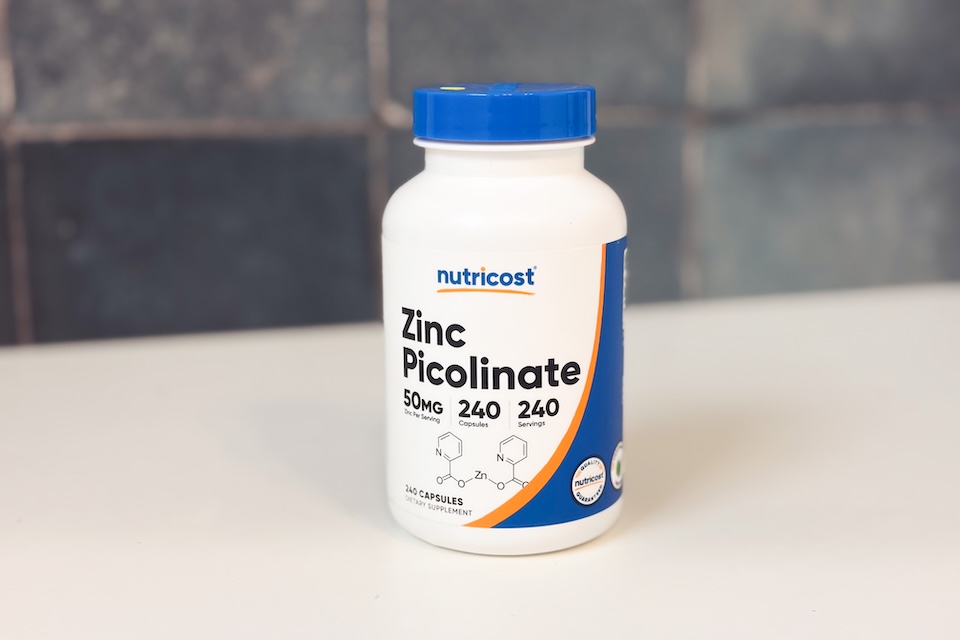
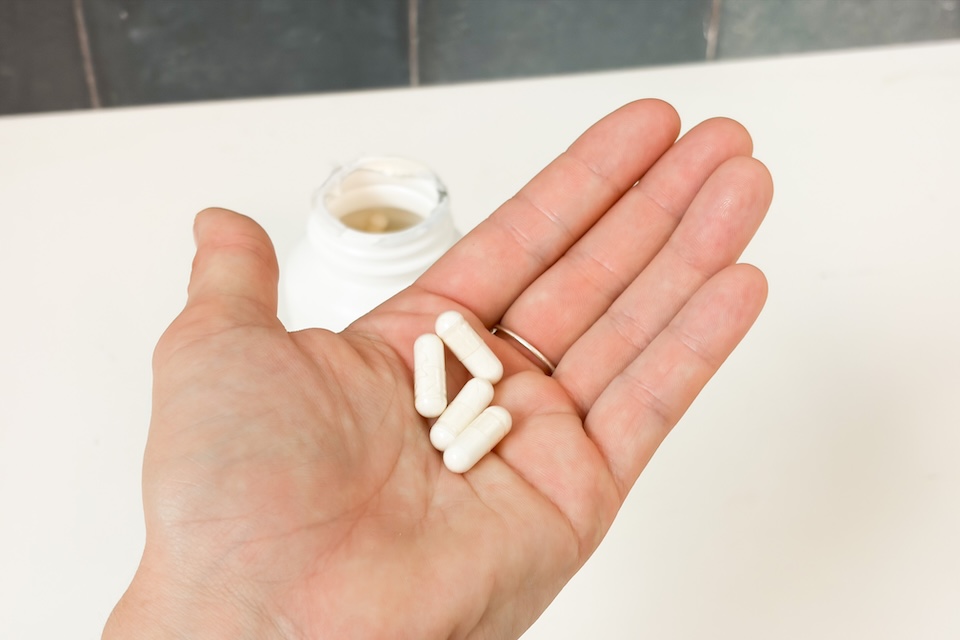
Our thoughts: A budget-friendly zinc supplement
Who it’s for: People who want a straightforward zinc supplement at a great price point
What makes it different: The “absurdly cheap” cost per serving
- Third-party tested
- Lowest cost in the lineup, at just 7 cents per serving
- Straightforward product formulation with a high dose of zinc
- Minimal product information on the website
- Free shipping minimum is $59
- Fairly utilitarian package design, which some may not prefer
Our Thoughts on Nutricost Zinc
Nutricost Zinc Picolinate Capsules have a straightforward formula that includes a high dose of zinc. The company says the product is non-GMO, gluten-free, and manufactured in a GMP-compliant facility. As is typical with Nutricost, the available product information is pretty minimal—the website doesn’t include a list of benefits, for example. But Nutricost offers a straightforward zinc supplement at a very low price, just seven cents per serving, which is exactly what some people are looking for.
Pete tested this supplement as well, giving it solid marks in all categories.
He first examined the product packaging, noting, “The label is well designed and shows the relevant information like the milligrams per serving, number of capsules, and serving size.” He also found the instructions easy to understand, rating them 5 out of 5.
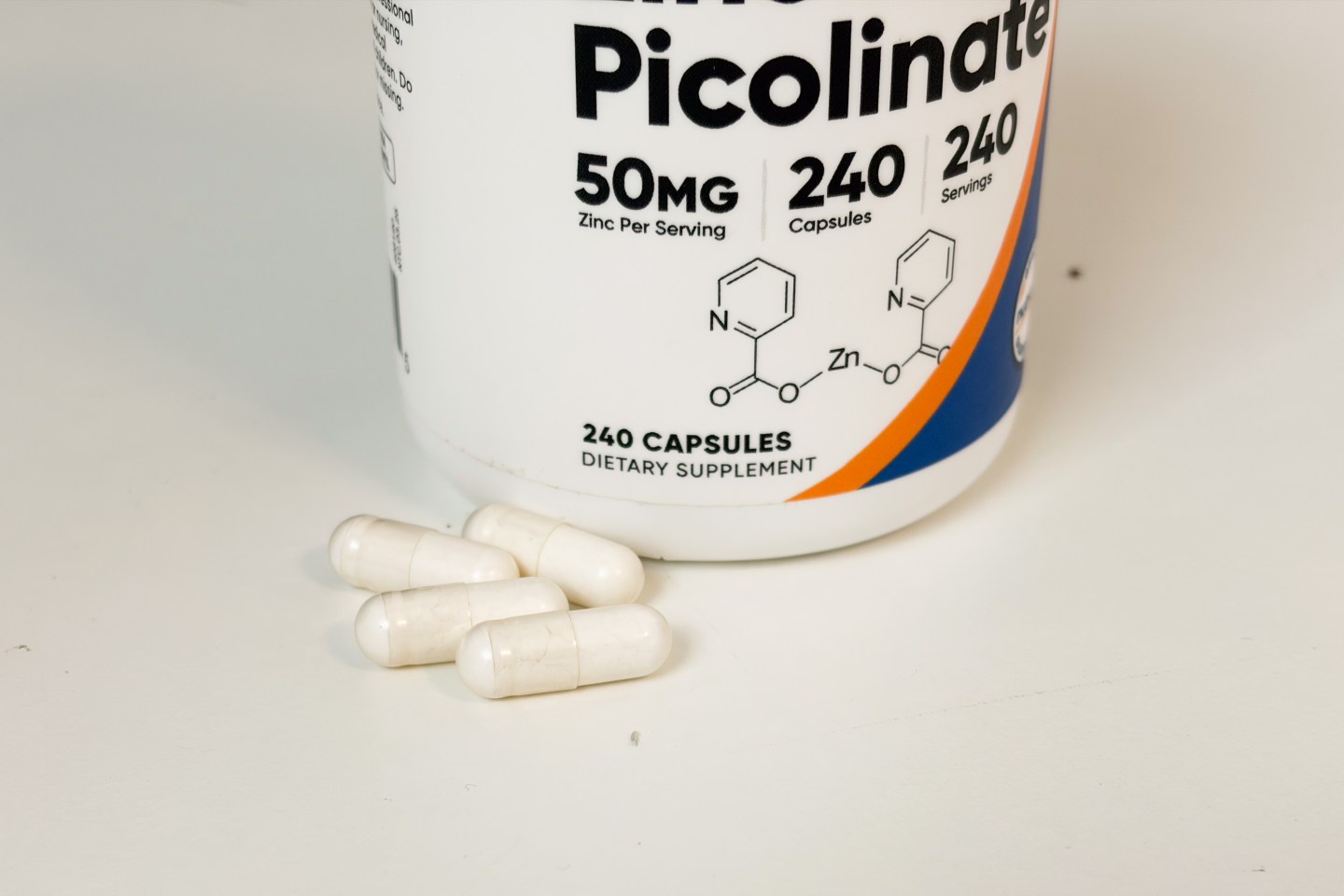
After taking one capsule with eight to 12 ounces of water, in accordance with the directions, Pete reported that the capsule was pretty easy to swallow. He rated the product a 3 out of 5 for swallowability, indicating an average overall experience. Pete explained, “The capsules are a bit smaller than average,” which helped.
Pete said there was no real flavor and gave Nutricost’s zinc supplement a 3 out of 5 for taste—indicating a neutral flavor.
His takeaway: “Nutricost Zinc Picolinate is a budget-friendly zinc option. There’s nothing fancy here, just a straightforward vegetarian capsule with the zinc picolinate powder inside.” He added, “I didn’t see any immediate benefits, but again, with these types of products, you would need before-and-after bloodwork to see results.”
Lastly, Pete emphasized the product value, calling it “absurdly cheap for a quality zinc supplement.”
Best Zinc Picolinate Supplement: Sports Research Zinc Picolinate
Sports Research Zinc Picolinate
Zinc per Serving
% Daily Value per Serving
Third-Party Testing
Serving Size
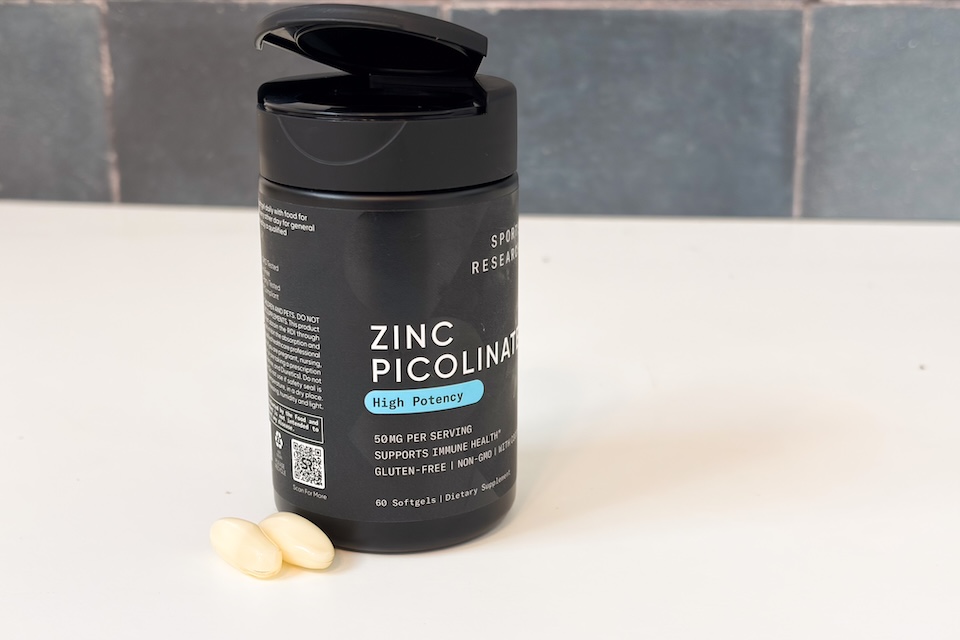
Our thoughts: A zinc supplement in a softgel form
Who it’s for: People who prefer softgels to other types of supplements, and who are looking for a higher-dose option
What makes it different: The high dose, helpful instructions, and softgel delivery system
- Third-party tested
- Travel-friendly packaging that was easy to open
- Clear instructions that note both initial and maintenance dosages
- Contains coconut oil, so not suitable for people with a coconut allergy
- May be a higher dose than necessary for some people
- Some softgels were misshapen, possibly from the package sitting in the sun
Our Thoughts on Sports Research Zinc Picolinate
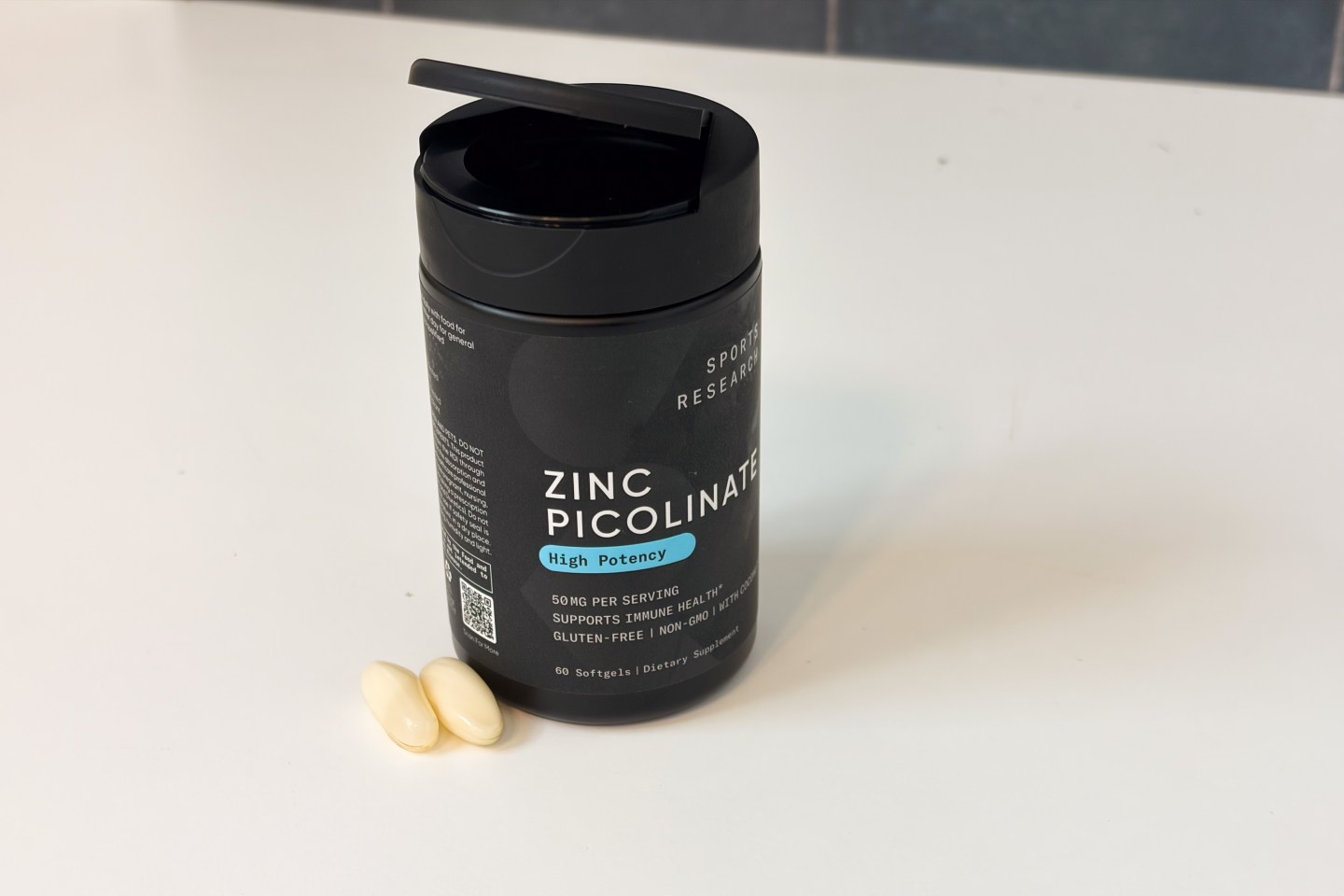
Sports Research is the only softgel option in the lineup, which is what the company uses for most of its supplements. As noted on the website, Sports Research uses this delivery system because it “offers advantages over hard tablets and capsules that often contain fillers and are hard to swallow.” It continues, “Liquid softgels are hermetically sealed, protecting the nutrients inside, and are always filler-free, providing you with a high-quality product.” Sports Research says that zinc supports immune health and enzyme function.
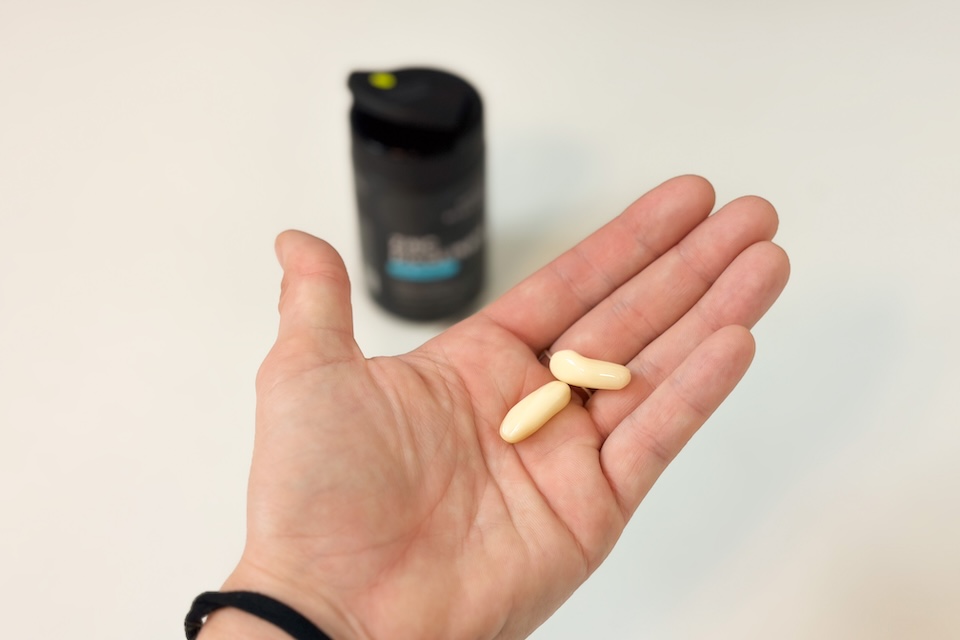
Our tester, Pete, said this supplement came in a small, travel-friendly container with a “pop-top lid that was super convenient and easy to open.” The container also had a well-designed label, according to Pete, who added that the instructions were easy to read and follow. The directions advise adults to take one softgel daily, with food, for one to two weeks before switching to an every-other-day schedule for general maintenance (or as recommended by a healthcare professional). Pete rated the instructions a 5 out of 5.
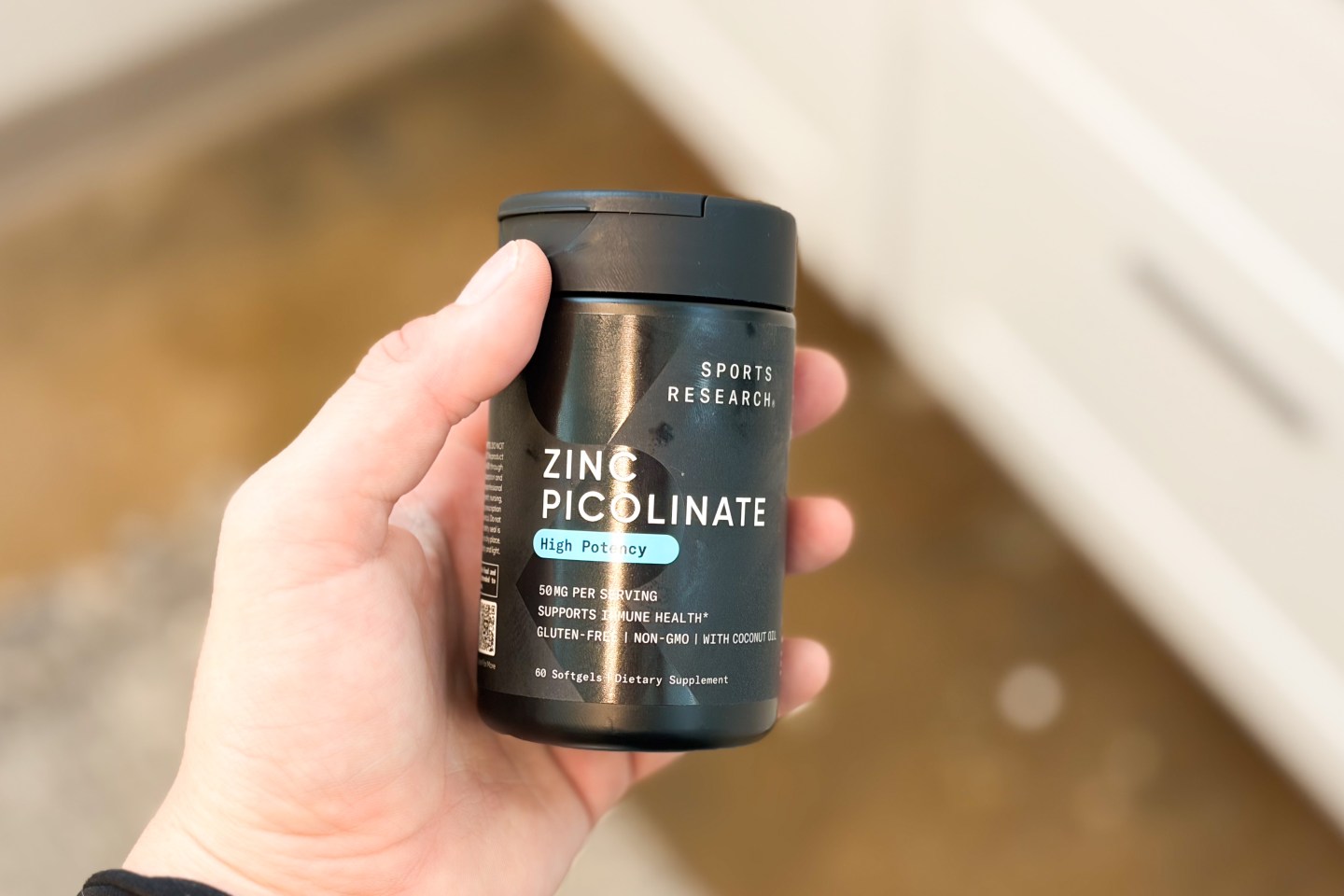
Pete said the softgels had the classic oval shape and noted that the zinc is combined with coconut oil. While he found them easy to swallow, rating the product an “average” 3 out of 5 for swallowability, he did add that “a few of the capsules were deformed.” Pete said that when the package containing this supplement was first delivered, it sat in the sun for a while, which may have caused the issue.
“The softgel was tasteless,” said Pete, rating it a 3 out of 5 for its neutral flavor.
Pete reported no side effects and said that you’d likely need bloodwork to confirm any actual impact on zinc levels. He added, “Sports Research Zinc Picolinate is a single-ingredient formula, 50 milligrams of zinc picolinate. One thing to mention is that 50 milligrams is on the higher end for a daily zinc supplement, which is probably why they say to take it every other day after the initial two weeks.”
Best Zinc Supplement for Immunity: Needed Immune Support
Needed Immune Support
Zinc per Serving
% Daily Value per Serving
Third-Party Testing
Serving Size
Our thoughts: A well-formulated powder supplement that tastes great
Who it’s for: Adults and children 2 years of age and older, and pregnant and breastfeeding women
What makes it different: The dosage is lower than that of other products, and the powder form is very easy to take
- Third-party tested
- Safe for children as young as two, plus pregnant and breastfeeding women
- Delicious flavor with subtle sweetness
- By far the most expensive product in the lineup, at two dollars per serving
- Has the lowest RDV of zinc in the lineup, at 73 percent
- Needs to be mixed with food or a liquid, which some may find less convenient than taking a pill
Our Thoughts on Needed Immune Support
Needed Immune Support is marketed as “daily immune support for the whole family,” a powdered supplement that’s easy to take and contains elderberry, zinc, and both prebiotics and postbiotics. The company says its Immune Support product is safe for adults, kids, and pregnant or nursing women.
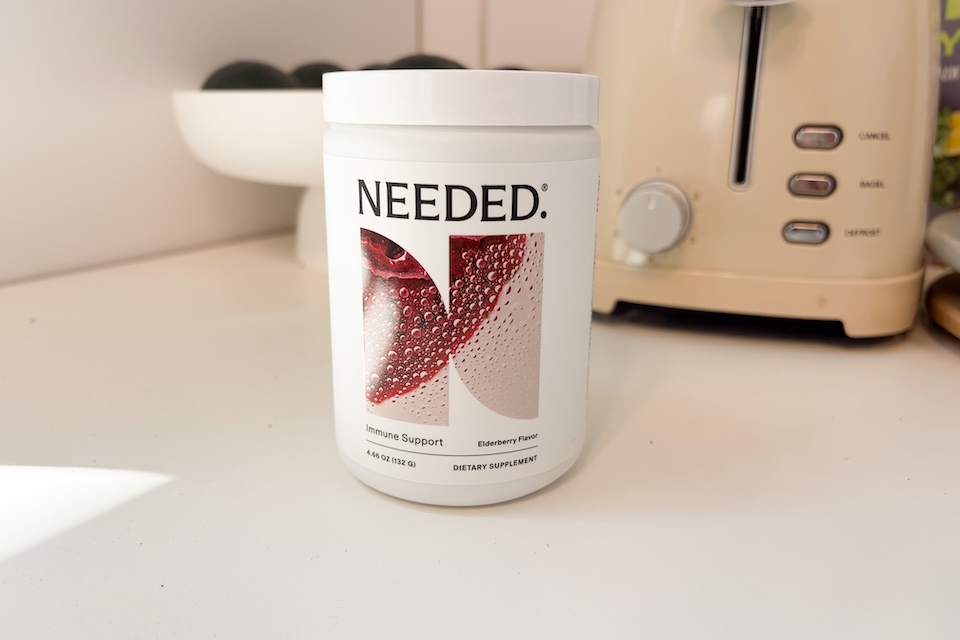
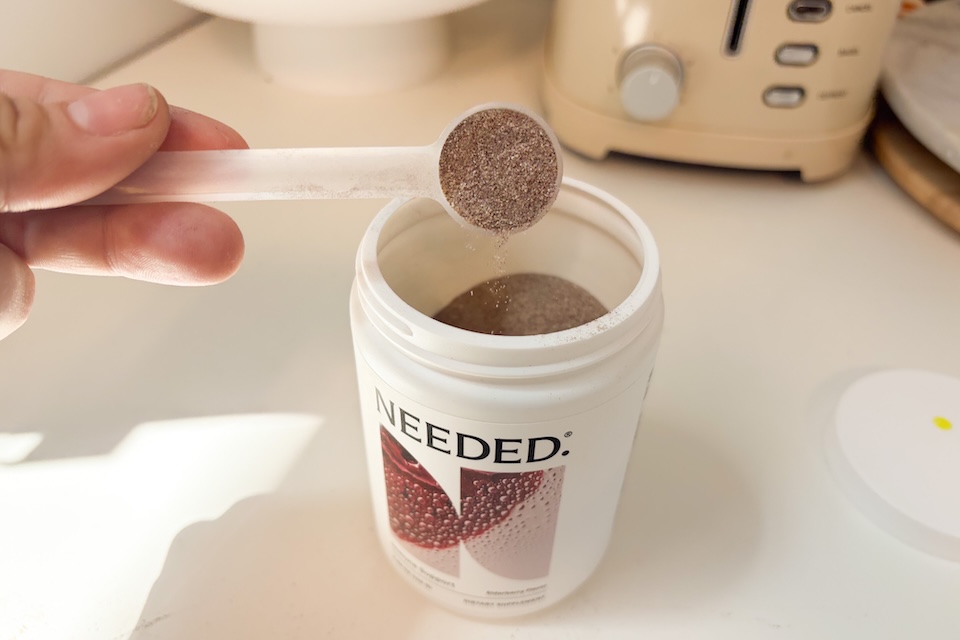
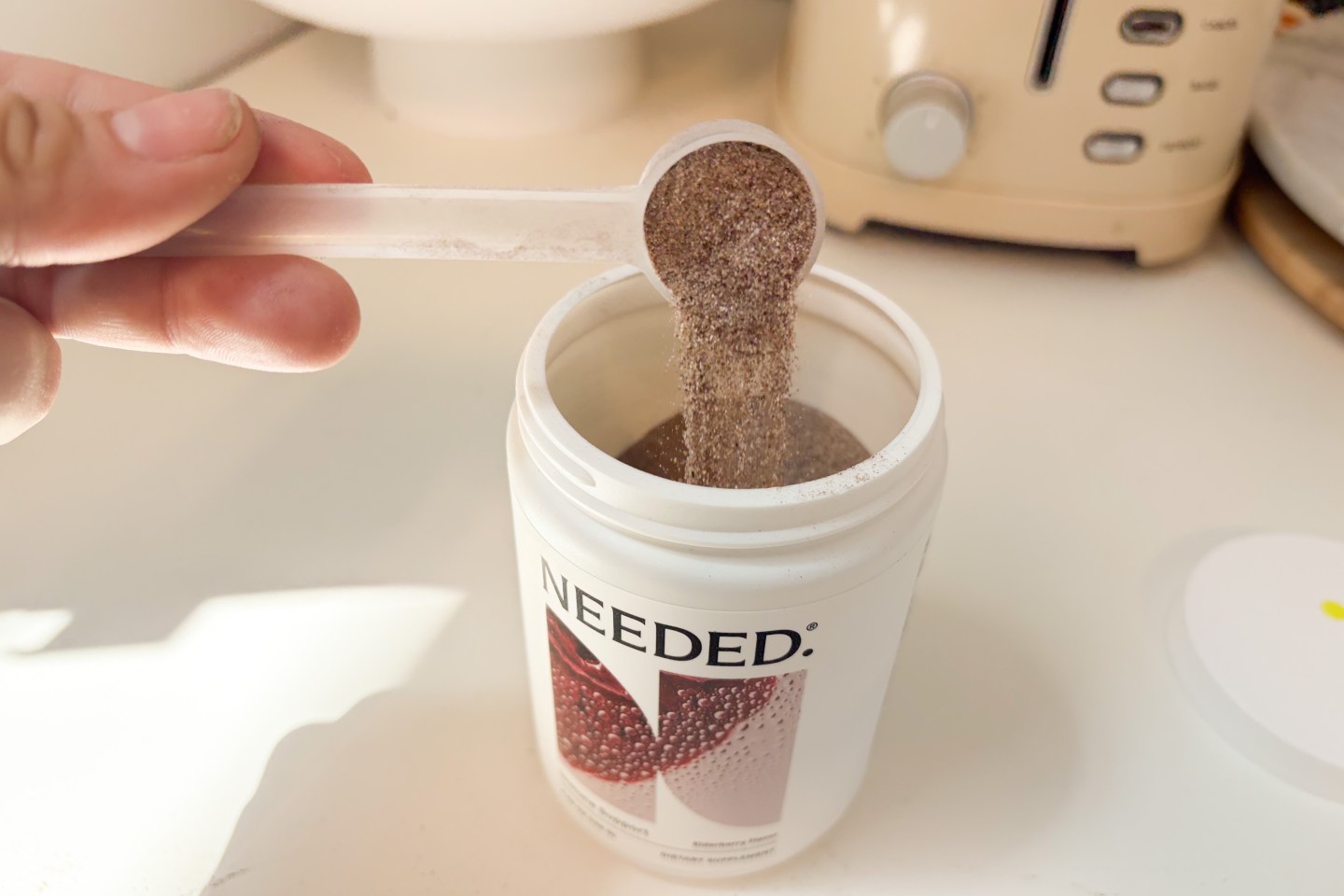
Pete tried this product, too. Here’s what he thought. Our tester said Needed Immune Support comes in a “smallish, white plastic container with a screw top lid that opens and closes easily.” He noted that the label is easy to read and that the product comes with a scoop for easy measuring.
The instructions for use advise pregnant or breastfeeding women, adults, and older kids to take two scoops daily. Kids ages 2 to 3 years old should take half a scoop daily, and kids ages 4 to 8 years old should take one scoop daily. In all cases, the powder should be mixed into food or your beverage of choice. Pete rated the instructions a 3 out of 5, as the multiple sets of instructions weren’t as clear-cut as other products’ instructions.
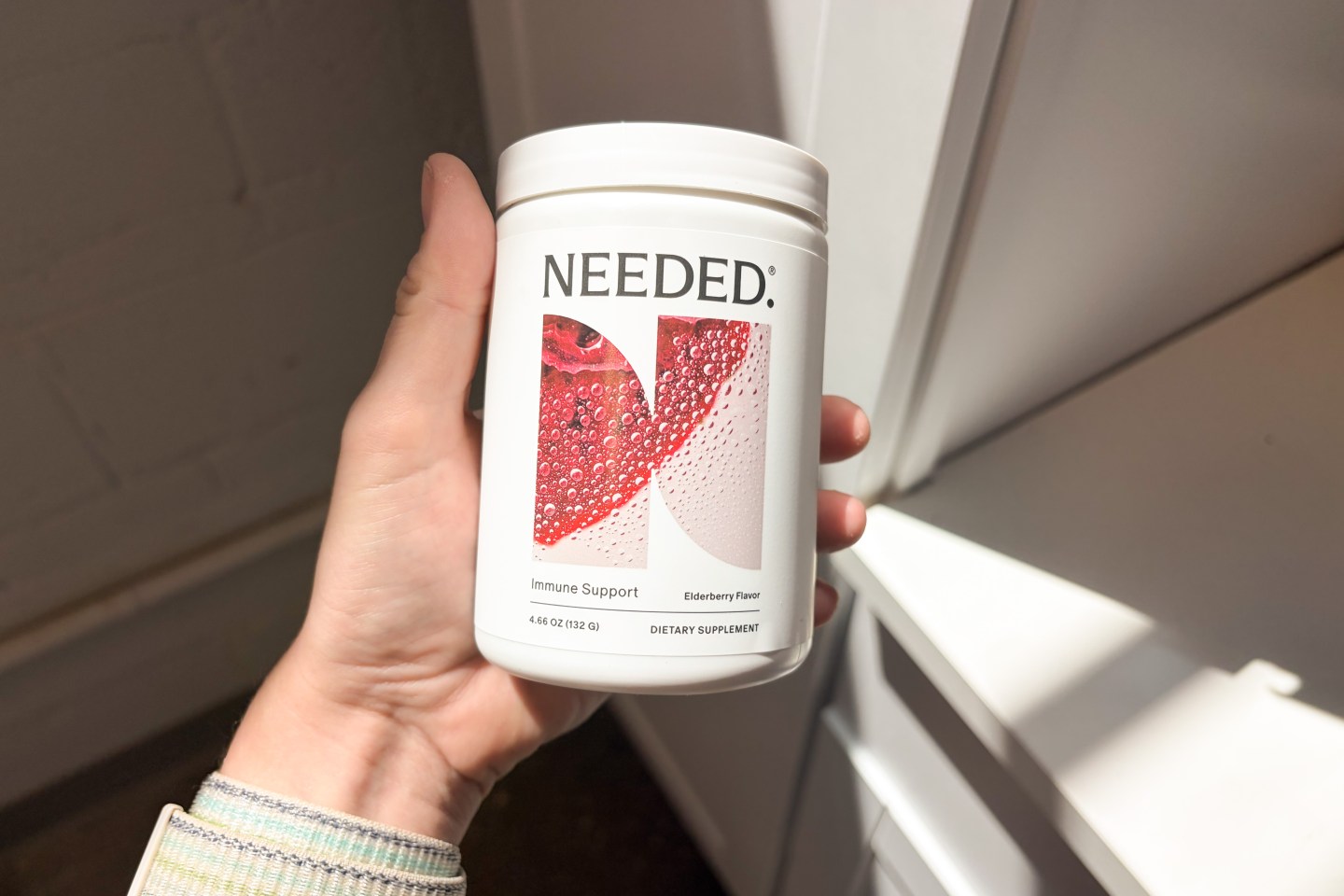
Pete said the product mixability earned a 5 out of 5 rating, noting, “The product dissolved fully during the 60-second shake, with no clumps or gritty texture.” He enjoyed the taste, too, saying, “The flavor I tested was Elderberry Flavor. I don’t really know what elderberry tastes like, but the flavor profile was fruity and berry-forward. It had a very mild sweetness that tasted all natural.” Pete also rated the flavor a 5 out of 5, saying, “It was light and refreshing with a subtle sweetness that tasted great.”
After analyzing the ingredients, Pete said, “This is an immune support supplement that works in the background. You’re not really going to have any noticeable effects from using this product.” He also said the ingredient profile is “pretty simple but well chosen,” explaining that the ingredients are all clinically studied forms that target both the gut and immune system directly.
Why Zinc Levels Matter to Professionals
When you’re a high achiever at work, it can be easy to overdo it. That’s why it’s imperative to look after your immune system and take steps to stay healthy. According to the National Institutes of Health, zinc helps people do just that—including helping your immune system fight off bacteria and viruses. Zinc also helps wounds heal, plus it has other benefits as well. In short, when you’re working hard, you also need to be proactive about your health. Zinc may be a helpful supplement for some people, but we always recommend speaking with a healthcare provider first.
How We Tested and Selected the Best Zinc Supplements
There can be a wide variation in supplement quality. Here’s what we paid attention to when testing zinc supplements.
Taste and Texture
Assessing flavor and texture—in the case of powder supplements—is an important part of our testing process. If a supplement doesn’t taste good or have a pleasant texture, people are less likely to take it repeatedly. We prioritize products with a neutral or pleasant taste and a smooth texture.
Formula
As part of our testing process, we work with a registered dietitian to review product formulas for safety. That person checks to ensure product dosages are clinically supported and in line with the recommended daily values, and that products don’t contain any undesirable ingredients.
Third-Party Testing
The U.S. Food and Drug Administration (FDA) doesn’t approve dietary supplements for safety or efficacy, which means ingredients and their amounts may differ from what’s on the label. For this reason, we prioritize products that have been third-party tested to confirm safety and accuracy.
Value
There was a significant difference in product prices, with the most expensive supplement costing 28 times as much as the least expensive on a cost-per-serving basis.
How to Find the Best Zinc Supplement for You
First, we always recommend speaking with a healthcare provider who can review your medical history, current medications, and wellness goals and help determine whether any supplements may be advisable. Aside from that, here are some other factors to consider.
Your Fitness Goals
Think about the benefits you’re hoping to see, and choose the product best designed to support those goals. That means you’ll also want to pay attention to product formulations and purported benefits.
Formula
Pay attention to how much zinc each product offers, as our lineup ranges from 73 percent of the recommended daily value to a very high 455 percent. Everyone’s needs are different, and some people may require a higher dose than others. After consulting with a healthcare provider, be sure to look for a formula that includes a dosage appropriate for your own health needs.
Cost
Consider your budget, including the likelihood that this may be a recurring expenditure. The products in our lineup range from seven cents to two dollars per serving, meaning there’s something for just about everyone’s budget. And keep in mind that being more expensive doesn’t necessarily mean better.
Third-Party Testing
Look for products that have been third-party tested, as the FDA doesn’t test supplements for safety or efficacy. This information can usually be found on the manufacturer’s website and/or the product packaging, but if you don’t see mention of third-party testing in either of those spots, you can also usually email the company to ask.
Benefits of Zinc Supplements
According to Johannah Katz, RD, a registered dietitian at Consumer Health Digest, zinc plays an important role in immune function, protein and DNA synthesis, wound healing, cell signaling, and growth and development. “That said, more zinc is not automatically better,” notes Katz, adding that a daily zinc supplement may not provide noticeable benefits for people who already get enough zinc from their diet. “Groups more likely to have low zinc status include people with gastrointestinal disorders or bariatric surgery history, people following vegetarian or vegan diets, pregnant or lactating women, people with alcohol use disorder, and some older adults,” says Katz.
Benefits of zinc include:
- Promotes immune function
- Supports DNA synthesis
- Helps with wound healing
- Supports growth and development
As for the oft-repeated claim that zinc helps with colds, Katz says, “A 2024 Cochrane review found that zinc taken early in an ongoing cold may shorten cold duration by about two days, but the evidence was low certainty, and zinc was associated with more non-serious side effects, such as nausea, unpleasant taste, and GI upset.” Katz says that if someone uses zinc for a cold, the research generally suggests starting it early rather than after several days of symptoms—but even then, results vary by dose and formulation.
How to Take Zinc Supplements
We always recommend talking to your healthcare provider before beginning any new supplement, including zinc. If you’re deemed a good candidate for a zinc supplement, choose the form that works best for you—whether capsules, softgels, or a powder supplement—and make sure to carefully read and follow the usage instructions.
What to Avoid in Zinc Supplements
Here’s what to look for, and what to avoid, in a zinc supplement.
- Look for the appropriate dosage. Adult women need about 8 milligrams per day and adult men need about 11 milligrams per day, says Katz, adding that the adult tolerable upper intake level is 40 milligrams per day from food and supplements combined.
- Prioritize third-party testing. “I would also always look for third-party testing from groups such as USP, NSF, or another reputable independent testing program, because dietary supplements are not FDA-approved before they go on the market and manufacturers are responsible for ensuring their products are properly labeled and safe,” says Katz.
- Avoid taking too much. Katz says, “I would avoid high-dose zinc for long-term daily use unless medically supervised. Doses of 50 milligrams per day or more for weeks can interfere with copper absorption, potentially reduce immune function, and lower HDL cholesterol.”
- Avoid zinc nasal products. Another thing to avoid, according to Katz, is intranasal zinc sprays or gels. She explains, “Zinc nasal products have been linked to loss of smell, which may be irreversible.”
Fortune’s Final Thoughts
We found several solid options, in a range of price points and delivery forms, for those interested in a zinc supplement. While Transparent Labs ZMO is the best overall, our tester gave solid marks to all options in the lineup as each has its own strengths—including flavor, price point, and delivery form. It’s important to speak with a healthcare provider before beginning any new supplement, though, to make sure you actually need to take it.
Frequently asked questions
What form of zinc supplement is best?
One form isn’t objectively better than another, as it really comes down to personal preference. For people who prefer to avoid swallowing capsules, a powder supplement may be preferable. But for those who want a quick option and who don’t mind swallowing a capsule or softgel, then either of those forms may be preferable.
Which is better, zinc picolinate or zinc glycinate?
“I would not say one is universally ‘best’ for everyone,” says Katz, but she notes that zinc glycinate/bisglycinate is a good option for many people because it tends to be well tolerated and has supportive absorption data. “Zinc picolinate is also reasonable,” she adds, explaining that the evidence that it’s superior to other forms is limited. As Katz explains, “The Linus Pauling Institute notes that few human data support the idea that zinc picolinate is clearly more absorbable than other forms.” Ultimately, says Katz, “The best supplement is the one with an appropriate elemental dose, good quality testing, and no unnecessary megadose.”
What is the downside of taking zinc?
According to Katz, excess zinc can cause nausea, vomiting, stomach pain, diarrhea, headaches, dizziness, loss of appetite, and a metallic or unpleasant taste. She also says the biggest long-term concern is copper deficiency, and that long-term excessive zinc intake can reduce immune function and lower HDL cholesterol. Additionally, says Katz, zinc can also interact with some medications, so timing and clinician guidance are important if taking a zinc supplement. Finally, he explains: “I would also be cautious with high-dose zinc in people taking diabetes medications, because supplemental zinc may lower blood glucose.”