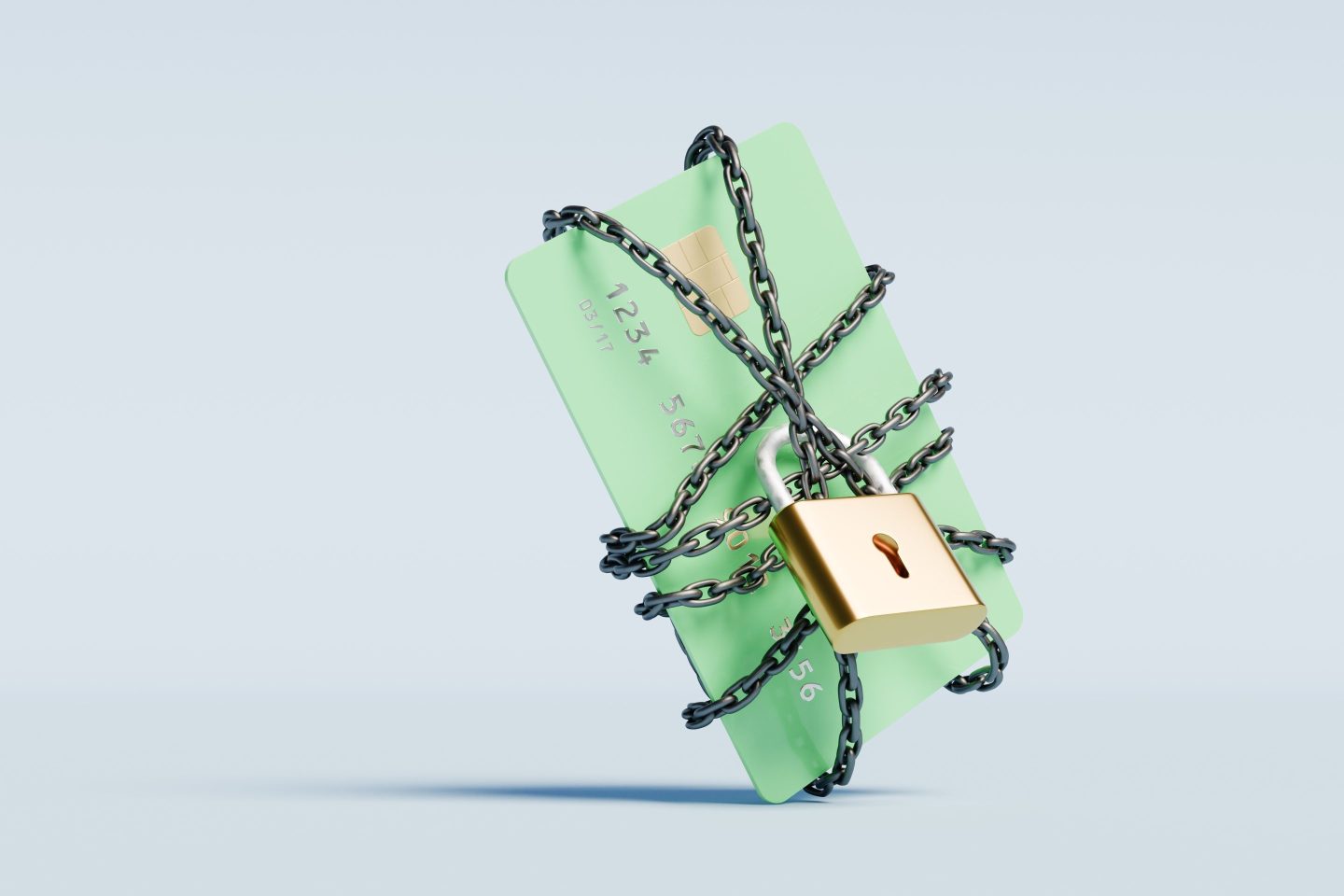
Have you found yourself with considerable balances on multiple credit cards? That can happen for several reasons, ranging from impulse spending to needs such as unexpected home repairs. The point is to take concrete steps to avoid the problem getting worse and to pay down your debt on a realistic timeline.
Depending on your situation and preferences, there are multiple strategies that can help you eliminate credit card debt. Let’s take a look at your options so you can determine what’s right for your needs.
Why is getting out of credit card debt so important?
A credit card balance is one of the more insidious forms of debt. Credit cards exist to make spending your money easier, but they also typically come with eye-watering interest rates when you carry a balance month-to-month.
For example, any money you spend on your card during this billing cycle will usually need to be repaid in full by your statement due date to avoid interest charges. Anything left on the card when you enter into the next billing cycle will accrue interest at the card’s normal APR—which can be above 30% in some cases. That period where you can typically avoid interest is known as a grace period.
In short, carrying a balance month to month on a credit card means you’re effectively bleeding money to interest charges. For example, if you had a credit card balance of $7,000 with a 23% APR, and you paid $200 per month, it would take nearly five years to zero out that debt and you’d pay roughly $4,799 in interest.
Choose your preferred repayment strategy
It can help to add a method to your madness when it comes to repaying your credit card balances. Two common and effective options are the “snowball” and “avalanche” methods.
Debt snowball method
The debt snowball method is simple: Repay your smallest balances first, thereby lowering your total number of monthly payments as quickly as possible. This will free up more disposable earnings, which you can then direct toward your next smallest debt.
For example, let’s say you’ve got three debts:
- $1,000 balance (with a $35 minimum payment)
- $2,000 balance (with a $60 minimum payment)
- $3,000 balance (with a $95 minimum payment)
You’ll throw all available funds toward paying off the $1,000 balance first, giving you an extra $35 each month to put toward your $2,000 balance. Once you pay that off, you’ll have another $60 to put toward the $3,000 balance. The funds you free up effectively snowball as you go.
And because less of your income is spoken for, you’ll have more money in case of emergency. Barring an emergency, though, keep any extra income going toward those high-interest credit card debts.
Debt avalanche method
Dissimilar to the snowball method, the avalanche method focuses on getting rid of your highest-APR debt first—regardless of the size of your balance. Compare your credit cards to find which interest rate is sucking the most money out of your pocket in fees and pay it down first.
You may not reduce your monthly payments at the same clip, but you could potentially save more money this way.
Consolidate your debt
Put simply, debt consolidation involves rolling multiple debts into one. To escape your high-interest credit card debt, there’s more than one way to go about this.
Debt consolidation loan
A debt consolidation loan is a personal loan that is used for the purpose of repaying other debts. You’ll receive a lump sum deposited into your bank account—though some lenders stipulate that they will pay off your balances directly to ensure the money is going toward debt repayment.
As you’d expect, combining your debts into one reduces your number of monthly payments. Debt consolidation loans also typically charge interest rates far below credit cards. It’s rare to find a credit card with under 18% APR (many rewards credit cards charge more than 20% variable), while some of the best personal loans for good credit charge minimums under 7%.
These things can make a difference not just in the speed at which you can repay your debts, but in the size of your minimum payment. Consolidating multiple debts into, say, a five-year loan with low APR, and you could be looking at a monthly bill that’s much more manageable.
Another benefit is that debt consolidation loans are installment loans, which don’t count against your credit utilization. Those with high credit card balances may suffer from a less-than-respectable credit score due to high credit utilization. Paying off your cards with an installment loan can potentially catapult your credit score in just a month or two.
0% APR balance transfer card
It may sound ludicrous to shift one credit card balance to another as a means of repaying your debts. But for many, it can be the single biggest money-saving move.
That’s because many credit cards offer 0% intro APR for up to 21 months. In other words, moving debt to one of these cards can give you an extended period with absolutely no interest—during which every penny you pay on your debt will go toward the principal. There are typically balance transfer fees between 3% and 5%, but this can be well worth it.
One thing to keep in mind: You can transfer to your 0% intro APR credit card only as much debt as your credit line can hold (minus the balance transfer fee). Those only approved with a credit limit of a couple thousand dollars probably won’t make much use of this strategy. Also, note that balance transfer cards generally require at least a good credit score (think 670 or above) to qualify.
Negotiate with your lenders
From interest rates to even the amount you owe, creditors can be flexible when they feel it’s their best option. Here’s what to know.
Reach out to creditors yourself
It’s sometimes possible to negotiate with creditors yourself, resulting in reduced APR, more favorable repayment terms, even a brief pause on repayment. Lenders may be most open to negotiation when you’ve got a lengthy history of repayment but are experiencing financial hardship. In other words, they likely won’t agree to drop your interest rates for no reason.
While negotiating with your card issuers won’t hurt your credit score, it can result in a note placed on your credit report that you’re participating in a hardship plan. This means that other creditors will know you’ve got some financial troubles, which can affect how you’re treated going forward.
Enroll in a debt management plan
If you’d prefer to leave the negotiating to someone else, a debt management plan (DMP) can be a great alternative. You’ll talk to an experienced credit counselor who will dig into your debt situation and help you formulate a path out. If necessary, they may recommend that you enter into a DMP, which rolls your debts into one monthly payment (effectively consolidating your debts) and negotiating to reduce your interest rates.
You’re often required to close any credit cards that you’re rolling into the DMP. This can have adverse affects on your credit score, as your length of credit history will decrease and your credit utilization will probably increase. These factors combine to make up a total of 45% of your overall credit score.
Settle your debt
If you’re ineligible for a DMP, or if you think that won’t solve your issue, debt settlement can be a sound decision—albeit a last resort.
Debt settlement will tank your credit (if your score isn’t already in the basement), as most debt relief companies ask that you stop paying your bills and let your accounts slip into delinquency. Once your creditors realize that you may not pay up, they may be more willing to negotiate with a debt relief company. It’s also worth noting that you’ll probably get several collections calls and lawsuits before a portion of your debt is formally settled.
Bankruptcy is also an option for those in the worst shape. It can forgive most unsecured debt, such as credit cards and personal loans. But your credit report is stamped with a bankruptcy tag for up to 10 years, which dramatically affects your ability to take out credit cards in the future.
How to avoid falling back into credit card debt
Again, credit card debt generally happens for two reasons:
- Overspending
- Unexpected emergencies
To avoid returning to credit card debt, focus on the following.
Keep to a strict budget
If you continue to overspend, you’re never going to be free of credit card debt. Credit cards seem innocuous, but they’re a larger responsibility than they seem. If you’re an impulse-spender by nature, opening a credit card may instantly give you the ability to spend $20,000 that you don’t have.
You may even consider closing your credit cards to avoid the urge to swipe unnecessarily. You can often close credit cards with unpaid balances and continue to repay your debt without the tempting access to a credit line.
Build your savings
Experts recommend maintaining between three and six months’ worth of necessary expenses in your savings. In other words, you can pay for rent, food, utilities, etc. Doing this will help you to weather emergency expenses like vehicle repairs and medical bills so you don’t have to float the money on a credit card until you can come up with the cash.
The takeaway
No matter how you choose to pay off your credit card debt, remember that sticking to a budget is crucial. Once you know how much you can afford to put towards your debt, you can decide whether it’s necessary to solicit professional help through a debt management plan or debt relief program—or whether you can systematically knock it out yourself through the snowball method, debt consolidation, and direct negotiation.
Frequently asked questions
What is the smartest way to pay off credit card debt on multiple cards?
Often the smartest way to pay off credit card debt on multiple cards is with debt consolidation. Rolling your balances into one loan will usually decrease the amount you owe in combined monthly minimum payments. Debt consolidation loans also tend to come with lower interest rates than credit card APR.
Can a home equity loan or HELOC be a smart way to pay off credit card debt?
If you’ve built sufficient equity in your property, using a home equity loan or a home equity line of credit (HELOC) can be a smart way to pay off credit card debt, as they allow you to consolidate your debt and pay a much lower interest rate. However, you shouldn’t do this if you think there’s any chance that you can’t repay the loan; defaulting on a home equity loan can result in the lender taking your house.
How can side hustles or extra income help as ways to pay off credit card debt faster?
Adding side hustles can boost the amount of money you can put toward your loan each month. If you can only afford to make minimum payments, picking up an extra temporary gig to make larger payments may save you hundreds (even thousands) in APR in the long run.
Are there ways to pay off credit card debt without stopping credit card use completely?
Yes, you don’t have to stop using your credit card when paying off credit card debt. Unless you’re enrolling in a debt management plan (which often requires that you close your affected credit cards), there is no effect to your ability to spend with a card.
What everyday spending changes are easy ways to pay off credit card debt over time?
Paying off credit card debt is rarely “easy.” But popular changes include using cash instead of credit for your payments to help you stick to a budget and trimming your discretionary subscriptions and memberships (think Netflix, Walmart+, Amazon Prime, etc.).