• Home
  • Latest
  • Fortune 500
  • Finance
  • Tech
  • Leadership
  • Lifestyle
  • Rankings
  • Multimedia

Trendingnow

1

Shark Tank's Kevin O'Leary says if he were 25 today, he'd chase these two booming opportunities in the world of AI

2

The stock market is about to suffer a 'snapback' and will lose much of this year's gains as 'speculation is hitting extreme levels,' BofA warns

3

Even as Elon Musk calls philanthropy ‘very hard,’ everyday Americans gave a record $617 billion—despite feeling the squeeze over the cost of living

1

Shark Tank's Kevin O'Leary says if he were 25 today, he'd chase these two booming opportunities in the world of AI

2

The stock market is about to suffer a 'snapback' and will lose much of this year's gains as 'speculation is hitting extreme levels,' BofA warns

3

Even as Elon Musk calls philanthropy ‘very hard,’ everyday Americans gave a record $617 billion—despite feeling the squeeze over the cost of living
Economy

‘Black Swan’ author Nassim Taleb says your city’s new bike lane is the reason the economy sucks

Nick Lichtenberg
By
Nick Lichtenberg
Nick Lichtenberg
Business Editor
Down Arrow Button Icon
Nick Lichtenberg
By
Nick Lichtenberg
Nick Lichtenberg
Business Editor
Down Arrow Button Icon
September 24, 2025, 12:22 PM ET
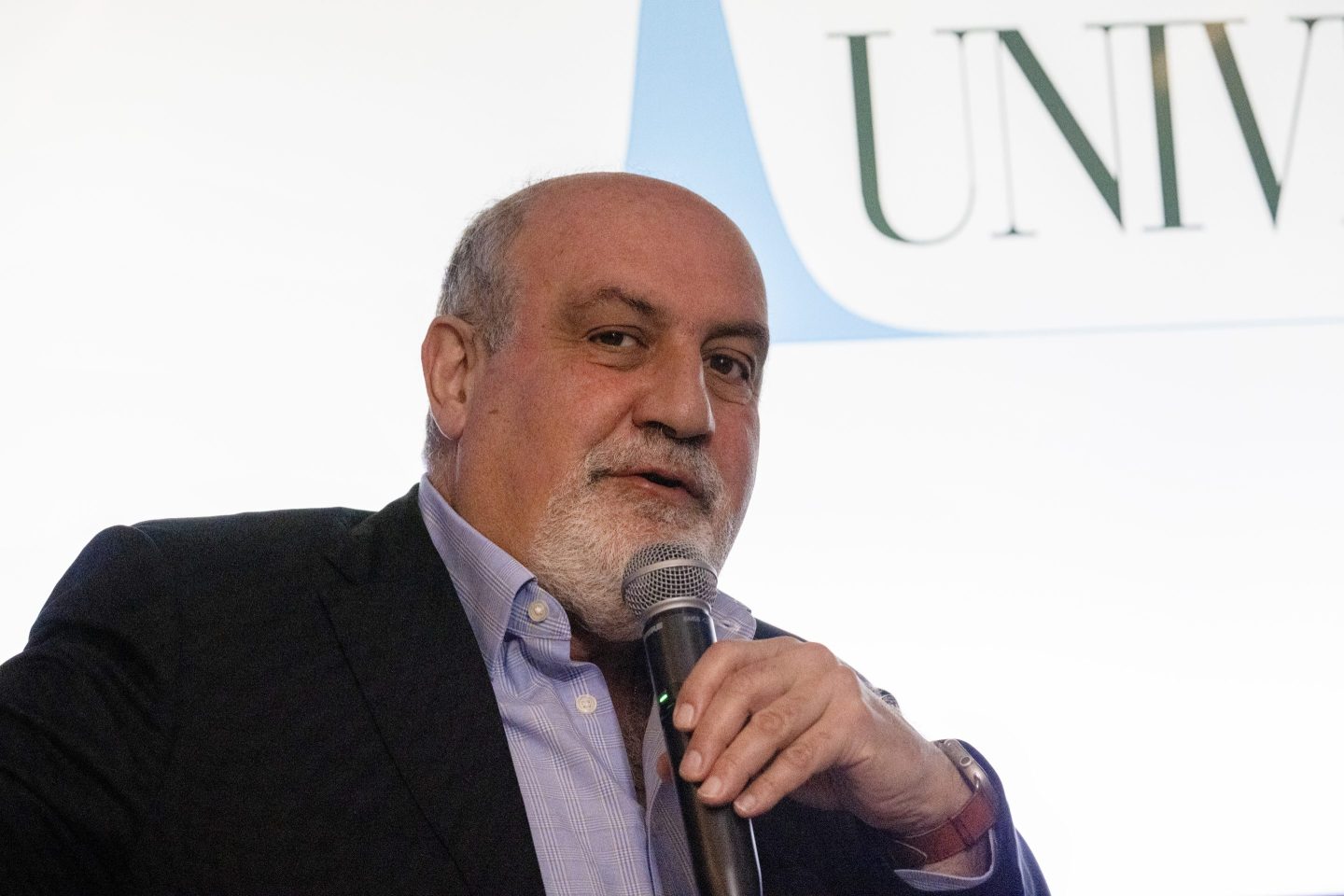
Nassim Taleb
Sometimes, you can get too comfortable, Nassim Taleb says.Eva Marie Uzcategui/Bloomberg via Getty Images
Add Fortune on Google for similar content.

Nassim Nicholas Taleb, the best-selling author acclaimed for his book “The Black Swan,” delivered a powerful critique of modern America’s economic malaise during the 2025 Annual Meeting of the Ron Paul Institute. In his address,he offered seven different thoughts on the modern state of macroeconomics and the world, arguing advanced economies like the U.S. are suffering from a curse of success.

Recommended Video

Taleb argued well-intentioned “lifestyle improvements” like new bike lanes, while popular among city planners and politicians, reveal a deeper problem silently afflicting Western economies: the illusion of growth in societies that have reached their limits of prosperity. “Many are discovering,” he said, “that lifestyle improvements, such as bicycling paths and pedestrian- and cyclist-friendly cities, may not produce economic growth.”

The S-curve and stagnated growth

Taleb shot to fame in the Great Recession with his “black swan” theory of financial disasters, with falling house prices in that crisis being the thing that nobody expected to see. As profiled in the 2023 book “Chaos Kings,” Taleb and Mark Spitznagel began as “renegade traders” on Wall Street in the 1980s, driving explosive returns during disastrous market events. Both have developed reputations as pessimists over the years, but Spitznagel told Fortune in 2024 that he feels misunderstood, and he and Taleb often correctly call market rallies while bracing for disaster to come.

Taleb’s key message in his latest speech could be considered counterintuitive and unnerving for champions of urban progressivism: symbols of modernity—such as city bike lanes—are evidence of economic stagnation, not success.

Referencing his 2012 book Antifragile, in which he applied the idea of the “S-curve” from biology in an economic context, Taleb explained that most systems—including national economies—undergo an initial phase of rapid growth as needs are met and utility rises. Eventually, however, they hit a ceiling: once everyone owns a car, buys a home, and enjoys basic comforts, the returns on further investment slow dramatically. He said his research shows that in both biology and economics, “entities grow in a convex way, then slow as they saturate — growth may be unbounded, but remains sub-logarithmic.” For instance, you may grow your house to include a two-car garage, but that doesn’t mean you’ll necessarily graduate to a five-car garage. The incentive diminishes after a certain stage of growth and the curve takes on an S shape.

This is the situation in the world economy right now, Taleb argued. Rich countries like the U.S. and many in Europe are making “lifestyle improvements” like the aforementioned bike lane, tackling urban design to make more pedestrian-friendly cities, but that does not always equate to booming GDP. China, on the other hand, is still growing fast because “many still lack basics like a car.”

The U.S. and Europe, Taleb argued, have essentially “saturated” their capacities for meaningful growth, and the world economy’s problem right now is that saturated economies carry the most debt, and servicing that debt “is harder at the top of the S-curve.”

Why bike lanes can’t save the economy

The proliferation of new bike lanes, Taleb argued, is symptomatic of a political system that favors visible, immediate, and consumer-friendly projects. But such improvements, while visually appealing, do little to address core drivers of growth like industrial productivity, technological innovation, or exports. In fact, shifting resources from highly productive sectors to low-value improvements can depress overall GDP, he said, shifting to a critique of President Trump’s tariff regime.

Trump’s tariffs force resources into lower-margin activities, Taleb said, likening the policy to “asking a brain surgeon to do some gardening two days a week to avoid being ‘ripped off’ by professional gardeners.” He said growth is declining when it’s needed more than ever for debt service, and this is exacerbated by America’s “metastatic government and irresponsible fiscal policies.”

Taleb also noted this turn toward incremental upgrades coincides with rising debt obligations, meaning more and more public spending is earmarked for servicing loans rather than spurring future expansion. “Soon, most U.S. expenditure will go to servicing debt, and we lack the political mechanisms to correct this,” he warned. Taleb has been warning for years of a “death spiral” related to escalating government debt.

The economist shifted to a critique of modern dislike of immigration in S-curve economies. “There has never been a society that welcomed immigration for its own sake,” he said, arguing that after the West grew wealthy, it “ran out of people willing to clean bathrooms, fix roofs, babysit noisy spoiled brats, and mow lawns.” He argued that many youngsters in the middle class aren’t growing up with aspirations to become a janitor someday, “So the poor must be imported — reluctantly.”

He criticized the U.S. and Europe becoming “structurally addicted to cheap immigrant labor,” exacerbated by their penchant for building oversized houses that had large lawns, requiring intensive labor. He issued a final warning before moving on to other thoughts: “A sharp reduction in this supply would trigger hyperinflation, owing to the nonlinear effects of such squeezes. Remember 2022.” He predicted that, some “symbolic” immigration enforcement aside, nothing will change in order to preserve the status quo, including the primacy of anti-immigration politics. “We end up in the strange situation of xenophobic people importing labor for their own purposes while voting against immigration — a sort of tragedy of the commons.”

For this story, Fortune used generative AI to help with an initial draft. An editor verified the accuracy of the information before publishing. 
Subscribe to Fortune Gulf Brief. Every Tuesday, this new newsletter delivers clear-eyed, authoritative intelligence on the deals, decisions, policies, and power shifts shaping one of the world’s most consequential regions, written for the people who need to act on it. Sign up here.
About the Author
Nick Lichtenberg
By Nick LichtenbergBusiness Editor
LinkedIn icon

Nick Lichtenberg is business editor and was formerly Fortune's executive editor of global news.

See full bioRight Arrow Button Icon
Add Fortune on Google for similar content.

Latest in Economy

Finance
Lorem ipsum dolor sit amet, consectetur adipiscing elit, sed do eiusmod tempor incididunt ut labore et dolore magna aliqua. Ut enim ad minim veniam
By Fortune Editors
October 20, 2025
Finance
Lorem ipsum dolor sit amet, consectetur adipiscing elit, sed do eiusmod tempor incididunt ut labore et dolore magna aliqua. Ut enim ad minim veniam
By Fortune Editors
October 20, 2025
Finance
Lorem ipsum dolor sit amet, consectetur adipiscing elit, sed do eiusmod tempor incididunt ut labore et dolore magna aliqua. Ut enim ad minim veniam
By Fortune Editors
October 20, 2025
Finance
Lorem ipsum dolor sit amet, consectetur adipiscing elit, sed do eiusmod tempor incididunt ut labore et dolore magna aliqua. Ut enim ad minim veniam
By Fortune Editors
October 20, 2025
Finance
Lorem ipsum dolor sit amet, consectetur adipiscing elit, sed do eiusmod tempor incididunt ut labore et dolore magna aliqua. Ut enim ad minim veniam
By Fortune Editors
October 20, 2025
Finance
Lorem ipsum dolor sit amet, consectetur adipiscing elit, sed do eiusmod tempor incididunt ut labore et dolore magna aliqua. Ut enim ad minim veniam
By Fortune Editors
October 20, 2025

Most Popular

Finance
Lorem ipsum dolor sit amet, consectetur adipiscing elit, sed do eiusmod tempor incididunt ut labore et dolore magna aliqua. Ut enim ad minim veniam
By Fortune Editors
October 20, 2025
Finance
Lorem ipsum dolor sit amet, consectetur adipiscing elit, sed do eiusmod tempor incididunt ut labore et dolore magna aliqua. Ut enim ad minim veniam
By Fortune Editors
October 20, 2025
Finance
Lorem ipsum dolor sit amet, consectetur adipiscing elit, sed do eiusmod tempor incididunt ut labore et dolore magna aliqua. Ut enim ad minim veniam
By Fortune Editors
October 20, 2025
Finance
Lorem ipsum dolor sit amet, consectetur adipiscing elit, sed do eiusmod tempor incididunt ut labore et dolore magna aliqua. Ut enim ad minim veniam
By Fortune Editors
October 20, 2025
Finance
Lorem ipsum dolor sit amet, consectetur adipiscing elit, sed do eiusmod tempor incididunt ut labore et dolore magna aliqua. Ut enim ad minim veniam
By Fortune Editors
October 20, 2025
Finance
Lorem ipsum dolor sit amet, consectetur adipiscing elit, sed do eiusmod tempor incididunt ut labore et dolore magna aliqua. Ut enim ad minim veniam
By Fortune Editors
October 20, 2025
Fortune Secondary Logo
Rankings
  • 100 Best Companies
  • Fortune 500
  • Global 500
  • Fortune 500 Europe
  • Most Powerful Women
  • World's Most Admired Companies
  • See All Rankings
  • Lists Calendar
Sections
  • Finance
  • Fortune Crypto
  • Features
  • Leadership
  • Health
  • Commentary
  • Success
  • Retail
  • Mpw
  • Tech
  • Lifestyle
  • CEO Initiative
  • Asia
  • Politics
  • Conferences
  • Europe
  • Newsletters
  • Personal Finance
  • Environment
  • Magazine
  • Education
Customer Support
  • Frequently Asked Questions
  • Customer Service Portal
  • Privacy Policy
  • Terms Of Use
  • Single Issues For Purchase
  • International Print
Commercial Services
  • Advertising
  • Fortune Brand Studio
  • Fortune Analytics
  • Fortune Conferences
  • Business Development
  • Group Subscriptions
About Us
  • About Us
  • Press Center
  • Work At Fortune
  • Terms And Conditions
  • Site Map
  • About Us
  • Press Center
  • Work At Fortune
  • Terms And Conditions
  • Site Map
  • Facebook icon
  • Twitter icon
  • LinkedIn icon
  • Instagram icon
  • Pinterest icon

Latest in Economy

t
CommentaryParenting
Babylist CEO: The Trump Accounts gold rush is overlooking moms
By Natalie GordonJuly 6, 2026
2 hours ago
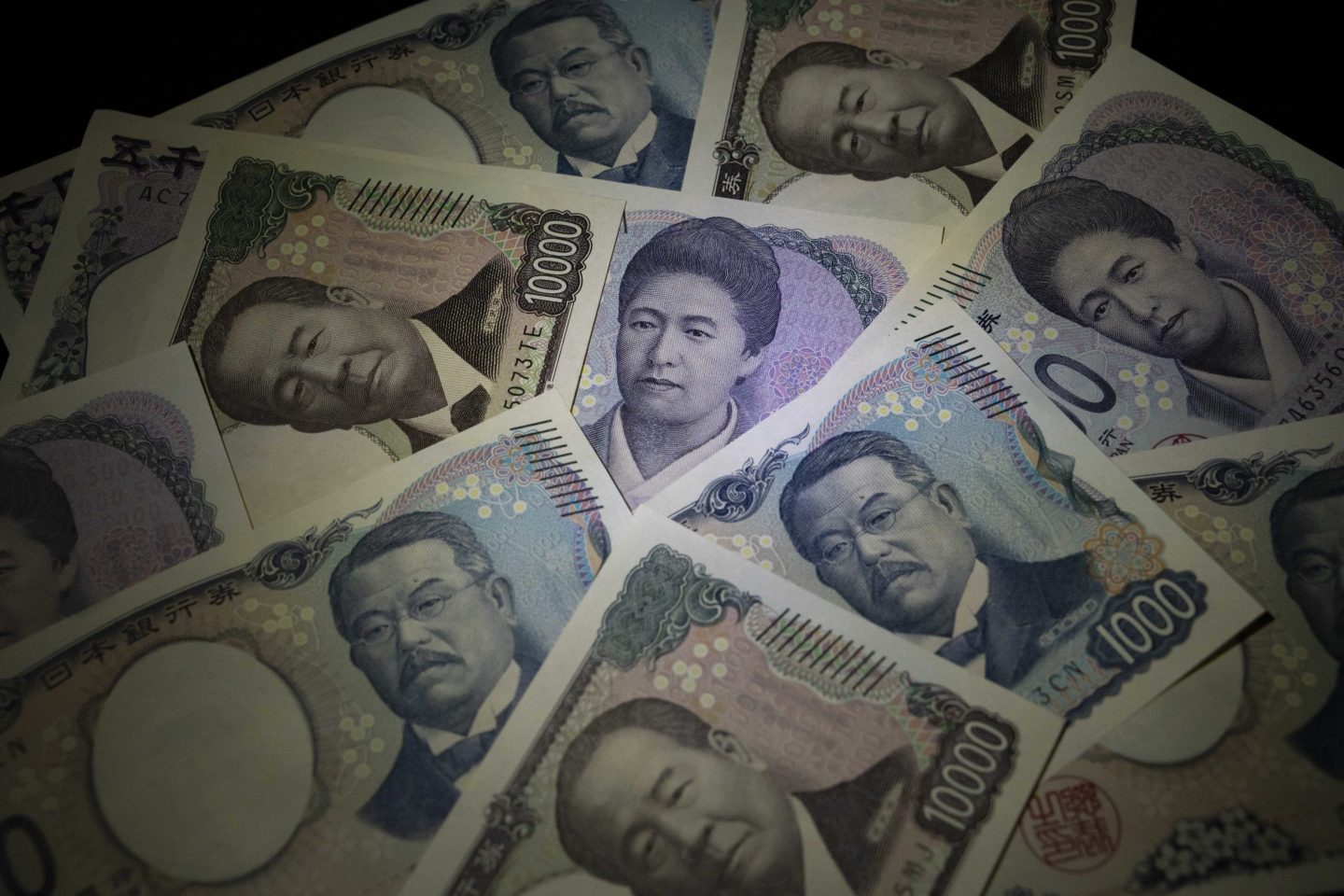
The yen is quietly crashing as Japan’s debt crisis bleeds into currency markets, and efforts to halt the slide are ‘doomed to fail,’ economist says
EconomyCurrency
The yen is quietly crashing as Japan’s debt crisis bleeds into currency markets, and efforts to halt the slide are ‘doomed to fail,’ economist says
By Jason MaJuly 6, 2026
4 hours ago
Billionaire entrepreneur Mark Cuban
SuccessWealth
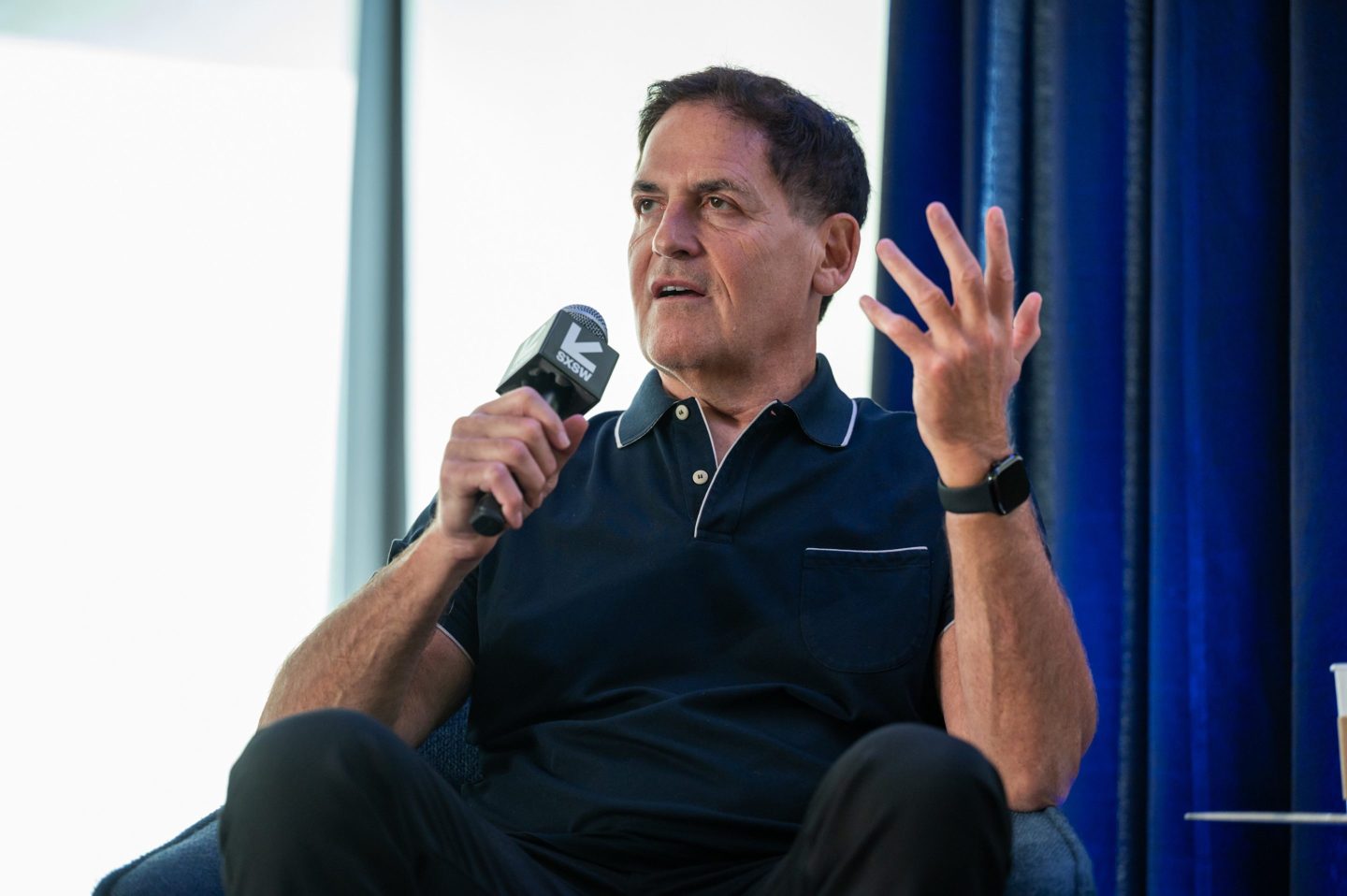
Billionaire Mark Cuban says it’s ‘embarrassing’ to not pay employees well—and a $20 minimum wage should be standard
By Emma BurleighJuly 6, 2026
6 hours ago
Torsten Slok holds his hands apart as he speaks on stage.
AIProductivity
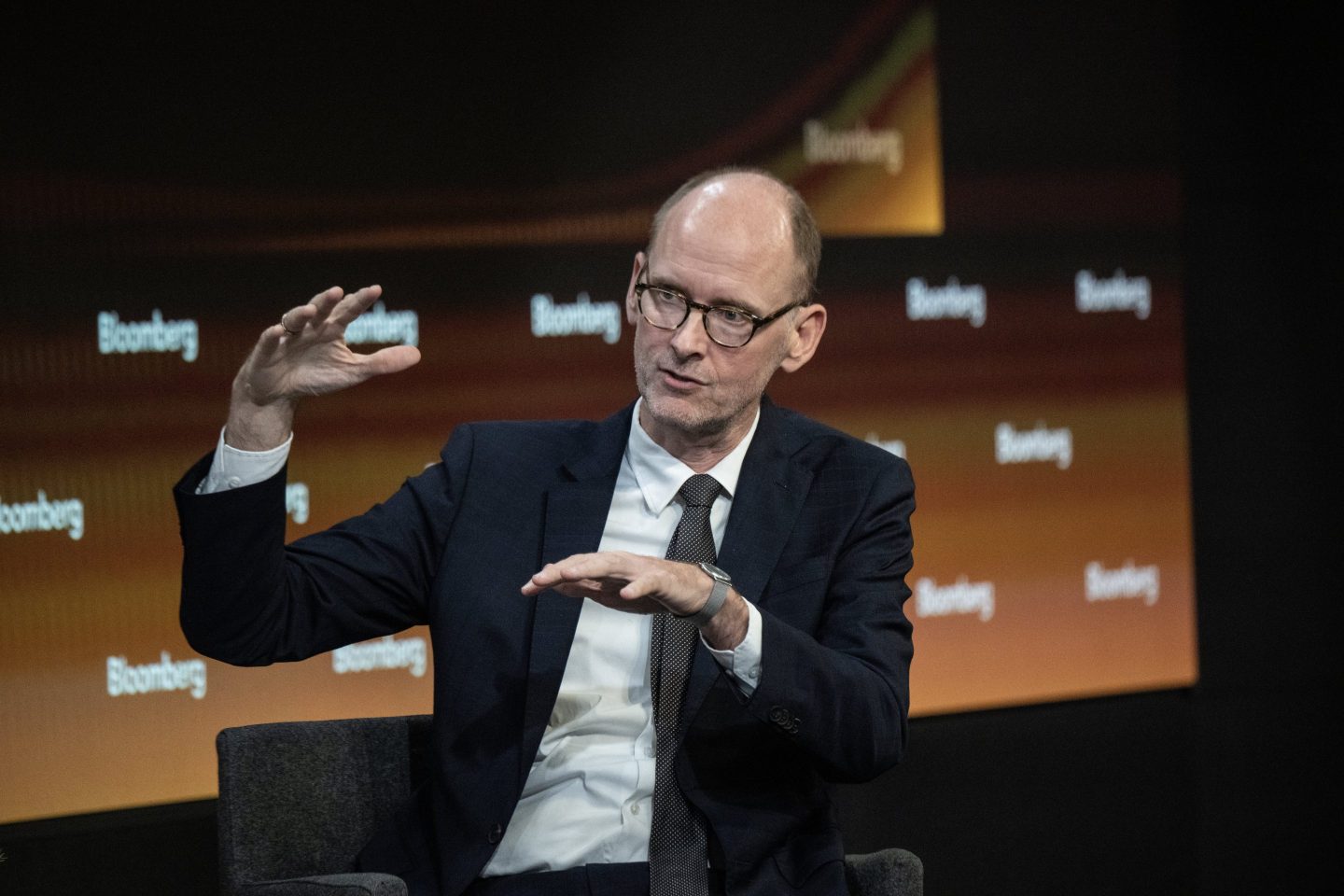
Top economist says AI just hasn’t delivered on the productivity hype—and it means a ‘painful repricing’ of markets is very possible
By Sasha RogelbergJuly 6, 2026
8 hours ago
r
EconomyGen Z
Gen Z was ‘jaded about employment before we ever entered the workforce’—now psychologists say the stare has hardened into something worse
By Nick LichtenbergJuly 6, 2026
14 hours ago
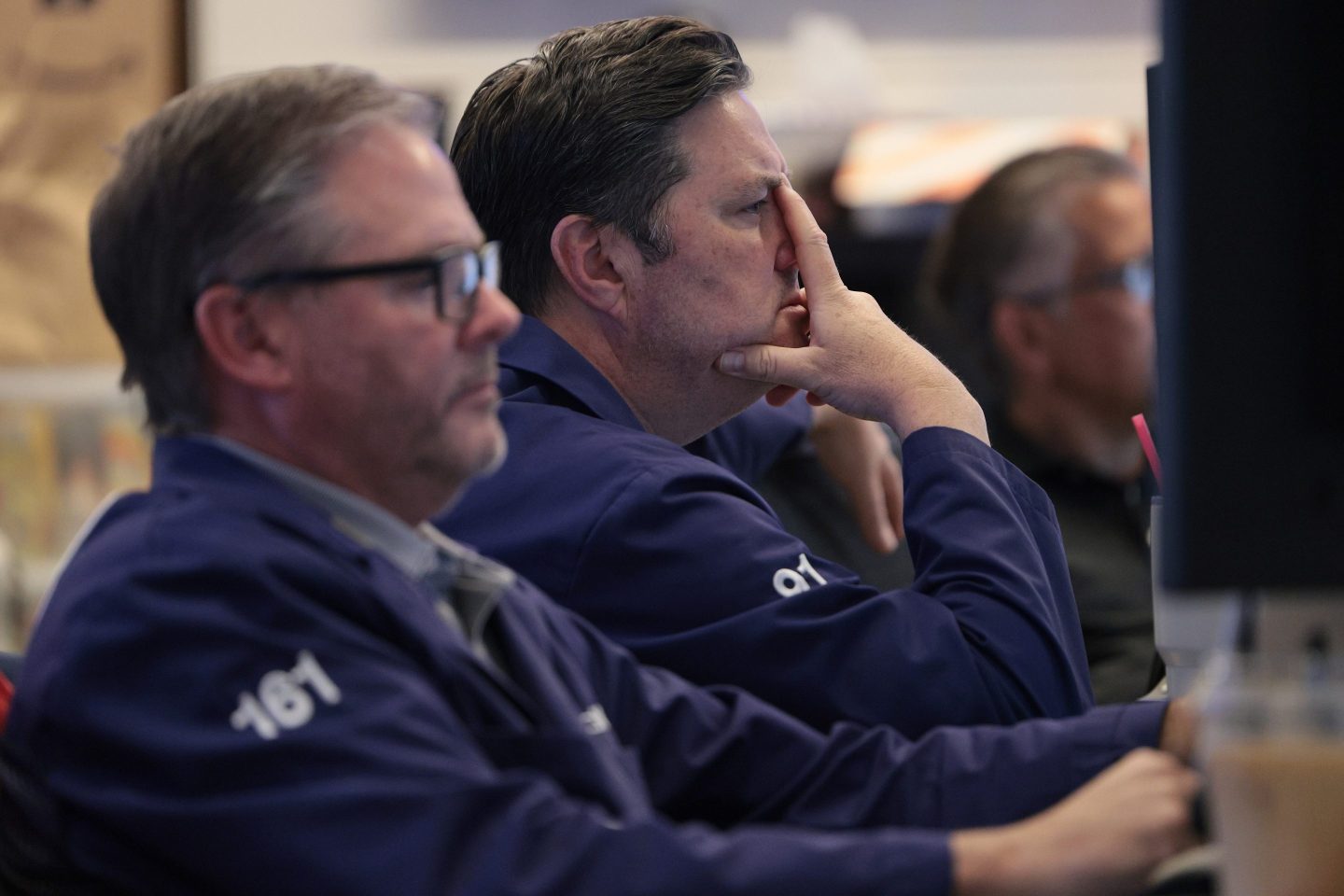
The stock market is about to suffer a ‘snapback’ and will lose much of this year’s gains as ‘speculation is hitting extreme levels,’ BofA warns
InvestingS&P 500
The stock market is about to suffer a ‘snapback’ and will lose much of this year’s gains as ‘speculation is hitting extreme levels,’ BofA warns
By Jason MaJuly 5, 2026
1 day ago

Most Popular

Shark Tank's Kevin O'Leary says if he were 25 today, he'd chase these two booming opportunities in the world of AI
AI
Shark Tank's Kevin O'Leary says if he were 25 today, he'd chase these two booming opportunities in the world of AI
By Marco Quiroz-GutierrezJuly 5, 2026
1 day ago
The stock market is about to suffer a 'snapback' and will lose much of this year's gains as 'speculation is hitting extreme levels,' BofA warns
Investing
The stock market is about to suffer a 'snapback' and will lose much of this year's gains as 'speculation is hitting extreme levels,' BofA warns
By Jason MaJuly 5, 2026
1 day ago
Even as Elon Musk calls philanthropy ‘very hard,’ everyday Americans gave a record $617 billion—despite feeling the squeeze over the cost of living
Success
Even as Elon Musk calls philanthropy ‘very hard,’ everyday Americans gave a record $617 billion—despite feeling the squeeze over the cost of living
By Preston ForeJuly 4, 2026
3 days ago
Egg companies made $1.22 billion in profit off a $6 carton — now they’re buying their way out of a price-fixing case with 53 million donated eggs
Law
Egg companies made $1.22 billion in profit off a $6 carton — now they’re buying their way out of a price-fixing case with 53 million donated eggs
By Wyatte Grantham-Philips and The Associated PressJuly 2, 2026
4 days ago
Gen Z was 'jaded about employment before we ever entered the workforce'—now psychologists say the stare has hardened into something worse
Economy
Gen Z was 'jaded about employment before we ever entered the workforce'—now psychologists say the stare has hardened into something worse
By Nick LichtenbergJuly 6, 2026
14 hours ago
Meet the Zillennials: The luckiest micro-generation in the workforce, born between 1993 and 1998
AI
Meet the Zillennials: The luckiest micro-generation in the workforce, born between 1993 and 1998
By Nick LichtenbergJuly 3, 2026
4 days ago

© 2026 Fortune Media IP Limited. All Rights Reserved. Use of this site constitutes acceptance of our Terms of Use and Privacy Policy | CA Notice at Collection and Privacy Notice | Do Not Sell/Share My Personal Information
FORTUNE is a trademark of Fortune Media IP Limited, registered in the U.S. and other countries. FORTUNE may receive compensation for some links to products and services on this website. Offers may be subject to change without notice.